




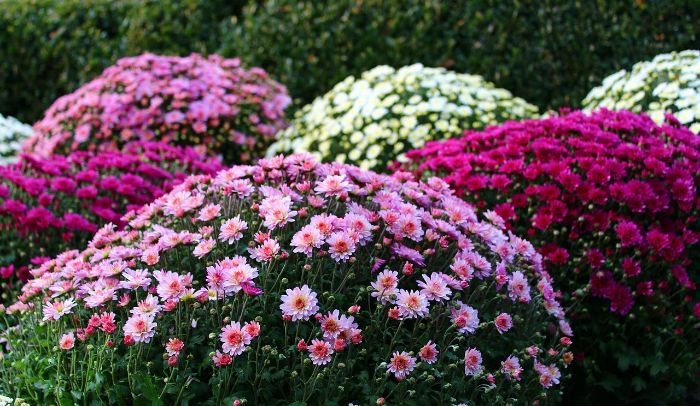
Are you tired of your chrysanthemums blooming for just a short time? Want to keep these lovely flowers in your garden all season? Pruning and deadheading are key to getting continuous blooms with your chrysanthemums.
Pruning means cutting off parts of the plant. Deadheading is removing spent flowers. These steps help your chrysanthemums bloom more and grow healthier. They also make your plants look better.
This guide will cover the benefits of pruning and deadheading. We’ll talk about the best time to do these tasks, what tools and materials you need, and how to do it right. Get ready to make your chrysanthemums look amazing all season.
Key Takeaways:
- Pruning and deadheading are key for more blooms in chrysanthemums.
- These methods help plants grow healthy and look better.
- Getting the timing and techniques right is important for pruning and deadheading.
- Using the right tools and keeping them clean is crucial.
- Being consistent and caring for your plants well is essential for great results.
Table of Contents
Understanding the Benefits of Pruning and Deadheading
Pruning and deadheading chrysanthemums help your garden grow well. These practices make sure you get more blooms, healthy plants, and better-looking flowers.
Promoting Continuous Blooms
Pruning and deadheading help your chrysanthemums bloom more often. By cutting off old flowers, you make new ones grow. This means more beautiful flowers for a longer time.
Encouraging Healthy Growth
Pruning is key for healthy chrysanthemums. It helps shape the plant and makes it strong. By cutting some stems, the plant grows better and can handle tough weather.
Improving Plant Appearance
Deadheading keeps your chrysanthemums looking great. It removes old flowers, keeping your garden neat. This makes your garden look better and more inviting.
When to Prune and Deadhead Chrysanthemums
Timing is key for keeping chrysanthemums healthy and looking great. Pruning and deadheading help them bloom longer and stay beautiful. We’ll talk about the best times to do these tasks and how to know when it’s right.
Seasonal Timing
Spring is the best time to prune chrysanthemums. This is when they wake up from sleep and start growing new stems. Cutting back old stems helps them grow fuller and healthier.
Recognizing the Right Stage for Pruning
Watch how your chrysanthemums grow to know when to prune. Pruning too early or late can cut off blooms or stop them from flowering. Wait until you see new green growth and several sets of leaves before pruning.
Indicators for Deadheading
Deadheading means cutting off old flowers to help the plant bloom more. Look for flowers that are wilted or have dropped petals. Cutting these off makes the plant focus on growing new flowers, so it blooms longer.
Tools and Materials Needed
Pruning chrysanthemums needs the right tools and materials. With these items, you can make sure your pruning and deadheading lead to healthy, vibrant blooms. Let’s look at what you’ll need to start.
Essential Pruning Tools
A pair of high-quality pruning shears is key for pruning chrysanthemums. These shears should have a sharp, bypass blade that cuts stems cleanly without harming the plant. Choose shears with ergonomic handles for comfort and control.
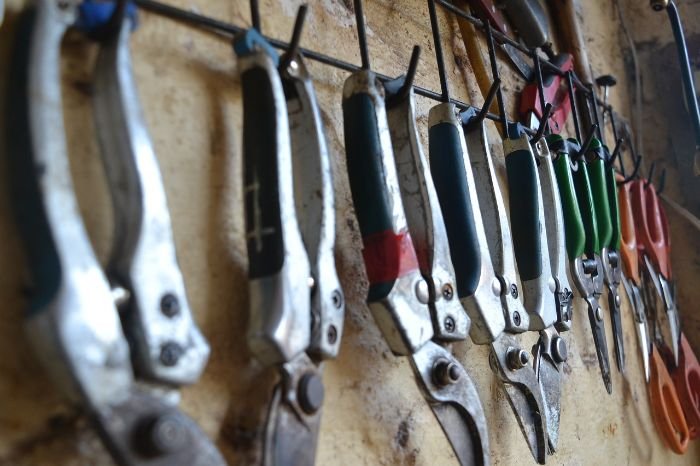
Gardening gloves are also a must to protect your hands from thorns and hazards. Get a pair of durable gloves made from leather or synthetic leather that can resist punctures.
Maintaining Your Tools
Keeping your pruning tools in good shape is vital for their long life and best performance. Clean your shears after each use to remove sap or debris. Also, sharpen the blade often to keep it cutting well.
It’s important to disinfect your tools too. Use a disinfectant spray or wipe to clean your shears between plants. This helps prevent diseases and pests from spreading.
Safety Precautions
Always put safety first when pruning chrysanthemums. Wear protective gloves that cover your hands and arms to avoid injuries from thorns and irritants.
Also, consider wearing safety goggles or glasses to protect your eyes from debris or particles while pruning. These precautions let you care for your chrysanthemums safely.
Step-by-Step Guide to Pruning Chrysanthemums
Pruning chrysanthemums is key to keeping them healthy and looking great. By pruning them right, you help your plants grow well and keep them blooming beautifully.
Initial Pruning Techniques
Start by cutting off dead, damaged, or sick stems and leaves. This keeps the plant healthy and stops diseases from spreading. Use clean shears and clean your tools often to avoid spreading germs.
Then, thin out the plant to let air in and help it grow strong. Find crowded spots and remove weak or crossing branches. This stops diseases and helps the plant bloom better.
Shaping the Plant
After the first cuts, shape your chrysanthemum as you like. You might want a full mound or a neat shape. Start by cutting the top to make the plant branch out more.

To shape it, cut just above a leaf or bud to get new growth. Cut off about a third of the plant’s height. This makes the plant fuller and more compact.
Managing Growth Throughout the Season
Keep an eye on your chrysanthemums all season. Remove dead or old flowers to keep them focused on making new blooms.
Removing old flowers, or deadheading, makes them bloom longer and stops them from seeding. Cut off the old flowers just above a leaf or bud. This makes more buds grow and keeps the plant flowering.
Watch how your plants grow and trim them as needed. You might need to cut back stems or pinch them to keep them bushy.
By pruning and managing your chrysanthemums well, they’ll stay healthy, look great, and keep blooming.
Step-by-Step Guide to Deadheading Chrysanthemums
Deadheading chrysanthemums is key to keeping them blooming and healthy. It means cutting off the spent blooms. This encourages new flowers and saves the plant’s energy. This guide will show you how to deadhead chrysanthemums right, from spotting spent blooms to the best techniques and how often to do it.
Identifying Spent Blooms
First, you need to know which blooms are spent and need to be cut off. Look for flowers that are fading, wilting, or have brown or discolored petals. These signs mean it’s time to deadhead them.
Proper Deadheading Techniques
Here’s how to deadhead chrysanthemums the right way:
- Use clean, sharp pruning shears or scissors. Find the base of the spent bloom right above healthy leaves or a new bud.
- Cut at a 45-degree angle to stop water from collecting on the cut stem, which can cause disease.
- Take off all dead or yellow leaves around the bloom. This keeps your garden clean and safe from pests and diseases.
Frequency of Deadheading
How often you should deadhead depends on the type of chrysanthemum and where it grows. Generally, deadhead when most blooms on a stem have faded. Doing this often will make your plant bloom more and for a longer time.
By following these steps for deadheading chrysanthemums, you’ll keep your garden healthy and full of color. Make deadheading a part of your gardening routine for beautiful chrysanthemums all season.
Tips for Optimal Results
To get the best results with chrysanthemums, follow some key tips. Pruning and deadheading regularly is crucial. This keeps the plants blooming and healthy.

Consistency in Pruning and Deadheading
Prune and deadhead chrysanthemums often to boost growth and blooms. Remove dead or damaged branches and crowded stems when pruning. Deadheading means cutting off spent blooms to make more flowers.
Complementary Care Practices
Adding special care helps chrysanthemums grow better. Water them well but don’t overdo it. Fertilize them to give them what they need to grow strong.
Troubleshooting Common Issues
Chrysanthemums are tough but can face issues. Watch for pests like aphids or mites and use insecticides if needed. Yellow leaves mean they might need more nutrients, so check your fertilizer.
Conclusion – Achieving Continuous Blooms with Proper Care
Pruning and deadheading chrysanthemums are key for continuous blooms. By using the right techniques, gardeners can keep these flowers vibrant and healthy. This way, they will bloom all season long.
For continuous blooms, care is crucial. Pruning removes old flowers and helps the plant grow strong. Deadheading makes the plant focus on new blooms instead of old ones. Together, these steps make the flowers bloom longer.
Always prune and deadhead at the right times with the correct tools. Regular pruning keeps the plant tidy and stops it from getting too big. Using safe tools and following safety tips makes pruning easy and safe.
Being consistent is important with chrysanthemums. Prune and deadhead regularly, and take care of them with the right water and food. This way, your chrysanthemums will bloom all season.
FAQ
Why is pruning and deadheading important for chrysanthemums?
Pruning and deadheading help chrysanthemums bloom more, grow healthy, and look better.
When should I prune and deadhead my chrysanthemums?
Prune in the spring. Deadhead as you see faded flowers or spent blooms.
What tools and materials do I need for pruning chrysanthemums?
You’ll need pruning shears, gloves, and disinfectant spray. Keep your tools clean and sharp. Always wear protective gear.
What are the steps for pruning chrysanthemums?
Start with basic pruning, shape the plant, and manage growth all season.
What are some tips for achieving optimal results with pruning and deadheading chrysanthemums?
Be consistent with pruning and deadheading. Also, water and fertilize properly. Fix common problems that come up.
How can I achieve continuous blooms with proper care for chrysanthemums?
Use the right pruning and deadheading methods and care tips. Enjoy vibrant, healthy chrysanthemums all season.