
Last Updated April 27, 2026
Starting a vineyard begins with one hard choice: match the grape to the site before you fall in love with a variety name. A healthy vine can live for decades, so the first decision is not whether Cabernet, Concord, or Jupiter sounds better. It is whether your sun, winter lows, disease pressure, soil drainage, and harvest goal fit that vine.
A beginner vineyard can mean six backyard vines on a wire, a small row for table grapes, or a serious block meant for homemade wine. In a home or small non-commercial grape planting, the setup changes but the order stays the same: choose the use, test the site, choose the grape type, build support, plant clean vines, then spend the first years training wood before expecting a full crop.
Slow planning prevents permanent mistakes in grape type, row placement, trellis design, and soil preparation. A grapevine is easy to buy and hard to move.
Key Takeaways:
- Choose the harvest goal before choosing a cultivar
- Match wine, table, juice, or muscadine grapes to winter lows and disease pressure
- Test drainage and pH before posts and vines lock the row in place
- Plan 6 to 12 vines for a beginner learning row before expanding
- Train roots, trunk, and framework before expecting full crops
Table of Contents
Starting A Vineyard – The First Decisions Before Vines Arrive
A vineyard starts as a set of commitments: permanent rows, posts, wires, roots, and a variety that may stay in that ground for 20 to 40 years. A mature well-kept grapevine can produce 20 pounds or more of fruit per year and remain productive for 40 years or more. That is generous. It also means early mistakes linger.
A beginner vineyard should answer four questions in order. What will the grapes be used for? Does the site ripen that kind of grape? Can the soil drain and support deep roots? Can the trellis match the vine’s growth habit?
| Decision | Why It Matters | Beginner Read |
|---|---|---|
| Use | Wine, table, juice, jelly, and shade grapes ask for different fruit traits | Pick the use before the cultivar |
| Climate | Winter injury, frost, heat, and season length limit grape choices | Choose for your region, not a famous wine label |
| Site | Sun, slope, airflow, and drainage shape ripening and disease pressure | Walk the site after rain and on a cold morning |
| Soil | pH and drainage are easier to fix before planting | Test months ahead, not after vines arrive |
| Trellis | The support system controls light, pruning, spray access, and fruit zone height | Build for the vine you actually chose |
The grape type should be able to finish well on the exact site. That single fit prevents most beginner waste.
Vineyard Site Selection – Climate, Sun, Slope, And Drainage Decide The Crop
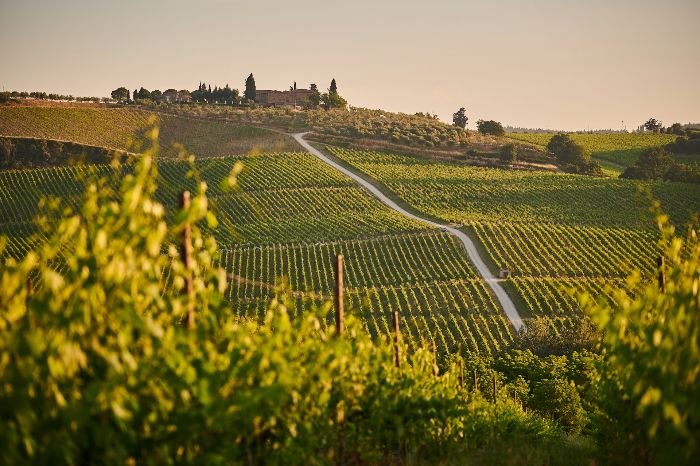
Site conditions decide whether a grapevine can ripen fruit, survive winter, and resist disease pressure. For starting a vineyard, property location comes first because environment shapes long-term viability. For a home grower, market may not matter. Environment still does.
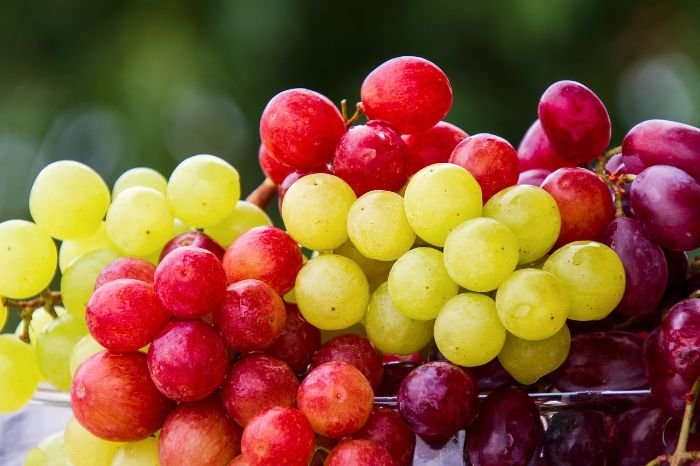
Grapes need full sun to ripen fruit well. Growing grapes in a home garden also depends on good air circulation and avoiding frost pockets where cold air settles overnight. A low flat spot that looks convenient in June can punish vines in April if cold air pools there and burns new shoots.
Look for at least 6 to 8 hours of direct sun, open airflow, and soil that drains after rain. Morning sun helps foliage dry sooner, which matters in humid regions where black rot, downy mildew, and powdery mildew become routine problems. A gentle slope can help cold air drain away. A steep slope may create erosion, equipment, and irrigation problems for a beginner.
Soil should be tested before planting. Many home grape plantings target a soil pH around 5.5 to 6.5, while some regional guidance places grape performance closer to pH 5.0 to 6.0. The exact target depends on local soil, grape type, and regional recommendations, so use your soil test as the starting point.
Drainage deserves its own check. Dig a test hole after a real rain. If the lower soil is cold, gray, slick, and sour-smelling the next day, roots will start in low oxygen. Soil for grape vines matters most before posts and vines lock the row in place.
Grape Variety Selection – Wine, Table, Juice, And Region Come Before Names
Beginners often ask for “the best grape.” Grapes do not work that way. The right grape is the one that ripens in your season, survives your winter, tolerates your disease pressure, and matches what you want to do with the fruit.
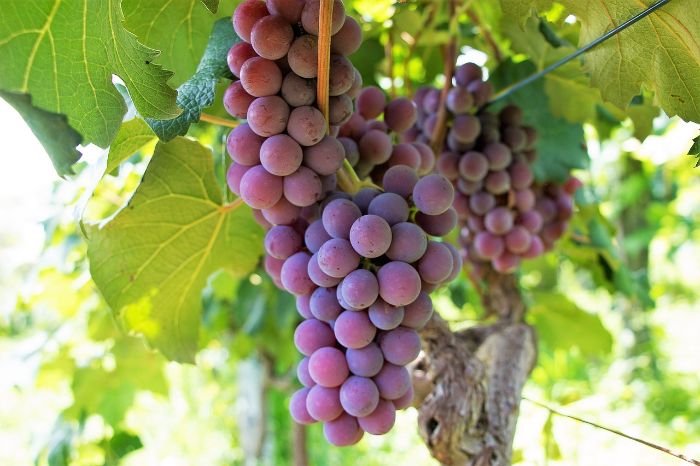
Growing grapes for beginners starts with broad grape groups such as European, American, and hybrid types. Other home-garden categories include fox grape, muscadine, and European wine grape, with European wine grapes requiring more specialized site, pruning, and pest management knowledge. For beginners, cultivar appeal must be filtered through climate, disease pressure, and management level.
In humid regions, disease tolerance belongs beside flavor and hardiness, because black rot, downy mildew, and powdery mildew can decide whether a beginner row stays manageable.
| Grape Lane | Best Use | Beginner Strength | Main Risk |
|---|---|---|---|
| Seedless table grapes | Fresh eating | Easy household use and kid-friendly harvest | Some need winter protection or disease care in colder regions |
| American bunch grapes | Juice, jelly, fresh eating, some wine | Often more winter-hardy and forgiving | Slipskin texture and strong flavor do not suit every table grape goal |
| French-American hybrids | Wine in colder or humid regions | Better regional fit than many vinifera types | Disease and crop load still need management |
| European wine grapes | Classic wine styles | High sugar and familiar wine identity | Cold injury and disease pressure can be high outside suitable sites |
| Muscadines | Fresh eating, juice, jelly, southern wine | Good heat and southeastern adaptation | Not reliably hardy in colder northern sites |
How To Choose Your First Grape Variety
- If you want fresh eating, start with a seedless table grape that local extension sources rate for your winter lows and disease pressure.
- If you want juice or jelly, look first at American bunch grapes with a strong regional track record.
- If you want beginner wine grapes in a cold or humid region, compare French-American hybrids before famous European wine names.
- If you want classic vinifera wine grapes, choose them only when climate, disease pressure, season length, and management time all fit.
- If you garden in the Southeast, include muscadines in the search before forcing northern bunch grapes into a hot, humid site.
Beginner Grape Variety Examples To Research Locally
Use these examples as research starting points, not national prescriptions. Local extension recommendations override any national list because grape performance changes with winter lows, humidity, soil, and disease pressure.
Order only after winter hardiness, disease resistance, chill needs, and ripening season match your local extension guidance.
- Table grapes: Canadice, Himrod, Jupiter, Mars, Reliance, Vanessa
- Juice and jelly grapes: Concord, Niagara, Bluebell
- Cold-climate wine hybrids: Marquette, Frontenac, La Crescent, St. Croix
- Hybrid wine grapes for many eastern sites: Chambourcin, Seyval Blanc, Vidal Blanc, Vignoles
- Muscadines for suitable southern sites: Carlos, Noble, Cowart, Nesbitt, Scuppernong-type selections
For a beginner table-grape row, seedless varieties with local extension support usually make the most sense. For a beginner wine row in a cold or humid region, hybrid wine grapes often forgive more than vinifera. For a warm southern site, muscadines may be more realistic than forcing northern bunch grapes into the wrong climate.
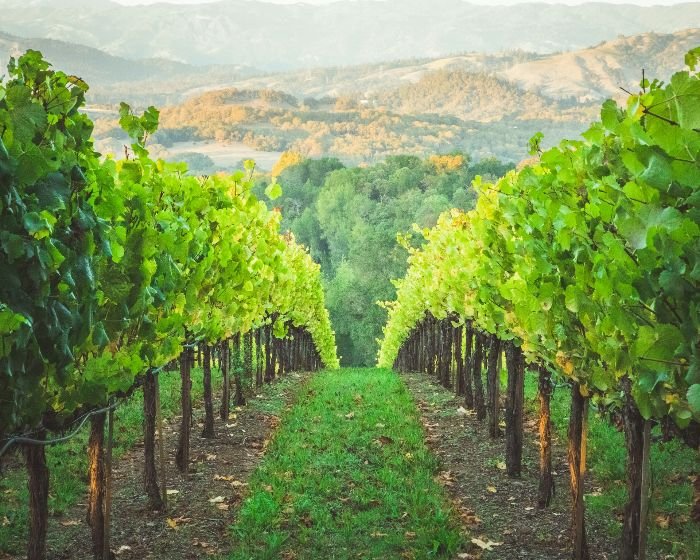
Think about the harvest you will actually use. Table grapes need texture, sweetness, seedlessness for many families, and clusters that are pleasant fresh. Wine grapes need ripeness, acid balance, tannin or aroma goals, and enough crop to justify fermentation. Juice and jelly grapes can handle stronger flavor and seeds because processing changes the experience.
Regional variety lists matter more than national rankings. If a local extension program or reputable nursery keeps repeating a short list for your area, pay attention. It usually reflects years of winter injury, disease, ripening, and grower feedback that a glossy catalog cannot see.
Vineyard Layout And Trellis – Build The Structure Before The Vine Needs It
Grapes are vines, not freestanding shrubs. A trellis acts as the frame for canopy height, fruit-zone exposure, airflow, pruning access, and harvest movement.
Home grape spacing often falls around 6 to 8 feet between vines. Growing grapes in the home garden usually needs enough space for each vine to develop without crowding, while some guidance separates hybrid and American grapes at about 8 feet apart and European varieties at about 6 feet apart. Use those ranges as a starting point, then check the expected vigor of your chosen cultivar.
How Much Space Does A Beginner Vineyard Need?
One grapevine can teach pruning, training, and harvest timing. Six to twelve vines give a beginner a real learning row without turning every pruning mistake into a large block problem.
- Plan about 6 to 8 feet between vines, then adjust for cultivar vigor and local guidance.
- Leave row access for pruning, mowing, netting, spraying, and harvest.
- Keep the first planting small enough that every vine gets watched through the full season.
- Delay expansion until you understand your site’s disease pressure, winter injury, and pruning workload.
Row orientation depends on the site, slope, wind, and access. North-south rows often help distribute light across both canopy sides in open ground. On slopes, erosion control and equipment movement may matter more than ideal compass alignment. In a backyard, leave room to prune, mow, net fruit, and carry clusters out without stepping into the vine base.
The support system should follow the grape. American and many hybrid grapes often work well on high-wire or curtain systems because shoots can droop. Many vinifera wine grapes are commonly trained in vertical shoot positioning where shoots are managed upward between wires. Training grape vines should match the vine’s growth habit before the canopy becomes permanent. Beginners should decide the general structure before planting or during the first year.
Good trellis hardware feels overbuilt when the vines are young. It feels normal when trunks thicken, shoots run, and clusters hang in late summer. Use sturdy end posts, tight wire, and enough bracing. A sagging trellis turns pruning into repair work.
Planting And First-Year Care – Roots, Water, And Trunk Training Come First
The first season should build roots, trunk selection, and clean shoot growth. Remove the idea of a first-year harvest from the plan and the work becomes easier to understand.
Plant dormant bare-root vines in early spring in cold regions after the worst freezing risk has passed. Soak bare roots for several hours or overnight, trim broken or long roots, spread the root system in a wide hole, and water immediately after backfilling. That first watering settles soil around roots and removes air pockets.
Plant at the correct depth for the vine type and nursery instructions. Grafted vines need the graft union kept above the soil line. Own-rooted vines have different handling. If the nursery tag is unclear, ask before planting. A buried graft can root from the scion and defeat the reason the vine was grafted.
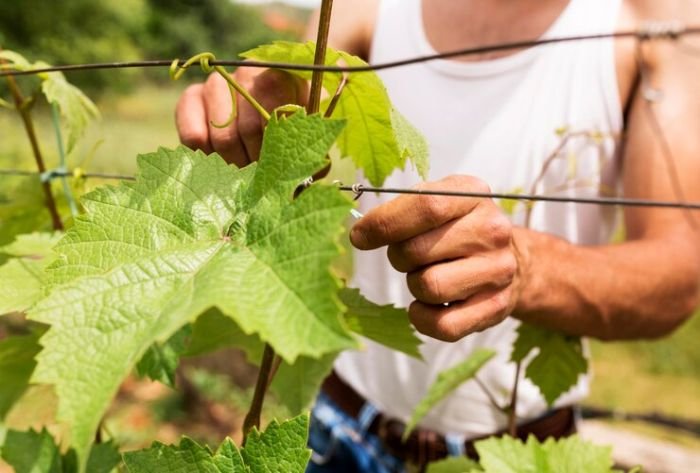
After planting, choose the strongest shoot to train upward and remove weak competing growth when appropriate. Tie gently to a stake. The tie should hold the shoot upright without cutting into it. New grape shoots feel smooth, green, and almost brittle early in the season; rough handling snaps them faster than most beginners expect.
Water deeply enough to reach the young root zone, then let the soil breathe. Young vines cannot handle long drought, and they also dislike saturated soil. Watering grape vines should support deep root development after planting, not surface dampness.
Pro Tip: Mark the strongest shoot with a loose colored tie before you start removing extras. Beginners often cut first and decide second. With grapevines, that habit can remove the shoot you needed for the future trunk.
First Three Years Of Grape Growth – When A Vineyard Becomes Productive
A new vineyard becomes useful in stages. Year one builds roots and a trunk candidate. Year two builds the permanent framework. Year three may carry the first crop. Establishing a grape planting normally takes about three years, and the first full crop often waits until the fourth or fifth year. In some home grape plantings, a light first crop may appear around year three.
That timeline protects the vine. A young plant asked to carry fruit too soon spends energy on clusters at the expense of structure. The result can be weak trunks, poor cane development, and a vineyard that looks productive one season and thin the next.
| Year | Main Goal | What To Prioritize | What To Avoid |
|---|---|---|---|
| Year 1 | Root growth and trunk selection | Water, weed control, one strong shoot, gentle tying | Letting fruit clusters drain the young vine |
| Year 2 | Permanent trunk and cordon or cane framework | Trellis wire, training cuts, balanced shoot growth | Allowing a tangled bush to form at the base |
| Year 3 | Light first crop and canopy balance | Moderate crop load, pest scouting, pruning discipline | Keeping every cluster because the vine finally fruited |
| Year 4+ | Reliable production | Annual dormant pruning, renewal wood, harvest timing | Skipping pruning because the vine looks healthy |
Pruning is where many beginner vineyards mature or drift. Grapes fruit on young wood, and old tangled growth eventually shades the fruiting zone. Pruning grape vines should keep renewal wood, light, and fruit-zone access in balance. Train first, crop second, renew wood every year.
Beginner Vineyard Readiness Check – Fix These Problems Before Planting
A good beginner vineyard plan should reveal problems before money goes into vines. The most expensive mistake is planting a permanent crop into a site or system that cannot match the grape.
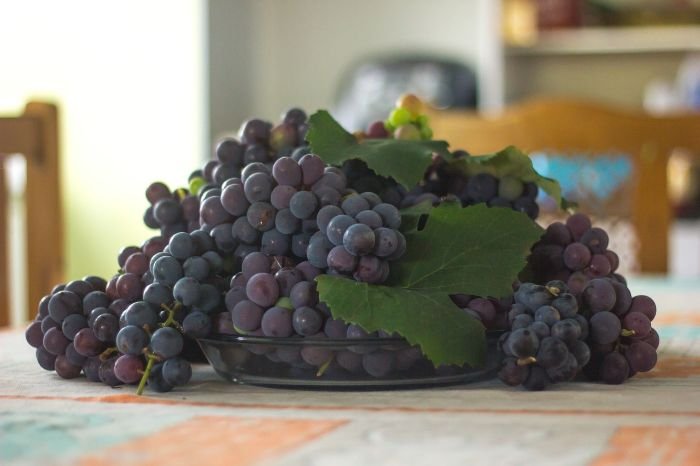
Check these problems before ordering vines, setting posts, or amending rows.
| Red Flag | What It Means | Better First Move |
|---|---|---|
| The site gets less than 6 hours of direct sun | Fruit ripening and cane maturity may stay weak | Move the row or choose a different fruit crop |
| Cold air settles there on spring mornings | New shoots and flower clusters face frost damage | Choose a higher spot or later-budding grape type |
| Water sits after rain | Roots may start with low oxygen and disease pressure | Improve drainage before planting or abandon that row |
| You want wine grapes from a famous warm region | The cultivar may not ripen or survive locally | Start with locally tested hybrids or regional wine cultivars |
| The trellis is planned after planting | Training decisions get rushed once shoots grow | Install posts and wire during the first year |
| Nearby weeds or turf reach the vine base | Young vines compete for water and nutrients | Clear a clean strip before planting |
| Humid weather is normal in your region | Disease prevention becomes part of grape growing | Choose tolerant cultivars and plan canopy airflow early |
Disease and canopy management belong in the plan from year one. Black rot is widespread in grapes and can reduce yields heavily. Disease tolerance, sanitation, canopy airflow, pest scouting, and spray planning all shape a successful grape planting. For a lower-input site over time, organic vineyard practices should shape row design early, not after disease has settled in.
A first vineyard should be honest before the vines make the decision permanent.
Conclusion
Starting a vineyard depends on making the right permanent choices in the right order. Use comes first, then climate, site, soil, grape type, trellis, and training. When those pieces match, the first three years have a clear job.
If the site is sunny, drained, locally matched, and supported before the vine needs support, the vineyard can move from bare-root sticks to trained wood to useful clusters without constant rescue. A good first row looks almost plain: clean soil, straight trunks, taut wire, open air, and vines that are being trained for the harvests still ahead.
FAQ
How many grapevines do I need to start a small vineyard?
Six to twelve vines are enough for a beginner to learn pruning, training, watering, and harvest timing without creating a maintenance burden. One vine can teach the basics. A small row gives you a clearer read on variety performance and site differences.
What is the difference between wine grapes and table grapes?
Wine grapes are usually smaller, often seeded, and chosen for sugar, acid, skin, tannin, aroma, and fermentation quality. Table grapes are chosen for fresh texture, sweetness, berry size, seedlessness, and pleasant skin. A grape can be edible fresh and still be a poor wine grape, or make useful wine and feel disappointing as a snack.
Can you grow wine grapes in a backyard?
Yes, if the cultivar matches the climate and you are willing to prune, train, and manage disease. Backyard wine grapes need full sun, airflow, a real trellis, and enough ripening season to reach flavor and sugar goals. In many cold or humid regions, hybrid wine grapes are a better beginner choice than classic vinifera names.
What happens if I plant the wrong grape variety?
The vine may live for years and still fail the goal. A poorly matched grape can ripen late, suffer winter injury, crack in humid weather, produce weak wine, or taste wrong for fresh eating. Because mature grapevines are hard to move, replacing the vine is often cleaner than trying to force the wrong cultivar to behave.
Do grapevines need a pollinator?
Most common grape cultivars are self-fruitful, so you usually do not need a second cultivar for pollination. That does not remove the need for good bloom weather and vine health. Poor fruit set is more often tied to cold, rain, weak vines, disease, or crop stress than a missing pollinator partner.
How long before a new vineyard produces grapes?
A light crop may appear in the third year, and a fuller crop often takes four or five years. The exact timing depends on vine vigor, cultivar, winter injury, training system, and whether the grower removed early clusters to build structure. Strong young wood matters more than rushing the first harvest.
What is the biggest beginner mistake when starting a vineyard?
The most common mistake is buying vines before proving the site. Sun, drainage, winter lows, frost risk, pH, and disease pressure should narrow the grape choices before a nursery order is placed. Famous cultivar names are tempting. Local fit decides whether the vineyard becomes productive.
Should beginners buy bare-root or potted grapevines?
Bare-root dormant vines are a good choice for spring planting when purchased from a reputable nursery and handled before roots dry out. Potted vines can work well if they are healthy, not root-bound, and planted before heat stress builds. Disease-free nursery stock matters more than the container type.