


Updated April 14, 2026
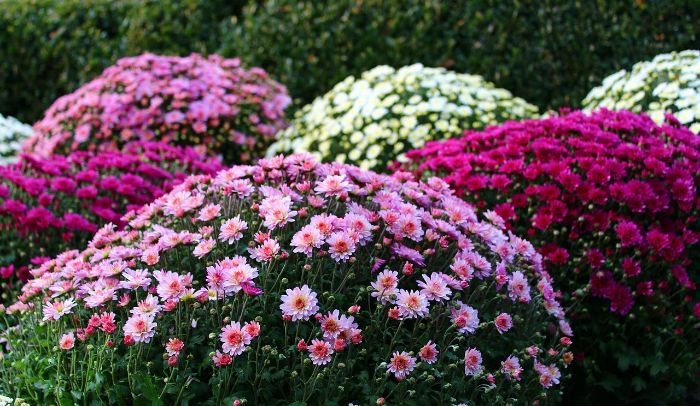
Chrysanthemums bloom better when you stop treating every cut as the same job. Pinching in late spring builds more flowering stems. Deadheading during bloom keeps the plant tidy and helps the next buds keep opening. Post-bloom cutback resets the plant for winter or storage without weakening the crown.
On chrysanthemums, “continuous blooms” means a fuller flowering sequence across late summer and fall. Expect the display to build, peak, and taper across that window. The biggest flower-losing mistake is late pinching, because it removes the exact stems that were about to carry autumn buds.
Remove soft tips early, remove spent flowers during bloom, and save heavier cleanup for after flowering. When the timing is right, chrysanthemums branch harder, hold shape better, and flower over a longer window.
Key Takeaways:
- Pinch young chrysanthemums in early summer to build more flowering stems
- Stop pinching by mid-summer, or earlier once flower buds start forming
- Deadhead spent blooms to the next healthy leaf, bud, or side shoot
- Use disbudding only when you want fewer, larger flowers
- Separate summer shaping from fall cutback so you do not lose next season’s crown
Table of Contents
Pinching, Deadheading, Disbudding, And Cutback Do Different Jobs On Chrysanthemums
Pinching, deadheading, disbudding, and cutback affect chrysanthemum bloom timing in different ways. For a longer fall display, pinching and deadheading do most of the work during the active season. Cutback belongs after flowering has already finished.
| Technique | When to use it | What you remove | Main result |
|---|---|---|---|
| Pinching | Late spring to early or mid-summer | Soft shoot tip | More branching, more flowers, shorter sturdier plants |
| Deadheading | As flowers fade | Spent bloom and its stalk back to a live node | Cleaner display and a longer flowering sequence |
| Disbudding | After buds form and are easy to handle | Selected side buds or central buds | Larger individual flowers, or a more even spray |
| Cutback | After flowering or during winter prep | Old stems | Cleanup, storage prep, or renewal for next season |
Pinching, deadheading, disbudding, and cutting back are separate pruning techniques because they push plant energy in different directions. Pinching can produce more flowers, disbudding can shift energy toward fewer larger blooms, and seed formation often slows flowering.
Pinch Chrysanthemums Early If You Want Bushier Plants With More Flowering Stems
For hardy garden mums, the shaping work starts when the stems are still soft and actively growing. In early summer, pinch the main growing point once young chrysanthemum plants reach about 20cm tall. You can keep pinching side shoots as they grow until about mid-summer. That timing matters because every pinch trades early height for side branching and more future flower sites.
The cut itself is simple. Remove the soft shoot tip just above a pair of leaves with thumb and forefinger or the tip of clean secateurs. New side shoots break below the pinch, and each of those shoots can set buds later. Plants stay denser, carry flowers more evenly, and hold shape with less flopping.
Staggered pinching can extend the opening sequence slightly. Pinch one-third of the stems, then repeat that over the next two weeks so different stems reach bloom at slightly different times. This only works when you start early enough and spread the pinching across the whole plant.
The stems you pinch should still be soft enough to snap or cut cleanly. Once growth turns firmer and budded, shaping shifts from pinching to simple cleanup. Fall mums sold already flowering at garden centers are usually being used for instant color, so heavy pinching at that stage does not help the current display and can leave the plant looking chopped without producing useful new flowers.
Strong stock from the right chrysanthemums for your garden and proper planting chrysanthemums for outdoor beds and containers give pinching a better foundation. Pinching cannot fix a cultivar that is wrong for the space or a plant already sold in full bud for instant fall color.
Pro Tip: Pinch all stems at once if you want a uniform rounded plant. Pinch in thirds over two to three weeks if your goal is a wider opening window in fall.
Deadhead Spent Chrysanthemum Flowers To Keep The Bloom Sequence Opening Cleanly
Deadheading is bloom-season cleanup. The moment a flower fades, browns, or starts collapsing after heat or rain, remove it back to the next healthy leaf, bud, or side shoot. Deadheading matters because seed formation tells many flowering plants their reproductive job is done. On chrysanthemums, that usually means the display looks tired sooner and the plant spends energy in the wrong place.
On large-flowered mums, follow the spent bloom down the stalk and cut just above a live node. On spray mums, remove individual faded flowers when only a few have passed. Once the whole spray is spent, remove the full cluster to a strong side shoot. Take the flower and its stalk, not just the petals, so the plant stays tidy and the next buds have space to open.
Deadheading technique depends on the plant’s growth habit. That matters on chrysanthemums because gardeners often pinch off the dry flower head and leave a stub behind. The plant looks half-cleaned, the seed stalk stays in place, and soggy brown material can linger after rain.
Observation: Chrysanthemum deadheading often fails when gardeners remove only the faded petals. The flower stalk stays, the plant keeps a cluttered top, and the next buds open into a crowded, damp canopy that looks tired faster than it should.
Deadheading works best as a regular bloom-season pass. A few minutes every several days during peak flowering keeps new buds visible, keeps older stems from cluttering the canopy, and helps the display move forward in a cleaner sequence.
Stop Pinching On Time To Protect The Fall Bloom Sequence
Early summer pinching builds branching. Late summer pinching removes flower-bearing tips. Once midsummer arrives, let the plant shift from vegetative growth to bud set. In many gardens that means stopping by early July in cooler climates and by mid-July in milder ones. If rounded flower buds are already visible, the pinching window is over.
Late shearing is especially damaging on mums because the plant may answer with fresh green shoots and almost no useful flowering time before frost. That is why plants can look lush in September and still disappoint in October.
Disbudding is different from pinching and deadheading. It is mainly used when flower size or spray shape matters more than maximum bloom count. On spray chrysanthemums, removing the large central bud can produce a more even spray of flowers. On single-flowered chrysanthemums, removing side buds and keeping the terminal bud directs energy into one much larger bloom. If your goal is a fuller garden display, leave most buds in place. Save disbudding for exhibition-style flowers, cut flowers, or a smaller number of larger heads.

For a longer bloom run, stop tip removal once buds start setting, then limit later cuts to cleanup only. That keeps the plant’s late-season flower schedule intact.
Flower form matters here: chrysanthemum varieties and types for garden flower beds differ in whether sprays, singles, or other forms should be left intact or selectively thinned. The more accurately the bloom type is read, the cleaner the decision becomes on whether to keep every bud or thin some out.
Cut Back Chrysanthemums After Flowering Without Weakening Next Year’s Growth
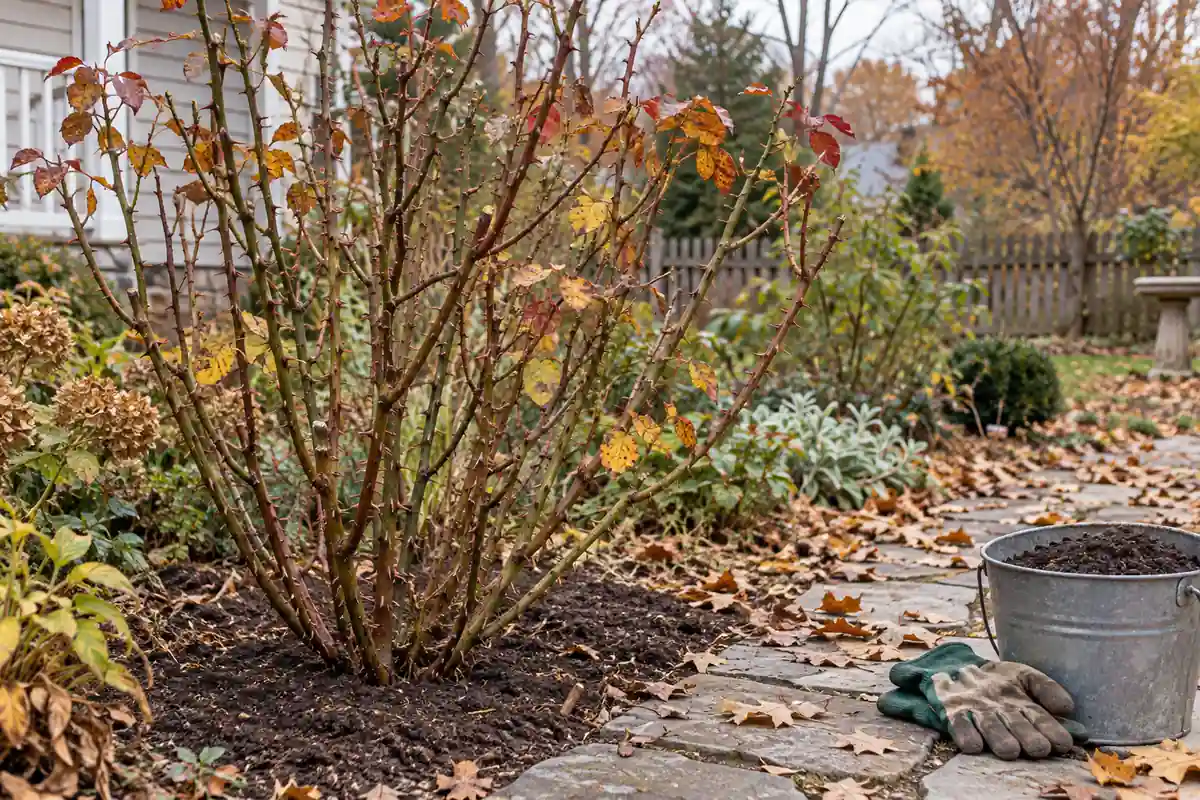
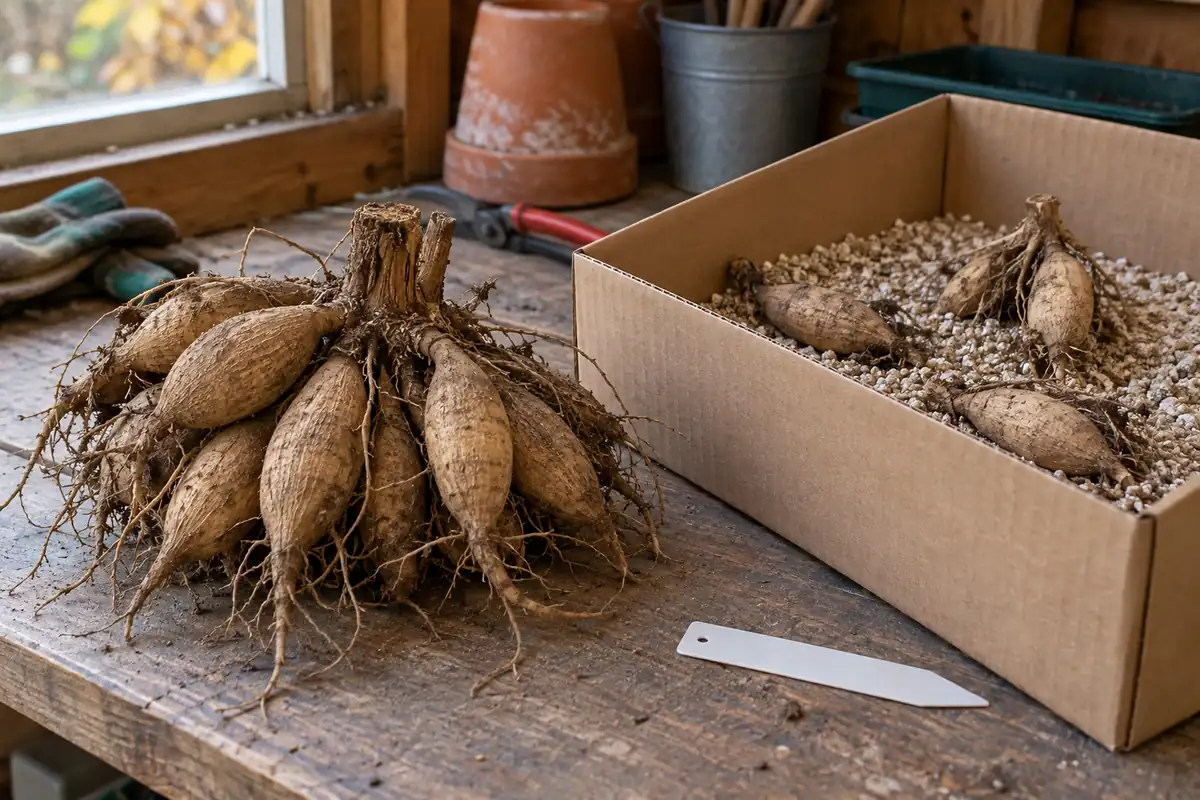
Post-bloom cutback belongs after the bloom sequence ends. Use it for cleanup and winter prep. After flowering finishes, remove remaining deadheads, weak stems, and any damaged growth. If you are lifting stools for winter storage, shorten stems to about 20cm before lifting and storing them in cool frost-free conditions. That makes the plant easier to handle and keeps the crown from dragging around a heavy top.

If hardy garden mums are staying in the ground, focus on crown protection and drainage. Beds that stay wet through winter do more harm than stems left standing for a little longer. Soil preparation for growing chrysanthemums matters here because winter loss often starts below ground, not at the faded top growth.
When disease is present, cleanup becomes more important. Dispose of infected stems and fallen debris instead of leaving them crowded around the base. Keep the plant watered properly during recovery periods too, because new shoots formed after pinching or after seasonal cleanup respond poorly to repeated dry stress. The ongoing care pattern from watering chrysanthemums through the season stays relevant even when pruning is the main topic.
Mulch helps only when it protects the root zone without burying the crown under a wet blanket. Keep winter mulch around the plant, not packed tightly over the center, and clear worn stems before new spring shoots are forced to push through a dense mat of old material.
Mistakes That Shorten The Chrysanthemum Bloom Season
Pinching too late and deadheading too shallowly are the main timing and cleanup errors. After that, most bloom problems come from care decisions that weaken recovery after pruning.
- Late pinching removes fall flower sites and delays the show into colder weather.
- Deadheading only the petals leaves seed stalks and cluttered growth behind.
- Heavy nitrogen late in the season can push leafy growth at the expense of bud development, which is why the feeding approach in fertilizing chrysanthemums for stronger flowering needs to stay balanced.
- Dry stress right after pinching or cutback slows regrowth and reduces bud count.
- Blanket shearing during bloom can remove open flowers, hidden buds, and the natural shape all at once.
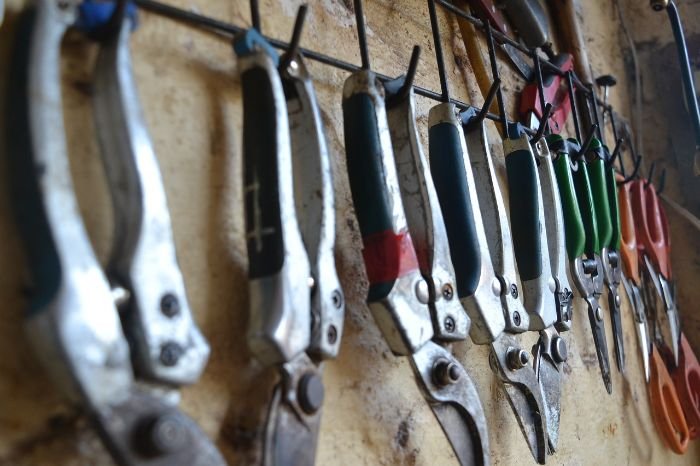
- Poor tool choice or rough cutting creates the same ragged damage seen in common pruning mistakes and how to avoid them.
A longer chrysanthemum display usually comes from restraint. Shape early, clean up regularly, stop cutting when buds are setting, and leave the plant enough healthy growth to finish the season with energy still in reserve.
Conclusion
Pruning and deadheading chrysanthemums for longer bloom is mainly a timing problem. Pinch young plants early enough to build branching. Deadhead spent flowers back to live nodes through bloom season. Stop tip removal once bud set begins, and use disbudding only when larger flowers matter more than a fuller display.
Then finish the cycle cleanly. Cut back for storage or winter cleanup at the right season, keep the crown out of soggy soil, and support regrowth with measured water and feed. With that timing, chrysanthemums stay fuller, tidier, and more floriferous through the part of the year when they matter most.
FAQ
When should I pinch chrysanthemums?
Pinch hardy garden chrysanthemums in late spring or early summer once shoots reach about 15 to 20cm tall. Continue only through the vegetative stage and stop by mid-summer, or earlier once buds start forming.
Do chrysanthemums rebloom after deadheading?
Deadheading can extend the flowering sequence and keep later buds opening cleanly, especially on garden mums that bloom over several weeks. It does not turn chrysanthemums into nonstop spring-to-frost bloomers.
What happens if I pinch mums too late?
Late pinching removes the tips that were about to set or carry fall flowers. The plant may answer with fresh green growth and a much weaker autumn display.
Should I deadhead chrysanthemums all through fall?
Yes, as long as the plant is still opening new flowers and the weather is not ending the display. Remove faded blooms regularly until flowering is clearly finished.
What is disbudding on chrysanthemums?
Disbudding means removing selected side buds or central buds so the plant directs more energy into the buds left behind. It is used for larger single blooms or more even sprays, not for the fullest garden display.
Should I cut chrysanthemums to the ground for winter?
If you are lifting stools for storage, shorten stems first. If hardy garden mums are staying in the ground, many gardeners wait until the season is finished and then clean them up with crown protection and winter drainage in mind.
Can I prune florist mums the same way as hardy garden mums?
Florist mums sold in full fall color are usually already timed and shaped for immediate display. Heavy pinching on those plants is rarely useful in the current season.
Do potted chrysanthemums need deadheading differently?
The technique is the same, though containers dry faster and stressed plants show decline sooner. Remove spent flowers to a live node and keep water and feeding even so the plant can keep opening the buds it already formed.