
Last Updated June 04, 2026
A mixed food bed can look busy in a good way: tomato stems tied to twine, basil tucked at the sunny edge, calendula flowers opening beside lettuce, radish tops marking a row that would otherwise be invisible. The trouble begins when every plant gets added because a chart called it a “friend.” Crowded roots, mismatched watering, and shared pests turn a clever-looking bed into a weak one.
Companion planting means growing two or more crops close enough for one plant to change conditions around another. That change might involve scent, shade, root depth, soil cover, pollinator visits, nitrogen cycling, or physical support. A useful pairing does a job in the bed. A poor pairing only fills space.
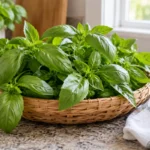
Food gardens need that distinction. Tomatoes do not become healthier because basil sits nearby like a charm. Basil earns its place when it fits the same light and moisture pattern, stays inside its mature width, flowers late enough to feed small beneficial insects, and leaves enough airflow around tomato leaves after rain. The pairing works when the whole bed works.
Key Takeaways
- Companion planting works best when each partner has a clear garden job.
- Pair crops by timing, mature size, root depth, water need, pest pressure, and harvest date.
- Herbs and flowers help most by feeding beneficial insects, masking crop odors, or drawing pests away from the main crop.
- Legumes fix nitrogen for their own growth first; more nitrogen reaches nearby crops after roots and residues break down.
- Avoid crowded beds, shared disease hosts, aggressive herbs, and pairings with opposite water needs.
- Record what happened in your own beds because climate, soil, and local pest pressure change the result.
Table of Contents
Companion Planting Basics – Pair Crops By Garden Job
The simplest way to understand companion planting is to stop asking whether two plants are friends. Ask what one plant changes for the other. In a food garden, the useful answers are physical and measurable: a taller crop casts afternoon shade, a low crop covers bare soil, a flowering herb feeds hoverflies, a legume leaves nitrogen-rich roots behind, or a trap crop takes pest pressure before the main crop is badly damaged.
Those jobs come from real mechanisms. Volatile organic compounds from aromatic leaves change the scent pattern insects use to locate host plants. Different root shapes draw water and nutrients from different soil layers. Leaf canopy changes soil temperature and evaporation. Rhizobium bacteria inside legume root nodules convert atmospheric nitrogen into plant-usable forms, though that nitrogen is not an instant fertilizer for the neighbor.
Companion planting also depends on distance. Six feet from a squash hill, calendula still feeds insects in the area. Basil crowded against a tomato stem reduces airflow right where fungal spores need damp leaves. Pole beans need corn planted early enough to hold the vine. Timing decides whether the relationship works.
Choose The Right Companion By Garden Job
Choose the companion by the job you need done in that bed. A hot pepper row might need low flowers for beneficial insects. Spring lettuce might need later shade from tomatoes or pole beans. Squash hills might need open flowers nearby and enough bare access for harvesting. The crop’s problem should choose the partner.
Detailed plant partnership mechanisms matter most when a pairing sounds too easy. If the claim does not involve scent, roots, shade, support, soil cover, pollination, beneficial insects, or pest behavior, treat it as unproven until your own bed shows a result.
| Garden Job | Plant Partner Type | How It Helps | Check Before Planting |
|---|---|---|---|
| Save space | Fast, shallow crop near a slower crop | Radishes, lettuce, or spinach finish before tomatoes, peppers, or corn fill the bed | Will the early crop be harvested before shade gets dense? |
| Reduce bare soil | Low, spreading crop | Squash, strawberries, or low herbs shade soil and limit weed germination | Will the spreading crop smother seedlings or block harvest access? |
| Feed beneficial insects | Small-flowered herbs and annual flowers | Sweet alyssum, dill, cilantro, calendula, and yarrow feed tiny wasps, hoverflies, and pollinators | Will flowers be present when pest pressure rises? |
| Distract pests | Trap crop or sacrificial edge planting | Nasturtiums, mustard, or blue hubbard squash draw certain pests away from a crop worth protecting | Will you inspect and remove the trap crop before pests move back? |
| Change microclimate | Taller crop near heat-sensitive greens | Tomatoes, pole beans, corn, or trellised cucumbers shade lettuce during hot afternoons | Does the shaded crop still get enough morning light? |
| Use vertical structure | Climber with a sturdy upright plant or trellis | Pole beans climb corn, sunflower, or a built support without taking more bed width | Is the support strong before the vine reaches it? |
Companion Planting Benefits – What Changes In A Food Bed
The best companion planting benefits are modest, practical, and cumulative. A mixed bed will not erase every pest or turn poor soil into rich loam in one season. It does change how insects search, how soil stays covered, how water leaves the surface, how roots occupy the bed, and how many flowers are open for pollinators and natural enemies.
Pest Pressure Changes When Insects Meet Mixed Signals
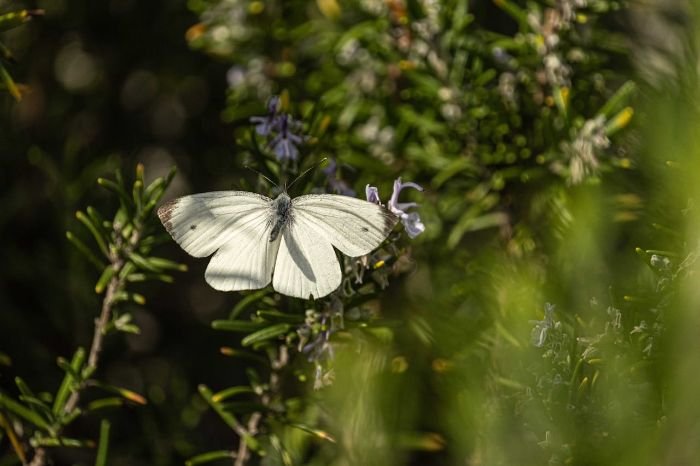
Many crop pests locate food by scent, color, leaf shape, and landing cues. A row of identical cabbage plants gives cabbageworms a simple target. A bed broken with onions, thyme, nasturtiums, sweet alyssum, or dill gives insects a more complex set of signals. The leaves look different, the scents overlap, and the insect has to land and test more surfaces before finding the host crop.
For pest-prone brassicas, diversity matters. Three or more species together can reduce flea beetle damage better than a single trap crop when the planting changes the pest’s search pattern. Bed diversity gives insects a harder search pattern than one magic plant.
Stand beside a brassica bed after a cool rain and the reason becomes visible. A monocrop row holds one texture and one green tone from end to end. A mixed strip has waxy kale leaves, feathery dill, low alyssum flowers, and onion blades that squeak slightly when brushed. The scent changes under your hand. Insect behavior changes with it.
Soil Cover Protects Moisture And Root Zones
Bare soil heats quickly and loses moisture through evaporation. A living canopy slows that loss. Lettuce under young tomatoes, squash around corn, or low herbs along a pepper edge shade the surface and reduce the crust that forms after hard watering. Push a finger into covered soil on a hot afternoon and it feels cooler, with a faint damp resistance and no warm grit.
Root depth matters here. Carrots, radishes, lettuce, tomatoes, corn, beans, and squash do not explore the soil in the same pattern. Bean roots and corn roots use different layers, and corn can also give pole beans a structure to climb. Pairing different root structures lets a bed use more of the profile.
Pollination Improves When Flowers Stay Open All Season
Squash, cucumbers, melons, berries, and many fruiting crops depend on insect visits. A vegetable bed that blooms only when the crop blooms has gaps. Flowers such as calendula, borage, sweet alyssum, cilantro, dill, buckwheat, cosmos, and zinnias keep nectar and pollen available across more weeks.
Small flowers are especially useful for small beneficial insects. Hoverflies, lacewings, minute pirate bugs, and parasitoid wasps need shallow flowers they can access with short mouthparts. Insectary flowers can increase the number of pollinators and natural enemies working around crops. In a home bed, leave some herb flowers to feed insects before every plant is cut for leaf production.
Reliable First Pairings For Home Gardens
Reliable companion pairings show their value in the bed through timing, shade, flowers, root depth, support, or pest behavior. Green-and-red charts become more useful when each crop pair has a visible job and a spacing rule.
The classic Three Sisters planting, corn, pole beans, and squash, shows companion planting at its clearest. Corn gives vertical support, beans climb and fix nitrogen for their own growth first, and squash shades open soil. The system works only when corn is established before beans climb and squash has enough room to spread without burying young plants.
| Main Crop | Good Companions | Garden Job | Spacing And Timing Note |
|---|---|---|---|
| Tomatoes | Basil, calendula, sweet alyssum, carrots, chives | Flower support, scent diversity, early root-zone use | Keep basil 12 inches from tomato stems and prune lower tomato leaves for airflow |
| Peppers | Basil, onions, parsley, marigolds, spinach | Shared warmth, low competition, beneficial insect flowers | Use low companions so pepper leaves still receive full sun |
| Cucumbers | Dill, nasturtiums, radishes, beans, corn, sunflowers | Pollinator food, trap cropping, vertical support | Give cucumbers a trellis; avoid letting nasturtiums climb through the crop |
| Carrots | Radishes, lettuce, onions, leeks, rosemary | Row marking, early harvest, scent diversity | Harvest radishes before carrot roots need shoulder room |
| Brassicas | Dill, cilantro, sweet alyssum, onions, nasturtiums, thyme | Beneficial insects, trap cropping, mixed scent pattern | Place flowers at edges so cabbage heads keep airflow |
| Corn | Pole beans, squash, pumpkins, cucumbers | Support, soil cover, bed-layering | Plant corn first; beans need a sturdy stalk before they climb |
| Lettuce | Radishes, chives, carrots, tomatoes, pole beans | Fast harvest, summer shade, living soil cover | Use afternoon shade in warm weather; avoid deep shade early in spring |
| Beans And Peas | Corn, carrots, cucumbers, radishes, lettuce, squash | Nitrogen fixation, vertical use, shade sharing | Keep onions, garlic, leeks, and chives out of the same root zone |
Crop-specific companion plants for vegetables should be chosen after the main crop’s job is clear. Match the partner to timing, spacing, pest pressure, or harvest access before refining the exact plant choice.
Combinations To Avoid
| Combination To Avoid | Main Problem | Better Placement Rule |
|---|---|---|
| Beans or peas with onions, garlic, leeks, or chives | Alliums can interfere with legume growth in the same root zone | Keep legumes and alliums in separate rows or beds |
| Tomatoes with potatoes | Shared disease pressure, especially blight risk | Separate nightshade crops and rotate by plant family |
| Fennel with most vegetables | Fennel suppresses many nearby crops and self-seeds easily | Grow fennel in its own container or isolated bed |
| Mint with vegetable rows | Runners spread under mulch and invade crop space | Keep mint in a pot, even when used near pest-prone areas |
| Dryland herbs with thirsty greens | Opposite water and soil needs weaken one side of the pairing | Separate rosemary, sage, thyme, lavender, and oregano from lettuce, celery, and moisture-hungry annuals |
| Large cucurbits beside small crops | Squash, pumpkins, cucumbers, and melons can smother lower plants | Give vines a trellis, edge position, or dedicated spread zone |
Planting Layout – Build Beds Around Timing And Space
Layout decides whether a companion pairing succeeds. A plant that helps at the right distance becomes a problem when it sits in the wrong layer. The first crop in the plan should be the crop that needs the most space, the longest season, or the strongest structure. Everything else fits around that crop’s mature size.
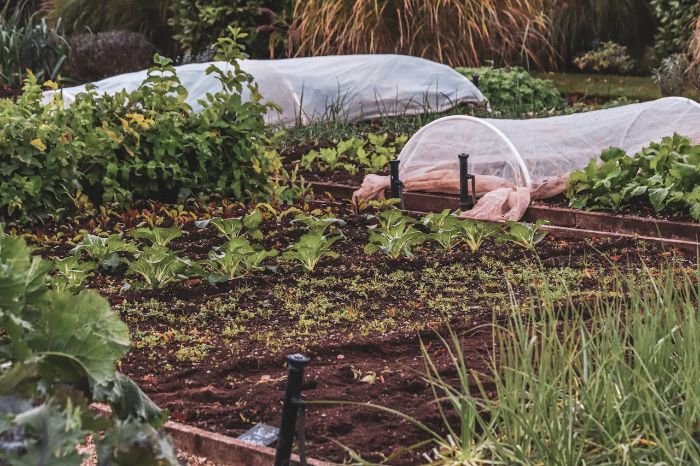
In a 4 by 8 foot raised bed, tomatoes or peppers belong on the north side in most U.S. gardens so they do not shade the whole bed. Basil sits in pockets where sun reaches the leaves. Lettuce, spinach, or radishes take early openings before summer heat. Calendula or sweet alyssum grows at the edges where flowers are easy to inspect and do not tangle through the main crop.
Use your hands before planting. Lay empty nursery pots across the bed at mature spacing. A tomato pot should feel almost too far from the next tomato when the plant is still small. That open soil looks bare in May, then disappears by July. Fill temporary gaps with quick crops and avoid crowding permanent plants.
A First Bed Plan Without Overcrowding
- North edge: Plant 2 tomatoes, 24 to 30 inches apart. Remove lower leaves when they touch soil or block airflow.
- Between tomatoes: Tuck in 2 basil plants where warmth and watering match. Pinch basil when it crowds tomato stems.
- Front half: Sow lettuce, spinach, or radishes in early spring before tomatoes expand and shade the bed.
- Bed corners: Add calendula, sweet alyssum, or chives where flowers stay easy to inspect.
- Open edge: Use carrots or beets in a narrow band where roots occupy a different layer than shallow greens.
The leaves should brush lightly after midsummer, not press into a damp wall. After rain, tomato foliage should dry within a few hours. If the bed smells sour and the inner leaves stay wet to the touch, the planting is too dense.
Companion Pest Control – Use Diversity Without Treating It Like Spray
Companion planting belongs inside pest management, not in place of it. A mixed bed reduces pest pressure when it interferes with host-finding, feeds predators, or gives pests a more attractive plant to attack. It does not kill an established infestation by itself.

Trap crops show the risk clearly. Nasturtiums near brassicas, blue hubbard squash near cucumbers and summer squash, or mustard near cabbage crops draw pests because pests like them. That attraction helps only when you inspect the trap crop. Aphid-heavy leaves feel sticky between your fingers; squash bug eggs sit in bronze clusters under leaves.
Companion planting for pest control works through repellent plants, trap crops, flowers, and scouting rhythm. In an introduction bed, the useful rule is smaller: mix plant forms, keep flowers blooming, inspect trap crops twice a week, and remove pest-heavy sacrificial plants before insects spread.
New gardeners sometimes plant marigolds around everything, then stop scouting. Marigolds help in specific roles, especially when the right species and timing match the pest. They do not replace the underside-of-the-leaf check that catches eggs before chewing damage spreads.
Mistakes – Where Good Pairings Break Down
Most companion planting failures come from ordinary horticulture, not mysterious plant dislike. The plants receive too little light, too little airflow, too much competition, or the wrong watering pattern. A bed that ignores those basics fails even when every pairing appears on a chart.
Crowding is the fastest failure. Tomatoes, squash, cucumbers, potatoes, broccoli, and pole beans all expand beyond their transplant size. A seedling tray gives a false sense of room. By midsummer, leaves overlap, stems lean, and the lower canopy stays damp. Fungal disease moves faster in that still air.
Shared pest and disease hosts create another problem. Tomatoes and potatoes share blight risks. Cucumbers, melons, squash, and pumpkins share several pests. Brassicas grouped tightly invite the same caterpillars. Companion planting should break patterns, not repeat one plant family in a pretty arrangement.
Some plants need firm boundaries. Grow mint in a pot, isolate fennel, and keep black walnut influence away from sensitive crops such as tomatoes because juglone can damage growth. Sunflowers need careful placement because their shade and root-zone compounds can interfere with seedlings.
Water mismatch is quieter and just as damaging. Rosemary, sage, thyme, lavender, and oregano prefer leaner, faster-draining soil once established. Lettuce, celery, basil, and many annual greens need more moisture.
Negative plant interactions show up as stunted growth, pale leaves, mildew trapped in dense foliage, or one crop leaning away from shade. Vegetables that should not be planted together are easier to separate from ordinary spacing mistakes when those signs are tied to light, roots, disease pressure, and water need.
Companion Planting Records – Prove What Worked In Your Garden
Companion planting improves when you keep records like a grower, not a collector of charts. A pairing that works in a humid East Coast garden might fail in a hot, dry interior garden. The same tomato-basil-marigold bed behaves differently in raised beds, in-ground clay, containers, drip irrigation, and overhead watering.
Record the plant, location, spacing, transplant date, first flower date, pest pressure, harvest timing, and any removal. One wide photo from the same bed corner every two weeks shows whether lettuce got shaded on time, basil crowded the tomato, or flowers sat too far from the crop.
- Mark pest pressure by date: first aphids, first caterpillar eggs, first flea beetle feeding.
- Write down removals: bolted dill, trap crop pulled, diseased lower tomato leaves, finished radishes.
- Note harvest timing: which crop finished before the next crop needed space.
- Track water conflicts: wilting greens beside dry-loving herbs, or herbs going woody in wet soil.
Crop rotation still matters after companion planting. Tomatoes, potatoes, peppers, eggplants, brassicas, cucurbits, legumes, and alliums bring family-level pest and nutrient patterns into the next season. A mixed bed needs a rotation record by plant family, not only by the main crop. The crop rotation principles behind annual vegetables keep companion beds from repeating the same hidden problems.
Pro Tip: Put one wooden label at the end of every mixed row and write the full pairing on the back with pencil. Pencil survives sun and water better than many markers. At cleanup, drop the labels in a jar and you have the season’s companion planting record without opening a notebook in muddy weather.
Companion With Flowers In Food Gardens
Flowers add one of the most useful working layers in a food garden. A strip of sweet alyssum, calendula, dill, cilantro, borage, zinnia, buckwheat, or cosmos does more than decorate the bed. It feeds insects that need nectar before they hunt pests or pollinate crop flowers.
Flower shape matters. Tiny clustered flowers suit small parasitoid wasps and hoverflies. Larger open flowers feed bees and other pollinators. Long tubular flowers serve insects with longer mouthparts and leave many small beneficial insects out. A good food garden uses several flower shapes across the season.
Placement matters, too. Put flowers where you will inspect them. Edge plantings are easy to trim, deadhead, or remove if they host pests. Tall flowers belong where they will not shade peppers or seedlings. Low flowers fit under trellises and along paths. When flowers are placed as working plants, flowers in companion planting become part of the crop system instead of decoration around it.
Conclusion
Companion planting becomes useful when every plant earns its space. Tomatoes need airflow, sun, deep watering, and room for roots before they need a ring of helpers. Brassica beds need scouting before they need more flowers. Squash hills need pollinators and space before another vine goes nearby.
Build the bed around jobs: shade, scent, support, soil cover, flowers, trap cropping, and harvest timing. Keep the pairings simple enough to observe. The best companion planting system is the one that leaves healthier crops, fewer pest flare-ups, cooler covered soil, and a record you trust when next spring’s seed packets come out.
FAQ
What is companion planting in a food garden?
Companion planting is the practice of growing crops, herbs, and flowers close enough for one plant to improve conditions around another. The benefit might come from shade, soil cover, pollinator food, pest distraction, nitrogen cycling, root spacing, or physical support.
Does companion planting really work?
Companion planting works when the pairing has a real mechanism and the bed is managed well. Mixed plantings help with space use, soil cover, pollinator activity, and some pest pressure. They do not replace spacing, watering, crop rotation, scouting, or disease prevention.
What is the easiest companion planting combination for beginners?
Tomatoes with basil, calendula, sweet alyssum, and early lettuce or radishes make a practical first mixed bed. Tomatoes give the long-season structure, basil shares similar warmth and water needs, flowers feed beneficial insects, and early crops leave before the tomato canopy expands.
Can one bad companion plant ruin a whole bed?
One poor pairing rarely ruins a whole bed by itself, but crowding, shared disease pressure, aggressive roots, or opposite water needs can weaken several crops at once. Remove the problem plant early when leaves stay wet, growth stalls, vines smother neighbors, or pests build on a trap crop.
How close should companion plants be?
Most small companions belong 8 to 18 inches from the main crop, depending on mature width. Flowers and trap crops work at bed edges or in nearby strips. Tall crops, sprawling vines, and aggressive herbs need more distance because shade, airflow, and harvest access matter as much as the pairing.
Does companion planting work in containers?
Companion planting works in large containers when plants share the same light, water, and soil needs. A tomato with basil in a deep pot works better than a tomato, rosemary, lettuce, and marigolds crammed into one container. Root volume sets the limit.