




Last Updated May 09, 2026
Backyard erosion control works when water loses speed before soil loses its grip. A slope does not fail only because it is steep. It fails when runoff concentrates, bare ground takes the first hit, and the same flow line cuts deeper with every storm.
That pattern shows up fast in home gardens. One rain leaves a pale fan of silt on the path, mulch piled at the toe of the bank, and roots starting to show where the surface used to sit. Many gardeners answer that with more mulch or a few extra plants. The real fix starts earlier, at the place where water gathers speed.
Effective erosion control combines slope reading, runoff slowing, surface cover, rooted planting, and structural help only where roots cannot interrupt the water path. Broader soil health improvement also depends on stable soil structure and stable runoff patterns working together.
Key Takeaways:
- Match the fix to sheet wash, rills, or concentrated runoff
- Break long slopes before water gathers damaging speed
- Plant root-dense cover before the next storm season
- Armor downspouts and outlets that strike bare soil
- Recheck after major rain and repair small washouts fast
Table of Contents
Choose The Right Erosion Control For Your Slope
Mulch, plants, and terraces solve different erosion problems. The first correction should match the visible pattern: sheet wash, rilling, concentrated discharge, a steep drop, or a wet unstable toe. A mild sheet wash across a long slope needs a different first move than a downspout that shoots water into one narrow cut.
| If your slope looks like this | Best first move | Add next | Avoid |
|---|---|---|---|
| Mild slope with thin sheet wash and thinning mulch | Build shallow contour checks and re-cover the surface | Dense low planting between checks | Loose fine mulch by itself |
| Downspout or path edge cutting one bright flow line | Diffuse the discharge with stone and a calmer inlet | Small basin or planted soak zone | Dumping water onto bare soil |
| Long bare bank with repeated small rills | Pin jute or coir and plant rooted plugs fast | Short benches or contour interruptions | Seed on raw soil before storm season |
| Short steep face beside a path or patio | Break the drop with a low retaining step or terrace | Deep-rooted shrubs and grasses above and below | One uninterrupted run from top to bottom |
| Toe of slope stays wet, slick, and unstable | Correct drainage first | Plants that handle wet-dry swings | More compost alone |
If the next heavy rain hit tonight, where would the first brown water line appear? That is the place to fix first, not the place that merely looks bare on a dry afternoon.
Slope erosion control should stay focused on prevention, flow interruption, surface cover, and small structural corrections. Full retaining-wall design and major storm-damage repair require a wider damage assessment, especially when soil erosion after heavy rains keeps returning after each storm.
Slope Erosion Starts Before You See A Gully
Raindrop Impact Turns Loose Soil Into Runoff Fuel
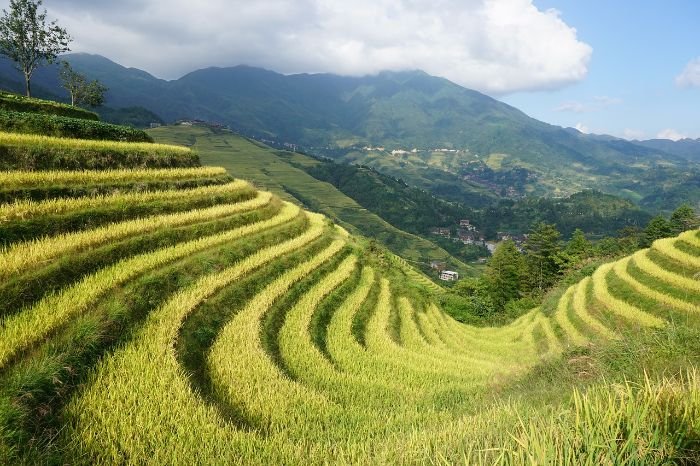
Backyard erosion begins at the surface. Bare soil takes the force of direct raindrop impact, the top seals, and water that might have soaked in starts moving sideways. Slope length and surface cover are two core erosion levers: the farther water travels without interruption, and the less cover protects the surface, the more energy runoff can gather.
The first visible stage is usually sheet wash. The surface looks slightly smoother, mulch shifts into curved lines, and a thin deposit of lighter silt settles on the lower edge of the bed. The next stage is rilling. Small channels appear where the same line of water repeats. Leave those alone for another season and the slope starts teaching water to stay in that path.
Push a boot heel into the damp ground after rain. If the surface smears slick and glossy, infiltration has already slowed. If the soil breaks into gritty crumbs and still accepts water, you are dealing with a cover problem more than a deep drainage problem.
Compaction And Canopy Gaps Speed Up The Damage
Traffic makes slope erosion worse because compacted topsoil sheds water earlier. A mower pass, footpath, or wheelbarrow line across the face can become a fast lane for runoff. Thin canopy makes the problem sharper because open sun dries the top layer, weakens aggregate stability, and leaves less leaf cover to soften rainfall.
A slope with healthy roots and rough surface texture behaves differently. Water hesitates. It spreads. It drops sediment sooner. Soil drainage solutions matter because water movement is the first half of erosion control, while surface protection is the second.
Runoff Control – Slow, Spread, And Soak The Water
Runoff should be slowed before it concentrates enough to cut the soil. Water that stays shallow and spread out has less force than water that funnels into one narrow run. Most home slopes improve fast when the long uninterrupted drop is broken into smaller decisions.
Use Contour Checks, Berms, And Mulch Lanes To Interrupt Flow
Contour shaping is the backyard version of asking water to pause. A shallow on-contour swale, a low berm on the downslope side, or even a rough mulch lane placed across the fall line can interrupt the run long enough for infiltration to catch up. The key detail is level, not dramatic depth. A deep trench on a slope often turns into a channel. A level interrupt feature spreads water across its length.
That same idea applies to paths. A path that runs straight downhill becomes part of the erosion system unless it has cross-slope fall, texture, and planned outlets. Garden pathway design for slopes and drainage should prevent hardscape runoff from feeding more water into the bed than the rainfall alone.
Pro Tip: Pour one full watering can onto the upper problem spot before you build anything. Watch for the first shiny line that starts moving faster than the rest of the surface. Place your first contour interruption there, not lower down where the damage merely shows up.
Give Concentrated Water A Calm Ending
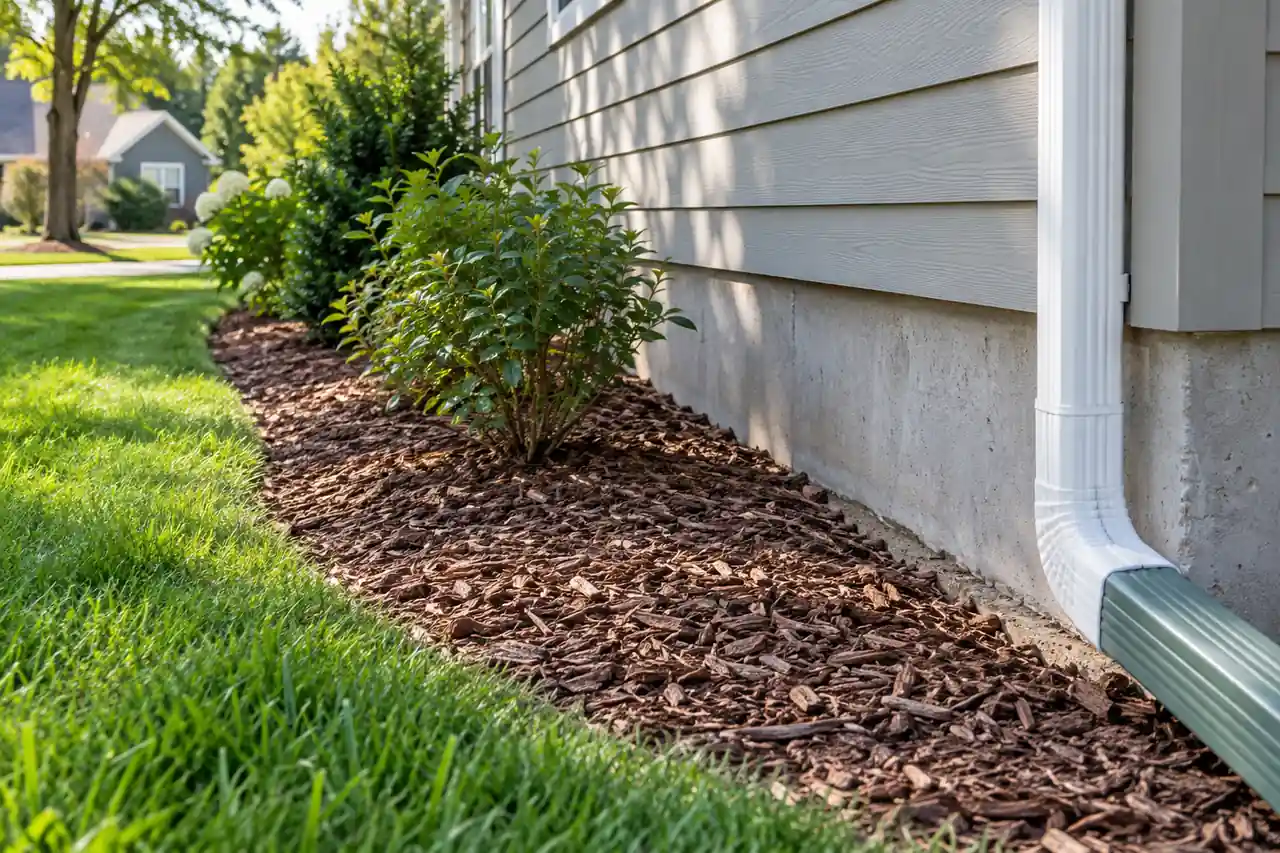
Roof runoff, hardscape runoff, and path runoff need a calmer landing zone. A stone apron under a downspout, a short armored run, and a planted basin or soak area at the end do more good than one dramatic trench. The inlet should diffuse energy first. The basin should absorb or settle it next.
A rain garden belongs here only if the site can infiltrate. Before treating a soak basin as a rain-garden site, test whether a ten-inch hole drains within forty-eight hours. A basin that holds water too long becomes a drainage problem, not runoff control.
Overflow still needs a route. Rainwater harvesting techniques should keep water on site when possible and still decide where excess water leaves when the system fills.
Plants, Mulch, And Blankets Hold The Surface Between Storms
Runoff control reduces force, and living cover improves surface grip through roots, stems, and canopy density. A planted slope resists erosion because roots stitch particles together below the surface and foliage softens impact above it. The fastest visual improvement usually comes from massing plants closer than gardeners first expect.
Plant To Close The Gaps Fast
Choose species by root habit, light, and moisture first. Fibrous grasses, spreading groundcovers, and shrubs that hold soil with layered roots do the heavy lifting. Plant in offset rows so the leaves meet sooner and the raindrop target gets smaller with every month of growth. Ground cover plants should be selected by sun exposure, soil moisture, root density, and the speed needed for slope coverage.
Best Plant Types For Erosion Control On Slopes
| Slope condition | Best plant direction | Why it works | Main caution |
|---|---|---|---|
| Sunny dry slope | Fibrous grasses, drought-tolerant groundcovers, low shrubs | Dense roots hold the surface and foliage reduces splash | Avoid sparse shrubs with bare soil between stems |
| Part-shade bank | Woodland groundcovers, sedges, low shrubs | Covers soil where turf thins and tree roots compete | Match plants to dry shade or damp shade separately |
| Wet toe of slope | Moisture-tolerant sedges, rushes, iris, wet-site shrubs | Roots tolerate saturation where runoff settles | Fix drainage first if soil stays soft or slumps |
| Newly graded bare bank | Rooted plugs with pinned jute or coir blanket | Gives surface protection during root establishment | Seed alone fails if storms arrive before germination |
| Path or downspout edge | Tough groundcovers plus stone or outlet protection | Plants hold edges after water energy is diffused | Plants cannot absorb a concentrated jet alone |
Fresh planting has a vulnerable window. Rooted plugs on a pinned blanket beat seed on bare soil when storms are near because seed does not hold much until it germinates and knits. Jute and coir blankets buy that establishment time because pinned erosion-control blankets protect bare soil during establishment. They work best when pinned tight to the surface, trenched at the top edge, and overlapped so water cannot get under them and peel them back.
Mulch still matters, though mulch alone is rarely the answer on a steeper bare bank. A coarse interlocking mulch layer can soften splash and slow shallow flow. Fine bark on a smooth slope can raft downhill in the first hard storm. That is a real failure state worth planning around. Use rougher material, thinner lifts over blankets, or stone only where the planting type truly fits it. Mulching to conserve soil moisture helps soil health, but erosion-control mulch must prioritize slope grip first.
When You Need Drainage, Steps, Or Rock Before More Plants
Not every erosion problem is a planting problem. Some slopes fail because water is too concentrated, the toe stays saturated, or the drop is too abrupt for roots to solve on their own. This is the point where many homeowners keep adding plants to a slope that is still being cut by the same hydraulic problem.
| Problem pattern | Structural move | Why it works | Escalate when |
|---|---|---|---|
| One narrow runoff line reforms after each repair | Short bench, check step, or armored swale | Breaks slope length and drops flow velocity | The channel deepens after every storm |
| Downspout discharge scours bed edge | Splash block, stone apron, and basin | Diffuses impact before water reaches soil | Water threatens foundation or walkways |
| Path sheds water into planted border | Reset cross-slope and add edge restraint | Keeps path runoff on a planned route | The path acts like a storm channel |
| Toe of slope stays wet and soft | Grade correction or subsurface drainage | Relieves chronic saturation at the base | Soil slumps or seepage never stops |
A French drain without a calm outlet just exports erosion to the next spot downslope. A retaining step without drainage can push hydrostatic pressure into the face behind it. Structural moves work when they solve the water pattern, not when they merely look solid from the front.
I often notice that the ugliest washout begins where a downspout hits mulch that was meant only to cover soil, not absorb a concentrated jet. Once that discharge is diffused, the planting usually starts holding far better with no change in species.
DIY has limits here. A short low step, shallow bench, or stone apron is often reasonable. A tall retaining wall, a slope that keeps moving at the toe, or any runoff route that could affect a neighbor, sidewalk, or foundation deserves professional design. The same goes for seepage problems that point toward deeper drainage work.
After Heavy Rain – The Small Clues That Tell You The Fix Is Failing

Erosion control is easier to maintain than to rebuild. The best time to inspect is after the soil has stopped shining and before the marks disappear. That short window shows exactly where water exceeded the plan.
Look for curved tide lines in the mulch, fresh bright silt on hardscape, pins lifting at blanket edges, and water that still leaves cloudy discharge at an outlet. Press the repaired area with your palm. If the surface feels loose, hollow, or smeared, it needs attention before the next storm opens the line again.
Repair narrow rills immediately. Pull the displaced soil back in, firm it in thin lifts, and restore the surface cover on top the same day. Re-pin lifted blanket edges. Top up mulch where the surface is visible. Clean the stone apron where sediment buried the rough texture. The small repair list is simple. The timing is what matters.
Establishment watering still matters in this stage. Young slope plantings need water that reaches root depth without restarting runoff, which is why the slower pattern in deep watering techniques for stronger root growth fits new erosion-control planting better than shallow daily splash irrigation.
Conclusion
Backyard erosion control works best when each move answers one real failure point. Slow the flow where it first concentrates. Cover the surface before the next storm season. Add structure only where roots and roughness cannot interrupt the run. If the toe stays wet, solve drainage before planting harder.
Keep a short storm-walk habit through the wet season. Recheck after the first few big rains, then at the turn into spring and fall. The success signal is easy to read: no new bright silt fan on the path, no fresh cut line under the downspout, and a slope surface that feels rough, planted, and still in place when the ground dries.
FAQ
What is the best erosion control method for a backyard slope?
The best method is usually a combination: slow runoff at the top or along the contour, cover bare soil, plant dense-rooted groundcovers or grasses, and protect concentrated outlets with stone or a planted basin. If one narrow channel keeps returning, fix the water path before adding more plants or mulch.
Can you stop erosion on a slope without building a retaining wall?
Yes, many backyard slopes never need a wall. Mild and moderate problems respond well to contour interruptions, dense planting, coarse mulch, and a calmer outlet for concentrated runoff. Walls start making sense when the drop is abrupt, the face is short and steep, or the slope keeps failing after water is already being slowed and spread.
What happens if mulch keeps sliding downhill after every storm?
That usually means the water is still moving too fast or the mulch is too fine for the face. Coarse chips interlock better than light shredded material, though even good mulch will drift if discharge is hitting one narrow strip. Slow the flow first, then reset the surface cover.
Is landscape fabric enough for erosion control on its own?
No. Fabric or blanket products are temporary holding tools, not full erosion systems. They protect bare soil during establishment, though they still need roots, pins, overlap, and surface cover that fit the slope. Exposed fabric with no plant plan becomes a maintenance problem fast.
Which plants work best on a sunny dry slope?
Fibrous grasses, rooted groundcovers, and shrubs that handle lean conditions usually perform best. Plant choice still follows light and moisture first, then root habit. A beautiful shrub with sparse lower growth may look stable and still leave too much open soil between stems.
How do I know whether the problem is roof runoff or the slope itself?
Watch the slope during the first minutes of rain. If the cut starts exactly where a downspout, path edge, or hardscape outlet lands, concentrated discharge is leading the damage. If the whole face slicks over and starts washing broadly, the slope needs more interruption and cover across the surface.
Can you seed a bare steep bank and expect it to hold through storm season?
Usually no. Seed alone needs a quiet window to germinate and knit. On active slopes, rooted plugs or a seeded blanket system hold far better because the surface is pinned and protected during early growth. Bare seed on raw soil is one of the easiest ways to lose both the seed and the top layer together.
When is a slope too steep for a DIY fix?
Once the face is steep enough that footing feels uncertain, the toe stays saturated, or runoff could threaten a structure or neighbor, caution should rise fast. A low bench or apron can be a safe home-garden project. A moving slope, seepage problem, or tall retaining need belongs with a contractor or engineer.