
Updated July 28, 2026
Growing berries successfully starts before planting: choose a berry type and variety that fits your winter cold, summer heat, soil pH, drainage, and available space. Blueberries need a distinctly acidic root zone, cane berries need deep drainage and room for support, and strawberries need a clean, fertile bed where weeds cannot take over. Match those requirements first, and berry gardening becomes far more predictable.
Key Takeaways
- Choose berry varieties by climate adaptation and disease resistance, not flavor reputation alone.
- Prepare blueberries as a separate soil project because their pH needs differ sharply from most berries.
- Correct drainage, perennial weeds, and pH across the full bed before planting.
- Use compatible cultivars when cross-pollination improves fruit set, berry size, or harvest reliability.
- Plan support, spacing, irrigation, mulch, and bird protection before plants fill the space.
Table of Contents
Growing Berries: Quick Start
Start with the permanent constraints. Sun exposure, winter temperatures, summer heat, native soil, and drainage are harder to change than fertilizer. A USDA zone records expected winter lows. It does not measure chill accumulation, summer stress, or humidity-related disease pressure.
| Decision | Check before buying | Useful target | Common failure |
|---|---|---|---|
| Berry type | Mature form, harvest use, maintenance | A crop that fits your space and routine | Choosing by fruit photo alone |
| Variety | Hardiness, chill hours, heat, disease resistance | Local or regional trial performance | Trusting a broad zone range |
| Soil | pH, texture, drainage, organic matter | Crop-specific pH with no standing water | Amending only the planting hole |
| Pollination | Self-fertility and bloom overlap | Compatible cultivars flowering together | Two plants of the same cultivar |
| Layout | Spread, runners, supports, access | Room to prune, pick, and protect fruit | Crowding plants at nursery size |
Map the bed before shopping. Mark the sunniest area, observe where water stands after rain, and measure the space at mature plant size. Then test the garden soil before choosing amendments. This sequence prevents the expensive mistake of trying to force a purchased plant into a site that does not fit it.
Choose the Best Berry Type for Your Garden
“Berries” covers plants with very different growth habits. Strawberries form low crowns and runners. Raspberries and blackberries produce canes from perennial roots. Blueberries, currants, gooseberries, honeyberries, and elderberries grow as shrubs. The right starting point is not which fruit is most popular; it is which plant form your garden can support for several years.
| Berry type | Best fit | Main requirement | Plan for |
|---|---|---|---|
| Strawberries | Beds, borders, containers | Sun, clean soil, even moisture | Runner control and periodic bed renewal |
| Blueberries | Dedicated acidic bed or large pot | Low pH and organic, drained soil | Two compatible varieties and bird netting |
| Raspberries | Cooler site with deep soil | Drainage, airflow, cane support | Annual pruning by fruiting type |
| Blackberries | Sunny boundary or trellis row | Space and manageable vigor | Thorns, tip rooting, or trailing canes |
| Currants and gooseberries | Cool climates and partial sun | Moderate summers and airflow | Regional restrictions and mildew pressure |
| Honeyberries | Cold-winter gardens | Compatible pollinator cultivars | Early bloom and bird protection |

For a small first berry garden, choose one crop that matches the site well. Skip the tempting collection of one plant from every type. A productive strawberry bed or two climate-ready blueberry shrubs teaches more than six struggling species with conflicting soil and support needs.
Match Berry Varieties to Your Climate
Hardiness tells you whether dormant wood is likely to survive winter. Chill requirement tells you whether buds receive enough cool weather to open normally. Heat tolerance determines whether leaves, flowers, and developing fruit can function through summer. A useful variety must pass all three tests.
| Climate pattern | Better starting options | Important selection trait |
|---|---|---|
| Cold winters, mild summers | Northern highbush blueberries, raspberries, currants, gooseberries, honeyberries | Winter hardiness and bloom timing |
| Mild winters, warm summers | Southern highbush or rabbiteye blueberries, day-neutral strawberries, adapted blackberries | Low chill and heat tolerance |
| Hot, humid summers | Locally tested rabbiteye blueberries and disease-resistant brambles | Fruit-rot and cane-disease resistance |
| Dry heat | Heat-adapted blackberries, protected strawberries, suitable local natives | Sunburn resistance and irrigation response |
Find chill-hour estimates through a local extension or agricultural weather service. Then compare cultivars within the correct berry type. A northern highbush blueberry needing a long winter may survive in a mild area, flower unevenly, and crop poorly. A low-chill cultivar can break dormancy too early in a cold region and lose flowers to spring frost.
Summer matters just as much. Red raspberries that tolerate severe winter cold may decline where prolonged heat keeps canes stressed. In humid regions, resistance to fruit rot, cane blight, and regional blueberry diseases can matter more than a famous flavor rating. Local trial data is more useful than a national catalog description.

Plan Pollination, Space, and Harvest
“Self-fertile” means one cultivar can set some fruit alone; it does not always mean one plant gives the best crop. Many blueberries, honeyberries, and some other shrub berries produce larger or more reliable harvests when a compatible second cultivar flowers at the same time. Two plants with different brand names are not automatically compatible, so compare bloom groups before buying.
Strawberries, raspberries, and blackberries generally do not need a second cultivar for basic fruit set, though pollinating insects still improve flower performance. With blueberries, confirm whether the plant is northern highbush, southern highbush, rabbiteye, or another type. Select a partner within a compatible group and similar bloom window.
Space affects both access and plant health. Leave room to reach both sides of a cane row, remove old canes, position netting, and harvest without crushing new shoots. Keep vigorous blackberries away from narrow paths. Place strawberries where runner control and bed renewal will be practical. Give shrubs their mature width, not the compact width shown in a nursery pot.
Choose a Site for a Berry Garden
Most berry crops fruit best with at least six hours of direct sun. Eight hours often supports better flowering, sweetness, and dry foliage. In very hot climates, brief late-afternoon protection can reduce heat stress. Dense shade usually means fewer flowers and softer growth.
Air movement helps foliage and fruit dry after rain. Exposed winter wind can still injure canes and flower buds. Avoid frost pockets at the bottom of slopes, low places where water collects, and sites beside downspouts. If the only sunny area stays saturated after rain, solve the drainage problem or move the planting.
The Oregon State University Extension overview of growing berries and matching them to a site emphasizes well-drained soil and crop-specific adaptation. Regional details vary. The planning principle remains broadly useful: decide whether the site fits before attempting to correct it.
Prepare Soil for Berry Plants
Berry plants are long-term residents. Once crowns, runners, canes, and shrub roots fill the bed, changing grade, removing perennial weeds, or mixing amendments through the root zone becomes disruptive. Prepare the entire row or bed. Isolated holes filled with soft compost do not improve the surrounding root zone.
| Soil problem | What it means | Better pre-plant response |
|---|---|---|
| Heavy soil that stays wet | Roots lose oxygen and root-rot risk rises | Use a raised bed, mound the row, or choose another site |
| Very sandy soil | Water and nutrients move through quickly | Mix stable organic matter through the bed and plan irrigation |
| Compacted lawn | Roots meet dense soil beyond the planting hole | Remove turf and loosen a broad root zone |
| Perennial weeds | Competition persists within permanent crowns and canes | Clear regrowth before berry plants arrive |
| Wrong pH | Nutrients become poorly available even in fertile soil | Use a lab recommendation and allow amendments time to work |
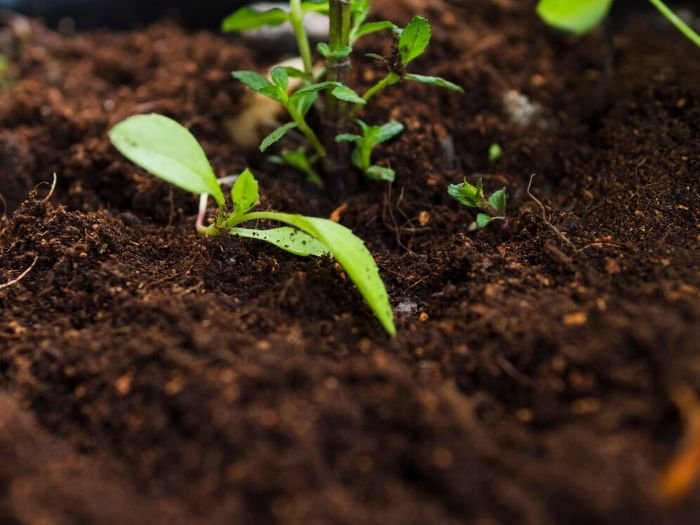
Start soil work several months ahead when major pH or drainage corrections are needed. Remove sod and persistent weeds. Observe the bed during wet weather. Use a soil report to guide lime, sulfur, phosphorus, and potassium. An automatic application of complete fertilizer can add nutrients the bed does not need.
Finished compost can improve structure and moisture balance. It cannot rescue a chronically wet low spot. Mix moderate amounts through the broad rooting area. The guide to improving garden soil with compost explains how organic matter behaves differently in sand, loam, and clay.
For difficult sites, compare a mounded row, a raised bed, and relocation. Moderately slow soil may improve under a shallow mound. Raised beds provide a deeper aerated root zone where native clay remains wet. Sites with standing water or runoff contamination may be unsuitable regardless of how much material is added. Use these soil drainage solutions to diagnose the cause before building.
The Ontario Ministry of Agriculture guide to preparing soil for berry production also treats soil improvement as advance work. Home beds are smaller. Perennial weeds, compaction, drainage, and amendment timing still deserve the same sequence.
Adjust Soil pH by Berry Type
There is no universal berry soil mix. Blueberries and most other common garden berries should not automatically share one amended bed. Blueberry roots are adapted to acidic, organic conditions and have limited tolerance for soil that remains near neutral. Strawberries and cane berries generally perform in a wider, less acidic range.
| Berry crop | Practical pH range | Preferred root zone | Priority before planting |
|---|---|---|---|
| Blueberries | About 4.5-5.5 | Acidic, organic, consistently moist, well drained | Lower pH early or use a dedicated bed or container |
| Strawberries | About 5.5-6.5 | Fertile and drained with even moisture | Remove weeds and avoid fresh manure |
| Raspberries | About 5.6-6.5 | Deep, aerated loam with organic matter | Prevent standing water around crowns and roots |
| Blackberries | About 6.0-6.5 | Well-drained soil with moderate fertility | Correct clay and plan support |
| Currants and gooseberries | About 6.0-6.5 | Moist, freely drained soil | Avoid hot, exposed sites where summers are severe |
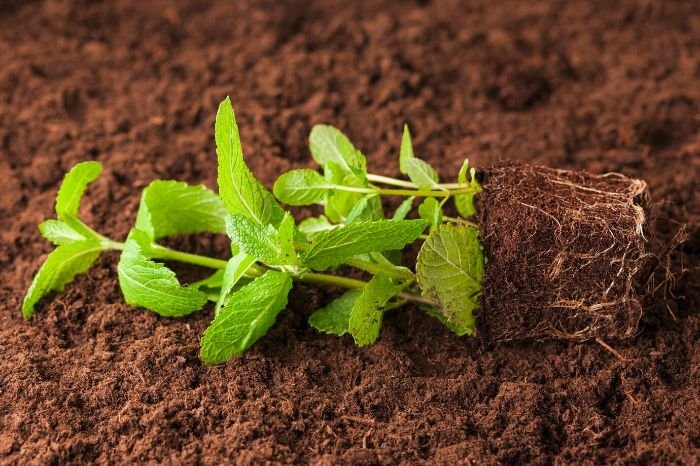
Elemental sulfur can lower pH. The amount depends on starting pH, soil texture, and the target. It works gradually through biological activity. Do not guess or place concentrated sulfur against roots. Lime raises pH for crops that need it. Apply it to blueberry soil only when a soil test gives a specific recommendation.
If native soil is strongly alkaline or difficult to acidify consistently, a dedicated blueberry raised bed or large container may be more reliable than repeated correction of the whole garden. Use an appropriate acidic medium, monitor irrigation-water alkalinity, and retest. An “acid-loving plant” fertilizer does not permanently solve the chemistry. The guide to growing blueberries at home covers the crop-specific care that follows this soil setup.

Plant and Establish Berry Plants
Plant dormant bare-root stock promptly after soaking and inspection, or keep roots cool and moist until the bed is ready. Container-grown plants can be installed through a wider window. Avoid extreme heat, frozen soil, and saturated ground. Spring is practical in cold climates; fall can work well where winters are mild and roots have time to settle.
Set the crown and root flare at the correct depth for the crop. Do not bury woody stems simply because the nursery container is deep. Spread roots into the prepared soil, backfill without compacting the bed into a hard mass, and water thoroughly to settle soil around roots.
| Planting stage | What to do | What to avoid |
|---|---|---|
| Before planting | Finish soil, supports, irrigation, and weed control | Buying plants while the bed is still wet or weedy |
| At planting | Set roots at the crop’s correct depth and water in | Creating a deep compost pocket or burying crowns |
| First month | Keep the root zone evenly moist and inspect new growth | Daily surface sprinkles that leave deeper roots dry |
| First season | Control weeds, train growth, and protect plant structure | Pushing tender growth with excess nitrogen |
Apply mulch after watering, leaving crowns and woody stems exposed. Mulch reduces weed germination and moderates moisture. It cannot kill established perennial weeds or repair buried crowns. In vole-prone areas, avoid creating a deep, protected tunnel against shrub stems.
Care for Berries Through the Seasons
Water according to root-zone moisture and current weather. Newly planted berries need closer attention because their roots occupy a small volume. Established shrubs and cane berries benefit from deep watering that moistens the active roots, followed by enough air return to avoid saturation. Strawberries need even moisture during flowering and fruit fill because shallow roots dry quickly.
Base fertilizer on crop age, growth, and soil results. Too much nitrogen produces soft leaves and canes at the expense of flowers, winter hardiness, and fruit quality. Blueberries also respond differently to fertilizer forms than a typical vegetable bed, another reason to manage them separately.
Pruning depends on where the plant fruits. Summer-bearing raspberries crop on second-year canes. Fall-bearing types can be managed for a fall crop on first-year growth. Blackberries vary between erect, semi-erect, and trailing habits. Blueberries need gradual renewal, not severe annual cutting. Keep the variety label and learn its fruiting system before pruning.
Bird protection is easiest when planned into the layout. Support netting above the canopy so birds cannot reach fruit through it, secure the lower edge, and remove or tighten loose material that could trap wildlife. Harvest frequently as berries color, especially during wet weather when overripe fruit becomes a disease source.
Troubleshoot Berry Growing Problems
| Symptom | First checks | Likely direction |
|---|---|---|
| Healthy leaves with little fruit | Sun, pruning, chill, pollination, excess nitrogen | Correct the missing production factor before adding fertilizer |
| Yellow blueberry leaves | Soil pH, drainage, root damage | Test chemistry and moisture before applying iron |
| Canes collapse in summer | Heat, waterlogging, crown injury, cane disease | Inspect the crown and confirm climate adaptation |
| Fruit rots before harvest | Crowding, rainfall, irrigation timing, sanitation | Improve airflow and remove infected or overripe fruit |
| Plants decline after rain | Standing water and root-zone smell or color | Treat drainage as the primary problem |
| Small berries and low yield | Moisture during fruit fill, crop load, pollinator match | Stabilize water and verify compatible bloom |
Do not diagnose by one leaf. Look at which plants are affected, whether symptoms follow a wet or dry part of the bed, and whether new growth differs from old growth. A pattern limited to blueberries in a mixed planting points toward pH or blueberry-specific root conditions. A pattern along the lowest section of every row points toward drainage.
Record the cultivar, planting date, soil results, amendments, flowering time, and harvest. Those details turn an unclear failure into a decision you can correct next season. They also help distinguish a variety mismatch from a temporary care problem.
Conclusion
A productive berry garden begins with compatibility. Choose a plant form that fits the space, a variety that fits winter and summer, and a pollination plan that fits the cultivar. Then prepare a full root zone with the right pH, reliable drainage, and no established perennial weeds.
Do not force every berry into one soil recipe. Treat blueberries as the acidic exception, give cane berries depth and support, and keep strawberry beds clean and manageable. That planning produces healthier plants, simpler seasonal care, and harvests that improve as the planting matures.
FAQ
What are the easiest berries to grow at home?
Strawberries and locally adapted blackberries are often forgiving starting crops. The easiest berry still depends on climate and soil. Blueberries are easy only where an acidic, well-drained root zone can be maintained. Currants and gooseberries suit cooler summers better than hot regions.
What is the best soil for berry plants?
Most berries prefer well-drained soil with useful organic matter. There is no universal berry soil. Strawberries and cane berries generally favor mildly acidic soil. Blueberries require a distinctly acidic root zone around pH 4.5-5.5. Test before amending.
Can different berry plants grow in the same bed?
They can share a bed only when their pH, drainage, spacing, and maintenance needs align. Blueberries usually deserve a separate acidic bed. Strawberries may compete with cane berries and make pruning difficult, so convenience matters as much as chemical compatibility.
Do I need two berry plants to get fruit?
It depends on the crop and cultivar. Strawberries, raspberries, and blackberries commonly set fruit with one cultivar. Many blueberries and honeyberries crop better with a compatible second cultivar that flowers at the same time. Two plants of one cultivar do not provide cross-pollination.
How far in advance should I prepare berry soil?
Begin several months ahead when pH correction, drainage work, or perennial weed removal is required. Elemental sulfur and lime need time to react, and a wet site should be observed through rain before plants are installed. Minor bed finishing can happen closer to planting.
Can berries grow in containers?
Yes. Strawberries, compact raspberries, and many blueberries can grow in containers. Match pot size to mature roots, provide open drainage, use a crop-appropriate mix, and expect more frequent watering. Containers also make acidic blueberry conditions easier to control in alkaline-soil gardens.