



Last Updated June 06, 2026
A backyard garden starts to feel different when the compost pile, vegetable beds, herbs, flowers, fruit shrubs, insects, soil, water, and daily care begin to work as one system. Scraps stop leaving the yard in bags. Leaves become mulch. Flowers pull pollinators into the food beds. A weak crop becomes a clue about soil, timing, moisture, plant stress, and pest pressure together.
Biodynamic gardening builds on organic growing and adds a distinct layer of whole-garden thinking, compost preparations, field sprays, biodiversity, seasonal observation, and optional planting calendars. The method comes from Rudolf Steiner’s 1924 agricultural lectures and still carries spiritual and philosophical ideas that not every gardener will share. The practical backyard value comes from closing fertility loops, building soil life, reducing imported inputs, and watching the garden as a living pattern through the year.
A home gardener does not need livestock, acreage, certification, or perfect adherence to every biodynamic practice. A useful backyard version can begin with compost, diverse planting, crop rotation, cover crops, pollinator habitat, careful records, and small-scale use of biodynamic preparations if the gardener wants to work with that tradition.
Key Takeaways:
- Biodynamic gardening treats the backyard as one connected organism: soil, compost, plants, insects, water, people, and seasonal rhythms.
- The most reliable backyard practices are composting, crop rotation, cover crops, plant diversity, pollinator habitat, and low imported fertility.
- Biodynamic preparations include horn manure, horn silica, compost preparations, and horsetail; they are used in tiny amounts as treatments, not as fertilizers.
- A planting calendar can support observation and records, and it should never override soil temperature, weather, seed needs, or plant health.
- Backyard gardeners can use biodynamic ideas without Demeter certification, livestock, or a fully closed farm system.
- Organic and ecological practices shared with sustainable gardening have clearer practical support; calendars and preparations need cautious, record-based use.
Table of Contents
Understand Biodynamic Gardening As A Whole-Garden System
Biodynamic gardening asks the gardener to look at the whole backyard before choosing an input. The compost pile affects the tomato bed. The tomato bed affects the compost pile through residues. Flowers affect pest pressure by feeding beneficial insects. Mulch affects moisture, earthworms, and soil temperature. A calendar note about a late frost may explain a weak seedling better than any product label.
The core idea is the garden organism. On a farm, that may include animals, pastures, orchards, wild edges, crops, compost yards, and stored seed. In a backyard, the same idea shrinks to a practical scale: vegetable beds, fruiting shrubs, herbs, perennial borders, compost, water storage, paths, leaf litter, pollinator plants, and the people who tend them.
Biodynamic agriculture is an organic-based system with limited research support for some specific practices, especially in the United States. That matters for home gardeners. Compost, cover crops, rotations, mulch, biodiversity, and habitat have clear garden value. Preparations and lunar timing belong in a more cautious category: use them as part of a record-based practice, not as proof that soil, water, and weather can be ignored.
Separate Practical Evidence From Tradition-Based Practice
| Practice Type | Backyard Reliability | How To Use It | Overclaim To Avoid |
|---|---|---|---|
| Compost, mulch, cover crops, rotation, and biodiversity | Strong practical value in home gardens | Use as the main soil and ecosystem foundation | Calling a garden biodynamic while ignoring soil structure, water, and crop rotation |
| Biodynamic compost and spray preparations | Use within the biodynamic tradition with records | Apply in small, consistent routines and compare bed response over time | Treating preparations as fertilizers or rescue products |
| Biodynamic planting calendars | Useful as a rhythm and record tool for interested gardeners | Use after checking soil temperature, weather, seed needs, and crop stage | Letting calendar symbolism override plant biology |
| Biodynamic Principle | Backyard Translation | What You Can Measure Or See | Common Mistake |
|---|---|---|---|
| Garden as organism | Treat beds, compost, wildlife, paths, water, and gardener habits as one system | Less waste leaving the yard, more useful residues returning to beds | Buying products before fixing layout, soil cover, and plant diversity |
| On-site fertility | Use compost, leaf mold, worm castings, cover crops, and crop residues | Dark crumbly compost, better soil smell, roots spreading through the bed | Replacing synthetic fertilizer with constant bagged organic inputs |
| Biodiversity | Mix vegetables, herbs, flowers, shrubs, native plants, and habitat edges | Pollinators, hoverflies, ground beetles, birds, and fewer pest spikes | Planting a neat monoculture and calling it biodynamic because preparations were sprayed |
| Preparations | Use small amounts of biodynamic compost or spray preparations if desired | Better records, consistent compost care, more attentive soil observation | Treating preparations as rescue products for poor soil management |
| Seasonal rhythm | Record sowing, transplanting, pruning, compost turning, and harvest dates | Clear patterns from year to year | Following a calendar when the soil is cold, wet, or crusted |
Choose The Right Biodynamic Layer For Your Backyard
A small garden can apply biodynamic thinking at different depths. Some gardeners want the ecological layer only. Others want to use preparations and a planting calendar. A few may pursue formal training or certification for a market garden. The backyard choice should match time, space, beliefs, and record-keeping habits.
| Backyard Situation | Best Biodynamic Layer | Useful Practices | Skip For Now |
|---|---|---|---|
| Small vegetable beds with no compost system | Fertility-loop foundation | Compost bin, leaf mulch, crop rotation, mixed herbs and flowers | Complex spray schedules before compost exists |
| Established organic garden | Preparations and better records | Compost preparations, horn manure spray, plant response notes | Expecting instant yield changes from one application |
| Pollinator-rich backyard with weak soil | Soil-first biodynamic routine | Compost, cover crops, mulch, soil testing, root observation | Adding more flowers before fixing compaction and fertility |
| Container or patio garden | Scaled-down ecology | Worm bin, reused leaves, flowering containers, clean water habits | Assuming a container garden can function like a closed farm |
| Market garden or homestead | Whole-system biodynamic management | Compost yard, livestock or manure source, rotations, hedgerows, preparations, records | Using the term “Biodynamic” commercially without certification |
Organic, Biodynamic, And Backyard Adaptation
| Layer | What It Means | Backyard Use | Main Limit |
|---|---|---|---|
| Organic gardening | Build soil, avoid synthetic pesticides, compost residues, rotate crops, and support biological activity | Foundation for most biodynamic backyard work | Organic inputs can still be overused when soil, drainage, and crop timing are ignored |
| Biodynamic gardening | Adds garden-organism thinking, preparations, seasonal rhythm work, and stronger attention to fertility loops | Useful when compost, biodiversity, records, and soil care are already active | Preparations and calendars should not replace basic horticultural checks |
| Certified biodynamic production | Formal standards, inspection, allowed inputs, labelling rules, and certification requirements | Relevant for market gardens or products sold as Biodynamic or Demeter certified | Backyard practice does not equal certified production |
Backyard practice and certified biodynamic production should stay separate. A home gardener can use biodynamic composting, biodiversity, records, preparations, and calendar observation without certification. Products, farms, or market claims sold as Biodynamic or Demeter certified belong under formal standards, inspection, and labelling rules.
Sustainable gardening practices already reduce imported inputs, protect soil cover, build habitat, and return organic matter to the beds. Biodynamic routines add preparations, calendar observation, and a stronger whole-garden lens to that ecological foundation.
Build Fertility From Compost, Cover Crops, And Garden Residues
Fertility in a biodynamic garden starts with what the backyard can cycle. Fallen leaves, pulled pea vines, chopped annual flowers, grass clippings from an untreated lawn, kitchen scraps, spent potting mix, and finished compost all become part of the fertility loop. The garden is weaker when every nutrient comes from a bag and every residue leaves the yard.
Backyard composting is the practical center. A good pile smells earthy, warms when the mix is active, and breaks down into dark material that no longer looks like the original scraps. Biodynamic compost may be treated with preparations 502 through 507 after the basics are already working: air, moisture, particle size, brown material, green material, and time.
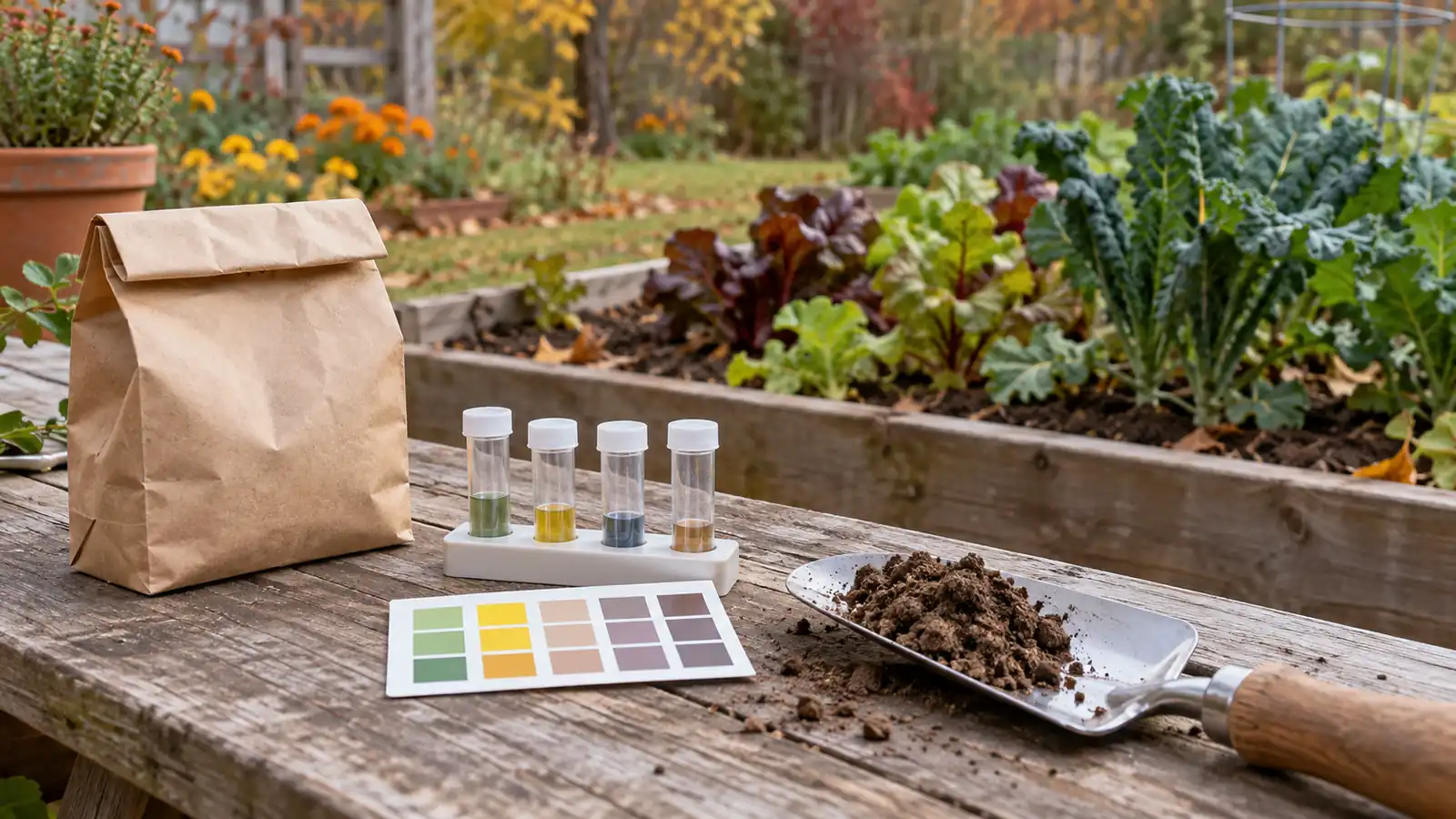
Soil health improvement still depends on structure, organic matter, biological activity, drainage, pH, and root growth. Compacted clay, waterlogged beds, salt-heavy compost, and missing soil tests still need ordinary soil correction before biodynamic routines can help.
| Fertility Source | Backyard Use | What It Adds | Limit To Watch |
|---|---|---|---|
| Finished compost | Topdress beds, seed rows, and perennial edges | Organic matter, microbes, slow nutrients, better tilth | Immature compost can tie up nitrogen or damage seedlings |
| Leaf mold | Mulch woodland edges, paths, berries, and vegetable beds | Moisture buffering and fungal habitat | Thick wet mats can smother small crowns |
| Cover crops | Protect empty beds and feed soil between crops | Roots, residue, nitrogen from legumes, erosion control | Late termination can delay spring planting |
| Worm castings | Use in seed-starting blends, containers, and small transplants | Fine organic matter and microbial activity | Small amounts work better than heavy layers |
| Animal manure | Compost thoroughly before food-bed use | Nitrogen, organic matter, and biological activity | Fresh manure can carry pathogens, salts, and weed seed |
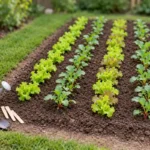
Cover crops for soil improvement fit biodynamic thinking because the bed grows fertility in place. Oats, peas, rye, clover, buckwheat, and vetch can all serve different roles by season and climate.
Use Biodynamic Preparations With Clear Expectations
Biodynamic preparations are the part of the method that most clearly separates it from ordinary organic gardening. Tiny amounts are stirred in water or placed in compost and handled as formative treatments within the biodynamic tradition. Ordinary plant growth still depends on nitrogen, phosphorus, potassium, calcium, water, healthy roots, and enough growing space.
Biodynamic compost and spray preparations are a defining part of the biodynamic tradition, with compost preparations usually listed as 502 through 507 and field sprays such as horn manure, horn silica, and horsetail used separately. In a backyard, that tradition still needs ordinary compost maturity, clean water, suitable weather, and careful records.
Backyard gardeners usually buy preparations from biodynamic suppliers or join a local preparation-making group. Making every preparation from scratch can involve animal organs, horns, seasonal burial, specific herbs, and careful storage. Small gardens can still learn the system without turning the first season into a materials hunt.
| Preparation | Common Name | Typical Use | Backyard Caution |
|---|---|---|---|
| 500 | Horn manure | Stirred in water and sprayed on soil, often before planting or during soil-building periods | Use after compost, moisture, and bed preparation are already in good order |
| 501 | Horn silica | Stirred in water and sprayed very lightly on foliage in some systems | Use cautiously in heat, drought, or stressed plants |
| 502 | Yarrow | Compost preparation | Place according to supplier instructions and avoid random mixing through the pile |
| 503 | Chamomile | Compost preparation | Good compost structure still matters more than the insertion point |
| 504 | Stinging nettle | Compost preparation | Do not confuse prepared nettle with ordinary nettle tea fertilizer |
| 505 | Oak bark | Compost preparation | Use as part of the full compost set, not as a disease cure |
| 506 | Dandelion | Compost preparation | Handle as a biodynamic treatment, not a broad nutrient amendment |
| 507 | Valerian | Compost preparation, often used in liquid form | Protect from waste and label clearly |
| 508 | Horsetail | Tea or spray used in some biodynamic systems around fungal pressure | Airflow, spacing, pruning, and sanitation still carry disease control |
Use one preparation routine at a time and write down the date, weather, bed condition, crop stage, and follow-up observations. A garden record tells you more than memory after three months of planting, watering, harvesting, and pest pressure.
Use A Biodynamic Calendar As A Record Tool
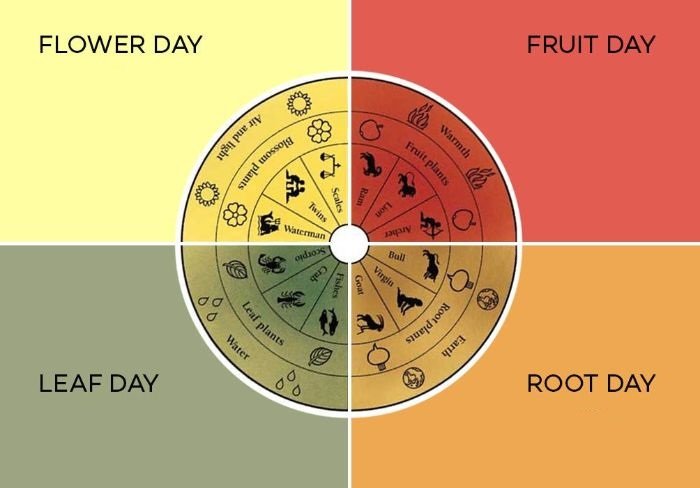
Biodynamic calendars divide work by lunar and astronomical rhythms, often grouping days around root, leaf, flower, and fruit crops. Many gardeners enjoy the structure. A calendar can slow rushed decisions and give each task a place in the season. The risk comes when timing symbolism overrides the plant in front of you.
Soil temperature, frost dates, wet soil, seed age, crop family, day length, and pest cycles still decide whether a task is wise. Sow carrots when the bed is fine, moist, and warm enough for germination. Transplant tomatoes when nights are safe and the roots have filled the cell. Prune diseased foliage when the disease needs stopping.
| Calendar Category | Common Biodynamic Use | Backyard Crop Examples | Practical Override |
|---|---|---|---|
| Root days | Sowing, tending, or harvesting root crops | Carrots, beets, radishes, potatoes, onions | Wet, cloddy soil causes poor root shape regardless of calendar timing |
| Leaf days | Leafy crops and herbs | Lettuce, kale, chard, basil, parsley, spinach | Heat and bolting can shorten the harvest window |
| Flower days | Flowers and flowering herbs | Calendula, zinnia, chamomile, lavender, borage | Pollinator habitat needs continuous bloom, not one perfect date |
| Fruit days | Fruiting crops and seed work | Tomatoes, peppers, beans, squash, berries | Night temperature and pollination decide fruit set |
| Rest or unfavorable days | Tool cleaning, records, compost checks, path work | All garden areas | Emergency pest, storm, or disease work should not wait |
Use the calendar as a rhythm layer over good horticulture. When results differ from expectation, write it down. Over time, your own garden records become more useful than any general calendar.
Design Biodiversity Into The Backyard
Biodynamic gardens need plant and habitat diversity because no backyard organism can balance itself with one crop, one flower, and bare soil. A dense border of herbs and flowers beside vegetables can feed hoverflies, lacewings, bees, parasitic wasps, and ground beetles. A small log edge, leaf litter corner, perennial herb patch, and water source create more shelter than a sterile bed edge.
Crop diversity also spreads risk. Flea beetles may chew arugula and leave kale usable. A wet summer can ruin tomatoes and still leave beans, herbs, and greens producing. When one compost ingredient is scarce, leaves, straw, spent plants, and kitchen scraps can fill different parts of the pile.
| Backyard Biodiversity Element | Where It Fits | Garden Function | Maintenance Note |
|---|---|---|---|
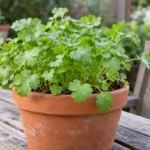
| Flowering herbs | Bed ends, paths, and vegetable edges | Pollinator forage and beneficial insect habitat | Let some dill, cilantro, basil, and parsley flower |
| Native perennial strip | Fence line, side yard, or border edge | Long-season habitat and deeper roots | Choose species that fit your region and space |
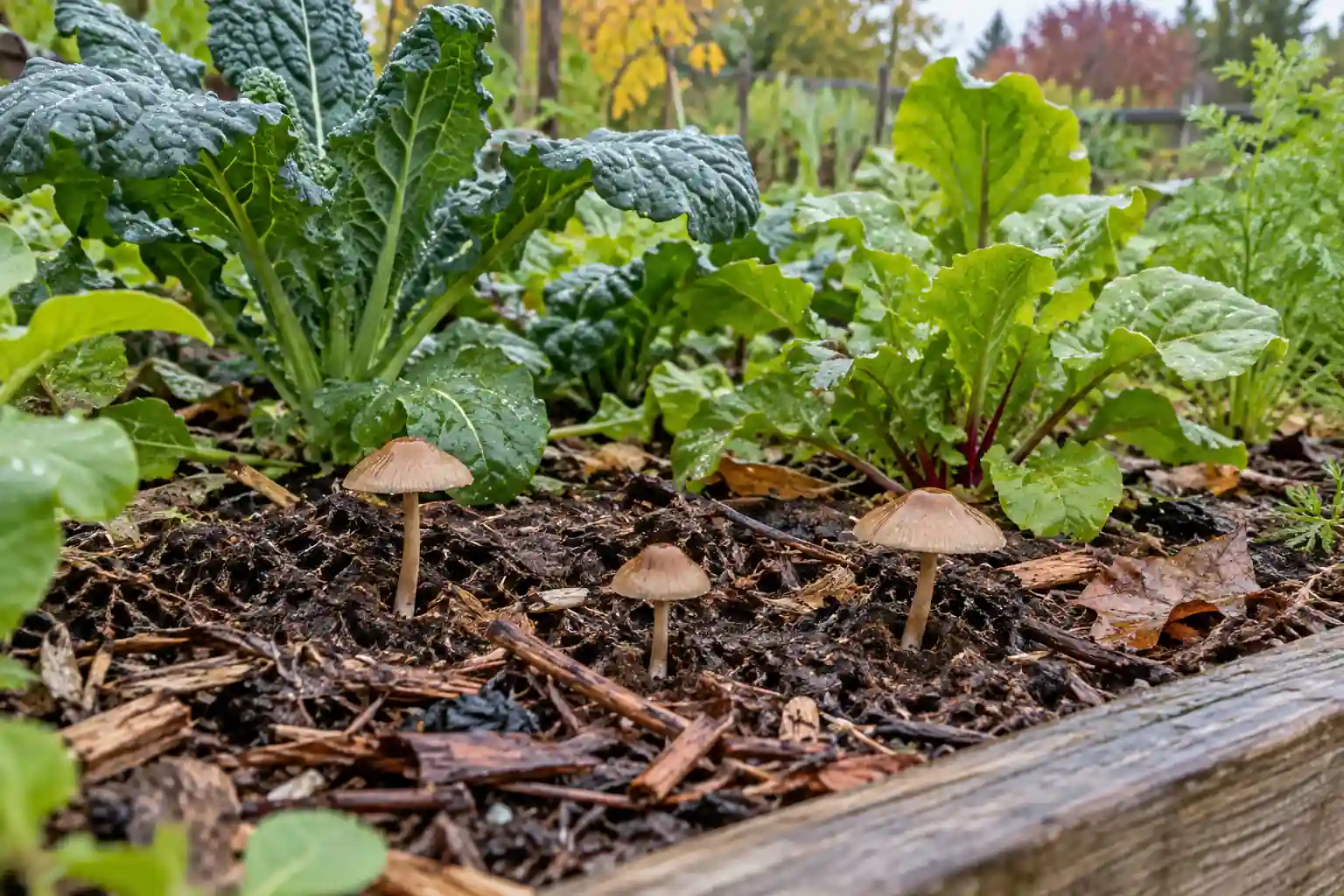
| Leaf litter or mulch zone | Under shrubs, berries, or fruit trees | Soil cover, fungal habitat, and overwintering shelter | Keep mulch away from trunks and crowns |
| Mixed crop families | Vegetable beds | Pest diffusion and rotation flexibility | Keep records by plant family and crop name |
| Water source | Near flowers or habitat plants | Birds, insects, and heat buffering | Refresh often to prevent mosquito breeding |
Crop rotation principles help the biodynamic garden keep plant families moving through the beds. Rotation matters because pests, diseases, nutrient demand, and root patterns build around families over time.
Manage Pests And Disease By Reading The Imbalance
Biodynamic pest management starts with the same visible signs any careful gardener uses: holes, frass, sticky leaves, curled shoots, mildew, weak stems, and stalled growth. The next diagnosis is plant vulnerability: too much nitrogen, poor airflow, wet leaves, compacted soil, heat stress, missing predators, and repeated planting of the same crop family can all invite pressure.
Integrated pest management fits a biodynamic backyard because it begins with observation and uses the least disruptive correction first. Hand removal, row cover, pruning for airflow, trap crops, resistant varieties, timing shifts, and habitat for predators all belong before broad spraying.
| Garden Signal | Likely Imbalance | Biodynamic Response | Hard Limit |
|---|---|---|---|
| Aphids on soft new growth | Excess nitrogen, weak airflow, low predator presence | Reduce feeding, wash shoots, add insectary flowers, watch for lady beetle larvae | Heavy outbreaks may still need direct organic control |
| Powdery mildew | Crowded foliage, humidity, stressed roots | Increase spacing, prune for airflow, water soil, remove infected leaves | Resistant varieties matter in repeat disease sites |
| Root crops fork or stall | Compaction, fresh manure, stones, uneven moisture | Improve bed texture, use mature compost, water evenly, rotate family location | A calendar date cannot fix hard soil |
| Slug damage in mulch | Dense wet cover near tender plants | Pull mulch back from seedlings, trap slugs, improve morning drying | Heavy shade and wet weather may require repeated removal |
| Repeated tomato disease | Family repetition, poor airflow, soil splash, humid canopy | Rotate beds, mulch, prune lower leaves, choose tolerant varieties | Diseased plant residue should not return to a cool backyard compost pile |
Build A Backyard Biodynamic Routine Over One Season
A biodynamic routine should fit the garden you can actually maintain. Choose a few actions and repeat them well. A small pile of finished compost, a planted insectary edge, clean records, and one cover crop can shift the garden more than a shelf full of bottles.
| Season Point | Backyard Task | Biodynamic Focus | Record To Keep |
|---|---|---|---|
| Late winter | Review last year’s bed map and seed list | Garden organism planning | Crop families, failures, pest patterns, compost supply |
| Early spring | Topdress beds, sow cool crops, start insectary flowers | Soil and habitat activation | Soil temperature, moisture, germination dates |
| Late spring | Transplant warm crops and add mulch after soil warms | Root establishment and moisture balance | Transplant date, weather, first pest sightings |
| Summer | Harvest, compost residues, keep flowers blooming, watch disease | Energy cycling and balance | Harvest peaks, pest predators, irrigation needs |
| Fall | Sow cover crops, collect leaves, rebuild compost | Fertility return | Cover crop species, leaf storage, compost ingredients |
| Winter | Protect soil, repair tools, plan rotations | Rest and preparation | Bed cover, stored seed, next rotation map |
A backyard routine works best as a repeatable loop: observe the garden, feed the soil, plant diversity, reduce waste, record results, and adjust the next task.
Conclusion
Biodynamic gardening becomes useful in a backyard when it changes how the gardener sees the whole place. Compost becomes part of bed fertility, and flowers become part of pollinator and predator support. Crop rotation, mulch, cover crops, pests, water, and harvest records all become parts of the same living pattern.
The most reliable path is practical: build compost, protect soil, diversify plantings, rotate crop families, feed pollinators and predators, keep records, and use biodynamic preparations or calendars with clear expectations. This keeps biodynamic practice tied to soil, weather, plant biology, and observable garden results.
FAQ
What is biodynamic gardening?
Biodynamic gardening is an organic-based approach that treats the garden as a connected living system. It combines composting, crop rotation, cover crops, biodiversity, soil care, preparations, seasonal observation, and sometimes planting calendars based on lunar or astronomical rhythms.
Can a backyard garden be partly biodynamic?
Yes. A backyard can use biodynamic thinking in layers. Composting, biodiversity, crop rotation, cover crops, and records can come first, while preparations and calendar work can be added later if they fit the gardener’s time and beliefs.
Can I call my home garden biodynamic without certification?
A home gardener can describe personal biodynamic practices without certification. Certification matters when products, farms, or market claims use Biodynamic or Demeter certified language.
What biodynamic practice should a home gardener prioritize first?
Compost and soil cover should come first. A functioning compost system, leaf mulch, crop rotation, and plant diversity give the backyard a working fertility loop before preparations or calendar timing are added.
What should I fix before using biodynamic preparations?
Fix compost quality, soil moisture, drainage, crop rotation, bed preparation, and plant stress first. Preparations fit best as a record-based routine after the ordinary growing conditions are already in good order.
Should I follow a biodynamic planting calendar exactly?
Use a biodynamic calendar as an observation and timing tool, not as a command. Soil temperature, frost risk, moisture, seed needs, pest pressure, and plant health should guide the final decision.