

Last Updated May 21, 2026
Water conservation gardening tips only work when water reaches the active root zone before sun, wind, runoff, or bare soil take it away. A bed can look freshly watered at the surface and still feel warm, pale, and dusty four inches down. That gap is where most garden water waste starts. Low-water gardening should never starve plants. The better system slows loss, stores moisture in soil pores, and gives each plant the amount it can use without soaking the rest of the garden. Once you know where water leaves the bed, every fix becomes more exact: mulch goes where evaporation is strongest, drip lines move to real root zones, and thirsty plants stop setting the schedule for the whole border.
Water conservation gardening tips work best when they keep moisture in the root zone: improve soil structure, cover bare soil, group plants by water need, water slowly, check depth, capture clean rainwater, and choose plants that fit the site. A six-inch soil probe tells more than a wet surface.
Key Takeaways:
- Probe below dry crust before adding irrigation minutes
- Group thirsty plants away from low-water borders
- Mulch after watering so dry material absorbs moisture
- Water new drought-tolerant plants until roots leave the nursery ball
- Split runoff-prone watering into short soak cycles
Table of Contents
Water Loss Points – Find Where The Garden Leaks First
The fastest way to save water is to stop treating every dry leaf as a water shortage. A curled leaf may come from heat, wind, shallow roots, compacted soil, or a planting zone where one thirsty plant is pulling the whole schedule higher. The hose is only the last step.
Watch the first ten minutes after irrigation. Water that beads on dry mulch, slides across crusted soil, or runs into paths has not become irrigation; it is movement across the surface. Roots absorb water from films held around soil particles, and that water has to pass through open pores before capillary action can spread it through the bed. When pores are sealed by compaction or crusting, the surface darkens and the root zone stays dry.
| Water Loss Signal | Likely Cause | Best First Fix |
|---|---|---|
| Water runs to paths within minutes | Compaction, slope, or fast application | Cycle irrigation in short soak periods |
| Top inch looks wet, lower soil feels warm | Shallow watering or hydrophobic surface soil | Water slowly until the probe shows depth |
| Plants wilt in one corner after every hot day | Reflective heat, wind, or a mismatched plant | Shift that area into its own water zone |
| Weeds surge after watering | Open soil between plants | Mulch and tighten spacing in future planting |
| Leaves yellow near crowns after extra watering | Low oxygen around roots | Check drainage before watering again |
One inch of water is a common starting measure for lawns and beds, and a simple tuna-can test can connect sprinkler output with a four- to six-inch wetting depth in many soils. That number still needs field confirmation. Sandy soil may drain past small roots quickly. Clay can hold water near the surface and leave lower roots short on oxygen.
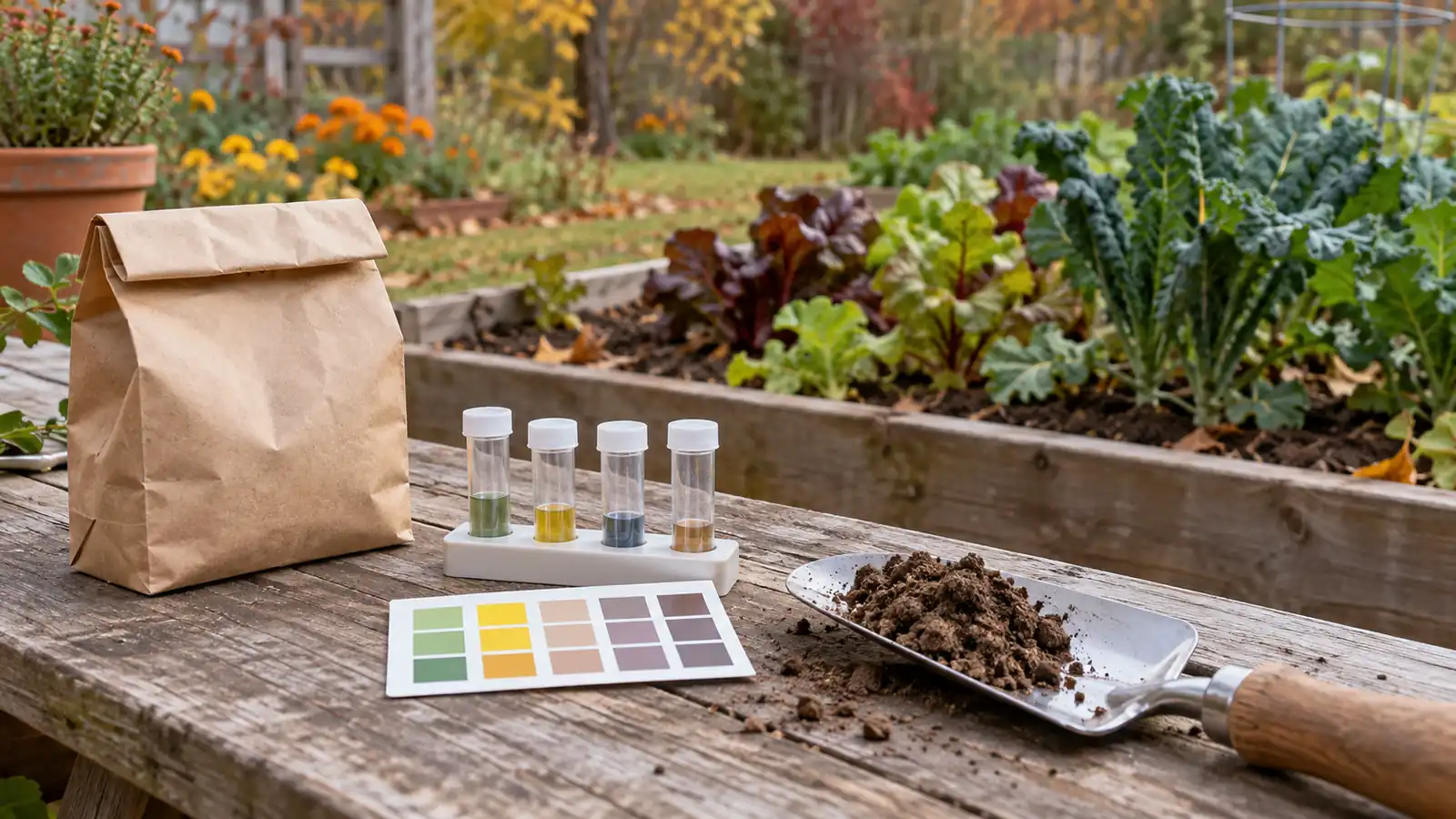
Push a narrow trowel or soil probe straight down after watering. At four to six inches, the soil should feel cool and hold together under light finger pressure. Dry sand falls loose and warm. Wet clay shines slightly and smears against the tool. That texture tells you whether the plant received water, not whether the soil surface changed color.
Soil Water Retention – Build Pore Space Before Adding More Irrigation
Soil water retention starts with structure. Compost does not act like a sponge in isolation; it helps soil particles gather into aggregates that leave small and medium pores between them. Large pores let water enter. Smaller pores hold water against gravity. Roots need both, plus oxygen in the gaps that remain after drainage.
In sandy beds, water passes through wide pores so fast that shallow roots get a short drink. Compost, leaf mold, and fine organic matter slow that drop by increasing the number of surfaces that hold thin water films. In clay, the problem often flips. Water stays available longer. Sealed clay admits it slowly and compacts into plates, so the first win from compost is better infiltration, not simply more storage.
For a home bed, the practical target is a soil surface that takes water without glazing over. Rake back mulch, water a small patch for five minutes, then press two fingers into the damp area. Good structure gives a cool, crumbly feel and breaks into small pieces. Poor structure either falls apart like beach sand or presses into a slick ribbon that coats your fingertips.
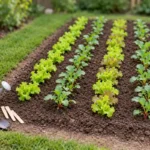
Put organic matter in beds where roots will use it, not in footpaths that mostly feed weeds. The old single-row vegetable layout wastes water because paths receive moisture, weeds respond, and the crop roots still sit in narrow strips. Blocks or wide rows conserve water better in vegetable gardens because compost, irrigation, and crop roots stay concentrated in the same growing area.
The wider soil-health work in soil health improvement matters most where beds crust after rain or irrigation. A compacted surface wastes water twice: first through runoff, then through shallow rooting. Roots follow oxygen and moisture, so a sealed layer keeps them near the surface where the next hot day dries them again.
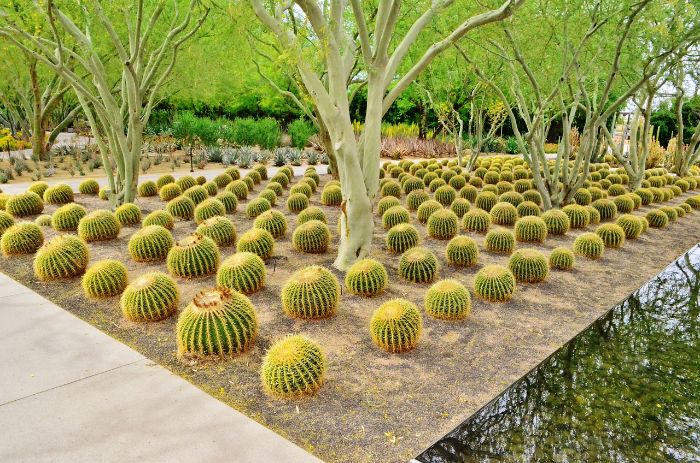
In sandy beds, longer sprinkler runs can send water below the crop roots before the gardener checks the wetting depth. The surface looks dry, the plants look tired, and the real loss is happening underneath the bed.
Mulch For Moisture – Keep The Surface Cool Without Suffocating Crowns
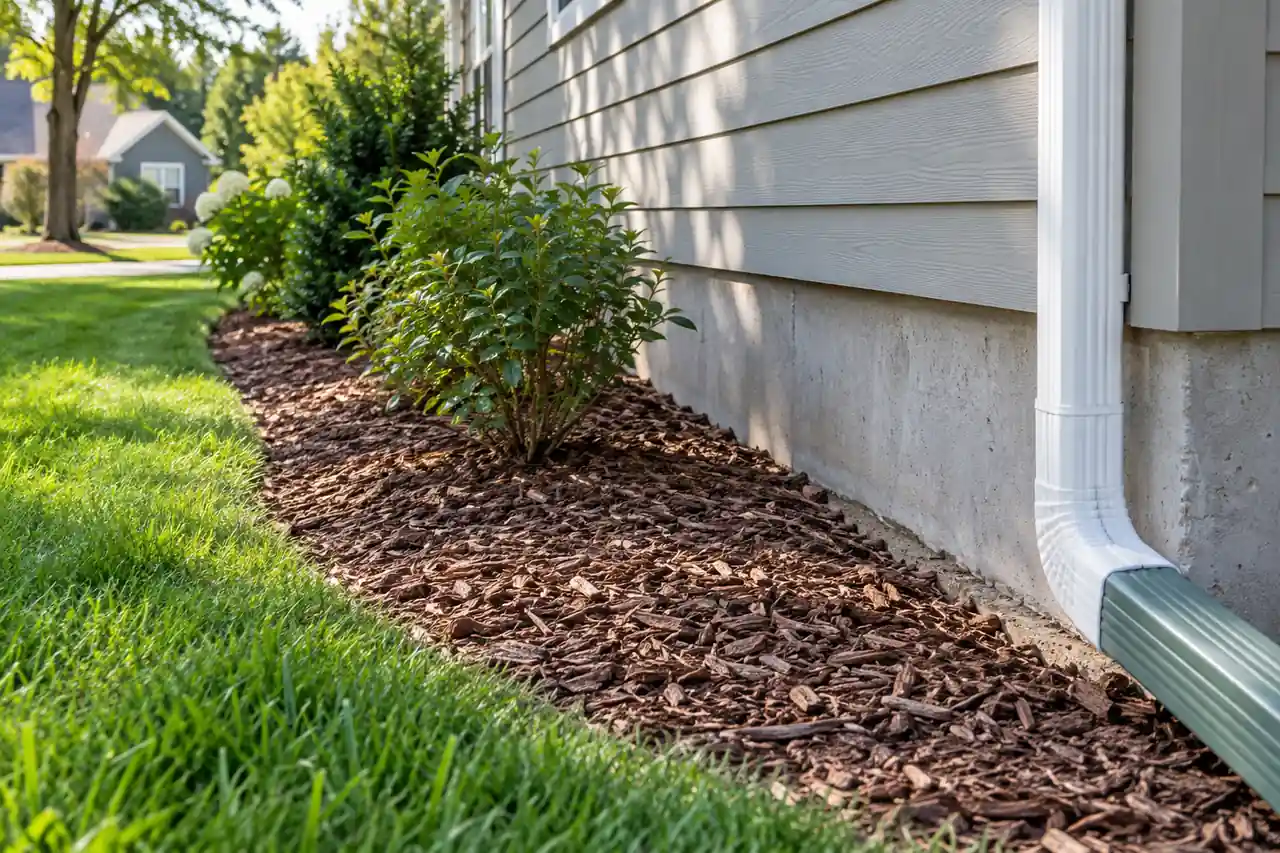
Bare soil loses water even when the bed is otherwise well managed. Sun heats the top layer, wind pulls vapor from the surface, and small weed seedlings take advantage of every watering. Mulch interrupts that loss at the exact place it begins.
Most landscape mulch applications work around three to four inches, with clear space kept around trunks and woody stems. Vegetable beds often work better near two to three inches because young plants need air around crowns and small seeds need warm soil before the mulch moves in. More depth is not always more savings. A thick, matted layer can shed water sideways or keep crowns too damp.
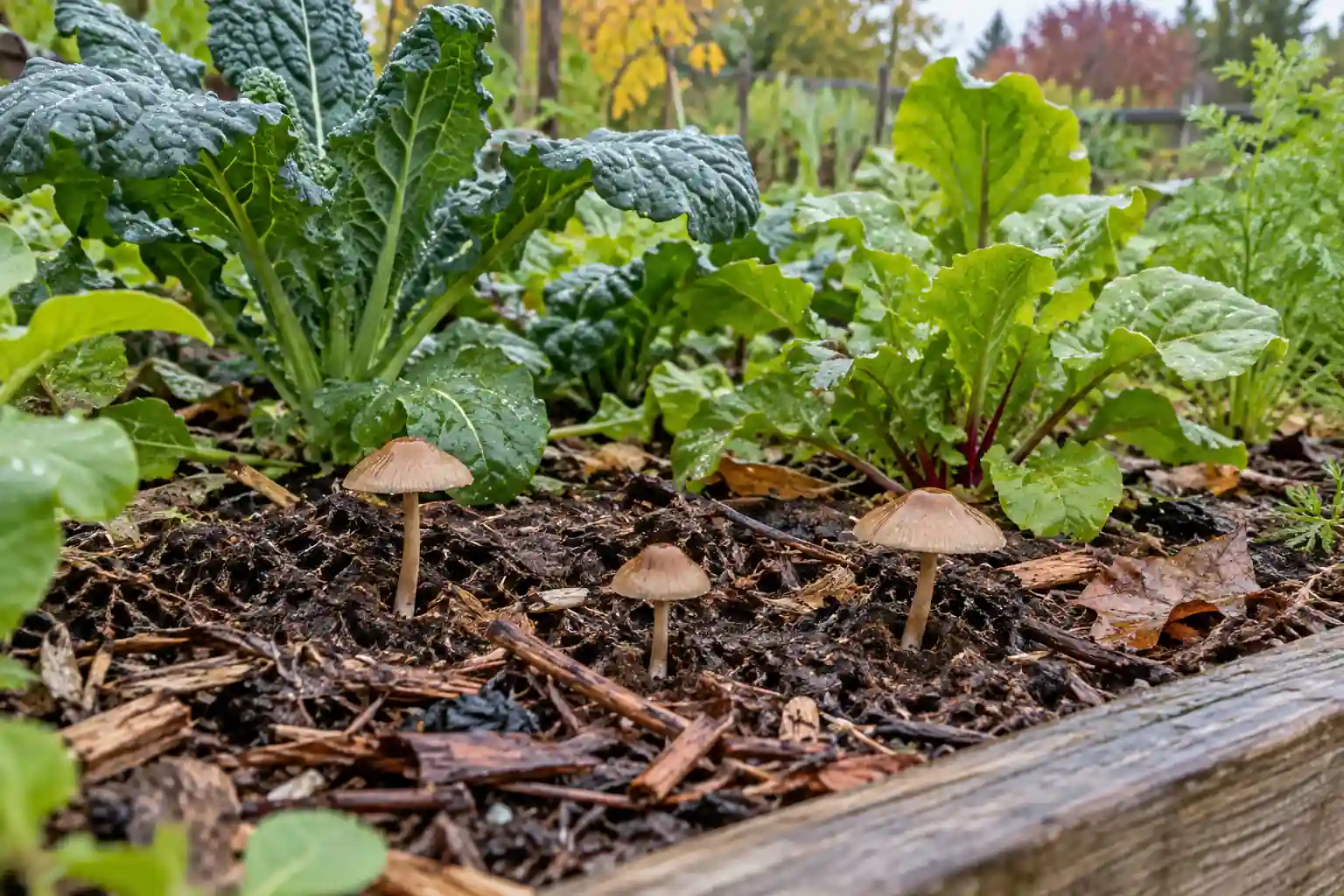
Mulch also changes soil temperature. Under shredded leaves or arborist chips, the soil surface stays cooler to the touch at midday. That cooler surface slows evaporation and reduces the heat load around shallow feeder roots. Pick up a handful from a watered bed. Good mulch feels slightly damp underneath, smells earthy, and separates when you rub it. Bad mulch forms a dry cap that water beads on like rain on waxed paper.
Water before you mulch if the bed is already dry. Covering dry soil locks in dry soil. In established beds, pull mulch aside every few weeks and check whether moisture is actually crossing the mulch-soil boundary. A surface that looks protected may still be thirsty below if the mulch has crusted, floated away from emitters, or piled against stems.
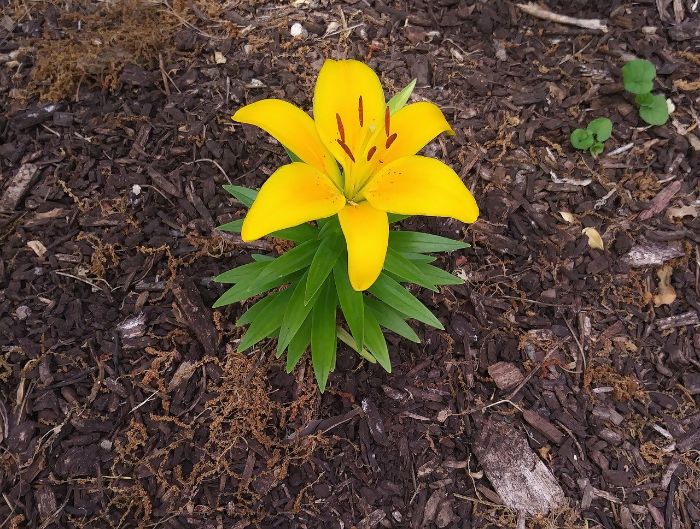
Use the detailed material logic in mulching to conserve soil moisture when the choice of bark, straw, leaves, gravel, or living mulch changes the result. Organic mulch suits vegetable beds, mixed borders, fruit shrubs, and most moisture-retentive soil building. Gravel belongs only where plants like sharper drainage and reflected heat will not scorch young leaves.
Drought-Resistant Plants – Match Plants To Real Site Conditions
Drought-resistant plants save water only after their roots have moved into the surrounding soil. A nursery-grown lavender, yarrow, sedum, or native grass still arrives with a tight root ball that dries faster than the bed around it. The first season is establishment, not proof of drought tolerance.
Plant traits give useful clues. Silver or fuzzy leaves reflect light and slow transpiration. Waxy leaves reduce vapor loss through the cuticle. Succulent leaves store water in tissue. Deep taproots reach moisture below the fast-drying surface layer. These traits reduce demand. They do not cancel the need for water during root expansion.
| Garden Position | Strong Plant Direction | Examples | Main Water Risk |
|---|---|---|---|
| Hot front border | Silver, aromatic, compact plants | Lavender, santolina, thyme, artemisia | Reflective walls raise leaf temperature |
| Sunny slope | Deep-rooted or spreading erosion-control plants | Yarrow, sedum, native grasses, creeping thyme | Water moves downhill before soaking in |
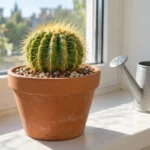
| Containers | Compact drought-tolerant plants with smaller root demand | Sedum, thyme, dwarf lavender, echeveria in warm climates | Root balls dry from all sides |
| Pollinator strip | Region-adapted flowers with staggered bloom | Yarrow, salvia, coreopsis, bee balm where moisture allows | New plants still need establishment water |
| Vegetable edge | Moderate-demand herbs and flowers outside the main crop zone | Thyme, oregano, chives, calendula, marigold | Thirsty crops nearby can distort the schedule |
Native plants are not automatically low-water plants. A moisture-loving native from a stream edge will resent a dry curb strip. A Mediterranean herb may outperform it in that same hot, lean soil. Regional fit matters more than the label on the pot.
Use drought-tolerant plants as a plant-selection layer, then match each choice to soil texture, slope, winter drainage, and reflected heat. Dry summers do not remove the risk of winter wet. Many low-water plants fail when crowns sit in cold, saturated soil long after the growing season ends.
Pro Tip: Water a new low-water perennial in a ring six to eight inches outside the crown after the first month. If the plant only receives water at the original root ball, roots stay tight. A wider wetting ring trains roots outward into the bed that will later carry the plant through dry weather.
Hydrozones And Drip Irrigation – Stop Watering The Whole Bed For One Thirsty Plant
Hydrozoning is the difference between a low-water garden and a garden that happens to contain drought-tolerant plants. One hydrangea, young fruit tree, or vegetable patch can make an entire mixed bed run on a high-water schedule. The dry plants survive. The water bill does not improve.

Group plants by water need and irrigation method. Edibles, new shrubs, lawn fragments, dry borders, containers, and rain-fed native plantings need different rhythms. The benefit is practical: each valve, hose route, or watering pass serves one root-zone target. Hydrozones work best when low-output irrigation, drip placement, and seasonal adjustment follow plant water need instead of bed shape alone.
Drip irrigation and soaker hoses reduce waste because water lands near the root zone at a low rate. They still need calibration. A drip line under mulch can miss a plant if emitters sit too far from active roots. A soaker hose on compacted soil can wet a narrow stripe and leave the feeder roots beside it dry.
Test the system with the soil, not the timer. Run the line for twenty minutes, wait thirty minutes, then probe at several points along the bed. Moisture should reach the active root depth for that planting: four to six inches for many annuals and vegetables, deeper for shrubs and young trees. The deeper method in deep watering techniques is useful when shallow cycles keep roots near the surface.
Runoff-prone beds need cycling. Water for eight to ten minutes, pause long enough for the surface sheen to disappear, then run the next cycle. The same soak-pause logic avoids puddling and pushes more water into the soil profile before the next cycle begins. The pause looks inefficient on a clock and efficient in the root zone.
For mixed gardens, a separate check from grouping plants by water needs keeps the design honest. If one plant always drives the schedule, move the plant, change the irrigation, or accept that zone as a higher-water feature. Water conservation improves when the high-demand area is small and intentional.
Rainwater And Reuse – Capture Water Only Where It Can Be Used Safely
Rainwater harvesting saves the most when stored water has a planned job. A barrel at the wrong downspout fills nicely and then sits unused because the nearest plants already receive irrigation. Place storage near containers, nursery beds, new shrubs, or a small edible bed that needs hand watering.

Roof area changes the math fast. One inch of rain on a 1,000-square-foot roof can yield about 625 gallons before system losses. Even a small shed roof can supply a meaningful reserve for container plants. For conservation, overflow routing matters more than theoretical catch after the barrel is full.
Rain gardens solve a different problem. They slow runoff and let stormwater soak into a planted depression where roots and soil biology process part of that pulse. Rain gardens need plants that tolerate brief saturation as well as later dry periods. A plant that hates winter saturation will fail in a basin even if it handles summer drought on a slope.
Graywater needs more caution than rainwater. Graywater should not be used on root vegetables or crops where edible parts touch soil because pathogens may be present. Salt, boron, chlorine bleach, and some detergents can also damage soil and plants over time. Ornamental trees and shrubs are safer targets when local rules allow graywater use.
Good rainwater harvesting techniques depend on catchment size, storage placement, first flush, and overflow routing; stored water only helps when it reaches a useful bed. The conservation decision comes first: capture only the water you can move to a plant, bed, or infiltration area at the moment it helps.
Start With The Water-Loss Check
Before buying new plants or adding irrigation hardware, run a simple water-loss check on one warm morning. Water the bed the way you normally do. Set a timer for ten minutes, then watch where water travels, where the surface stays dry, and where the first puddles form.
After thirty minutes, probe three places: beside a healthy plant, beside the plant that wilts first, and in the bare soil between them. A healthy spot may sit where water reaches four to six inches. Near the stressed plant, hot dry soil may remain below the wet surface. Bare gaps may receive water that only feeds weeds.
Use the first failure signal as the first fix. Runoff calls for cycling, basins, or slower delivery. Warm dry soil below a wet surface calls for deeper watering and better infiltration. Bare soil calls for mulch or tighter planting. Mixed moisture needs call for hydrozones.
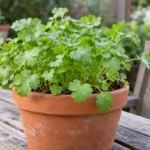
Containers need their own version. Lift the pot before watering and again after water drains. A thirsty container feels light, sounds hollow when tapped near the side, and often pulls slightly away from the pot wall. If water runs straight down that gap, soak in two passes ten minutes apart so the potting mix swells and accepts moisture again.
Repeat the check at the first heatwave, not after plants collapse. Soil moisture monitoring becomes far more useful when it records patterns before emergencies, and the method in soil moisture monitoring gives sensors and handheld probes a real job. The first usable-water loss usually comes from one of five places: surface crusting, slope, wind exposure, open spacing, or a watering schedule built around the wrong plant.
Conclusion
Water conservation in a garden starts with one rule: make water useful before adding more of it. Probe below the surface, split runoff-prone cycles, cover bare soil after it is moist, and keep high-water plants in deliberate zones. If irrigation reaches four to six inches in annual beds and deeper around shrubs, the garden has a better chance of staying hydrated between waterings.
The best signal comes the next morning: soil still feels cool under the mulch, leaves recover without a midday rescue soak, and new roots move out from the original planting hole into dark, crumbly soil.
FAQ
What Is The Fastest Way To Conserve Water In A Garden?
Fix the first visible loss point. When water runs off, shorten the cycle and add a soak pause. A surface that dries hard by midday needs mulch after watering. One plant that keeps wilting should be separated from lower-water plants so the whole bed does not receive its schedule.
How Do I Make Garden Soil Hold Water Longer?
Compost, leaf mold, and stable organic matter improve soil structure over time by increasing pore space and aggregate formation. Sandy soil gains more water-holding surfaces. Clay soil gains better entry points for water and air. The change is gradual, so pair amendments with mulch and slower watering during the first season.
Do Drought-Resistant Plants Need Water After Planting?
Yes. Drought resistance begins after establishment, not at planting. Most new perennials and shrubs need regular watering through their first hot season because roots are still concentrated in the nursery root ball. Water the surrounding soil too, or roots have little reason to leave that tight zone.
Is Drip Irrigation Always Better Than Hand Watering?
Drip irrigation saves water when emitters match the active root zone and the system runs long enough to reach depth. A misplaced drip line wastes water quietly. Hand watering works for containers, new transplants, and small beds when it is slow, low, and checked with a probe.
Can Rain Barrels Replace Garden Irrigation?
Rain barrels help most when they serve containers, young plants, and small high-value beds near the downspout. They rarely replace a full irrigation plan for an entire garden through dry weather. Overflow routing matters as much as storage because the barrel fills during storms, then the extra water needs a safe place to soak in.