
Last Updated June 04, 2026
Root vegetables look forgiving until the harvest tells the truth. Carrot tops can look handsome above a root that forked into three short legs below a buried stone. Fast radishes can sprout cleanly and turn woody after one hot spell. Parsnips can need the whole season, then taste sweetest only after cold weather has changed the root.
The best root vegetables for a garden are the ones that match the bed below the surface. Soil depth, texture, drainage, temperature, moisture pattern, and harvest goal matter more than a seed packet photo. Long roots need a different bed from round roots. Cool-season roots need different timing from sweet potatoes and other warm-weather underground crops.
Choose root vegetables by the job they can do in your actual garden: quick salad harvest, storage food, container crop, clay-tolerant crop, cool-season succession, or warm-season staple. Once that job is clear, crop choice becomes much easier.
Key Takeaways
- Choose long roots only where soil is deep, loose, and mostly stone-free
- Use round carrots, beets, radishes, and salad turnips in shallow or heavier beds
- Plant most classic root crops in cool spring or fall weather
- Use containers for radishes, beets, round carrots, and potatoes when ground soil is poor
- Match crop choice to harvest use: quick eating, greens, roasting, storage, or calorie yield
Table of Contents
Choose The Right Root Vegetables By Soil Depth, Texture, And Bed Condition
A root vegetable bed succeeds when the crop shape fits the soil before roots start swelling. Taproots push down through the path available to them. Stones, compacted layers, fresh manure clumps, and dry crusts change that path and show up later as forks, splits, stubs, and hairy roots.
Read the bed with a trowel before choosing seed. Dig 8 to 12 inches in several spots. If the soil crumbles, drains, and lets a trowel slide through without scraping rocks, long carrots and parsnips have a chance. If the soil is dense, shallow, or full of old roots, choose shorter crops or build a deeper growing zone.
| Garden Condition | Root Vegetables That Fit | Why They Fit | Crop To Limit |
|---|---|---|---|
| Deep sandy loam | Carrots, parsnips, daikon radishes, salsify | Long roots can run straight and size evenly | Potatoes if the soil dries too quickly |
| Improved clay or clay loam | Beets, turnips, rutabagas, round carrots, potatoes in ridges | Round roots tolerate more resistance than long taproots | Long carrots and parsnips unless the bed is loosened deeply |
| Shallow raised bed | Radishes, baby beets, salad turnips, Parisian carrots, scallions | Short roots mature before depth becomes limiting | Daikon, parsnips, large storage carrots |
| Hot summer garden | Sweet potatoes, potatoes in mild summer regions, early spring beets | Warm-season roots use heat that cool crops cannot handle | Radishes, turnips, and carrots during peak heat |
| Cool fall bed | Carrots, beets, rutabagas, turnips, parsnips | Cool weather improves texture and flavor in many roots | Sweet potatoes once nights cool down |
Bed preparation changes the crop list. A rocky bed can still grow radishes and beets. A broad, loosened, compost-fed bed can carry longer carrots. Vegetable garden soil preparation matters most where native soil is compacted, crusted, or low in organic matter.
Match Root Vegetables To Soil Texture And Depth
Root crops use the soil body as their shape mold. Fine, loose soil supports clean shoulders and straight growth. Compacted clay resists downward movement. Sand drains fast and can leave roots small if moisture is not held long enough. Silt can crust on top and make tiny seedlings struggle before they ever form a usable root.
Texture also changes harvest. A carrot in loose loam can be lifted after watering. A carrot in dense clay may snap unless the soil is loosened with a fork. Potatoes need enough loose volume for tubers to expand. Beets and turnips can deal with firmer soil, provided drainage and spacing are good.
| Soil Texture | Better Choices | What To Fix First | Failure Sign |
|---|---|---|---|
| Sandy soil | Carrots, radishes, parsnips, potatoes with mulch | Add compost for moisture holding and water evenly | Small roots, hot flavor, dry shoulders |
| Clay soil | Beets, turnips, rutabagas, round carrots, ridged potatoes | Improve drainage, loosen shallow compaction, avoid working wet soil | Forked roots, rough skin, slow harvest digging |
| Silty soil | Beets, carrots, radishes, onions, garlic | Prevent crusting with compost, fine mulch, or row cover | Poor germination and thin rows |
| Raised bed mix | Most root crops if depth matches crop size | Check drying speed and settle depth after watering | Roots stop at the bottom layer or split after dry spells |
| Rocky ground | Radishes, baby beets, salad turnips, potatoes in grow bags | Remove stones or grow short-rooted types | Forked carrots and scarred roots |
Fertility should support root growth without pushing only leaves. Excess nitrogen can push leaf growth at the expense of root sizing, especially when compost, manure, or fertilizer is added without a soil-test reason. Compost is useful when it improves crumb structure and moisture balance. Fresh manure, fertilizer clumps, and uneven amendments can deform sensitive taproots.
Choose Root Vegetables By Climate And Planting Season
Most classic root vegetables are cool-season crops. Carrots, beets, radishes, turnips, rutabagas, and parsnips grow cleanest when days are mild and soil stays evenly moist. Hot weather can make radishes pithy, turnips sharp, carrots coarse, and beets slow to size.
Soil temperature matters at sowing. Many root vegetables can germinate in cool soil, with a stronger germination window around 55 to 70 degrees Fahrenheit for root crops. In cold spring soil, carrots and parsnips may sit for weeks. In hot soil, seed dormancy, poor root shape, and coarse texture become more likely.
| Season Pattern | Best Root Choices | Planting Logic | Main Risk |
|---|---|---|---|
| Short cool spring | Radishes, baby beets, salad turnips, short carrots | Choose fast crops that finish before heat | Late sowing creates hot, woody roots |
| Long cool spring | Carrots, beets, turnips, potatoes, parsnips | Use early sowing and succession rows | Cold wet soil can delay germination |
| Hot summer | Sweet potatoes, warm-season potatoes where suited | Use heat for crops that need warm soil | Classic cool roots lose quality |
| Mild fall | Carrots, beets, turnips, rutabagas, radishes | Sow early enough for roots to size before short days | Planting too late leaves small roots |
| Cold winter region | Parsnips, storage carrots, rutabagas, fall beets | Use fall cold for sweetness and storage quality | Frozen ground blocks harvest unless mulched |
Climate choice also includes day length and rainfall. A humid region may need wider spacing and better airflow around beet and turnip foliage. A dry region may need drip lines, mulch, and closer moisture checks. Soil moisture monitoring is useful for root crops because the surface can look dry even when the swelling root zone still has water, or the top can look damp after a sprinkle as deeper soil stays dry.
In tropical and subtropical gardens, the root vegetable list changes. Cassava, taro, yams, ginger, and turmeric need longer warmth than most temperate gardens can provide, and some need specific handling before eating. Treat them as warm-climate or specialty crops with different timing, handling, and climate requirements from carrots, beets, and parsnips in cool-season beds.

Root Vegetable Selector Table For Home Gardens
A strong root vegetable mix usually includes one fast crop, one reliable staple, one storage crop, and one crop chosen for the soil problem you actually have. That gives the garden several chances to succeed without putting every row into one slow crop.
| Root Vegetable | Typical Harvest Window | Best Fit | Good Garden Use | Avoid When |
|---|---|---|---|---|
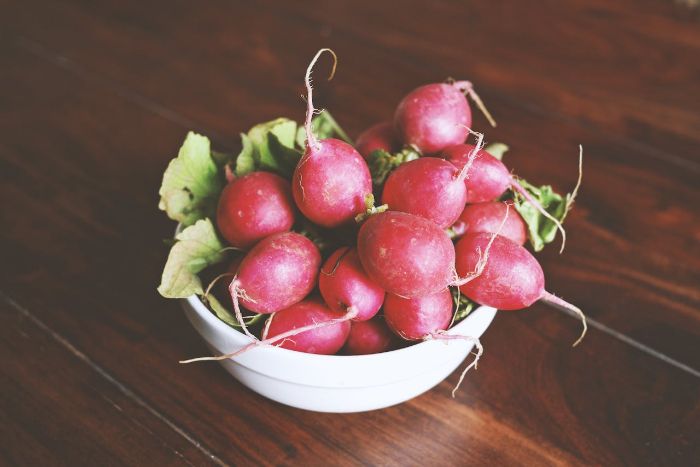
| Radish | 25 to 35 days | Cool, loose, evenly moist beds | Fast harvest, row marker, beginner crop | Weather is hot or harvest will be delayed |
| Carrot | 60 to 80 days, longer for storage types | Loose soil, moderate fertility, even water | Fresh eating, storage, children-friendly harvest | Soil is rocky, compacted, or recently manured |
| Beet | 50 to 70 days | Cool weather, loam or improved clay | Dual harvest from roots and greens | Rows cannot be thinned accurately |
| Turnip | 35 to 60 days | Cool spring or fall beds | Quick roots, edible greens, small-space yield | Summer heat is already building |
| Parsnip | 100 to 120+ days | Deep, loose soil and long cool season | Late fall sweetness and winter harvest | The bed is shallow or the season is short |
| Rutabaga | 80 to 100 days | Cool fall season and firm moisture | Storage roots and hearty cooking | Summer heat arrives before roots size |
| Potato | 70 to 120 days, depending on early or maincrop type | Loose soil, ridges, grow bags, or deep containers | High calorie yield in limited space | Soil stays waterlogged or disease rotation is tight |
| Sweet potato | 90 to 120+ frost-free days | Warm soil, long season, sunny beds | Heat-loving staple and edible greens in some regions | Nights stay cool through summer |
| Onion and garlic | Long season, harvested after tops mature | Well-drained beds with sun and good spacing | Kitchen staples with storage value | Wet winter soil causes rot |
| Celeriac | Usually 100+ days | Long, cool, evenly moist season | Unusual storage root for soups and roasting | Watering will be irregular |
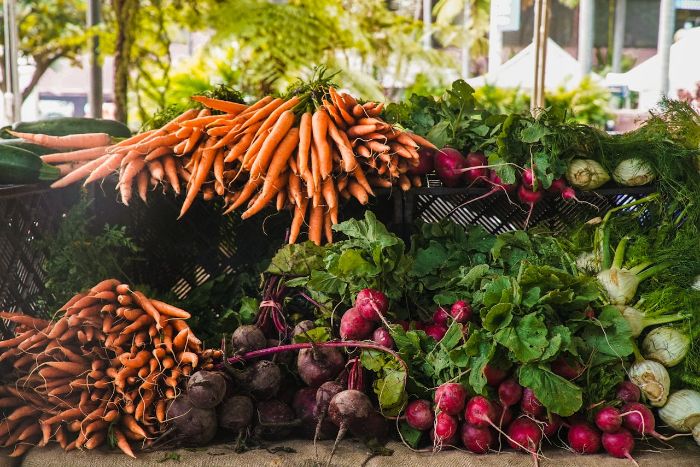
Botanically, some of these crops are taproots, tubers, bulbs, or swollen stem bases. Garden selection can still group them together because the edible harvest forms below ground and depends on soil structure, depth, moisture, and harvest timing.
Main Root Vegetable Types Before Choosing Crops
| Group | Examples | What The Garden Needs | Main Selection Risk |
|---|---|---|---|
| Taproots | Carrots, parsnips, radishes, daikon, salsify | Loose, stone-free soil with enough depth for the root shape | Forking, stunting, or woody texture when soil is compacted, hot, or dry |
| Swollen roots and stem bases | Beets, turnips, rutabagas, celeriac | Even spacing, cool weather, firm moisture, and good drainage | Small roots, rough texture, or excess leaves when spacing or fertility is wrong |
| Tubers | Potatoes and sweet potatoes | Loose volume, sun, season length, and crop rotation | Low yield or disease when soil is waterlogged or rotation is tight |
| Bulbs and cloves | Onions and garlic | Full sun, drainage, correct planting time, and enough leaf growth | Rot, small bulbs, or poor storage when timing and drainage are wrong |
Short, Round, Or Long Roots – Choose The Shape That Fits The Bed
Root shape is a practical shortcut. Long roots need depth. Round roots need even spacing and a few inches of loosened soil. Tubers need loose volume around the stem or root system. Bulbs need drainage near the base and enough top growth to feed the swollen storage organ.
Carrots show the difference clearly. Imperator-type carrots need deeper, cleaner soil. Nantes carrots are more forgiving in average garden soil. Chantenay and Parisian types suit heavier or shallower beds because they grow shorter and broader. The growth-stage logic behind carrot root development helps explain why early root disturbance changes the final harvest shape.
Beets and turnips are better choices where a long taproot would fail. Their round shape lets them size closer to the surface, and their greens give a useful harvest even when the root crop is smaller than expected. Radishes are the fastest test crop. If radishes emerge poorly, crusting, dryness, seed depth, or soil temperature likely need correction before slower carrots go in.
Potatoes and sweet potatoes need a different kind of room. Potatoes form tubers along buried stems, so hilling, ridging, or deep containers improve the crop. Sweet potatoes need warm soil, a long frost-free season, and loose ground where tubers can expand without becoming thin and tangled.
Grow horseradish in contained beds or large containers because root pieces can regrow after harvest. It is a strong choice for gardeners who want a perennial pungent root. Place it outside small mixed vegetable beds unless the containment plan is already built.
Containers, Raised Beds, And Small Garden Root Crops
Containers solve bad ground soil only when the container has enough depth, width, and moisture buffer. A shallow pot can grow radishes. Beets and round carrots need more room. Potatoes need a deeper bag or tub with enough soil volume to stay evenly moist. A black container on hot paving can overheat roots faster than an in-ground bed.
Match container depth to the edible root, then add space for drainage and watering margin. Container depth by vegetable root type becomes the buying decision for balconies, patios, and small paved yards. Choose shorter carrot types, compact beets, radishes, salad turnips, scallions, garlic in deep troughs, and potatoes in grow bags.
Raised beds are useful when native soil is heavy, rocky, or slow to drain. They also warm earlier in spring and make harvesting easier. The tradeoff is faster drying. A raised bed filled with fluffy mix can grow beautiful roots in April and stressed roots in July if water is irregular.
Small gardens benefit from quick rotations. Radishes can open the season, then be replaced by bush beans or summer herbs. Baby beets can share a bed edge. Fall carrots can follow early peas or lettuce. Root crops fit small spaces best when each row has a harvest date and a next crop waiting.
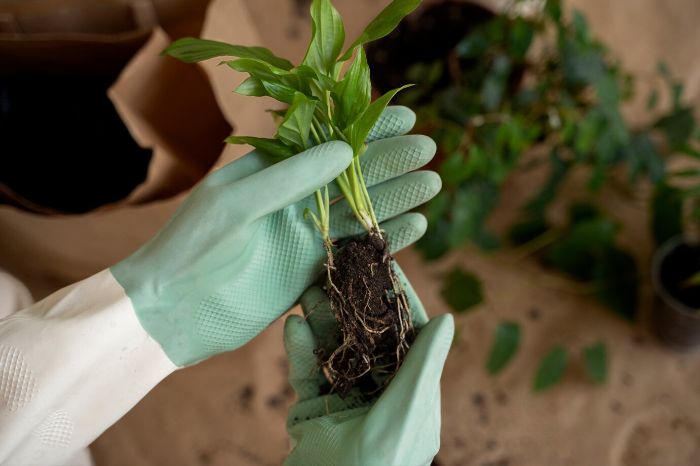
Choose Root Vegetables By Flavor, Storage, And Kitchen Use
Soil fit gets the plant established. Kitchen use decides whether the crop earns space. A fast radish row is useful if the household eats salads. A parsnip row is worth the long wait only where fall cooking and winter storage matter. Potatoes may be a better staple crop than five novelty roots if storage food is the main goal.
| Harvest Goal | Better Choices | What To Plant Less Of | Timing Note |
|---|---|---|---|
| Fast fresh eating | Radishes, salad turnips, baby beets | Parsnips and rutabagas | Sow small amounts every 1 to 2 weeks in cool weather |
| Sweet fall flavor | Carrots, parsnips, rutabagas | Hot-weather radishes | Cold weather improves many root flavors |
| Greens plus roots | Beets, turnips, radishes | Potatoes and parsnips | Harvest outer greens lightly so roots keep growing |
| Winter storage | Carrots, beets, rutabagas, potatoes, onions, garlic | Quick salad radishes | Choose storage varieties and harvest mature roots carefully |
| High calorie yield | Potatoes, sweet potatoes | Small gourmet roots | Give more bed volume and a full season |
Storage crops need clean harvest handling. Bruised carrots, cut potatoes, and cracked beets do not store as well as sound roots. Leave soil lightly attached until curing or storage preparation makes sense, and keep roots shaded after harvest so they do not soften in the sun.
Common Selection Mistakes That Make Roots Small Or Forked
Most root vegetable problems begin before planting. The wrong crop in the wrong bed cannot be rescued by extra fertilizer later. A long carrot in stony soil, a radish in summer heat, or a potato in wet compacted ground is already working against its own growth habit.
| Problem At Harvest | Likely Selection Mistake | Better Choice Next Time | Correction |
|---|---|---|---|
| Forked carrots or parsnips | Long-rooted crop in rocky, clumpy, or freshly amended soil | Short carrots, beets, radishes, turnips | Remove stones and use mature compost before sowing |
| Woody radishes | Fast cool crop planted into heat or left too long | Fall radishes or salad turnips | Sow smaller batches and harvest promptly |
| Mostly leaves, small roots | Too much nitrogen or too little thinning | Beets or turnips with careful spacing | Thin early and use balanced fertility |
| Cracked roots | Irregular moisture during swelling | Mulched carrots, beets, or potatoes in better water reach | Water before deep dry-down, then avoid flooding |
| Diseased or damaged roots | Repeated related crops in the same bed | Rotate with legumes, greens, or fruiting crops | Use crop rotation principles before pest pressure builds |
Companions can help manage bed use after the crop is chosen. Fast radishes can mark slow carrot or parsnip rows. Herbs and flowers can bring beneficial insects near root beds. Brassica-family roots still need pest awareness because cabbage root maggots and flea beetles can follow the family. Root vegetable companion plants work best after the main crop already matches soil, spacing, season, and moisture needs.
A Practical Root Vegetable Mix For Small, Cool, Hot, And Deep Beds
A balanced home garden does not need every root crop in the seed catalog. Four groups usually give a better harvest pattern: a fast cool crop, a dependable main crop, a storage crop, and one crop matched to a difficult condition.
For a small spring bed, plant radishes or salad turnips at the edge, beets in the middle, and a short carrot variety where soil is loosest. In a deeper fall bed, shift the space toward carrots, rutabagas, and parsnips. In a hot garden, save peak summer space for sweet potatoes and return to cool roots when nights soften.
Use potatoes only where the garden can spare volume. They reward space, loose soil, and rotation. In a tiny bed, a grow bag may be cleaner than giving potatoes the middle of the vegetable garden. In a larger bed, ridges or trenches make harvest easier and keep tubers covered as they size.
Keep one test row each season. A short row of radishes, a half-row of beets, or one container of round carrots tells you how the soil, water, and timing are behaving. The best future root vegetable choice often comes from the row that failed clearly.
Conclusion
Choosing root vegetables starts below the leaves. The crop has to match soil depth, texture, moisture, temperature, and the time available for roots or tubers to size. A long carrot needs a different bed from a round beet. A radish needs a different season from a sweet potato.
Use the garden conditions as the first filter. Deep loose soil can carry carrots, parsnips, and daikon. Heavier or shallower soil points toward beets, turnips, radishes, and short carrots. Containers can make poor ground usable if depth and water are managed carefully.
The strongest root vegetable plan gives the garden several kinds of success: quick harvests, dependable staples, storage roots, and one crop chosen for the site’s hardest condition. When the below-ground match is right, the harvest comes out cleaner, sweeter, and easier to use.
FAQ
What Root Vegetables Are Easiest For Beginners?
Radishes, beets, salad turnips, and short carrots are usually the easiest. They germinate in cool weather, mature faster than parsnips, and tolerate average garden soil better than long storage carrots.
Which Root Vegetables Grow Best In Clay Soil?
Beets, turnips, rutabagas, round carrots, and potatoes in ridges are better choices for improved clay soil. Long carrots and parsnips need deeper loosening or a raised bed to avoid forking and stunting.
Can Root Vegetables Grow In Partial Shade?
Some root vegetables can grow in partial shade if they receive several hours of direct light and the soil stays evenly moist. Radishes, beets, turnips, and leafy beet greens are more forgiving than potatoes, sweet potatoes, and large storage roots.
Should Root Vegetables Be Direct Sown Or Transplanted?
Most taproot crops should be direct sown because early root disturbance can bend, fork, or stunt the edible root. Carrots, parsnips, radishes, and turnips are safest from seed in place. Onion starts, garlic cloves, and potato seed pieces are planted differently.
What Root Vegetables Grow Well In Containers?
Radishes, round carrots, baby beets, salad turnips, scallions, garlic, and potatoes in grow bags can work well in containers. Match pot depth to root size and keep moisture even because containers dry faster than ground beds.
How Do You Choose Root Vegetables For Hot Climates?
Use cool-season roots in the mildest spring and fall windows, then give hot summer space to sweet potatoes or other heat-adapted underground crops. Choose faster radishes, beets, and salad turnips before heat arrives, and use shade cloth only as a short-term buffer.