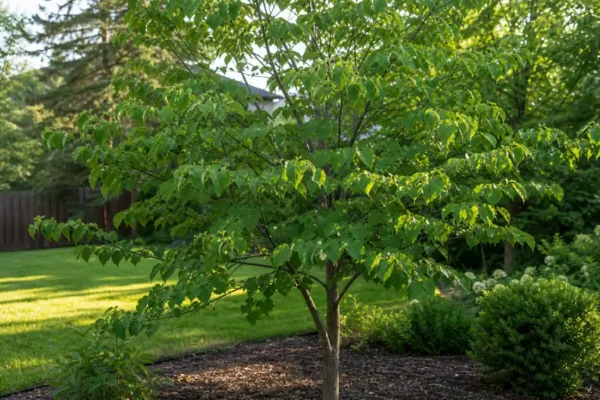
Redbud Leaves Curling: Heat Stress, Water Problems, Or Wilt?Read More
Diagnose redbud leaves curling by heat timing, soil moisture, pest clues, herbicide exposure, and wilt warning signs before pruning.
Diagnose redbud leaves curling by heat timing, soil moisture, pest clues, herbicide exposure, and wilt warning signs before pruning.
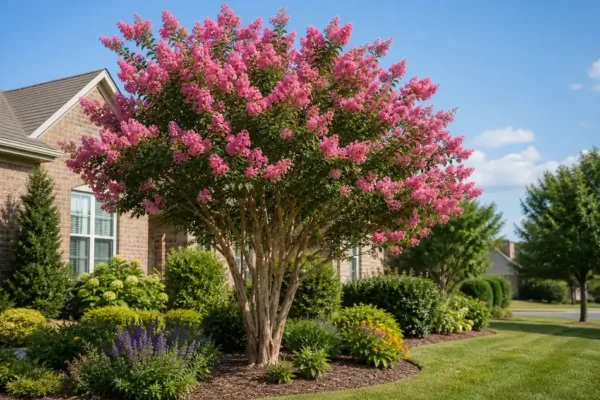
Learn crepe myrtle care for sun, water, pruning, mulch, pests, and winter recovery so trees bloom cleanly without weak topping cuts.
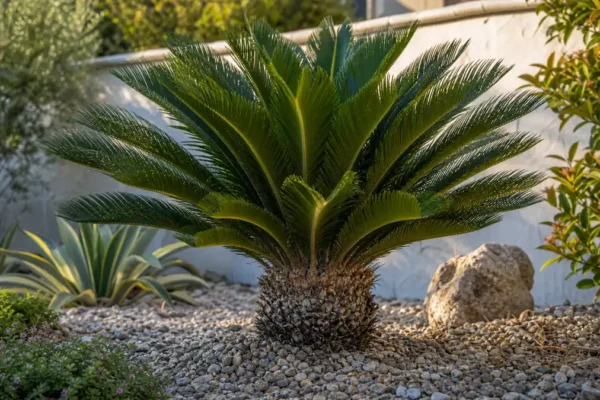
Learn why the sago palm is a cycad, not a true palm, plus key ID traits, growth habits, safety risks, and where it fits in gardens.
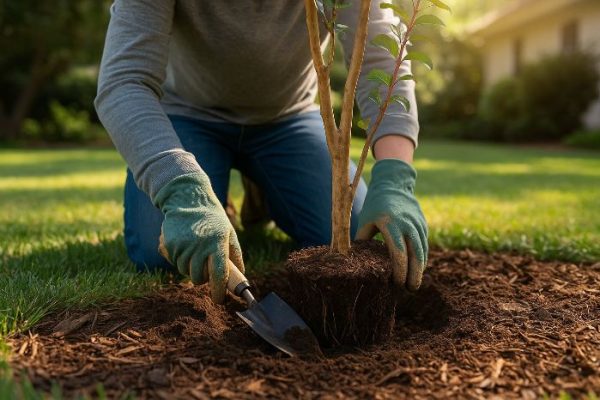
Crepe myrtles (Lagerstroemia indica) are among the most widely planted ornamental trees in warm U.S. regions – and for good reason. With vivid blooms, striking bark, and low maintenance needs, they thrive in landscapes from Texas to the Carolinas. But long-term success begins at planting. This guide covers the essential steps to correctly plant crepe…
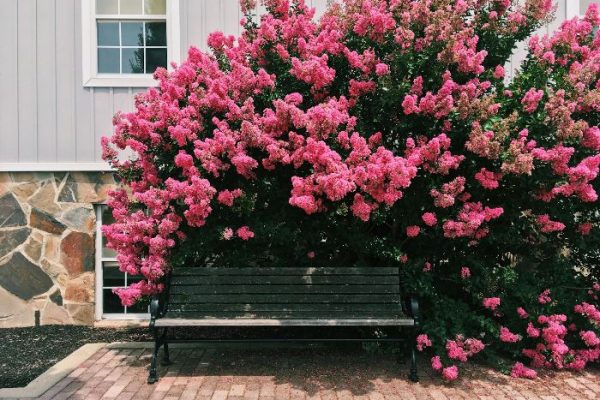
As cities grow and get more crowded, can the bright crepe myrtle make urban areas green again? This piece looks at how crepe myrtle can change cityscapes for the better. It talks about its beauty and its role in making cities healthier and more alive. Crepe myrtle can clean the air and help many different…

Ever wondered why some Crepe Myrtle trees bloom brightly while others don’t? It’s often about the soil and site setup. When you plant Crepe Myrtle, knowing what soil it likes is key. A good setup helps your plants grow strong and bloom well. This guide will show you how to prepare soil for Crepe Myrtle….
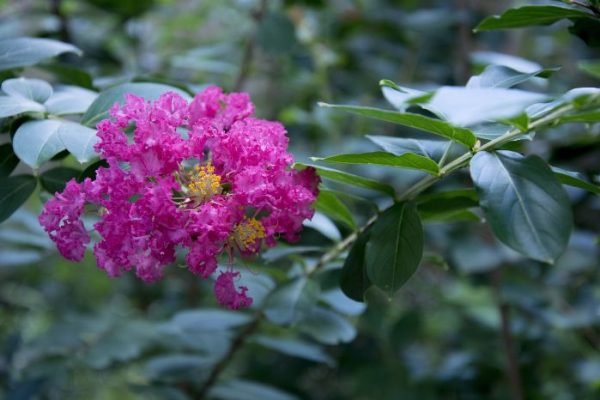
Updated April 11, 2026 Choosing a crepe myrtle gets expensive when the plant that looked graceful in a nursery pot turns into a tree that crowds a walkway, shades a window, or gets topped every winter just to keep it in bounds. Size mistakes do more damage than color mistakes. The best crepe myrtle for…
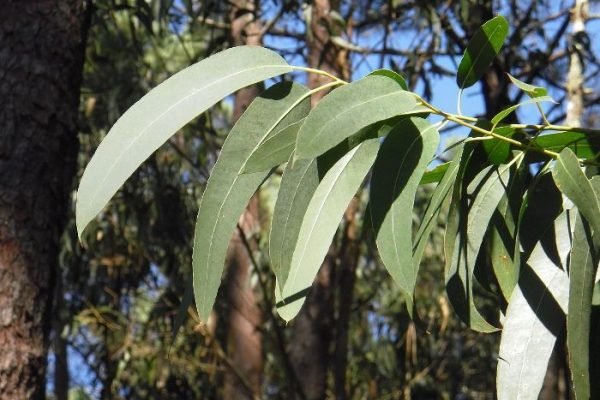
Last Updated April 29, 2026 Eucalyptus tree varieties differ by much more than silver leaves and fragrance; their mature size, growth habit, cold tolerance, roots, and pruning response decide whether they suit a home garden. The plant tag might show a neat blue-green spray, and the young tree in the pot might smell clean when…
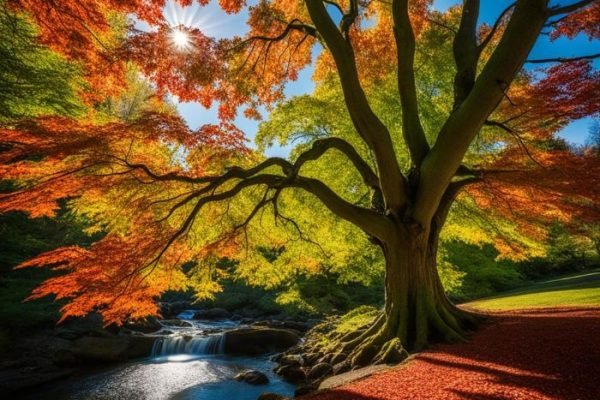
Updated April 21, 2026 Maple tree types differ most in mature size, growth habit, root behavior, bark, sap sugar content, and wood density. Sugar maple and black maple lead the syrup and hard-wood side of the genus. Red maple is the broad-use landscape maple for mixed conditions. Silver maple fills open ground fast, while Japanese…
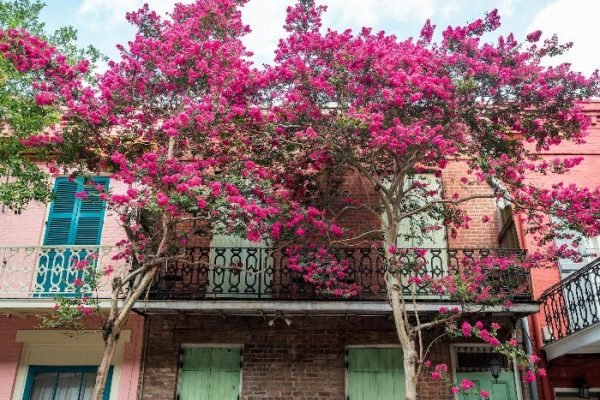
Crepe Myrtle isn’t just another flowering tree – it’s a landscaping powerhouse. With vivid summer blooms, sculptural bark, and impressive adaptability, it can turn any outdoor space into a visual highlight. From compact patio varieties to full-size trees that anchor entire gardens, its range is unmatched. Choosing the right type and knowing how to grow…
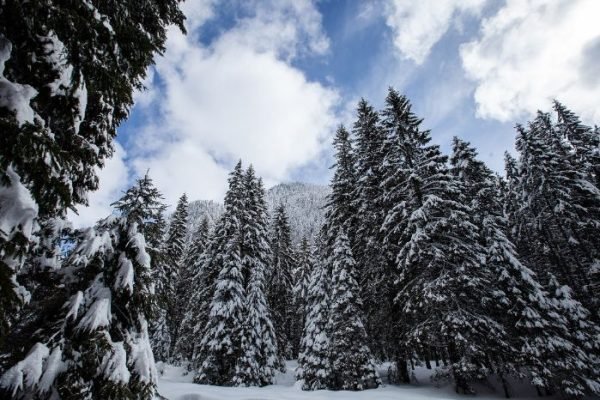
Pine trees display substantial variation in structure, adaptation, and ecological function. Each species within the Pinus genus expresses distinct growth forms, needle configurations, and bark textures, influencing both their role in native habitats and their value in landscape design. Selecting appropriate pine species requires understanding these differentiating characteristics and their performance across climate zones, soil…
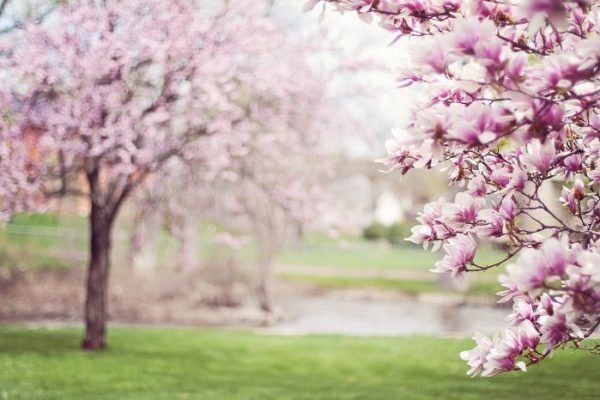
With over 225 species distributed across the globe, magnolia trees are renowned for their large, fragrant flowers and distinctive foliage. Their striking appearance, symbolic significance, and enduring charm have secured their place as beloved icons in gardens and natural landscapes worldwide. This article provides an in-depth exploration of magnolia trees, examining their diverse species, natural…
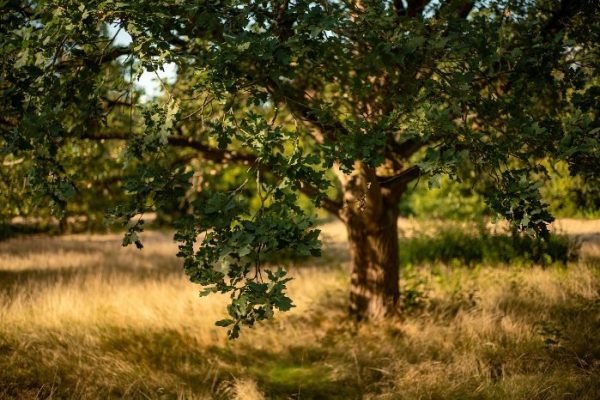
Did you know there are over 500 kinds of oak trees in the world? Oak trees vary a lot and provide many options for your yard. You can pick a big shade tree or a lovely focal point tree. The right oak tree can really change your outdoor area. Choosing an oak tree for your…
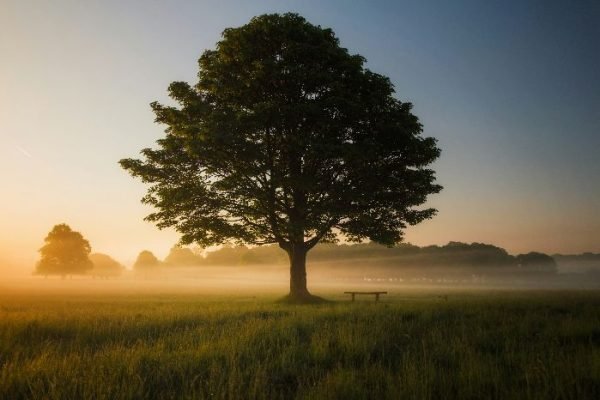
Last Updated June 02, 2026 Oak tree types differ in leaf edges, acorn timing, bark texture, mature size, root behavior, and the wildlife they feed. Two young oaks in nursery pots can look nearly identical until one becomes a broad white oak with a massive crown and the other grows into a fast northern red…