


Updated April 16, 2026
Organic fertilizers release nutrients more slowly, depend on microbial activity, and improve soil over time. Synthetic fertilizers release faster, give tighter control over N-P-K ratios, and solve quick nutrient problems more predictably. The tradeoff is risk. Organic products usually give a wider margin on rate. Synthetic products raise the chance of salt injury and runoff when measuring or watering slips.
Neither type wins every situation. Roots absorb nitrogen as nitrate or ammonium no matter which source supplied it. What changes is the route into the root zone, the speed of release, the effect on soil structure, and the room you have for error.
For most home gardens, the answer is practical. Use organic fertilizers when soil health, water-holding, and longer-term improvement matter most. Use synthetic fertilizers when speed, precision, cold-soil performance, or container control matter more. In many gardens, a hybrid program works best.
Key Takeaways:
- Choose organic feeds for soil building and lower salt pressure
- Choose synthetic feeds for faster correction and exact ratios
- Match the product to soil temperature, texture, and irrigation control
- Use examples and labels, not category names alone, to decide
- Flush the root zone quickly if leaf margins brown after feeding
Table of Contents
Organic Vs Synthetic Fertilizers – Quick Answer
Organic fertilizers are usually better for soil health. Synthetic fertilizers are usually better for fast response and exact dosing. Natural fertilizers tend to carry lower N-P-K concentrations and add organic matter, while inorganic products are easier to measure precisely and often act faster.
| Comparison point | Organic fertilizers | Synthetic fertilizers |
|---|---|---|
| Release pattern | Microbe-driven and slower | Water-driven or coating-driven and faster |
| Soil effect | Add carbon and support soil biology | Add nutrients with little organic matter |
| Nutrient consistency | More variable by product and batch | More exact on the label |
| Burn risk | Usually lower | Usually higher |
| Best fit | Long-term beds, perennials, soil improvement | Containers, quick fixes, cold spring feeding |
| Cost pattern | Higher per pound of nutrient, broader soil payoff | Lower per pound of nutrient, more repeat feeding in many cases |
Reach for organic fertilizer when soil quality is the limiting factor, and reach for synthetic fertilizer when timing or precision is the limiting factor.
Organic Fertilizer Pros And Cons
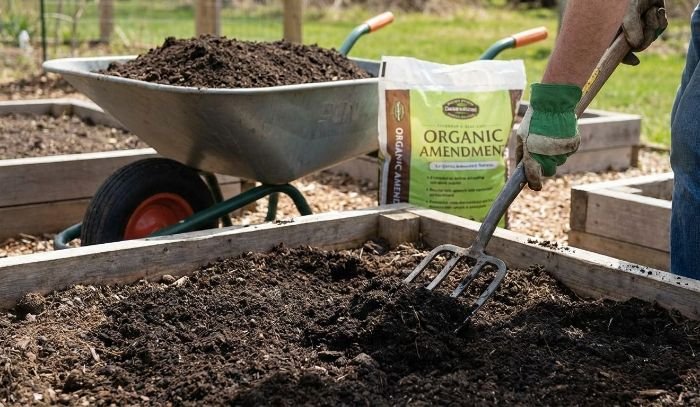
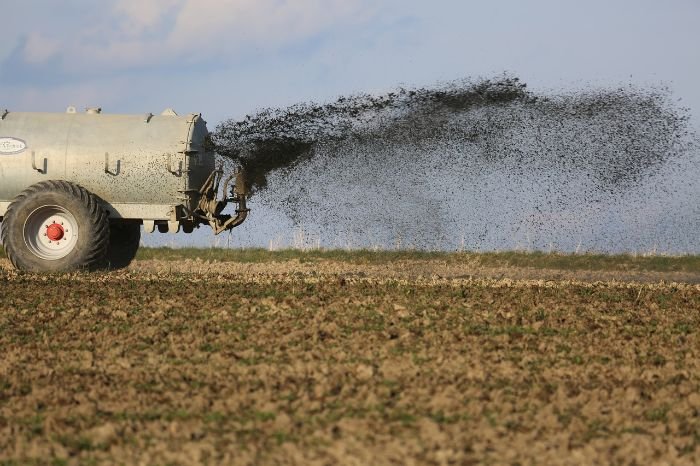
Organic fertilizer is a broad category derived from natural sources such as plant byproducts, animal byproducts, rock powders, or seaweed. That category includes very different products. Fish emulsion behaves differently from bone meal. Composted poultry manure behaves differently from kelp meal. The label still matters.
Pros of organic fertilizer
- Improves soil structure through added organic matter and carbon inputs
- Supports microbial activity that helps convert nutrients into plant-available forms
- Usually creates less salt pressure around roots
- Helps sandy beds hold water better and helps many worn beds regain tilth
- Often brings secondary nutrients and trace minerals along with N-P-K
That soil effect is the main advantage. A bed that smells earthy after irrigation, crumbles more easily in the hand, and holds moisture longer between waterings is giving you value beyond the analysis printed on the bag. That is why organic fertilizers pair well with home composting and soil-building routines.
Cons of organic fertilizer
- Release depends on moisture, temperature, and microbial activity
- Response is slower in cold spring soil
- Nutrient density is often lower, so more product is needed
- Odor and wildlife interest can become a problem with some meals and manures
- Raw or poorly composted manure raises safety concerns around edible crops
Organic nutrient release slows in dry or cold soil and depends on soil temperatures above 50 F. That is one of the biggest misunderstandings in home gardening. Gardeners spread pellets into a cold bed, wait a week, and assume the product failed. In many cases the microbes simply have not started moving.
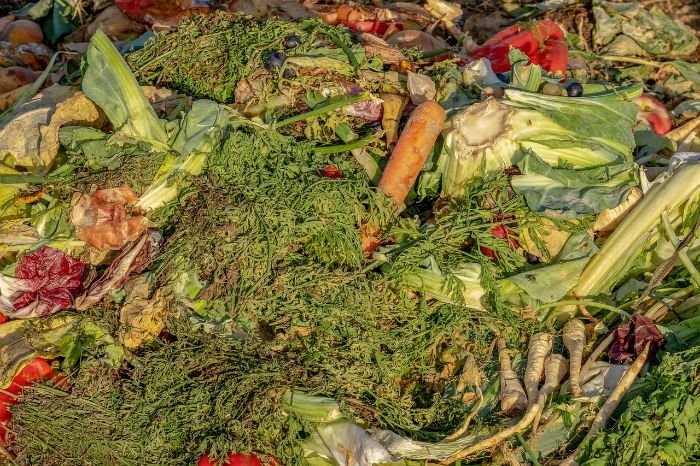
Organic fertilizer is often the better tool when the soil itself needs help. It is the wrong tool when you need a fast correction in a small hot container or a pale transplant in cold spring ground.
Synthetic Fertilizer Pros And Cons
Synthetic fertilizers include water-soluble powders, liquid feeds, standard granular blends, calcium nitrate, ammonium sulfate, urea-based products, and coated slow-release granules. They are not all identical. Some hit fast. Some meter nutrients over weeks. The common trait is higher precision and easier rate control.
Pros of synthetic fertilizer
- Acts faster when a crop needs a quick lift
- Gives exact nutrient ratios printed clearly on the label
- Works better in containers and other tightly managed root zones
- Performs more predictably in cool soil than many organic products
- Makes soil-test corrections easier to calculate
Inorganic fertilizers are easier to use when precise application rates matter. That makes them useful for container gardens, seed-starting mixes, hanging baskets, and crops where a soil test points to a specific nutrient gap.
Cons of synthetic fertilizer
- Raises the chance of root-zone salt buildup and leaf-edge scorch
- Adds little or no organic matter to the soil
- Excess nutrients are easier to lose through runoff or leaching
- High nitrogen rates can push soft green growth at the wrong time
- Repeated use without organic matter inputs leaves soil quality flat
Fertilizer injury is often tied to soluble salts. Brown leaf margins, white crust on potting mix, stalled growth, and dead root tips are classic clues. Damage is worse in hot dry weather because salts concentrate more sharply in dry soil.
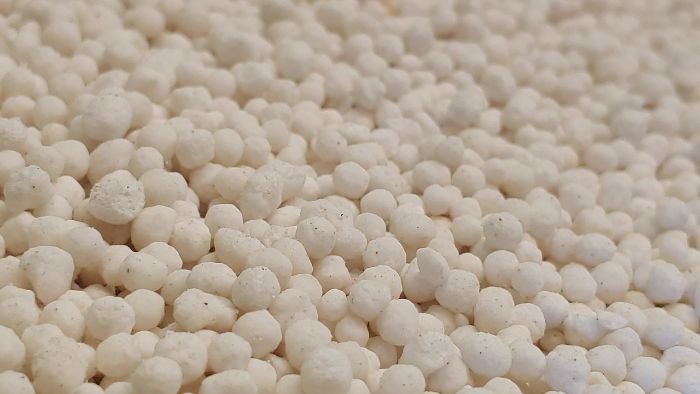
The earliest warning sign in containers is often a white chalky ring on the pot and a thin brown line at the leaf edge, not a dramatic wilt across the whole plant.
Synthetic fertilizer is usually the wrong tool when the real problem is compacted soil, poor drainage, or low organic matter across a bed. In those cases, the nutrients arrive before the soil is ready to handle them well.
Examples Of Organic And Synthetic Fertilizers
Examples matter because products inside the same category do not behave the same way. Fish emulsion, blood meal, and composted manure are all organic inputs, and each one fits different situations. The same is true of urea, calcium nitrate, and coated slow-release granules on the synthetic side.
| Type | Example | Typical use | Watch for |
|---|---|---|---|
| Organic | Composted poultry manure | Bed prep and general garden feeding | Odor, slower spring response |
| Organic | Fish emulsion | Liquid feeding for active warm-season growth | Strong smell, repeat applications |
| Organic | Blood meal | Fast organic nitrogen boost | Overapplication, animal interest |
| Organic | Bone meal | Phosphorus input where a soil test supports it | Slow availability, wasted use in high-P soil |
| Organic | Alfalfa meal | Low-analysis feeding plus organic matter | Bulkier rates |
| Organic | Kelp meal | Trace minerals and mild feeding | Not a heavy N source |
| Synthetic | Urea | Quick nitrogen correction | Burn risk if misapplied |
| Synthetic | Ammonium sulfate | Nitrogen feed where some acidifying effect helps | Salt pressure, overuse in already acidic soil |
| Synthetic | Calcium nitrate | Fast nitrate nitrogen and calcium delivery | Not a cure-all for blossom-end rot |
| Synthetic | Balanced water-soluble feed | Containers, hanging baskets, rescue feeding | Frequent dosing errors |
| Synthetic | Coated slow-release granules | Planters and long-interval maintenance | Release speeds up in heat |
One example does not stand in for the whole category. Organic fertilizer varies widely in density and release behavior. Synthetic fertilizer varies widely in salt load and timing. Read the label, the form, and the crop stage before deciding.
Fertilizer basics for garden plants help connect bag analysis, N-P-K ratios, and crop stage before you choose a product.
Best Uses In Home Gardens
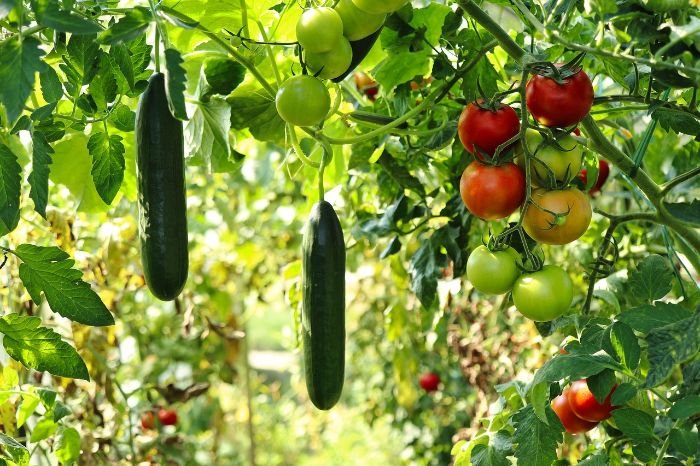
The best choice changes with crop type, soil condition, and the way you water. A product that works beautifully in a large in-ground tomato bed can fail in a deck planter that dries every afternoon.
When organic fertilizer is usually the better fit
- Raised beds or in-ground beds with low organic matter
- Perennial borders and shrubs that benefit from slower feeding
- Vegetable gardens where soil quality is part of the long game
- Sandy soils that lose water and nutrients quickly
When synthetic fertilizer is usually the better fit
- Containers, hanging baskets, and houseplants where dosing precision matters
- Cold spring transplants that need an early push before microbial activity rises
- Leafy greens or lawns that need a quick color correction
- Crops fed directly from a soil test recommendation
Soil testing matters here. Lawns and gardens should usually be tested every three to five years. A soil testing guide for lawns and gardens can help confirm what the root zone actually lacks before another fertilizer is added.
Physical soil condition matters too. If the bed puddles, seals after rain, or keeps roots shallow, soil management and drainage should come before more fertilizer. More fertilizer does not fix a root zone that lacks air.
When a hybrid approach works best
A hybrid program uses organic fertilizer as the base and synthetic fertilizer as the correction tool. It gives the bed regular carbon inputs and keeps a fast-response option ready for cold soil, containers, or an obvious nutrient stall.
A common hybrid program starts with compost and organic pellets before planting, then uses a light soluble synthetic feed to carry a pale transplant through cold spring soil or rescue a container crop that has clearly outrun its nutrients. Once the crop recovers, the program returns to lighter maintenance.
- Use organic products to improve the bed before and during the season
- Use synthetic products only when speed or precision is the limiting factor
- Recheck new growth before repeating the correction
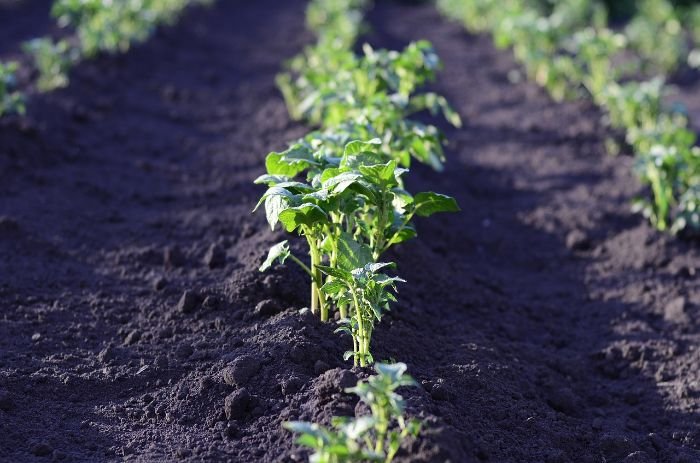
Match the fertilizer type to the limiting factor. Soil quality points toward organic inputs. Timing, cold conditions, and container precision point toward synthetic correction.
Common Mistakes When Choosing Or Applying Fertilizer
Most fertilizer failures start before the product touches the soil through mismatch: wrong product, wrong timing, wrong rate, or wrong site diagnosis.
- Feeding dry soil and concentrating salts at the root surface
- Using compost as the whole fertility plan for heavy-feeding crops
- Adding phosphorus without a soil test that supports it
- Using raw or poorly composted manure near edible crops
- Feeding just before hard rain or in hot dry stress
- Judging success only by dark green color after a heavy nitrogen dose
Dark green soft growth can fool you for a week. Then internodes stretch, stems lean, flowering slows, and the plant reads lush without carrying itself well. That is not a winning feed program. That is oversupply.
Rub a pinch of mix between thumb and forefinger. Gritty dry media after feeding tells you salts are concentrated. A white rim on the pot confirms it. If you already crossed the line, steps to recover an overfertilized garden should start with flushing the root zone and resetting the feeding rate.
Where To Start – Best Fertilizer By Garden Situation
The current limiting condition should decide the first fertilizer move. In some beds that is soil quality. In others it is speed, precision, or uncertainty about what the roots are actually missing.
| If this sounds like your garden | Start here |
|---|---|
| You want better soil and your beds dry or crust too fast | Start with compost plus an organic fertilizer program |
| Your containers need a fast, measurable response | Start with a balanced water-soluble or controlled-release synthetic feed |
| Your spring soil is cold and transplants look pale | Start with a small synthetic correction, then move back toward organic feeding as the bed warms |
| Your potting mix grows well and the pot rims keep crusting white | Start by reducing salt pressure, flushing the mix, and switching to a lighter synthetic schedule or a coated slow-release product |
| Your bed is fertile and dark, and heavy feeders still look pale midseason | Start with a measured nitrogen correction before adding more compost or phosphorus |
| You are not sure what the soil lacks | Start with a soil test before adding another bag to the shed |
Conclusion
Choose organic fertilizer when the bed needs carbon, better structure, and a wider margin against salt stress. Choose synthetic fertilizer when the crop needs fast correction, exact control, or dependable feeding in containers and cold spring soil.
Use a hybrid program when both needs show up in the same garden. Build the bed with organic inputs, correct tactically with synthetic fertilizer, and let new growth, leaf size, and salt crust at the root zone decide whether the next move should be another feed or no feed at all.
FAQ
Can you use organic and synthetic fertilizers together?
Yes. Many home gardeners use an organic base for bed health and a light synthetic correction for speed. Keep the correction modest, apply it to moist soil, and watch the next flush of growth before repeating it.
What is the main difference between organic and synthetic fertilizers?
The main difference is delivery. Organic fertilizers depend on soil life to release nutrients and improve soil in the process. Synthetic fertilizers deliver nutrients more directly and more predictably, with a tighter margin for application mistakes.
Which is better for soil health?
Organic fertilizer is usually better for soil health because it adds carbon and supports microbial activity. Synthetic fertilizer can feed the plant well, though it does little to improve soil structure on its own.
Which works better in containers?
Synthetic fertilizer usually works better in containers because the root zone is small and rate control matters more. Organic programs fit larger containers best, especially when the mix stays evenly moist and biologically active.
Do coated slow-release granules count as synthetic fertilizer?
Yes. They are synthetic fertilizers, even though they feed more gradually than water-soluble products. Their advantage is pacing, not a different source category.
Why do pot rims turn white after feeding?
White crust on the rim usually means soluble salts are accumulating as water evaporates from the container mix. That points to overconcentrated feeding, uneven watering, or both. Flush the pot thoroughly and reduce the next feed.
Does compost count as fertilizer?
Compost supplies nutrients, though it is not a complete replacement for fertilizer in every crop. Heavy feeders like tomatoes, corn, squash, and lawns often need more nitrogen than compost alone will deliver on schedule. Compost can still raise phosphorus over time, which is another reason soil testing matters before adding more inputs blindly.
Is organic fertilizer safer around edible crops?
Well-composted organic fertilizers are useful around edible crops. Fresh or poorly composted manure is a different matter because it raises pathogen concerns and should not be treated as a casual garden shortcut.