
Updated July 28, 2026
How to grow citrus trees starts with matching the variety to your winter lows, summer heat, available space, and growing method. Plant the root crown above surrounding soil, provide full sun and fast drainage, water the full root zone without keeping it saturated, and feed during active growth. A citrus tree can remain alive in the wrong conditions for years, so judge success by healthy new leaves, stable flowering, and fruit that fully ripens.
Choose climate first and fruit second. A healthy tree still disappoints when winter damages the crop or summer never supplies enough heat for sweetness.
Key Takeaways
- Select citrus by winter low, summer heat, rootstock, mature size, and harvest use.
- Plant in native soil with the root flare visible; improve drainage across the site, not inside one amended hole.
- Use a light, free-draining potting mix for containers and never fill a citrus pot with garden soil.
- Water deeply across the root zone, then allow oxygen to return before the next irrigation.
- Citrus fruits provide vitamin C, though fruit type, size, storage, and serving amount change the actual intake.
Table of Contents
How to Grow Citrus Trees: Quick Start
Use this sequence before buying soil, fertilizer, or a decorative pot. Each step removes a common cause of slow growth and fruit failure.
| Decision | What to check | Useful target | Failure to avoid |
|---|---|---|---|
| Variety | Winter low, summer heat, harvest season | Fruit finishes before damaging freezes | Buying by fruit photo alone |
| Site | Direct sun, wind, reflected heat, drainage | 6–8 hours of sun with no standing water | A low, wet pocket or shaded lawn |
| Soil | Drainage, texture, pH, salt history | Slightly acidic to near-neutral, oxygenated root zone | A rich amended pocket surrounded by clay |
| Planting | Root flare, graft union, final soil level | Root flare at or just above grade | Burying the trunk or graft |
| Care | Moisture depth, new growth, leaf color | Deep watering followed by partial drying | Frequent shallow watering |
Buy a grafted, disease-free tree from a reputable nursery. The variety above the graft determines the fruit; the rootstock below it influences vigor, soil adaptation, cold response, and final size. Check both names on the label. A tag that says only “dwarf lemon” leaves out information that affects years of growth.
In warm citrus climates, spring planting gives roots time to establish before extreme summer heat. In borderline climates, plant after hard-freeze risk passes so the tree has the longest possible growing season before winter.

Choose Citrus Tree Varieties for Your Climate
Citrus tree varieties differ in cold tolerance, heat needed for good flavor, mature size, and harvest timing. The USDA hardiness zone is only the first filter. Account for the coldest pocket in your yard, wind exposure, freeze duration, and whether the fruit ripens before winter.
| Variety | Climate fit | Space and use | Main caution |
|---|---|---|---|
| Owari satsuma | One of the better mainstream choices for cold-prone citrus regions | Small to medium; easy-peel fresh fruit | Harvest quality peaks for a limited period |
| Meiwa kumquat | Good cold tolerance for edible citrus | Compact; sweet peel, preserves, fresh eating | Small fruit and lower crop volume |
| Improved Meyer lemon | Mild winters or a movable container | Compact to medium; cooking and baking | Needs protection from hard freezes |
| Calamondin | Containers and protected patios | Small; ornamental and tart kitchen fruit | Too sour for most fresh eating |
| Bearss lime | Mild to hot sites | Medium; seedless juice fruit | Cold tender |
| Washington navel | Warm winters and hot summers | Medium to large; fresh eating | Cool summers can reduce sweetness |
| Valencia orange | Long, warm season | Medium to large; juice | Late crop carries more freeze exposure |
| Grapefruit | Hot summers with ample space | Large; juice and fresh fruit | Too much tree and heat demand for many yards |
Cold-hardy citrus is not defined by one temperature printed on a nursery tag. Tree age, rootstock, prior acclimation, health, wind, soil moisture, and freeze duration all change damage. Satsuma and kumquat combine useful fruit with greater cold tolerance than true lemons and limes. Early ripening adds another advantage because the crop may be harvested before the hardest freezes.
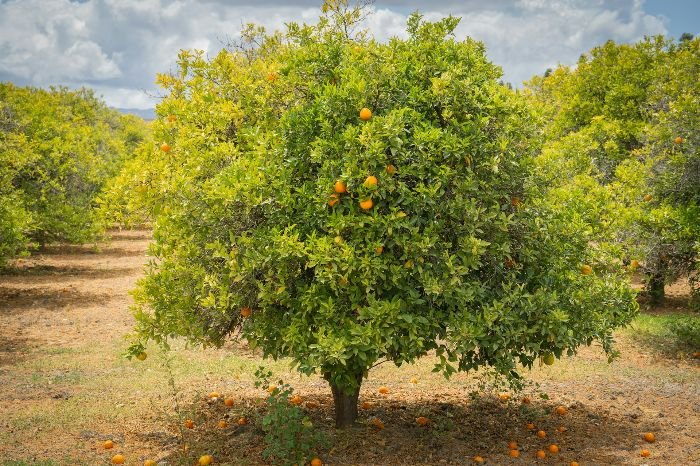
Rootstock completes the choice. Flying Dragon is a strongly dwarfing form of trifoliate orange and can keep compatible citrus at a more manageable scale. Other rootstocks produce larger trees or suit different soils. If the yard is small, compare the guide to dwarf fruit trees for compact gardens before buying.
Plant Citrus in the Ground or a Container
Planting citrus in the ground
Dig a hole no deeper than the root ball and two to three times as wide. Find the first major roots near the trunk; this root flare should remain visible at planting. Set the tree slightly high in soil that settles or drains slowly. Keep the graft union well above soil.
Backfill mainly with the soil removed from the hole. A heavily amended pocket can hold excess water and discourage roots from entering the surrounding ground. Improve poor drainage across a wider area, use a raised mound, or select a different site. Water thoroughly after planting to settle soil around the roots without pressing the soil into a hard surface.
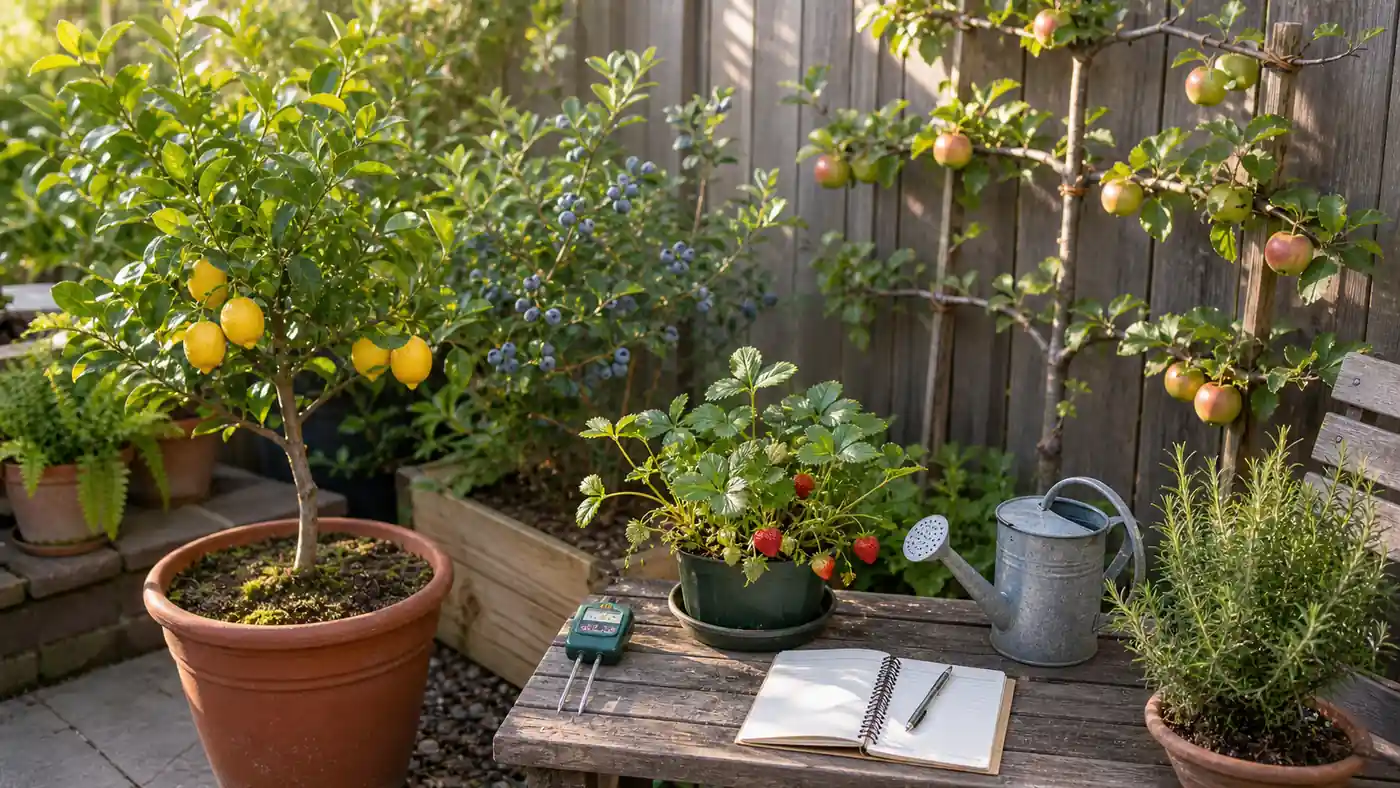
Planting citrus in a container
Choose a pot only a few inches wider than the current root ball. Oversized containers hold a large volume of wet mix around a small root system. Use several unobstructed drainage holes and keep the pot off a surface that blocks them. Do not add a gravel layer; it reduces usable root depth and does not correct a slow potting mix.
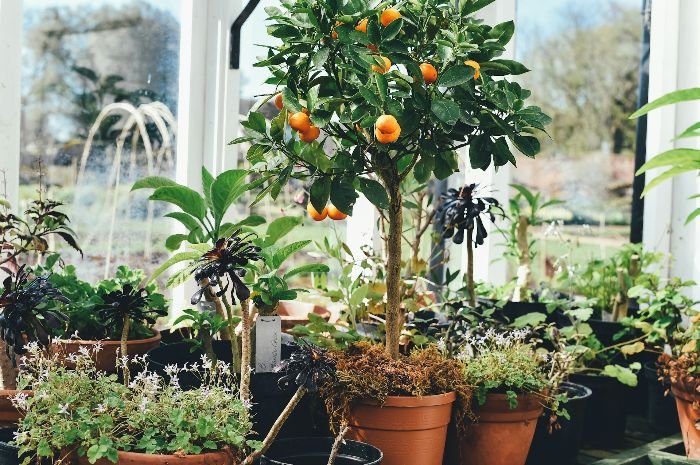
Repot when roots circle densely, water runs through channels without wetting the mix, or the tree becomes unstable. Move up one container size. Keep the previous soil line at the same height and remove any mix that has accumulated against the trunk.
The first eight weeks after planting
The original nursery root ball dries differently from the surrounding garden soil. Check both zones during establishment. A damp planting hole can surround a dry root ball, especially when peat-based nursery mix repels water after drying. Apply water slowly over the root ball, then extend irrigation outward as new roots enter the native soil.
Do not push a newly planted tree with a heavy fertilizer dose. Wait for signs of establishment, such as a new flush that expands normally and holds healthy color. Follow local extension timing and the product label when feeding begins. Remove rootstock suckers below the graft as soon as they appear, since their vigorous growth can overtake the fruiting variety.
Stake only when wind prevents the root ball from remaining stable. Use broad, flexible ties and allow slight trunk movement. Remove the support once roots hold the tree upright. A trunk kept rigid for too long develops less taper and can be damaged by forgotten ties.
Best Soil for Citrus Trees
The best soil for citrus trees supplies both water and oxygen. Texture matters because citrus has many shallow, spreading feeder roots. Waterlogged soil excludes oxygen, slows nutrient uptake, and creates conditions for root disease. Very coarse soil drains quickly and needs more frequent irrigation and feeding.
Citrus soil pH and drainage
A slightly acidic to near-neutral root zone keeps many nutrients available. A practical target is around pH 6.0–7.0, with local rootstock and soil conditions taken into account. High-pH soil often locks up iron, zinc, and manganese, producing yellow tissue between green veins. Low pH can increase other nutrient and toxicity problems. Test before applying sulfur, lime, or repeated micronutrient products. The UF/IFAS overview of citrus soil pH and nutrient availability explains why the target depends on soil chemistry.
Run a drainage check before planting. Fill a test hole with water, allow it to drain, then refill it and watch the rate. Water that remains for many hours signals a site problem. A single layer of compost or sand in the planting hole does not create a permanent drain. Build a broad mound or choose higher ground.
Use the site’s actual test results before amending. The guide to testing garden soil before amendments covers sampling and interpretation.
Citrus potting soil and potting mix
Citrus potting soil must drain faster than garden soil because container walls limit evaporation and root escape. Start with a quality bark-based potting mix labeled for containers. Add coarse perlite or pumice when the product remains wet too long in your climate. The final mix should absorb water evenly, drain from the holes, and retain enough moisture that fine roots do not dry within hours.
Mulch in-ground citrus with a 2–4 inch organic layer extending toward the drip line. Leave several inches of bare space around the trunk. Mulch reduces evaporation and temperature swings, then gradually improves the surface soil. It should never hide the root flare.

Citrus Tree Care Through the Year
Sun and temperature
Give citrus the brightest suitable site. Six hours of direct sun can maintain a tree; eight or more hours usually supports better flowering and fruit quality. A warm wall helps in cool-summer climates. In very hot inland gardens, reflected afternoon heat can scorch young bark and increase container water demand.
Watering citrus roots
Water a new tree often enough to keep the original root ball from drying. Expand the wetted area as roots enter the surrounding soil. Established citrus benefits from deep irrigation followed by partial drying in the upper soil. Container citrus needs more frequent checks because the pot can dry from the outside inward.
Use moisture at root depth, not a calendar, to decide. New trees, established trees, pots, seasons, and overwatering signals require different responses in the citrus tree watering guide.
Feeding and pruning
Feed during active growth with a citrus fertilizer that includes nitrogen and needed micronutrients. Follow the product rate for tree age and container size. Split applications are safer than one heavy dose. Stop or reduce feeding before cold weather where tender new growth would face freeze injury. Flush container mix periodically if fertilizer salts leave a pale crust.
Citrus needs limited structural pruning. Remove dead, damaged, crossing, or diseased wood and shoots emerging below the graft. Avoid removing large amounts of healthy canopy, since exposed bark can sunburn and the tree needs leaves to support fruit.
Seasonal citrus care schedule
| Season or growth stage | Main jobs | What to avoid |
|---|---|---|
| Late winter to early spring | Inspect freeze damage after new growth begins; prepare soil and supports for planting | Cutting questionable wood before living tissue becomes clear |
| Spring flush and flowering | Begin scheduled feeding, monitor moisture, inspect flowers and new leaves for pests | Heavy pruning or sudden moisture changes |
| Summer fruit development | Water the full root zone, maintain mulch clearance, watch containers during heat | Repeated shallow irrigation and fertilizer on dry roots |
| Late summer to fall | Reduce practices that stimulate tender growth, confirm harvest timing, prepare frost supplies | Late high-nitrogen feeding in freeze-prone regions |
| Winter or indoor period | Protect from cold, maximize light, reduce watering frequency as growth slows | Wet roots in cool, low-light conditions |
The calendar shifts with climate and variety. A winter-bearing lemon in a frost-free region remains active when a container kumquat stored indoors has slowed. Use the tree’s growth, temperature, and root moisture as the decision signals. Record fertilizer dates and freeze events so repeated leaf problems can be connected to actual care changes.
Keep the area beneath the canopy free of lawn fertilizer and herbicide products. Grass competes with shallow citrus roots and often receives a different irrigation schedule. A mulched, weed-managed root zone is easier to water accurately and inspect for trunk or root problems.
Cold Weather and Indoor Citrus
Prepare before the forecast reaches the tree’s danger range. Water dry soil ahead of a freeze, move containers into shelter, and protect outdoor trees with frost cloth extending to the ground. Keep fabric off the foliage where possible and remove or vent protection after temperatures recover. Do not rely on one universal minimum temperature; fruit, flowers, new leaves, and mature wood have different sensitivity.
Indoor citrus needs a transition. Move the tree before cold nights become routine, inspect leaves and stems for scale, mites, and whiteflies, and place it in the brightest window available. Supplemental grow lighting may be necessary. Indoor air and lower light reduce water use, so test the mix before watering.
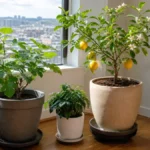
Expect some adjustment and possible leaf drop after a major change in light or humidity. Keep the tree away from heating vents and cold glass. A naturally compact Meyer lemon, calamondin, kumquat, or small mandarin is easier to manage than a vigorous grapefruit. For broader options, see fruit trees that can be grown indoors.
From Citrus Flowers to Harvest
Young citrus often flowers before its root system can support a large crop. Natural fruit drop removes part of that load. A newly planted or weak tree may benefit from having additional fruit removed so energy returns to roots and canopy. Mature trees also shed small fruit when pollination, heat, moisture, or carbohydrate supply limits the crop.
Most common home citrus is self-fruitful, making one tree enough. Some mandarins and hybrids set better crops with compatible pollen nearby. Check the cultivar’s pollination note before buying a single tree for a small yard.
Peel color alone does not prove ripeness. Temperature affects color, and some ripe fruit remains partly green in warm climates. Use the expected harvest season, taste, juice content, and ease of picking. Citrus does not become sweeter after harvest in the way some climacteric fruits do.
Citrus Fruits and Vitamin C
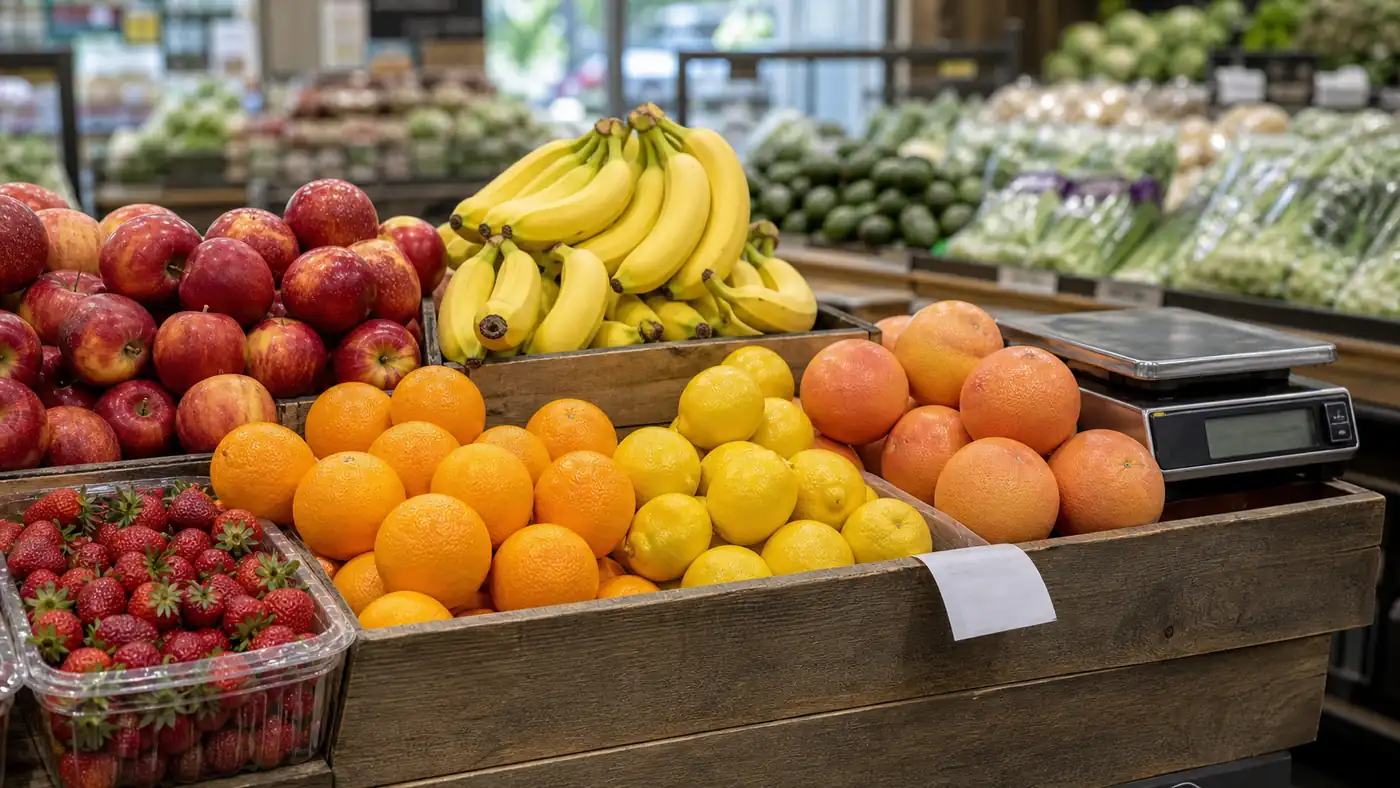
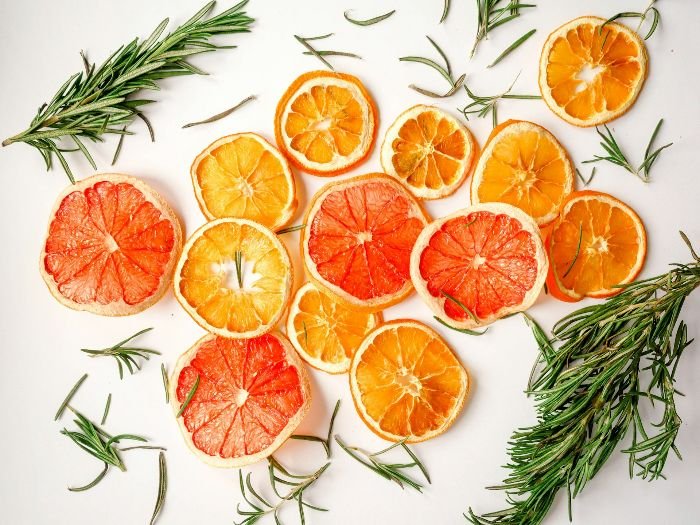
Citrus fruits are useful sources of vitamin C, along with many other fruits and vegetables. Oranges and grapefruit provide larger fresh servings; lemons and limes are often used in smaller amounts for juice and zest. The practical vitamin C return therefore depends on both concentration and how much fruit is actually eaten.
| Citrus | Typical home use | Vitamin C practicality | Growing implication |
|---|---|---|---|
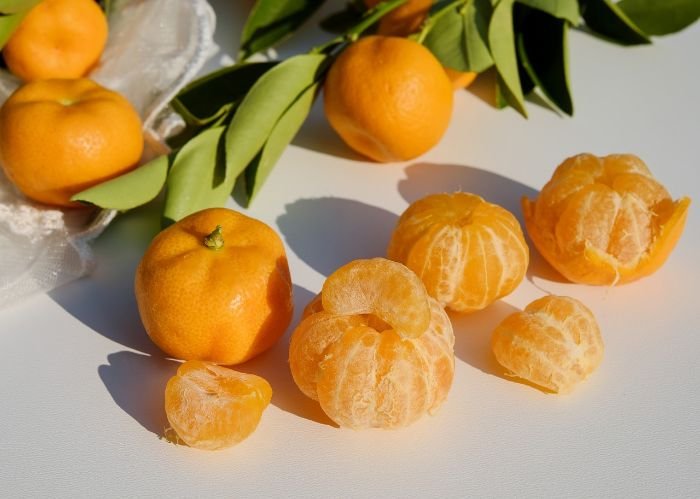
| Orange or mandarin | Whole fresh fruit or juice | Larger edible serving | Needs enough heat and season length for good flavor |
| Grapefruit | Half fruit or juice | Large serving, subject to medication interactions | Large tree and strong summer-heat demand |
| Lemon | Juice, zest, cooking | Useful contribution in smaller portions | Meyer lemon fits containers and mild climates well |
| Lime | Juice, drinks, savory dishes | Small serving in most meals | Cold tender; useful in warm sites or movable pots |
| Kumquat | Whole fruit with peel | Small fruit eaten whole | Compact tree with useful cold tolerance |
Vitamin C supports normal collagen formation, antioxidant protection, immune function, and absorption of nonheme iron. It is not a cure for colds or a substitute for medical treatment. The MedlinePlus vitamin C overview provides dietary reference values and evidence-based health information.
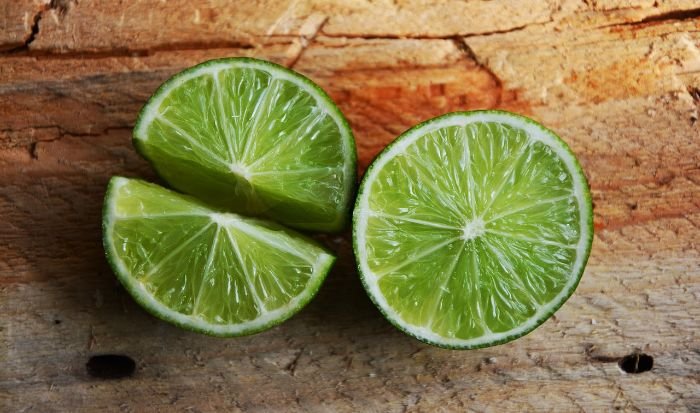
Harvest fruit when flavor is ready and store it cool if it will not be used promptly. Prolonged storage and heat can reduce vitamin C. Fresh segments, juice added after cooking, and zest all make the crop useful. Wash fruit before zesting and use only clean, sound peel.
Troubleshoot Citrus Tree Problems
| Symptom | First checks | Useful response |
|---|---|---|
| Leaves yellow between veins | Soil pH, root moisture, fertilizer history | Test before adding iron or other micronutrients |
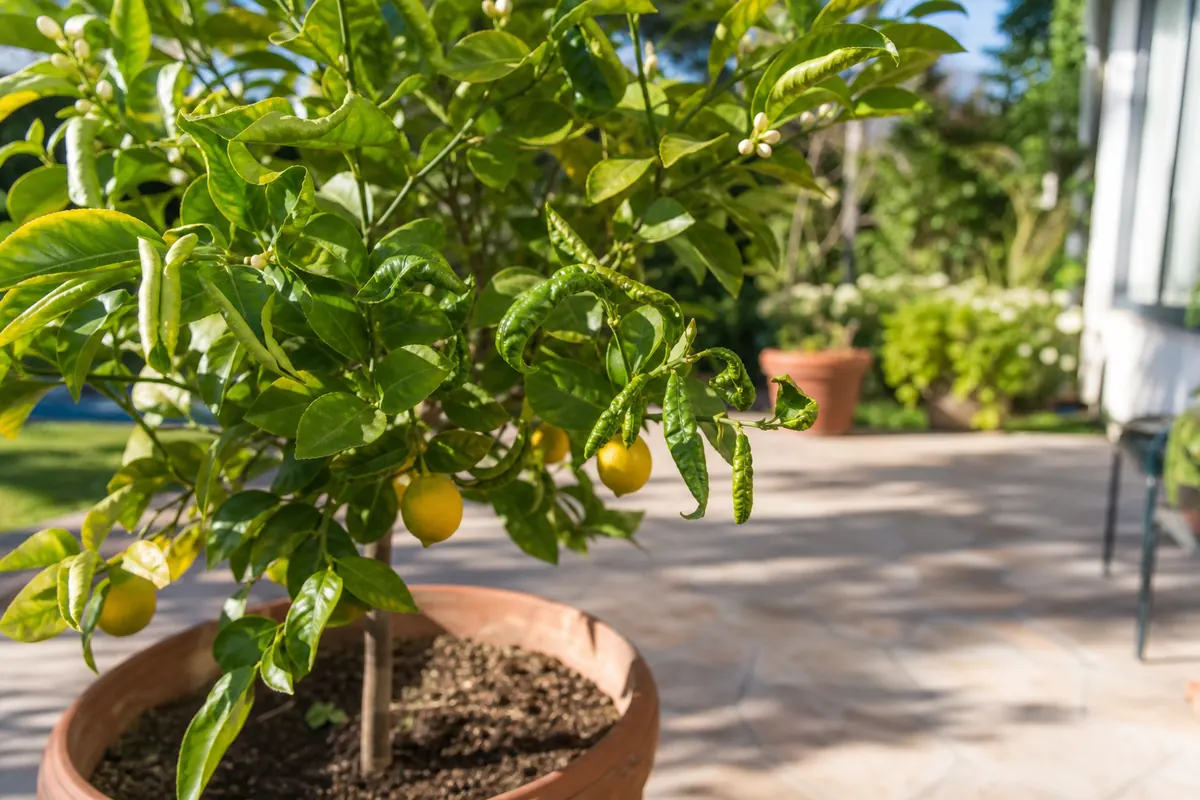
| Leaves curl or drop | Heat, dry roots, saturated roots, pests, relocation stress | Inspect the full pattern and root moisture |
| Flowers fall without fruit | Tree age, heat, cold, water swings, pollination needs | Stabilize care and confirm cultivar requirements |
| Fruit remains sour | Expected season, summer heat, crop load | Wait for the correct window or choose a lower-heat variety |
| Trunk base stays dark or soft | Planting depth, mulch contact, drainage | Expose the root flare and correct water accumulation |
| Sticky leaves or black coating | Scale, aphids, whiteflies, ants | Identify and manage the sap-feeding pest |
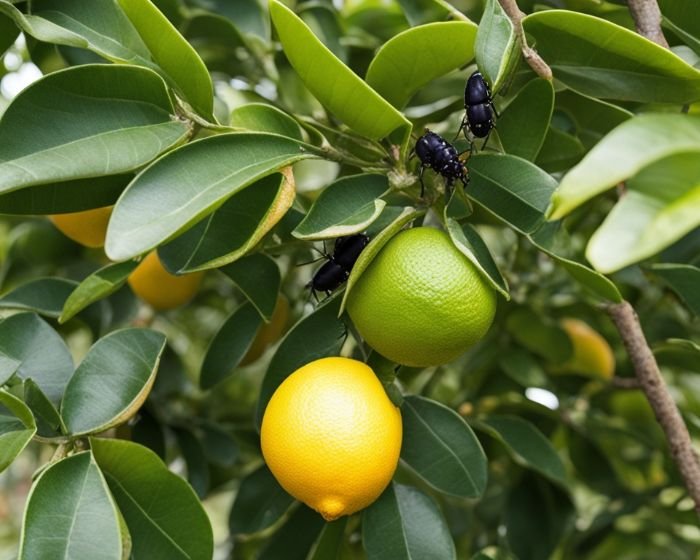
Do not treat every yellow leaf as hunger. Saturated roots and high-pH soil can block nutrient uptake even when fertilizer is present. Adding more fertilizer increases salt stress without repairing the cause. Check drainage, moisture, and pH first.
Leaf curl also has multiple causes. Use the pattern-based guide to leaf curl in lemon trees when new growth twists, cups, or carries insect damage.
Conclusion
Choose the citrus tree that can finish its fruit in your climate, then build an oxygenated root zone around it. Keep the root flare visible, use native soil in the planting hole, select a free-draining container mix for pots, and water according to moisture at root depth.
Good citrus care is consistent and diagnostic. Feed active growth, protect cold-sensitive wood and fruit, prune lightly, and investigate the cause before treating yellow leaves or fruit drop. The result is a tree that fits the space, survives the season, and produces fruit you will actually use.
FAQ
What is the easiest citrus tree to grow at home?
Improved Meyer lemon is a practical choice for mild climates and movable containers. Owari satsuma is a stronger starting choice where winter cold is the main risk. Calamondin and kumquat are compact options for patios and protected spaces.
What is the best soil for citrus trees?
Citrus needs a well-drained, oxygenated root zone that holds some moisture without remaining saturated. In the ground, use native soil and correct site-wide drainage. In containers, use a light bark-based potting mix and add coarse aeration material when drainage is too slow.
What soil pH is best for citrus trees?
A practical target is slightly acidic to near-neutral, commonly around pH 6.0–7.0. Rootstock and local soil conditions can shift the ideal range. Test before applying lime, sulfur, iron, or repeated micronutrients.
Can citrus trees grow in containers?
Yes. Meyer lemon, calamondin, kumquat, and satsuma on a dwarfing rootstock are useful choices. Use a pot with open drainage holes, increase pot size gradually, provide strong light, and adjust watering as seasons and indoor conditions change.
How long does a citrus tree take to produce fruit?
A grafted nursery tree may flower or hold a small crop within the first few years, depending on its age, variety, rootstock, and care. Seed-grown citrus can take much longer and may not reproduce the fruit quality of the parent.
Which citrus fruit is highest in vitamin C?
The practical answer depends on fruit type, size, and serving amount. Oranges and grapefruit often provide larger fresh servings; lemons and limes are commonly used in smaller amounts. Citrus is one of several fruit and vegetable sources of vitamin C.