Last Updated April 30, 2026
Pollinator-friendly plants keep nectar and pollen available across the growing season, give insects flowers they can actually use, and fit the garden well enough to bloom reliably year after year. A few bright flowers help. A planting built around bloom timing, accessible flower form, and regional fit helps much more.
Many gardens attract a burst of pollinator traffic in June, then go quiet by August because every plant peaks at once. Others look full to the gardener and offer little to bees because the flowers are double, sterile, heavily bred for petals, or scattered as single specimens with no visible drift. Pollinator planting works best when the garden is planned as a feeding sequence that stays useful across the season.
Strong bee-friendly gardens usually mix spring-flowering shrubs or small trees, summer perennials, annual gap-fillers, a few flowering herbs, late-season bloomers, and regionally adapted host plants. That combination supports more than honey bees. It also feeds native bees, butterflies, moths, hoverflies, beetles, and sometimes hummingbirds, depending on region and plant choice.
Good pollinator-friendly plants include flowering trees and shrubs for spring, open single perennials for summer, asters and goldenrods for fall, herbs that can be allowed to flower, and host plants that feed caterpillars as well as adult pollinators. The selection job is practical: choose plants by season, flower shape, climate, mature size, and how they work together in the same bed.
Key Takeaways:
- Plan bloom from spring through frost, not only for midsummer
- Choose open single flowers more often than doubles
- Use trees, shrubs, perennials, herbs, and annuals in layers
- Native and host plants deepen pollinator value when they fit the site
- Plant in clumps so pollinators can find the flowers fast
Reliable pollinator plant groups include spring shrubs and small trees such as serviceberry and redbud, summer perennials such as salvia, coneflower, penstemon, and bee balm, annuals such as zinnia and cosmos, late bloomers such as asters and goldenrod, and host plants such as milkweed, dill, fennel, parsley, violets, or regionally adapted native grasses and shrubs.
Table of Contents
What Pollinator-Friendly Plants Actually Do
Pollinator-friendly planting gives insects food in the form of nectar and pollen, and it does so on a timetable wide enough to cover early spring, the main summer season, and the late-season gap before frost. Some plants do one job very well. Others do several. A flowering willow can feed early bees. A clump of salvia can carry midsummer nectar. A milkweed can serve adult insects and caterpillars on the same plant.
Broader plant selection matters because pollinator value is one filter among many. A great bee plant that flops in your soil, freezes in winter, or mildews every July will not keep delivering bloom. The strongest pollinator plants are the ones that stay healthy enough to flower well in the first place.
Nectar Plants, Pollen Plants, And Host Plants
Adult pollinators use nectar and pollen. Butterfly and moth caterpillars use host plants, often with much stricter preferences than the adults. That distinction changes plant choice. A zinnia can be a strong nectar flower. It is not a host plant for many larvae. A milkweed does both. A native shrub may feed caterpillars even when the flowers are not the main visual feature in the bed.
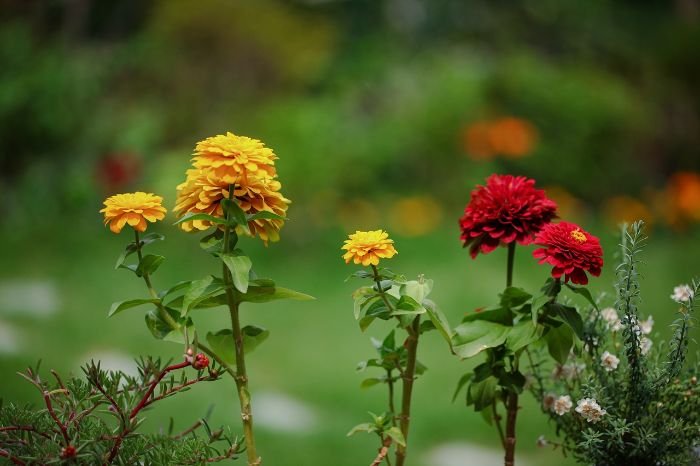
Pollinator gardening becomes more useful when the plant list covers more than one role. Spring pollen, long-running summer nectar, late-season bloom, and some host-plant foliage create a fuller ecosystem than one long row of decorative midsummer flowers.
I often notice that gardeners count bloom color more carefully than bloom month, because missing early spring or late fall is what leaves the biggest feeding gap.
Best Pollinator-Friendly Plant Groups For Different Garden Jobs
A productive pollinator garden uses plant groups, not one long wish list. Trees and shrubs solve the spring hunger gap. Summer perennials keep the center of the season active. Annuals fill young borders and containers. Host plants deepen habitat value. Late bloomers carry the garden past the first rush of summer.
| Plant group | Best garden job | Why pollinators use it | Watch for | Reliable examples |
|---|---|---|---|---|
| Spring-flowering shrubs and small trees | Early-season feeding, structure, and woody backbone | They provide food when few perennials are open | Short bloom windows if used alone | Serviceberry, redbud, flowering currant, willow, fruit bloom where suitable |
| Summer perennials with open flowers | Main pollinator border, repeated bloom, meadow-style plantings | Accessible nectar and pollen through peak insect season | Overrich soil can reduce form and flower quality | Salvia, coneflower, penstemon, bee balm, yarrow, catmint |
| Annual flowers for seasonal gaps | Containers, first-year borders, quick bloom between perennials | Long flowering period and strong color signals | Some doubles or sterile cultivars offer little food | Zinnia, cosmos, calendula, single sunflower, alyssum |
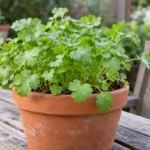
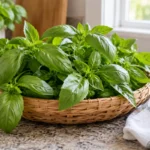
| Flowering herbs | Edible beds, path edges, patio pots, mixed herb borders | Umbels and small clustered blooms are highly useful to many insects | Constant clipping can remove the flower window | Chives, thyme, oregano, basil, dill, fennel, mint in containment |
| Late-season nectar plants | Carry the garden into late summer and fall | They feed insects when many summer flowers are fading | Do not cut them down too early | Asters, goldenrod, sedum, late salvias, Joe-Pye weed where suited |
| Host plants and foliage plants | Support caterpillars and specialist insects | They keep the garden functioning beyond nectar alone | Some leaf damage is part of the point | Milkweed, parsley, dill, fennel, violets, regionally adapted native grasses and shrubs |
Flowers in companion planting often support vegetable-bed edges, while a dedicated pollinator border has a broader job: feed insects across seasons, add host plants, and keep bloom available beyond crop windows.
Bloom Timing, Flower Shape, And Why Single Flowers Beat Doubles
Pollinators need a sequence, not a single peak. Early spring matters because queens and early emerging native bees need fuel when the garden still looks sparse. Midseason matters because insect populations are expanding. Late-season bloom matters because many insects are still active, and migrating butterflies need nectar when the rest of the garden is slowing down.
| Season | Pollinator need | Useful plant types |
|---|---|---|
| Early spring | Food for emerging bees and early insects | Flowering trees, shrubs, bulbs, and early herbs |
| Late spring to midsummer | Main nectar and pollen flow | Perennials, annuals, herbs, and meadow plants in large drifts |
| Late summer to fall | Bridge the hunger gap after summer peaks | Asters, goldenrod, sedum, late salvias, regionally adapted fall bloomers |
Flower shape matters as much as timing. Open single flowers usually give insects an easier landing surface and better access to pollen and nectar than heavily doubled blooms. Many doubles are bred for petals at the expense of usable floral parts. They can look lush to people and feed far fewer insects than a simpler flower beside them.
This does not mean every pollinator wants the same bloom shape. Flat daisy forms, small clustered umbels, tubular salvias, mint-family spikes, and loose airy bloom heads each attract different mixes of visitors. A garden that repeats only one flower form leaves some pollinators underfed. Variety in bloom architecture is part of good plant selection.
Bee-friendly planting becomes more precise when flower shape is matched to bee anatomy. Short-tongued bees often use open daisies, umbels, and small clustered flowers that are easy to land on and work quickly. Long-tongued bees can use deeper tubular blooms, including many salvias and other mint-family flowers. A garden that mixes several flower shapes supports more bee types across the season, and repeated clumps reduce the energy insects spend searching from one isolated bloom to the next.
Clump size also shapes pollinator access. Pollinators find masses faster than isolated singles. Three to five perennials of one kind usually read better than one specimen of five different things. In larger borders, bigger drifts work even better.
Native Plants, Host Plants, And Regional Fit
Native plants often support more local insects because they evolved inside the same food web. That matters most with host plants and specialist bees. Native status alone does not solve everything. A native plant still has to fit the available light, soil, moisture, and hardiness zone if it is going to bloom well and persist.
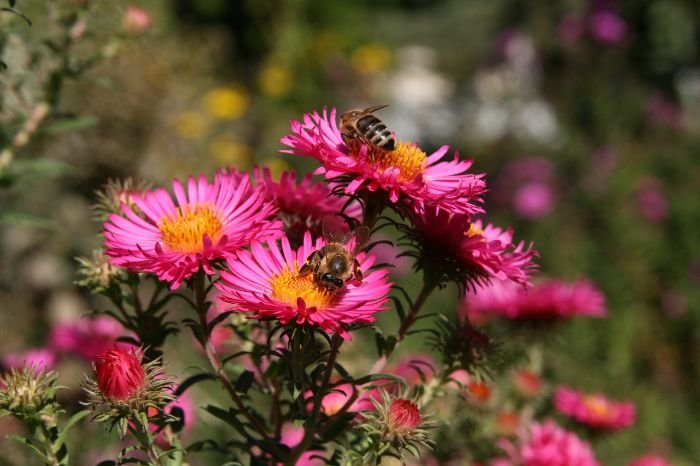
A practical strategy is to let native plants form the backbone, especially for shrubs, meadow perennials, grasses, and host plants, then use a few well-behaved non-native ornamentals to fill seasonal gaps if needed. This keeps the garden regionally grounded without forcing every choice into a strict native-only rule that may not fit the site or the gardener.
If your regional palette still feels wide open, choosing native plants helps narrow the backbone plants by climate, habitat, and site fit. Regional native plant lists for pollinators can narrow choices by state and habitat without forcing a generic national list onto a local problem.
Host plants deserve a separate mental category. They may look less glamorous than a long-blooming annual, and some foliage will be eaten. That is part of the design. A pollinator garden that welcomes only adult nectar visitors is still useful. A garden that includes host plants supports more of the full life cycle.
Pollinator Garden Design – Build Layers, Clumps, And Season-Long Bloom
Pollinator-friendly planting works best in layers. Trees and shrubs provide early bloom and structure. Mid-height perennials carry the main feeding season. Groundcovers and low herbs soften the front edge. Annuals and containers can fill the first-year gaps or reinforce a short seasonal window near seating or entries.
Repeated clumps make the planting easier for insects to read. A few plants of the same kind grouped together usually attract more activity than isolated singles spread across the bed. That same repetition also looks calmer and more intentional from the house.
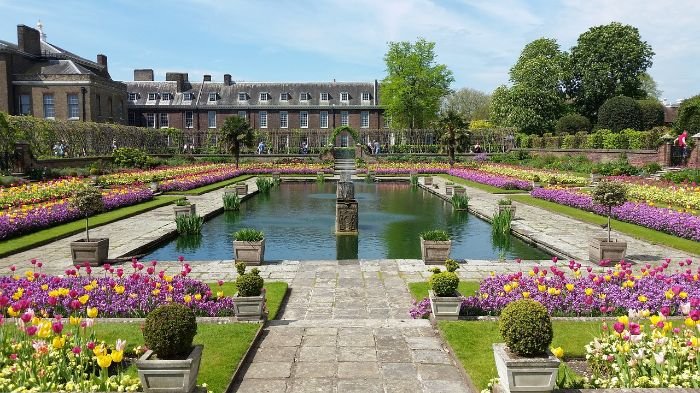
Sun exposure matters because bloom abundance depends on it. Many of the strongest pollinator perennials want full sun. Part shade can still work with the right native woodland-edge or spring-flowering plants, and the main traffic often concentrates where flowering is heaviest and flowers dry quickly after rain.
Small yards can still do this well. One flowering shrub, a narrow perennial strip, a few herbs allowed to bloom, and two containers with open annual flowers can keep pollinator traffic active through more of the season. Plants for container gardening help when pollinator planting has to share space with patios, steps, or narrow urban edges.
Maintenance should protect the feeding sequence. Aggressive deadheading can remove late flowers. Hard fall cleanup can erase stems and seed heads that shelter insects. Seasonal garden care and sustainable gardening practices that support ecosystems should preserve what the bed keeps doing between planting day and winter.
A bee-friendly garden also needs quiet habitat, not just flowers. Many native bees nest in bare or lightly disturbed soil, and others use hollow stems, dead wood, or plant debris. Wall-to-wall mulch can reduce ground-nesting options, and hard fall cleanup removes places where beneficial insects overwinter. Leave a few low-disturbance corners unsprayed and avoid tidying every stem as soon as bloom ends.
Buying Pollinator Plants Without Bringing The Problem Home
Plant choice starts at the nursery bench as much as it does in the border. Choose untreated or pollinator-safe flowering plants when that information is available, and ask whether blooming plants were treated with systemic insecticides. Avoid spraying open flowers when bees and other pollinators are active, skip automatic pest-control habits on host plants, and expect some leaf damage where caterpillars are part of the design. A bee-friendly garden gets stronger when the maintenance plan protects the insects the planting was meant to attract.
A Pollinator Plant Matrix – Match Plants To Sunny Borders, Containers, Dry Beds, And Small Yards
Most gardeners choose better when the planting situation is clear. Start with the space and its limits, then choose the plant mix that usually performs well there.
| Garden situation | Best plant types | Reliable examples | Main caution |
|---|---|---|---|
| Sunny mixed border | Long-blooming perennials plus late-season nectar plants | Salvia, coneflower, catmint, yarrow, asters, sedum | Do not let every plant peak in one month |
| Edible bed edge | Flowering herbs and compact annual nectar plants | Chives, dill, basil, thyme, calendula, alyssum | Frequent harvest can shorten the flower window |
| Patio containers | Open-flowered annuals, compact herbs, small perennials | Zinnia, single dahlia, thyme, compact salvia, verbena | Small pots dry fast and need regular care to keep blooming |
| Dry sunny bed | Pollinator perennials that handle leaner moisture | Lavender, yarrow, penstemon, salvia, sedum, gaillardia | Water-wise plants still need establishment support |
| Small yard with one main planting area | A flowering shrub, repeated perennials, and two or three long-bloom companions | Serviceberry or redbud with salvia, coneflower, asters, and herbs | Too many single specimens make the bed harder for pollinators to read |
| Part-shade or woodland edge | Regionally adapted shade perennials and spring shrubs | Columbine, woodland phlox, heuchera, spring native shrubs where suitable | Flowering is often lighter than in full sun, so seasonal planning matters more |
Common Pollinator Planting Mistakes
Pollinator gardens usually disappoint for a few repeat reasons.
- Planting only midsummer color and forgetting early spring or late fall bloom.
- Choosing heavily doubled or sterile flowers that look showy and feed little.
- Using one specimen each of many plants, with no visible clumps or drifts.
- Skipping woody spring bloomers and relying only on summer perennials.
- Ignoring host plants and expecting nectar flowers alone to carry the ecosystem.
- Buying flowering plants without checking treatment history or spraying open blooms after planting.
- Cleaning up every stem and seed head too early, leaving no winter structure.
One more mistake is assuming every pollinator planting must look wild. A formal border can still work if it uses the right flowers in the right sequence. A looser naturalistic bed can still fail if every plant peaks together and nothing is left for late season.
Conclusion
Pollinator-friendly plants work best when the garden is planned as a feeding sequence with clear plant roles. Spring woody bloomers, summer perennials, flowering herbs, annual fillers, late-season nectar plants, and a few host plants create a bed that stays active longer and supports more kinds of insects.
Keep the planting visible in clumps, favor open flowers over petal-heavy doubles, and let native fit guide the backbone of the palette. The success signal is easy to read: bloom starts early, something useful is still open near frost, and the garden keeps moving with bees, butterflies, and other visitors long after the first bright month has passed.
FAQ
What are the best pollinator-friendly plants?
The best pollinator-friendly plants depend on region and site, and the most reliable groups include spring shrubs or small trees, open-flowered summer perennials, flowering herbs, late-season asters or goldenrods, and a few host plants. A good pollinator garden usually combines several of these groups together instead of relying on one type alone.
What plants attract bees and other pollinators?
Plants with accessible nectar and pollen attract the widest range of pollinators. Bees often use salvias, coneflowers, thyme, catmint, asters, and flowering shrubs. Butterflies also respond to long-blooming open flowers and benefit from host plants such as milkweed, dill, fennel, parsley, or regionally adapted natives that feed larvae.
Are native plants better for pollinators?
Native plants are often especially valuable because they fit local food webs and may support specialist bees and caterpillars. They work best when they also match the site’s light, soil, moisture, and hardiness. Native status helps most when it is paired with strong site fit.
How do you design a bee-friendly garden?
Use a sequence of bloom from spring through frost, plant in clumps, mix woody bloomers with perennials and herbs, and include a few host plants. Leave some lightly disturbed or stem-rich habitat for nesting and overwintering, and avoid spraying open blooms while pollinators are active. Even a small bee-friendly garden needs repeated flower groups and more than one season of bloom.
Do pollinator gardens need flowers all season?
Yes. Pollinator traffic depends on continuity. A garden that blooms only in June leaves long feeding gaps later in summer or early in spring. Good pollinator planting includes an early season, peak season, and late season layer.
Are double flowers bad for pollinators?
Many double flowers are less useful because extra petals can hide or replace the floral parts that produce nectar and pollen. Some may still offer limited value, and open single flowers are usually the safer choice when pollinator support is the goal.
Can containers support pollinators?
Yes. Containers can feed pollinators well when they use open-flowered annuals, herbs, or compact perennials and are grouped where insects can find them. They work best as part of a wider planting plan, not as the only nectar source in the yard.
What is a host plant in a pollinator garden?
A host plant is a plant that caterpillars or other immature insects need in order to feed and complete their life cycle. It serves a different role from a nectar flower. Pollinator gardens become much stronger when they include both nectar plants for adults and host plants for larvae.