
Last Updated April 30, 2026
Drought-tolerant plants stay healthy with less frequent supplemental water once they are established and matched to the right climate, soil, and exposure. The label matters. The fit matters more.
The common mistake is treating drought tolerance as a label instead of a site relationship. Lavender can be easy in open sun and sharp drainage, then decline in heavy winter-wet clay. Sedum can handle a hot border, then rot in a low pocket that stays soggy after rain. A plant adapted to dry summers can still fail when drainage, hardiness, or neighboring water demand are wrong.
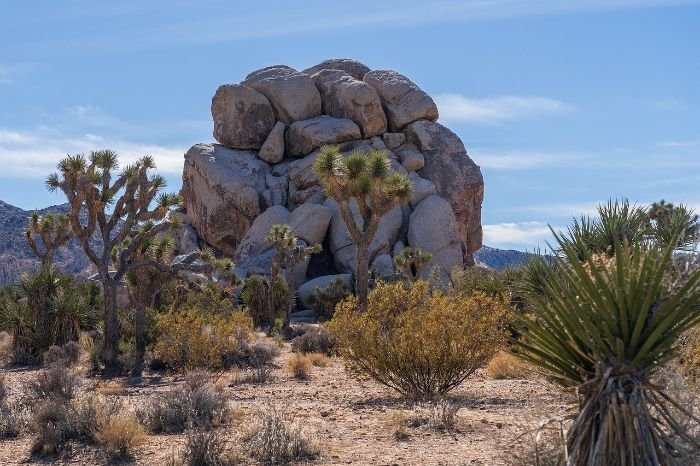
Most low-water gardens work because they use the right kinds of plants in the right zones: Mediterranean shrubs and herbs, prairie and steppe perennials, ornamental grasses, sedums and other succulents, and regionally adapted native shrubs or small trees. These plants often share visible dry-site traits such as narrow leaves, silver or gray foliage, aromatic oils, fuzzy surfaces, succulent tissue, or roots that search deeper and wider than thirsty annual color.
A water-efficient garden usually includes drought-tolerant shrubs, perennials, grasses, and groundcovers grouped by water use, planted in soil that drains as their roots expect, and watered more carefully during establishment than after maturity. Choose by plant type, site, and watering rhythm: which plant belongs in this bed, on this slope, in this climate, and on this schedule.
Key Takeaways:
- Trust drainage and climate before trusting the plant tag
- Group low-water plants together so one schedule fits the bed
- Water deeply during establishment before stretching intervals
- Use shrubs, perennials, grasses, and groundcovers by garden job
- Expect some dry-garden plants to fail in wet winter soil
Reliable drought-tolerant plant groups include lavender, thyme, yarrow, salvia, penstemon, coneflower, sedum, little bluestem, blue fescue, and regionally adapted native shrubs or small trees. Build a water-efficient garden by matching those plants to sun, winter hardiness, root room, drainage speed, and neighbors with similar water demand.
Table of Contents
What Drought-Tolerant Plants Really Need
Drought-tolerant plants still need water during establishment, then gradually handle longer intervals between deep soakings as roots spread into the surrounding soil. Young plants still need regular moisture as they anchor into place. Shrubs and small trees often need two or more seasons before their dry-garden reputation is earned.
Garden labels also blur together drought-tolerant, water-wise, and drought-resistant. For home-garden planning, the practical test is simpler: does the plant hold structure, foliage, and bloom quality when watering becomes less frequent, or does it collapse as soon as the top few inches dry? That answer depends on root depth, leaf traits, climate, and the soil profile around the plant.
Leaf, Stem, And Root Traits Worth Noticing
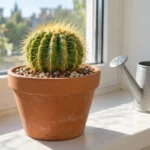
Many dependable low-water plants advertise themselves if you know what to look for. Small or narrow leaves lose less moisture than broad soft foliage. Silver, gray, or fuzzy surfaces reflect sun and slow transpiration. Aromatic foliage often comes with tougher leaf tissue. Succulent leaves and stems store water. Deep or fibrous roots help plants keep working after the surface dries.
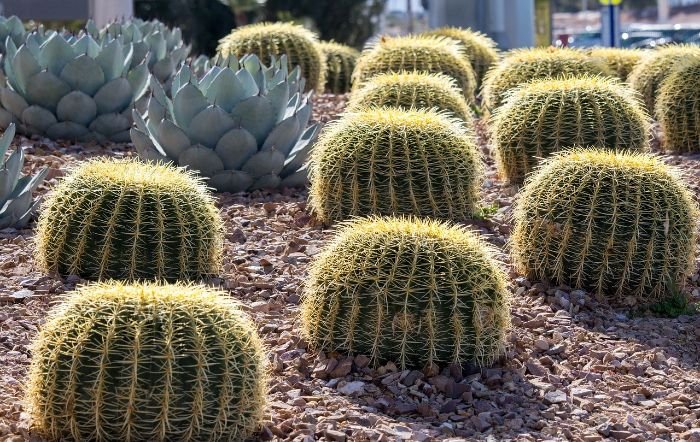
These traits are useful clues, not guarantees. A thick-leaved agave in a rainy low spot can still rot. A gray-leaved plant in rich shade can still stretch and weaken. Broader plant selection matters because water use is only one filter. Mature size, drainage, light, winter exposure, and maintenance all decide whether a dry-garden plant actually behaves like one.
I often notice that gardeners blame the plant label when the real failure was soil staying wet too long around the crown.
One more distinction matters. Not every drought-tolerant plant wants lean, gravelly soil. Prairie perennials often accept more organic matter than true desert succulents. Some natives tolerate seasonal dryness because they root deeply into ordinary garden loam, not because they want a rock garden. Matching plant type to soil behavior is part of the selection job.
Best Drought-Tolerant Plant Groups For Different Garden Jobs
The strongest low-water gardens use plant groups, not random labels. A Mediterranean shrub solves a different problem than a prairie perennial. A sedum groundcover behaves differently from a bunch grass or a native shrub. When the garden job is clear, the plant list gets easier fast.
| Plant group | Best garden job | Why it works | Watch for | Reliable examples |
|---|---|---|---|---|
| Mediterranean shrubs and herbs | Sunny borders, gravel beds, path edges, dry fragrance planting | Small aromatic leaves, strong sun tolerance, neat structure | Winter-wet clay, rich overfeeding, crowding | Lavender, thyme, santolina, rock rose, rosemary in mild climates |
| Prairie and steppe perennials | Pollinator borders, mixed perennial beds, meadow-style planting | Deep roots, seasonal bloom, long-lived clumps | First-year gaps, floppy growth in overly rich soil | Yarrow, salvia, penstemon, coneflower, gaillardia, catmint |
| Succulents and stonecrops | Hot edges, shallow soil, rock gardens, troughs, dry containers | Water storage in leaves and stems, low profile, heat tolerance | Poor winter drainage, shade, crowded wet mulch | Sedum, hens-and-chicks, ice plant where hardy, agave in suitable climates |
| Ornamental grasses and dry-climate grasslike plants | Movement, slope planting, backbone between flowering perennials | Narrow foliage, strong root systems, summer structure | Cutback timing, self-seeding, hidden mature width | Little bluestem, blue fescue, switchgrass, regionally adapted bunch grasses |
| Groundcovers for dry sun | Soil cover, path softening, hot border edges, small slope planting | Shade the soil, reduce bare gaps, spread without constant water | Foot traffic, winter sogginess, invasion into crowns | Creeping thyme, low sedums, hardy ice plant, prostrate rosemary in mild climates |
| Regionally adapted native shrubs or small trees | Long-term structure, screening, habitat, slope holding | Climate fit, deeper roots, long lifespan | Wrong hardiness zone, poor siting, assuming all natives are equally dry tolerant | Depends on region: manzanita, ceanothus, potentilla, rabbitbrush, flowering currant |
This is why good drought-tolerant planting does not look all one-note. A low-water garden can still have spring bloom, summer color, winter structure, pollinator value, and strong foliage contrast. What changes is the plant logic. Soft thirsty annual bedding is no longer the default layer that sets the rhythm for everything else.
Water demand by season and root zone is the next filter. Understanding plant water needs helps when two attractive plants seem compatible on paper but clearly do not want the same schedule in the ground.
Drought-Tolerant Garden Design – Build Hydrozones Before You Buy Plants
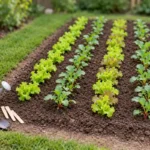
A water-efficient garden fails the moment one thirsty area sets the schedule for the whole yard. That is why hydrozones matter. Group plants with similar water demand together so the low-water bed can actually stay low water, and keep patio pots, edible beds, and lush seasonal color on their own rhythm.
In practical terms, keep the thirstiest planting small and intentional. A front entry pot, one herb run near the kitchen, or a narrow strip of annual color can earn more frequent watering if it is isolated from the dry border. The large background planting should usually be the calmer part of the landscape: shrubs, perennials, grasses, and groundcovers that are comfortable with longer gaps between soakings.
Plant spacing also shapes water efficiency. Beds that close over the soil reduce glare, surface heat, and evaporation better than scattered singles with bare ground between them. That does not mean crowding. It means planting for mature coverage so the root zone eventually shades itself.
Grouping plants by water needs and wider water-efficient garden layout both depend on compatible plant groups. Layout and irrigation only work well after the plant groups make sense.
One reliable rule is to separate containers from in-ground dry planting. Pots heat from every side, dry faster, and often need a very different schedule than a mulched border. A small terrace with low-water pots is still a separate zone, not proof that the border beside it wants the same care.
Climate, Soil, And Drainage – Why Dry Gardens Fail In Wet Winters Or Heavy Clay
Drought tolerance and hardiness are not the same thing. A plant may handle summer dryness and still die in winter cold. It may survive your winter temperatures and still decline because heavy clay holds too much moisture around the crown. Before buying dry-garden plants, check the USDA Plant Hardiness Zone Map, then compare that with your site’s drainage, winter wetness, wind, and reflected heat.
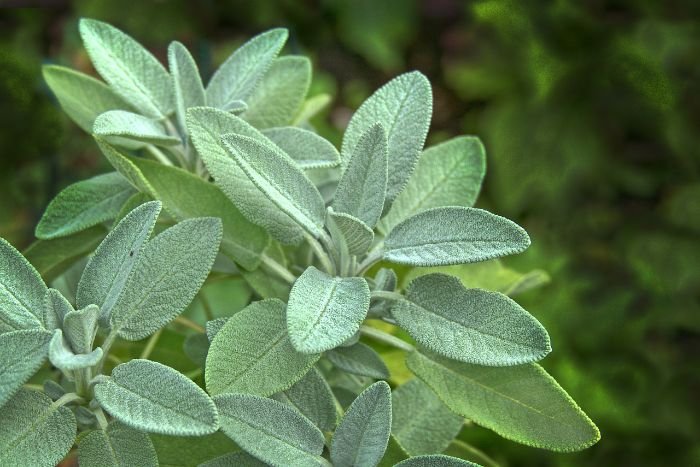
This is where many Mediterranean plants get misunderstood. Lavender, rosemary, santolina, cistus, and similar shrubs often prefer leaner, faster-draining ground and good air movement. In climates with wet winters, they may fail from poor drainage before summer drought ever becomes the issue. By contrast, many prairie perennials tolerate ordinary garden soil as long as it drains reasonably well and is not kept constantly wet.
Soil texture changes the watering pattern even when the plant list stays the same. Sandy or gravelly soil drains quickly and may need more frequent establishment watering at first. Clay can hold water longer, which sounds helpful until oxygen disappears and roots stay cold and saturated. If you are still reading your site, the difference between sand, loam, and clay in garden soil types matters more than any drought-tolerant label at the nursery.
Microclimate matters as much as region. The strip beside a south wall may act hotter and drier than the rest of the yard. A low swale may stay cooler and wetter after storms. A windy slope dries fast even when the same rainfall reaches it. Dry-garden plants succeed when those smaller site conditions match the way the plant evolved to use water and survive stress.
Pro Tip: Before planting a low-water shrub, dig one test hole after rain or irrigation and check it again the next day. If the lower soil is still slick, cold, and airless, solve drainage first.
Establishing Low-Water Plants – Water More At First So You Can Water Less Later
The establishment phase is where many drought-tolerant gardens are won or lost. A plant that will later live with wide watering intervals still needs consistent moisture at the root ball and just beyond it as roots spread into native soil. Shallow, stingy watering in the first season teaches roots to stay near the surface. Then the plant gets blamed for being less drought tolerant than advertised.
Most perennials need one solid establishment season. Shrubs and small trees often need two or more years before they behave like true low-water anchors. The exact schedule changes with heat, wind, soil texture, root-ball size, and planting season, so a watering schedule for various plant types helps translate dry-garden theory into real intervals.
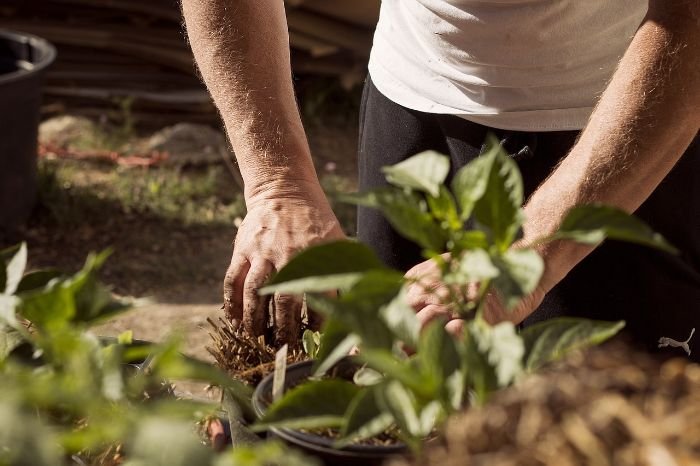
Water deeply enough that roots have a reason to move down. Then let the upper profile begin drying before the next full soak. Organic mulch helps here because it slows the heat and evaporation that punish young roots before they have explored outward. What matters is not daily surface dampness. It is a root zone that stays useful long enough for roots to expand.
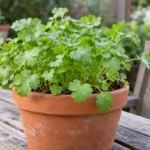
Container establishment is different. A low-water plant in a pot is still a pot plant. It has less root room, more temperature swing, and faster evaporation from every side. Use larger containers, fast drainage, and fewer species per pot if the goal is a genuinely lower-water display, not a stressed decorative arrangement. Plants for container gardening need enough root volume, drainage, and watering control to separate pot-size problems from true plant-selection problems.
A Low-Water Plant Matrix – Match Plants To Sunny Beds, Slopes, Containers, And Pollinator Areas
Most gardeners do better with a matching tool than with a long plant catalog. Use the situation first, then choose the plant type that usually succeeds there.
| Garden situation | Best plant types | Reliable examples | Main caution |
|---|---|---|---|
| Hot sunny border | Mediterranean shrubs, prairie perennials, dry-site grasses | Lavender, salvia, yarrow, catmint, little bluestem, blue fescue | Do not enrich heavily or mix with thirsty annuals |
| Gravel bed or hell strip | Succulents, low shrubs, heat-tolerant groundcovers | Sedum, creeping thyme, santolina, penstemon, hardy ice plant | Watch reflected heat and winter drainage |
| Sunny slope | Rooted groundcovers, bunch grasses, spreading perennials | Creeping thyme, yarrow, low junipers, regionally adapted bunch grasses | Protect new planting from runoff during establishment |
| Pollinator border with low water use | Long-blooming perennials with staggered seasons | Penstemon, salvia, gaillardia, coneflower, catmint | Plan bloom sequence, not one short flush |
| Dry shade under trees or eaves | Regionally adapted shade perennials, sedges, and small shrubs | Epimedium, native sedges, and dry-shade shrubs suited to your region | Root competition often matters more than rainfall, and flowering options are fewer |
| Large low-water containers | Compact shrubs, herbs, sedums, small grasses | Compact lavender, thyme, sedum, blue fescue, agastache | Small pots dry too fast to behave like low-water beds |
| Dry structure planting near paths or foundations | Woody shrubs and evergreen forms | Rock rose, santolina, potentilla, regionally adapted native shrubs | Respect mature width and winter hardiness |
Plant choice does part of the water-saving work before the timer ever turns on. A border filled with compatible low-water plants asks less of the schedule than a mixed bed where every plant is negotiating against its neighbor.
Common Drought-Tolerant Planting Mistakes
The same failures repeat in low-water gardens. The names change. The pattern usually does not.
- Buying by label alone. A plant described as drought tolerant still has a hardiness range, a drainage preference, and a mature size that can make or break it.
- Mixing dry lovers with thirsty neighbors. One rich, frequent watering schedule can weaken both sides of the bed.
- Watering lightly and often during establishment. That keeps roots shallow and makes the plant more dependent, not tougher.
- Overamending or overfeeding. Many dry-garden plants lose shape, flop, or rot when pushed into lush soft growth.
- Using containers that are too small. Root confinement and heat buildup can make a good plant look like a poor choice.
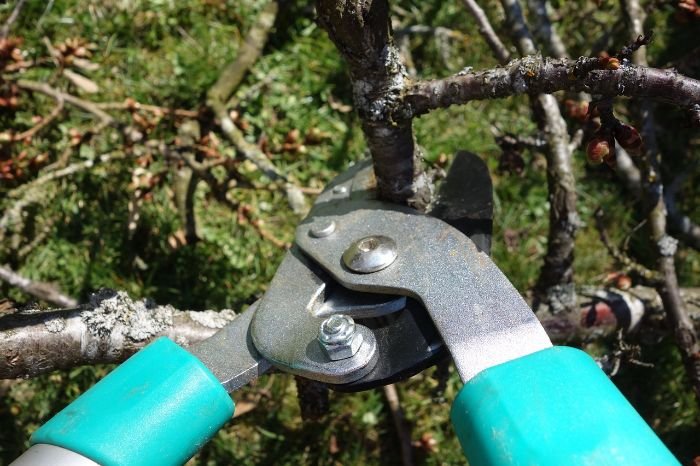
- Expecting no maintenance at all. Even water-wise shrubs and perennials need pruning, thinning, cutting back, or replacement when they age out.
Failure signals are usually readable. Soft yellowing growth in a supposedly dry-site plant often points to excess water or poor drainage. Brown crisp margins on a new planting often mean the establishment phase was too shallow or inconsistent. A plant that blooms once and then sprawls may be telling you the soil is richer than it wants or the bed is more shaded than the tag suggested.
When the same bed keeps failing, zoom out. The problem may be plant grouping or site design more than individual care. A drought-tolerant garden should feel calmer over time, not more demanding every summer.
Conclusion
Drought-tolerant plants work best when the garden treats drought tolerance as a matching problem, not a marketing label. Choose the right plant group for the job, give young roots a fair establishment window, and keep low-water plants out of beds controlled by thirstier neighbors. That is where water-efficient design stops being a theory and starts becoming a stable planting.
Let the big low-water zones carry the structure, keep the lush exceptions small, and check drainage before adding more minutes to the schedule. The success signal is easy to read: foliage stays firm through hot afternoons, the soil surface is mostly shaded by mature planting, and the garden still looks composed when the hose stays coiled for longer stretches.
FAQ
What does drought tolerant mean for garden plants?
Drought tolerant means a plant can stay healthy with lower, less frequent supplemental water once it is established and planted in suitable conditions. It does not mean the plant needs no water at all, and it does not cancel out problems such as poor drainage, wrong hardiness zone, or too little sun.
What are the best drought-tolerant plants for a garden?
The best choices depend on climate and soil, and dependable groups include lavender, thyme, yarrow, salvia, penstemon, coneflower, sedum, little bluestem, blue fescue, and regionally adapted native shrubs or small trees. Choosing the right plant group for the job is more reliable than copying a generic list from another region.
Do drought-tolerant plants need watering after planting?
Yes. New plants need regular establishment watering so roots grow beyond the nursery root ball and into the surrounding soil. Perennials may need one full season of close attention. Shrubs and small trees often need two or more years before they behave like truly low-water plants.
How do you design a water-efficient garden?
Start by grouping plants with similar water needs, keeping high-water areas small, and matching plant type to sun, soil, drainage, and mature root room. A water-efficient garden usually relies on hydrozones, mulch, compatible plant groups, and fewer conflicts between thirsty plants and dry-garden plants.
Can drought-tolerant plants grow in clay soil?
Some can, but many dry-garden favorites struggle in heavy clay that stays wet for long periods. The issue is often oxygen and drainage, not water quantity. Prairie perennials may tolerate clay better than Mediterranean shrubs or desert succulents. The safer approach is to match the plant group to the way your clay behaves after rain.
Are native plants always drought tolerant?
No. Native plants are often better adapted to local climate and ecosystem pressure, and they are not all equally low water. Some come from stream edges, woodlands, or seasonally moist ground. Native status helps most when it is paired with the right habitat match for your exact site.
Can drought-tolerant plants work in containers?
Yes. Containers are never as forgiving as in-ground dry beds. Use larger pots, fast drainage, and fewer mixed species. Even low-water plants may need more frequent attention in pots because root volume is smaller and potting mix heats and dries faster.
Why do drought-tolerant plants still die?
Most failures trace back to wrong drainage, wrong hardiness zone, shallow establishment watering, or incompatible neighbors on the same irrigation rhythm. A plant chosen for dry conditions can still die if it is overwatered in clay, trapped in a small hot pot, shaded too much, or pushed into lush soft growth with rich feeding.