



Last Updated June 04, 2026
Hardscaping is the built, nonliving layer of a garden. It includes paths, patios, decks, walls, steps, fences, gates, edging, gravel areas, pergolas, raised beds, water basins, fire features, and the materials that make outdoor space usable before plants fill in.
In garden design, hardscaping gives the yard its bones. It decides where people walk, where chairs sit, where soil is held, where water moves, where planting beds begin, and which views feel framed. Plants bring growth, color, fragrance, shade, and seasonal change. Hardscape gives those plants a setting that can be used on a wet morning, a hot afternoon, or a quiet evening after the flowers have faded.
Good hardscape solves a garden job: paths connect, patios hold people, walls manage level change, edging keeps gravel out of soil, steps handle slope, and pergolas shape shade. The right design makes outdoor living easier and gives the planting a stronger reason to be there.
Key Takeaways:
- Hardscaping is the nonliving structure of a garden
- Paths, patios, walls, decks, steps, edging, fences, and pergolas are common hardscape elements
- Softscape is the living layer: trees, shrubs, lawns, perennials, vegetables, and groundcovers
- Strong hardscape design starts with movement, drainage, use, scale, and material fit
- Good hardscape supports planting and leaves enough room for roots, shade, and soil
Table of Contents
Hardscaping In Garden Design – The Built Layer That Shapes The Yard
Hardscaping turns an outdoor area into a set of usable spaces. Without it, a garden can look planted and still feel unfinished. Flowers, shrubs, and trees may be present with no dry route to the gate, no level place for a chair, no edge between lawn and bed, and no clear reason for the eye to stop in one place.
The built layer also controls daily friction. Undersized patios make furniture awkward; misplaced paths create muddy shortcuts; retaining walls without planting pockets feel harsh; loose gravel without edging migrates into nearby beds. Hardscape decisions stay in the garden for years, so they need more care than a seasonal plant swap.
A strong hardscape gives order without turning the yard into a paved room. When the surface, edge, wall, or structure supports movement and planting, hardscaping becomes garden design, with construction serving the plants and people.

Hard-surface elements such as walls, fences, gates, and paths can guide movement, enclose garden rooms, and create places to pause. Hardscaping gives the garden structure and direction.
Hardscape Vs Softscape – What Counts And What Does Not
Hardscape and softscape are the two main layers of landscape design. Hardscape is built from nonliving materials. Softscape is made of living or once-living horticultural material. Both matter because a garden needs structure and growth at the same time.
Stone pavers, brick edging, gravel, concrete, timber decking, metal screens, and ceramic pots are hardscape. Trees, shrubs, lawns, herbs, annuals, perennials, vines, and vegetable beds are softscape. Mulch sits in the middle in everyday garden language because it behaves more like soil cover than a built structure. In design decisions, treat mulch as a planting-bed material.
| Feature | Hardscape Or Softscape | Main Garden Job | Design Check |
|---|---|---|---|
| Stone patio | Hardscape | Creates a level outdoor room | Does furniture fit without blocking paths? |
| Gravel path | Hardscape | Guides movement and access | Will the surface stay contained and walkable? |
| Retaining wall | Hardscape | Holds soil and manages slope | Does it need engineering or drainage behind it? |
| Flower border | Softscape | Adds color, texture, habitat, and seasonal change | Will mature plants soften the nearby hard edge? |
| Shade tree | Softscape | Creates canopy, cooling, habitat, and scale | Will roots and canopy fit near paving? |
| Raised bed frame | Hardscape | Defines soil volume and working height | Can you reach the middle without stepping in? |
Hardscape usually changes the ground more permanently than planting does. Garden layout design should handle main routes, outdoor rooms, service access, and views before material choices begin.
Choose The Right Hardscape Element For The Job
The fastest way to make hardscaping feel expensive and disappointing is to choose a feature before naming its job. A fire pit, pergola, wall, path, deck, or gravel court can all be useful. Each one also creates maintenance, drainage, heat, access, and budget consequences.
Start by naming the problem in plain words: a dry route to the shed, a dining surface, a planted terrace, a clean front-bed edge, or a service path through the side yard. Once the job is clear, the hardscape element becomes easier to choose.
| Garden Job | Hardscape Element | Best Material Direction | Common Failure |
|---|---|---|---|
| Move through the garden | Path, stepping stones, gravel walk, paved walk | Stable underfoot, clear edge, drainage-friendly base | The route looks pretty and misses the way people walk |
| Create outdoor seating | Patio, deck, gravel terrace, paved court | Flat enough for furniture, scaled to chairs and circulation | The surface fits furniture only when nobody is seated |
| Manage slope | Retaining wall, terrace, steps, planted bank | Drainage behind the wall, safe transitions, planted edges | The wall holds soil and traps water |
| Separate garden zones | Low wall, edging, fence, gate, hedge-supported structure | Material that repeats house or path tones | Every area uses a different material |
| Add shade or height | Pergola, arbor, trellis, shade structure | Durable posts, correct footing, vine-ready access | The structure looks good and shades the wrong place |
| Support planting | Raised bed, planter, edging, low terrace | Root-safe depth, drainage, comfortable reach | The bed is decorative and awkward to maintain |
Job-first planning also protects the budget. A well-placed gravel path can improve daily use while a large patio in the wrong place consumes money and space. A small seat wall that doubles as an edge may replace a separate bench, border, and retaining detail.
Hardscape Materials – Match Surface To Use, Water, And Style
Material choice affects comfort, safety, drainage, heat, maintenance, and the way the garden relates to the house. Stone feels different from brick. Gravel sounds different from timber. Concrete can be clean and quiet or harsh and hot, depending on color, finish, joints, scale, and planting around it.
Use fewer materials than the garden store makes available. Most home gardens read better with one main paving material, one secondary loose material, and one repeated edge or structure material. The planting can carry variety. The hardscape should hold the scene together.
| Material | Best Use | Strength | Design Caution |
|---|---|---|---|
| Natural stone | Patios, steps, walls, focal paths | Long-lived, character-rich, regionally adaptable | Irregular pieces need careful setting for furniture and access |
| Brick | Paths, edging, small patios, traditional gardens | Warm color and human scale | Can look busy if paired with many other small patterns |
| Concrete pavers | Patios, walkways, modular garden rooms | Predictable size, many colors and finishes | Color and pattern should fit the house and surrounding garden |
| Gravel | Informal paths, utility zones, permeable seating edges | Good drainage and lower visual weight | Needs edging and is poor under narrow chair legs |
| Timber | Decks, raised beds, steps, screens | Warm underfoot and easy to shape | Needs rot, slip, and fastener planning |
| Metal | Edging, screens, planters, modern accents | Thin profiles and clean lines | Can heat up and feel harsh without planting nearby |
For paths, the material decision becomes more specific because foot traffic, slope, water, edging, and maintenance all meet in one narrow line. Once the route and hardscape role are clear, choosing pathway material should follow the base, edge, drainage load, surface grip, and maintenance tolerance.

Paths, Patios, Walls, And Edges Define Outdoor Rooms
Hardscape creates outdoor rooms by giving each space a floor, boundary, entrance, or stopping point. The house already has rooms because walls and floors make use obvious. A garden needs similar cues, only softer and more flexible.
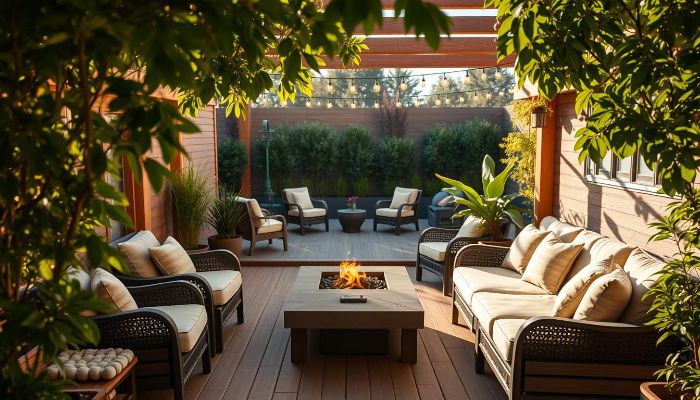
A patio is the floor of an outdoor room. Its size should come from the furniture and the movement around it. Dining needs chair pullback. Lounge seating needs side access. A reading seat can be much smaller. A grill needs heat clearance and a route to the kitchen. If the patio is planned from a photo with no use check, it often becomes too large for the garden or too tight for real bodies.
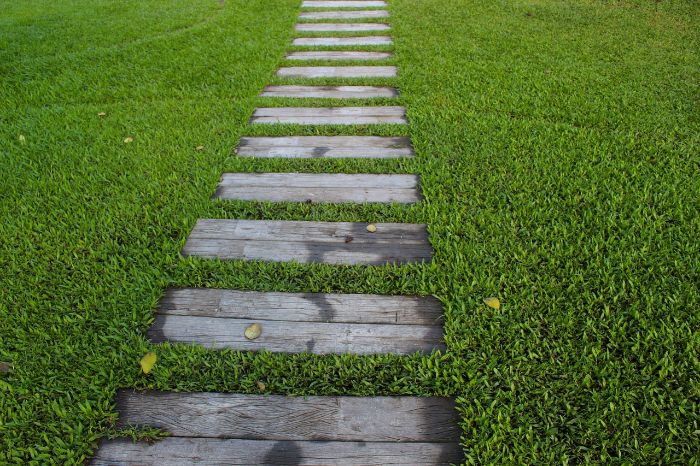
Paths are the hallways. Main paths should feel clear enough for the jobs they serve: carrying tools, moving bins, walking with another person, or reaching a bed after rain. Side paths can be slower and more intimate. Stepping stones, narrow gravel, and plant-edged routes work well where discovery matters more than speed.
Walls, fences, trellises, and low edges are the room dividers. They can give privacy, hold soil, frame a view, or make a planted area feel intentional. A low wall beside a patio can act as edge, seat, planter backdrop, and visual anchor at the same time. That kind of multi-use hardscape earns its space.
The same principles behind basic landscape design principles apply to hardscaping: proportion, rhythm, balance, scale, and focal points. Built features are harder to change than plant groupings, so scale problems show quickly.
Drainage, Slope, And Permeability Decide Whether Hardscape Works
Water reveals hardscape mistakes. A patio can look finished on installation day and still fail after the first heavy rain. Puddles, slippery algae, washed gravel, sinking pavers, wet walls, and soggy planting beds usually point to grading, base, edge, or drainage problems.
Every hard surface needs a water plan. Permeable joints, gravel, planting pockets, and adjacent soil can absorb part of the rain. Patios near buildings need a gentle fall away from the house. Larger or wetter sites may need drains, swales, rain gardens, or professional grading. The right answer depends on soil, slope, rainfall, roof runoff, and the amount of hard surface being added.
| Hardscape Situation | Water Question | Better Design Move |
|---|---|---|
| Patio near the house | Where will rain move during a storm? | Slope away from the structure and leave room for drainage or planting |
| Gravel path | What keeps gravel from migrating? | Use firm edging, base prep, and a route that avoids fast runoff channels |
| Retaining wall | How will trapped water escape? | Plan drainage behind the wall before choosing the face material |
| Large paved area | Can the garden absorb the runoff? | Break the surface with joints, planting bands, gravel edges, or permeable materials |
| Steps on slope | Will water cross the tread or collect at the base? | Direct water beside the stair line and keep landings stable |
Path design is one of the clearest places to test drainage thinking. A garden pathway design plan should account for slope, wet-weather access, surface grip, edging, and the way water crosses the route.
Balance Hardscaping With Plants, Shade, And Soil
Hardscape feels settled when plants are allowed to meet it. Plant-edged paths feel cooler and more inviting. Shaded patios have a reason to be used. Walls with cascading plants or shrubs at the base feel tied to the garden. Decks with no planting nearby can feel stranded, even when the carpentry is good.

Plants soften hard lines, reduce reflected heat, catch runoff, and make built materials feel less separate from the yard. They also need real soil volume. A common design mistake is leaving thin planting strips beside wide paved areas and expecting shrubs to perform. Roots need oxygen, water, mulch, and enough width to grow into mature shapes.
Shade deserves early attention. Paving in full afternoon sun can become uncomfortable, especially near walls that reflect heat. A tree, pergola, vine, umbrella sleeve, or shade sail changes whether the hardscape becomes a daily room or a surface people avoid. In cold climates, sun may be welcome; in hot climates, shade can decide whether a patio is usable.
Balance also comes from repetition. Use one material near the house, echo it in an edge or step, and let planting repeat colors, forms, or textures nearby. The garden then reads as one design with related parts.
Common Hardscaping Mistakes To Avoid
Hardscaping mistakes are frustrating because they are often heavy, expensive, and fixed into the ground. Most can be avoided before installation by testing use, water, size, and planting space on paper or at full scale with hose lines, stakes, rope, or marking paint.
| Mistake | What Happens | Better Choice |
|---|---|---|
| Choosing material before layout | The garden gets attractive surfaces in the wrong places | Map routes, views, seating, water, and service access first |
| Making the patio too large | The garden feels paved and hot | Size the patio to furniture and surround it with planting |
| Making the patio too small | Chairs block paths and doors | Mock up furniture clearances before building |
| Ignoring drainage | Water pools, stains, shifts surfaces, or damages planting beds | Plan slope, joints, drains, and planted absorption areas early |
| Using too many materials | The yard feels busy and disconnected | Repeat a small material palette across paths, edges, and structures |
| Leaving no soil for plants | Hard edges stay harsh and roots struggle | Reserve generous planting pockets where hardscape meets beds |
| Treating retaining walls as decor | Soil pressure and trapped water create risk | Get professional help for load-bearing walls, tall walls, and walls near structures |
Retaining walls, raised patios, built-in fire features, outdoor kitchens, electrical work, gas lines, and drainage that affects the house should be planned with local code and professional review. Decorative edging and small stepping-stone paths are more forgiving. Structural hardscape has less room for casual trial.
Conclusion
Hardscaping in garden design is the built framework that makes an outdoor space usable. Paths move people. Patios hold daily life. Walls manage slope and enclosure. Edges define beds. Pergolas, gates, decks, steps, and gravel areas give the garden shape before seasonal planting changes the mood.
Reliable hardscape choices begin with use, water, scale, and planting space. Choose the element for the job, then choose the material for the site. A good path in the right place, a patio sized for real chairs, or a low wall that also frames planting can change the whole yard without overwhelming it.
Let the built layer and living layer support each other. Hardscape gives the garden structure; softscape gives it life. When both are planned together, the yard feels calmer, easier to use, and more complete.
FAQ
What Is Hardscaping In A Garden?
Hardscaping is the built, nonliving part of a garden. It includes paths, patios, walls, steps, edging, decks, pergolas, fences, gates, gravel areas, raised beds, and other structures that shape movement, use, and outdoor rooms.
What Is The Difference Between Hardscape And Softscape?
Hardscape is made from nonliving materials such as stone, brick, gravel, concrete, timber, metal, and composite materials. Softscape is the living layer, including trees, shrubs, lawns, flowers, vines, vegetables, herbs, and groundcovers.
Why Is Hardscaping Important In Garden Design?
Hardscaping is important because it defines where people walk, sit, gather, enter, and maintain the garden. It also manages slope, drainage, edges, privacy, and structure so the planting has a clear setting.
What Are Common Examples Of Hardscaping?
Common hardscaping examples include patios, walkways, decks, retaining walls, garden steps, fences, gates, pergolas, arbors, edging, gravel courts, raised beds, fountains, fire pits, and outdoor kitchens.
Should Hardscape Be Installed Before Plants?
Main hardscape is usually planned and installed before permanent planting because paths, patios, walls, drainage, and structures change soil levels and access. Plants can then be placed to soften edges, frame views, and fit the finished layout.
How Much Hardscape Should A Garden Have?
The right amount depends on use, climate, drainage, and garden size. A dining garden needs more hard surface than a pollinator border. Keep enough planting space to cool surfaces, absorb water, soften edges, and make the hardscape feel connected to the yard.