




Updated April 13, 2026
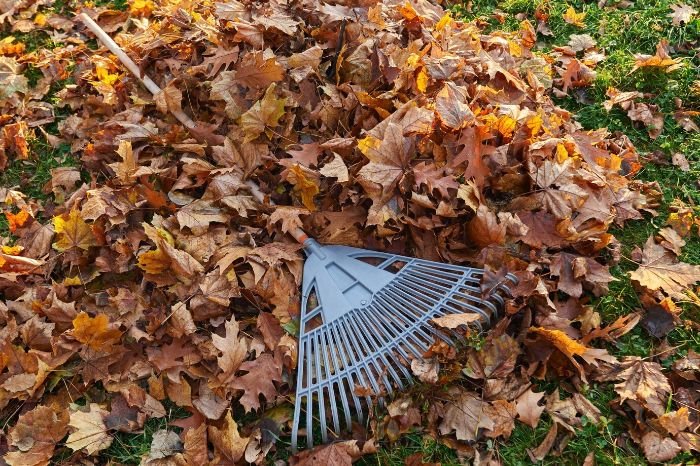
Leaf rake choice decides whether fall cleanup feels light or exhausting. Wide plastic fans work best on dry open lawns, narrower metal heads handle heavier damp leaves, and shrub rakes earn their place where full-size heads keep snagging in beds, fence lines, and low branches.
Most slow cleanup has the same cause: the head is too wide for the space, too soft for the leaf layer, or too short for the person using it. That mismatch creates extra drag, extra lawn scraping, and extra passes over material that should have moved the first time.
The real shortcut is simple. Choose the right leaf rake first, then use shorter cleaner strokes, smaller loads, and the right backup method when a rake is no longer the best tool.
Key Takeaways:
- Choose rake width by space and leaf density, not shelf size
- Use plastic fans for dry leaves and metal fans for heavier loads
- Keep a shrub rake for beds, rails, and tight corners
- Pull narrow windrows before piles get heavy and sloppy
- Mulch thin lawn cover and compost clean excess leaves
Table of Contents
How To Choose A Leaf Rake – Width, Tines, And Handle Fit
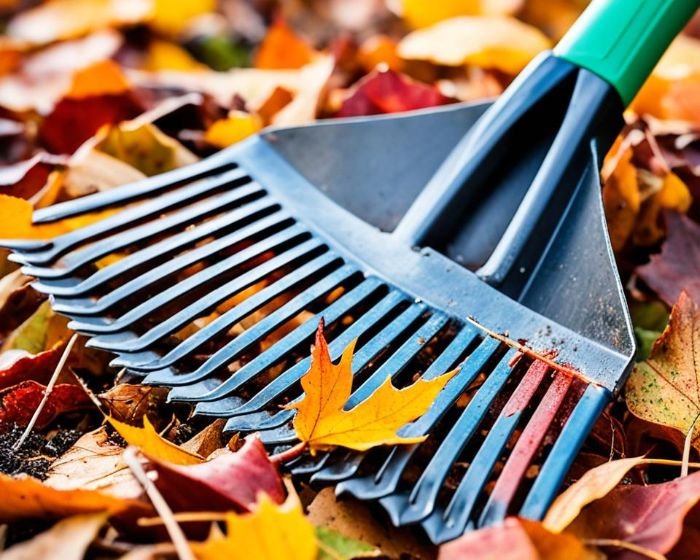
The best leaf rake is the one that matches the resistance in front of it. Dry maple leaves on open turf give way easily, so a wide fan head covers ground fast. Damp oak leaves pressed flat by dew push back much harder, which means a narrower head with firmer tines does cleaner work because the fan keeps its shape through the pull.
Width is the first filter. A 26 to 30 inch fan works well on open lawn with loose dry leaves. A 22 to 26 inch head is the safer all-purpose size for mixed yards. A shrub rake in the 8 to 15 inch range belongs in planted beds, under deck rails, and beside fences where a full-size fan keeps catching and resetting.
If you are buying one leaf rake first for a mixed yard, start with a 22 to 26 inch fan head and add a shrub rake later if beds, rails, and fence lines keep slowing the job down.
Tine material comes next. Plastic is light and quick on dry leaves. Metal fan heads hold line better in damp mats, pine needles, and heavier mixed debris. Bamboo still has a place for dry leaves on gentler surfaces, though it is harder to find and less forgiving once the job turns wet. If you want the broader family map, types of garden rakes becomes much easier to understand once you sort them by what pushes back and what slides easily.
| Feature | Best choice | Use it when | What changes in practice |
|---|---|---|---|
| Head width | Wide fan | Open lawn with dry loose leaves | Covers more ground per pass with low drag |
| Head width | Narrow fan or shrub rake | Tight beds, fences, heavy damp piles | Improves control and cuts snagging |
| Tine material | Plastic | Dry leaves, quick cleanup, light work | Feels light in the hands and skims turf easily |
| Tine material | Metal | Wet leaves, pine needles, heavier mixed debris | Holds fan shape better under load |
| Handle length | At least chin to eye height when stood upright | Any full-size cleanup job | Keeps the stroke flatter and posture more upright |
| Adjustable head | Useful secondary tool | Fence lines, low shrubs, odd corners | Narrows access fast, though joints are not ideal for heavy wet loads |
Penn State Extension’s 2025 piece “Using the Right Tool Is Self-Care” makes the selection rule plain enough: a tool that does not fit the job and the person will wear you down faster than most gardeners expect. Stand the rake beside you before buying it. If you already feel yourself bending to keep the head flat, the handle is too short.
The first two strokes tell the truth. A good leaf rake sounds clean and light on dry turf. The wrong one chatters, skates, or folds backward before the row even starts.
Best Leaf Rake For Wet Leaves, Pine Needles, Beds, And Edges
Wet leaves change the whole job because a thin film of water increases adhesion across the leaf surfaces. The pile stops acting like loose sheets and starts moving like a damp blanket. That is where very wide flexible fans lose authority. A narrower metal fan head or a half-width pull gives better control because the tines keep their spread under the load.
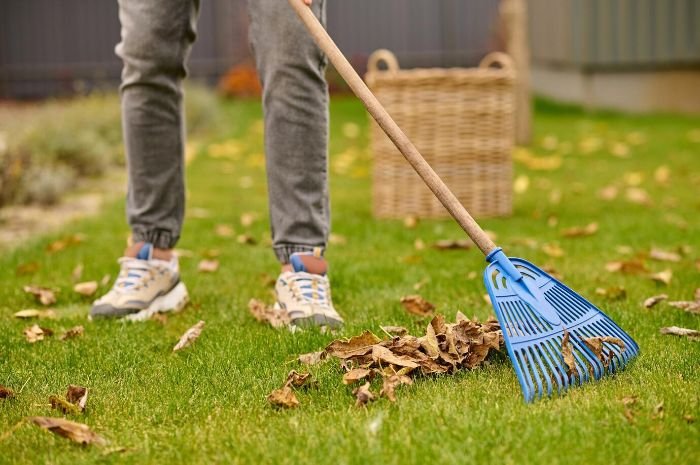
Pine needles create a different problem. They interlock, settle into turf, and tangle around shrub bases in a way broad dry leaves do not. A narrower metal fan or spring-tine lawn rake often handles that better than a large plastic fan because the finer contact gets underneath the layer more evenly. The tool overlap is part of why lawn rakes vs. garden rakes confuses so many buyers in the first place.
| Cleanup problem | Best rake choice | Why it works | What to avoid |
|---|---|---|---|
| Dry leaves on open grass | Wide plastic fan rake | Moves loose material quickly with low turf drag | Heavy rigid soil rakes |
| Wet or matted leaves | Narrow metal fan rake | Holds shape and cuts the working load | Forcing a full-width plastic fan through one giant mat |
| Pine needles | Metal fan or spring-tine lawn rake | Gets under finer debris and pulls cleaner rows | Extra-flexible plastic heads that skip over the layer |
| Leaves in shrub beds | Shrub rake | Reaches plant bases without constant snagging | Full-size lawn fan in dense planting |
| Mulch and gravel edges | Narrow controlled top passes | Lets you lift leaves without stripping the surface | Deep aggressive pulls that drag mulch and stones into the pile |
Mulch beds need a lighter touch than lawn. Start with surface passes that lift the leaves and leave the mulch in place. A thin shredded leaf layer can stay under shrubs with no harm at all. Gravel and ornamental rock are different. A leaf rake catches there, twists the fan, and pulls stone into every pile. Use a blower first if one is available, then finish with short shallow passes at the edge only.
The visual cue is reliable. Wet trouble piles look dark, flat, and slightly glossy. Pine needle layers read as stringy and woven. Fresh bark mulch looks uneven as soon as the rake bites too deep. The tool choice should change with that surface, not after ten minutes of fighting it.
Leaf Rake Technique – Faster Strokes And Cleaner Windrows
Fast raking comes from reducing rework. Giant sweeping pulls look efficient and build sloppy piles that spread, collapse, and need shaping again. Shorter angled passes build windrows that stay where you put them and load onto a tarp with far less fuss.
Use A Shallow Fan Angle
Keep the tine tips skimming the surface, not digging down. On turf, the sound should be a light dry rasp. If the rake scratches soil or starts pulling crowns, the head is pitched too steeply or the tines are too rigid for the job.
Build Rows Before You Build Piles
Work in strips and pull each strip into a long narrow row. Once the row reaches a manageable size, transfer it to a tarp or one final pile. Rows are easier to control in a breeze, easier to step around, and easier to move without losing half the load on the return trip.
Pro Tip: Lay the tarp at the downwind edge of the work area and rake two windrows into it from opposite sides. One compact drag at the end beats carrying loose armfuls or re-bagging a blown-apart pile.
Load size matters as much as stroke pattern. A pile that already looks heavy enough to twist your shoulders will only get worse on the drag. Stop earlier. Start the next row. Cleanup stays fast when each move still feels light enough to do cleanly.
Use A Leaf Rake Without Hurting Your Back
Posture breaks down long before most gardeners notice it. A short handle folds the shoulders forward. A pile that gets too large pulls the body into a twist. One-arm strokes overload the dominant side and make the whole motion choppy by the middle of the session.
CDC and NIOSH hand-tool guidance favors tools and movements that reduce force and awkward posture. In practical yard terms, that means stepping with the pull, keeping the head close to the body, and switching sides every few minutes so one shoulder is not doing the entire cleanup alone.
I often notice that the moment back strain starts is the moment the gardener decides to drag one more oversized pile, not make two smaller trips. The body rarely complains about the first half of the job. It complains about the stubborn shortcut at the end.
Grip matters on cold damp cleanup days too. Smooth wood handles stay friendlier in the hands than rough fiberglass shafts once the weather turns chilly. Twigs mixed into leaf piles, splintered handles, and repeated full-hand gripping are good reasons to wear gardening gloves with real grip, not thin decorative pairs.
Take the break before the stroke goes sloppy. When the rake starts digging deeper and the windrows stop looking clean, fatigue is already changing the technique.
When A Leaf Rake Is The Wrong Tool
A leaf rake is not the answer for every square foot. University of Minnesota Extension notes that leaf mulching works well until only about half the lawn surface remains visible, which makes a mulching mower the better choice for light dry coverage. Gravel paths, stone mulch, and hardscape edges also favor a blower or broom because a fan rake catches and drags material that should stay put.
University of Illinois Extension makes the next point clearly: shredded leaves stay in place better and are more useful as mulch or compost than whole leaves blown into bags. Use the rake when turf, beds, or borders need actual collection. Switch tools when the layer is light enough to shred cleanly, too stony to rake without collateral mess, or better headed into compost materials. If you want one benchmark for that mower-versus-rake call, University of Minnesota Extension’s page on fall leaf mulching is worth keeping open.
Leaf Rake Mistakes That Slow Cleanup And Shorten Tool Life
The most common leaf rake mistake is shopping for the widest head in the store and assuming width equals speed. Width only helps when the surface is open and the leaf load stays light. In side yards, beds, damp shade, and mixed debris, extra width creates more snagging and more drag.
The next mistake is using a leaf rake like a soil tool. Plastic fans are not built for gravel, hard-packed mulch, or any job that asks the tines to pry. Repeated deep pulls bend the shoulders of the fan, twist the spread, and leave the rake tracking sideways for the rest of its life.
A third mistake is leaving the tool filthy after wet cleanup. Tannin-rich residue dries sticky on the tines, damp debris sits against the ferrule, and a wood handle left on a shed floor picks up moisture where it should be drying. Rinse the head, brush out lodged fragments, dry it fully, and hang it with the tines clear of the ground.
Replace the rake when the fan no longer spreads evenly, the tines keep folding back under normal leaf loads, or the handle surface has reached the point where a full afternoon of work feels worse because of the tool, not the yard. A good leaf rake should glide or hold, depending on the job. It should not surprise you every five minutes.
Conclusion
Leaf rake choice matters more than most gardeners think. Head width decides how often the rake snags. Tine material decides how the fan behaves once the pile turns damp or stringy. Handle fit decides whether the work stays smooth or starts folding your shoulders forward by the middle of the session.
Pick the head that matches the leaf layer, build windrows before piles, and stop asking a fan rake to do gravel, mulch, or mower work it was never meant to do. When the setup is right, leaves move in clean rows, the lawn stays upright, the beds keep their surface cover, and the rake hanging in the shed is dry and ready for the next cold afternoon.
FAQ
What size leaf rake should I buy first?
For most mixed yards, start with a 22 to 26 inch fan rake. That width still covers open lawn quickly and stays manageable near beds, trees, and edging. Go wider only when most of the work happens on broad open turf with light dry leaves. Go narrower when shade, fencing, or planted borders dominate the cleanup.
Is a metal or plastic leaf rake better?
Plastic wins on lightness and speed across dry loose leaves. Metal wins once the job gets heavier, wetter, or stringier. The better question is not which material is best in general. It is which one matches the leaf layer you deal with most often.
Are adjustable leaf rakes worth it?
They are useful as a secondary tool, especially for low shrubs, rails, narrow side yards, and odd-shaped borders. They are not my first choice for full-yard cleanup with wet heavy leaves because adjustable joints add another failure point and the narrowed shoulders reduce coverage. Use one for access problems, not as the only rake you own.
Do I need a separate shrub rake?
If the yard includes low shrubs, deck rails, fence runs, or planted beds that keep trapping leaves, yes. A shrub rake saves time because it reaches the plant base cleanly and pulls debris outward without constant snagging. If most of the property is open lawn, it stays a useful second tool rather than the first one to buy.
Can a leaf rake damage grass?
Yes, if the fan is pitched too steeply, the tines are too rigid for the job, or the rake is dragged repeatedly over the same patch with too much force. The damage shows up as scraping, exposed crowns, and rows that look combed into the turf. A shallow skimming angle keeps the leaf rake doing surface work, which is what it was built for.
How do I know my leaf rake is too wide?
The warning signs show up fast. The fan keeps catching on trunks, edging, shrubs, or rails, and the stroke spends more time resetting than gathering. The pile also starts spilling off both sides because the head is covering more width than you can control. That is usually the point where a narrower fan or shrub rake starts working faster even though it looks smaller.
What rake works best for pine needles or mulch beds?
If pine needles are lying thinly across turf, a narrower metal fan or spring-tine lawn rake usually pulls them more cleanly than a very flexible plastic fan. Mulch beds need a softer touch. Use a shrub rake or shallow top passes so you lift the surface debris without dragging half the bark out with it.
When should I stop raking and switch tools?
Switch away from the rake when the leaf layer is thin enough to shred with a mower, when the surface is mostly gravel or stone, or when the load turns into a wet mat that a blower can loosen faster than a fan can peel. A rake is a collection tool. It loses efficiency once the job becomes shredding, blowing, or moving material that fights back harder than leaves should.