
Last Updated June 06, 2026
An ornamental grass can look perfect in a nursery pot and fail after it reaches a patio. The pot may be too shallow for the roots, the mix may stay wet in winter, the balcony may be hotter than the plant tag suggests, or the grass may grow into a top-heavy clump that catches every gust.
The best ornamental grasses for pots are compact, clumping plants that fit the container for more than one season. Blue fescue, Japanese forest grass, Carex, prairie dropseed, little bluestem, dwarf fountain grass, feather reed grass, pink muhly, compact switchgrass, and purple fountain grass can all work when the pot size, sun, moisture, and winter plan match the plant.
Containers make ornamental grasses more flexible than garden beds. You can frame an entry, soften a balcony rail, add sound near a seating area, or bring fall plumes close to a window. The tradeoff is root space. A pot is a small climate, and the grass has to be chosen for that small climate first.
Key Takeaways
- Choose potted ornamental grasses by mature height, root habit, light, and winter hardiness before choosing by plume color.
- Clumping grasses are usually easier in pots than running grasses because they expand from the crown and stay easier to divide.
- Small grasses need at least a 10 to 12 inch pot, medium grasses need 16 to 20 inches, and tall grasses need large, heavy containers.
- Fast-draining potting mix matters more than rich soil; too much nitrogen often causes floppy grass in containers.
- Perennial grasses in pots need a winter plan because container roots freeze faster than roots in the ground.
Table of Contents
Choose The Right Container Grass By Role, Size, And Root Room
Container grass selection starts with the job. A narrow balcony needs a different plant than a front-door urn. Privacy pots need height and weight. Mixed planters need grasses that keep their shape without swallowing the flowers around them.
Ornamental grasses for texture, movement, and structure can be used in beds and borders, and pots ask for a tighter match. The container has to hold enough root volume, enough water between irrigations, and enough weight to keep the grass upright in wind.
| Container Role | Best Grass Type | Container Need | Good Choices |
|---|---|---|---|
| Front-door focal point | Upright or fountain-shaped clump | Heavy pot, 18 inches wide or larger | Feather reed grass, pink muhly, dwarf fountain grass |
| Balcony texture | Compact grass with fine blades | Lightweight pot with stable base | Blue fescue, Carex, dwarf fountain grass, fiber optic grass |
| Shade container | Grass-like plant or woodland grass | Moist, draining mix and afternoon shade | Japanese forest grass, Carex, tufted hairgrass |
| Winter structure | Stiff stems or evergreen foliage | Cold-hardy plant and protected pot | Feather reed grass, little bluestem, switchgrass, evergreen Carex |
| Privacy screen | Tall, narrow clump | Deep planter, weight, and drip irrigation | Compact switchgrass, feather reed grass, taller Miscanthus cultivars where suitable |
| Mixed seasonal planter | Small or medium grass that behaves with partners | Room for companion roots and regular watering | Carex, blue fescue, purple fountain grass, dwarf fountain grass |
Clumping habit is a major advantage in containers. A clump grows outward from the crown and can be divided when the center opens. Running grasses and aggressive self-seeders need much more care, even in pots, because seeds can move beyond the container.
Best Ornamental Grasses For Pots And Containers
The strongest container grass keeps a good shape in the pot, handles the site, and gives the container a reason to stay in place through more than one season. Nursery drama matters less than long-term fit.
Sedges and rushes are grass-like plants. Gardeners use them for fine texture, arching foliage, and container movement. They also solve problems that sun-loving grasses do not solve, especially shade and moist patio corners.
| Grass Or Grass-Like Plant | Best Container Use | Light | Minimum Pot | Container Notes |
|---|---|---|---|---|
| Blue fescue (Festuca glauca) | Small blue mound, edging pot, modern patio bowl | Full sun | 10 to 12 inches wide | Needs sharp drainage and lean feeding; divide or replace when the clump opens. |
| Japanese forest grass (Hakonechloa macra) | Shade pot, soft cascade, woodland container | Part shade to shade | 12 to 16 inches wide | Likes even moisture and afternoon protection; dormant pots look bare in winter. |
| Japanese sedge (Carex oshimensis cultivars) | Evergreen or semi-evergreen texture, mixed shade containers | Part shade, some sun in cool climates | 12 to 14 inches wide | Useful in small pots; comb or trim brown leaves and avoid cutting hard to soil. |
| Tufted hairgrass (Deschampsia cespitosa) | Cool-climate shade or part-shade grass with airy seed heads | Part shade to cool sun | 16 to 18 inches wide | Works best where summers are not harsh and the pot does not dry to dust. |
| Prairie dropseed (Sporobolus heterolepis) | Fine-textured mound for sunny pots | Full sun | 18 to 20 inches wide | Good for dry, lean containers once rooted; slow to bulk up from a small plant. |
| Little bluestem (Schizachyrium scoparium) | Upright native texture, fall color, dry sunny container | Full sun | 18 to 22 inches wide | Use a deep pot and avoid rich feeding that makes stems lean. |
| Feather reed grass (Calamagrostis x acutiflora) | Vertical accent, doorway pair, winter stems | Full sun to light shade | 20 to 24 inches wide | Choose a heavy pot; upright stems need root room and wind stability. |
| Dwarf fountain grass (Pennisetum alopecuroides cultivars) | Soft arching mound and late-season plumes | Full sun | 18 to 20 inches wide | Check regional self-seeding and invasive guidance before planting near natural areas. |
| Purple fountain grass (Cenchrus setaceus ‘Rubrum’) | Burgundy foliage, summer drama, annual display | Full sun | 18 to 20 inches wide | Treat as a tender annual in cold climates; check local invasive status in warm regions. |
| Pink muhly grass (Muhlenbergia capillaris) | Airy fall color, sunny patio focal point | Full sun | 18 to 22 inches wide | Needs drainage and sun; wet winter mix weakens the crown. |
| Compact switchgrass (Panicum virgatum cultivars) | Tall container structure and fall color | Full sun | 22 to 26 inches wide | Use compact cultivars in containers; large prairie forms need more root space. |
| Fiber optic grass (Isolepis cernua) | Small novelty pot, moist bowl, tabletop patio accent | Sun to part shade | 8 to 10 inches wide | Needs more moisture than most grasses and is usually grown as a tender accent. |
Ornamental grasses and grass-like plants differ in growth habit, and spreading types can overtake plantings if their roots are not confined. In pots, that makes clumping forms the easier long-term choice.
Match Pot Size And Material To Grass Habit
A tall grass in a narrow pot becomes a sail. A small mound in a huge pot can sit in wet mix longer than its roots can use the water. The right container gives the grass enough root space without making the planting heavy, soggy, or unstable.
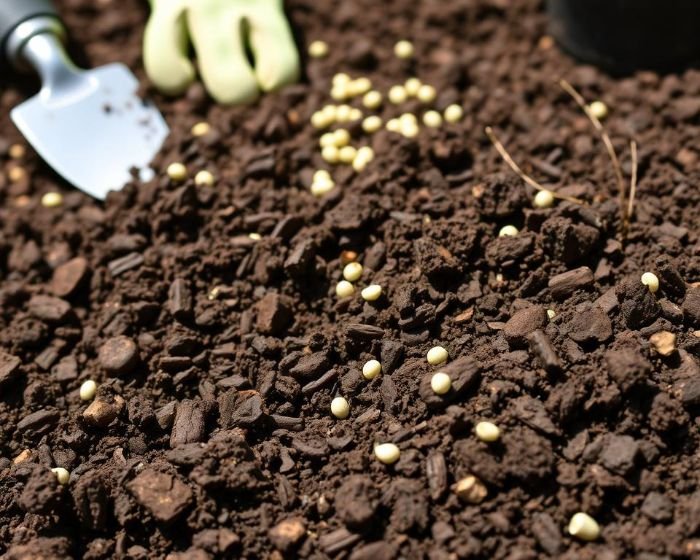
A good garden planter choice starts with drainage holes, mature plant size, material weight, and the heat that the pot will absorb during summer. Patio grasses often fail from the container before they fail from the plant choice.
| Grass Size | Typical Height | Suggested Pot Size | Best Fit |
|---|---|---|---|
| Mini accent | Under 12 inches | 8 to 10 inches wide and deep | Fiber optic grass, small Carex, small annual displays |
| Small mound | 12 to 18 inches | 10 to 14 inches wide and deep | Blue fescue, compact sedges, small mixed planters |
| Medium arching grass | 18 to 36 inches | 16 to 20 inches wide and 14 inches deep or more | Japanese forest grass, dwarf fountain grass, prairie dropseed |
| Upright accent | 3 to 5 feet | 20 to 26 inches wide and deep, with extra weight | Feather reed grass, compact switchgrass, pink muhly |
| Privacy planter | 4 feet and taller | Large trough or half-barrel scale container | Compact tall cultivars, spaced with room for airflow |
| Pot Material | Best Use With Grasses | Watch Point |
|---|---|---|
| Terra-cotta | Dry-loving grasses such as blue fescue and little bluestem | Can dry fast in summer and crack in freeze-thaw weather. |
| Glazed ceramic | Doorway pots and focal containers | Holds moisture longer; drainage holes still matter. |
| Resin or fiberglass | Balconies, rooftops, and movable pots | Light pots can tip with tall grasses unless weighted. |
| Wood | Large troughs and privacy planters | Good root insulation; liners and drainage extend useful life. |
| Metal | Modern patios and narrow planters | Heats in sun and chills fast in winter; line the inside in harsh sites. |
Use A Fast-Draining Mix And Water By Pot Weight
Most ornamental grasses dislike a dense container mix. Heavy garden soil packs around the roots, drains poorly, and adds weight without giving air to the crown. A potting mix with bark, perlite, pumice, or coarse mineral material usually performs better than rich compost-heavy soil.
A container soil mix for grasses should hold enough moisture for hot afternoons and still release extra water after rain. Drought-tolerant grasses such as blue fescue, little bluestem, and prairie dropseed need a leaner mix than Japanese forest grass or Carex.
| Container Grass Group | Mix Preference | Watering Cue | Feeding Cue |
|---|---|---|---|
| Drought-tolerant sun grasses | Fast-draining mix with mineral grit, bark, or perlite | Water when the top few inches dry and the pot feels light | Light spring feed only; excess nitrogen causes lean stems |
| Shade grasses and sedges | Moisture-retentive potting mix with drainage | Water before the root ball dries fully | Small, slow-release dose in spring |
| Tall upright grasses | Draining mix in a deep, heavy pot | Water deeply so the full root zone gets wet | Feed lightly; strong growth should stay upright |
| Tender annual grasses | Fresh potting mix with good drainage | Water often during hot growth | Monthly light feeding can support color and plumes |
Every container needs open drainage. A decorative outer cachepot is fine if the nursery pot can drain freely and never sits in collected water. If water pools around the crown after rain, the grass is living in the wrong root zone. Proper pot drainage is a plant-health decision, not a cosmetic detail.
Water by pot weight as well as finger depth. Lift one side of the container after a full watering, then lift it again when the top few inches dry. That comparison teaches you how fast the grass uses water in that exact pot, on that exact patio.
Design With Movement, Texture, And Year-Round Structure
Ornamental grasses earn their space in pots because they move. A container of still flowers can look flat from a distance. A grass catches wind, low light, frost, and late-season color, which makes a small patio feel planted and alive.
In balcony and small patio container gardens, grass also solves scale. One upright pot can screen a chair, mark a corner, or soften a railing. A row of small mounds can lead the eye along a walkway without blocking movement.
| Design Goal | Grass Shape | Companion Plants | Placement Tip |
|---|---|---|---|
| Modern, clean patio | Rounded mound or upright column | Sedum, lavender, compact conifers, silver foliage | Repeat one pot style and vary plant height. |
| Soft cottage container | Arching fountain shape | Salvia, calendula, verbena, trailing thyme | Let grass sit behind lower flowers so blades spill forward. |
| Shade corner | Cascading woodland texture | Heuchera, ferns, hosta, torenia | Use pale or gold foliage to brighten low light. |
| Fall entrance display | Plumes or copper foliage | Asters, mums, ornamental peppers, pumpkins | Keep the grass as the tallest living structure. |
| Winter view from indoors | Stiff stems or evergreen leaves | Dwarf conifers, red twig dogwood stems, hellebores | Place the pot where low winter sun catches seed heads. |
Use the same design discipline as a larger container garden layout: repeat shapes, leave access space, match pot scale to nearby furniture, and keep water needs close among companion plants.
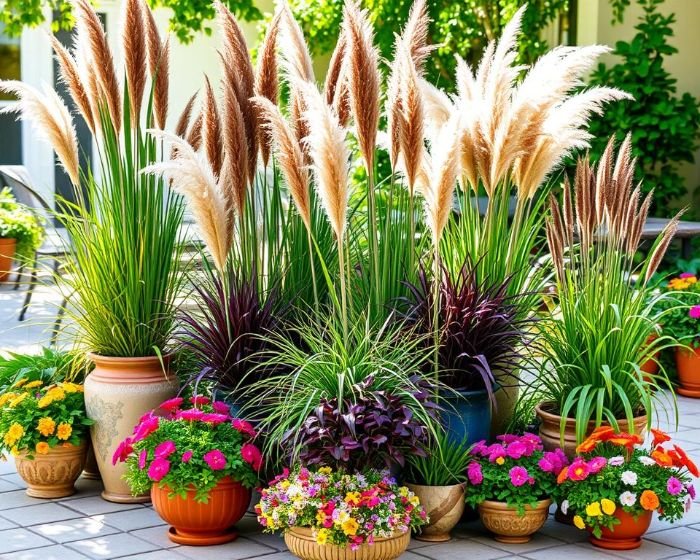
Winter Care For Potted Ornamental Grasses
A grass that survives winter in the ground may struggle in a pot. Garden soil buffers roots. Containers expose roots to colder air, freeze-thaw cycles, dry winter wind, and wet crowns. Winter success depends on hardiness, drainage, and how exposed the pot is.
For perennial container grasses, choose plants rated colder than your local zone when possible. A grass that is only barely hardy in the ground is a gamble in a pot. In cold regions, the safest patio grasses are hardy clump-formers in large containers that can be moved against a wall, grouped with other pots, or set inside an unheated shelter during harsh weather.
| Grass Type | Winter Plan | Cutback | Main Risk |
|---|---|---|---|
| Hardy deciduous perennial grass | Leave outside in a protected spot; keep pot draining | Cut back in late winter or early spring before new growth rises | Frozen roots in small pots |
| Marginally hardy perennial grass | Move to an unheated garage, shed, cold frame, or sheltered wall | Cut after the coldest weather or before spring growth | Deep freeze followed by thaw and refreeze |
| Tender grass such as purple fountain grass | Grow as an annual or overwinter frost-free with bright light | Trim only to manage size indoors | Cold damage below its hardiness range |
| Evergreen or semi-evergreen Carex | Protect from drying wind and wet crowns | Comb out old blades or trim brown tips | Hard cutback that removes the display |
| Wet winter climates | Raise pots on feet and keep crowns out of standing water | Delay heavy trimming until spring | Crown rot from saturated mix |
Seasonal garden care matters for container grasses because the same pot changes roles through the year. Summer brings water demand. Fall brings plumes. Winter brings root protection. Spring brings trimming, division, or fresh mix.
Prevent Browning, Flopping, And Root-Bound Clumps
Most container grass problems are easy to trace once you look at the whole pot. Leaf symptoms often point back to root space, drainage, light, wind, fertilizer, or age.
| Problem | Likely Cause | Fix | Prevention |
|---|---|---|---|
| Brown leaf tips in summer | Hot pot, dry root ball, salt buildup, or reflected heat | Water deeply, flush the mix, move from harsh afternoon heat if needed | Use a larger pot and mulch the surface lightly with gravel or bark. |
| Grass flops outward | Too much shade, too much nitrogen, or a pot that is too small | Move to brighter light, stop heavy feeding, repot into a larger container | Use lean feeding and match grass height to pot size. |
| Center dies out | Old clump or root-bound crown | Divide in spring and replant young outer sections | Check the root ball every two or three years. |
| No plumes | Young plant, low sun, wrong season, or stressed roots | Increase light, improve watering, and confirm bloom season for that grass | Choose sun-loving grasses only for sunny pots. |
| Rust or leaf spotting | Wet foliage, low airflow, stress, or crowded planting | Cut out damaged foliage and improve spacing | Water the mix, not the leaves, and avoid crowding mixed pots. |
| Pot cracks or bulges | Root pressure, freezing water, or a rigid container | Repot, divide the grass, and replace damaged container | Use larger pots for vigorous clumps and protect ceramic pots in winter. |
| Seedlings appear nearby | Self-seeding grass or loose seed heads | Remove seed heads before drop and pull seedlings early | Check regional invasive guidance before buying seedy cultivars. |
Do not push a stressed grass with fertilizer. A weak potted grass usually needs better light, drainage, root space, or water timing. Feeding helps only after those basics are right.
Keep Container Grasses Healthy For Several Seasons
A potted ornamental grass is a perennial root system living inside a fixed volume of mix. The crown expands, the potting mix breaks down, and water moves through the container differently each year.
| Season | What To Do | Why It Matters |
|---|---|---|
| Early spring | Cut back deciduous grasses before new blades grow; remove dead leaves from evergreen sedges | New growth gets light and the crown stays cleaner. |
| Spring repot check | Slide the root ball out if growth was weak last year or water ran down the sides | Circling roots and dry cores are easier to fix before summer heat. |
| Late spring | Plant warm-season grasses after cold weather passes | Warm-season grasses root better when the container mix has warmed. |
| Summer | Water deeply, rotate exposed pots, and check for tipping after storms | Heat and wind dry pots faster than garden soil. |
| Late summer and fall | Leave plumes for texture unless the grass self-seeds heavily | Seed heads add movement and late-season structure. |
| Late winter | Move protected pots back into light gradually and trim old stems | The plant wakes with clean growth and less crown rot risk. |
Divide clump-forming grasses when the center opens, the pot dries too fast, or growth pushes against the container wall. Replant young outer pieces into fresh mix and discard the woody center. For large pots, topdress with fresh mix in spring and divide only when the clump starts to decline.
Conclusion
The best ornamental grasses for pots fit the container as living root systems first and decorative plumes second. Match the grass to the role, then check mature height, clumping habit, sun, moisture, pot depth, winter exposure, and regional invasive guidance.
Small sunny pots suit blue fescue, prairie dropseed, little bluestem, or dwarf fountain grass. Shade containers suit Japanese forest grass or Carex. Height and winter stems call for feather reed grass or a compact switchgrass in a large, heavy container. Give each grass drainage, room, light, and a seasonal care rhythm, and the pot will bring movement far beyond one summer display.
FAQ
What ornamental grass grows best in pots?
Blue fescue, Japanese forest grass, Carex, prairie dropseed, little bluestem, dwarf fountain grass, feather reed grass, pink muhly, and purple fountain grass are strong choices for pots. The best one depends on sun, pot size, water needs, and winter hardiness.
Can ornamental grasses survive winter in containers?
Hardy ornamental grasses can survive winter in containers when the pot is large, drains well, and sits in a protected spot. Choose grasses rated colder than your local zone when possible because roots in pots freeze faster than roots in garden soil.
Do ornamental grasses in pots need full sun?
Many ornamental grasses need full sun for upright growth and good plumes. Shade pots are better for Japanese forest grass, Carex, tufted hairgrass in cool climates, and other grass-like plants that tolerate lower light.
How deep should a pot be for ornamental grass?
Small grasses need about 10 to 12 inches of root depth. Medium grasses need 14 to 18 inches. Tall grasses need deeper, heavier containers, often 20 inches or more, so the crown has space and the pot stays stable.
Can tall ornamental grasses grow in containers for privacy?
Yes, tall grasses can grow in containers for seasonal privacy if the planter is large, deep, and heavy. Feather reed grass and compact switchgrass are better than very large prairie or Miscanthus types in most patio containers.
Should potted ornamental grasses be cut back?
Deciduous perennial grasses are usually cut back in late winter or early spring before new growth appears. Evergreen sedges and similar grass-like plants are usually combed, cleaned, or lightly trimmed; cutting to the soil can remove the display.