



Updated April 24, 2026
August garden work should treat the month as a pressure point, not as the end of summer. Heavy tomato vines, tired zinnias, dry containers, and empty vegetable rows all ask the same question: harvest, cut back, water, or replant before September narrows the window?
The month rewards fast, physical decisions. Pick the crop before texture drops. Cut the flower before it sets seed. Probe the soil below the dry top layer. Count backward from your first frost date before sowing anything that needs more than a few weeks.
Core August garden tasks are harvesting ripe crops, deadheading repeat bloomers, sowing fall vegetables that still fit the frost window, watering after a 2-inch soil check, and clearing residue that can carry pests or disease. Add 10-14 days to fall crop timing because shorter light slows late-season growth.
August Gardening Checklist At A Glance
| Task lane | Do this in August | Why it comes first |
|---|---|---|
| Harvest | Pick zucchini, beans, cucumbers, herbs, and ripe fruit every 1-2 days | Flavor and texture fall before plants look finished |
| Deadhead | Cut repeat bloomers back to a leaf pair or side shoot | Spent flowers shift energy toward seed and away from buds |
| Sow for fall | Count backward from first frost and add 10-14 days | Shorter days slow late plantings more than seed packets admit |
| Water | Probe 2 inches down, then prioritize containers, seed rows, and new plants | The surface crust dries faster than the root zone |
| Clean up | Remove rotting fruit, diseased leaves, and finished crops fast | August pests and diseases build on neglected residue |
| Protect | Shade new seed rows, mulch bare soil, and stage row cover | Heat now and cold later both punish late starts |
Table of Contents
August Priority Timing – Choose The Task That Pays First
August does not need one giant weekend. It needs the first correct job. A Northern bed might be racing frost, a Southern bed might still be too hot for lettuce, and a coastal garden might be dealing with humid nights before the soil ever looks dry.
Your vegetable garden is producing faster than you can cook. Harvest first, even before weeding. Pick anything oversized, refrigerate what needs cooling, and remove split or rotting fruit the same day so wasps, fruit flies, and disease do not get a free meal.

Your flower beds look tired, and buds are still forming. Water deeply the morning before you deadhead, then cut back to healthy branching points that still carry green leaves. Leave a few coneflower, sunflower, or black-eyed Susan seedheads in the back of the bed for late-season food and texture.
Your summer crops are finished and open soil is sitting bare. Clear the row, add compost, water the bed, and decide within 48 hours whether it becomes radishes, greens, transplants, mulch, or a cover crop. If first frost is less than 60 days away, choose fast crops or protection-ready transplants instead of anything that needs a long warm runway. Seasonal garden care becomes more compressed in August because harvest, heat, pests, and fall planting overlap.
August Harvest Tasks – Pick Before Heat Steals Texture
Harvest timing is the easiest August win because quality drops faster than appearance. A zucchini can double from tender to seedy in a couple of hot days. Beans lose snap as the seeds swell. Basil leaves turn coarse once flowers open and the stem shifts energy into seed.
Pick in the morning when turgor pressure is higher from the cool night. A cucumber should feel firm and cool in your palm, with a clean skin sheen and no soft hollow give at the blossom end. A bean should break with a crisp snap, not bend like a cord. Those small physical cues beat calendar timing.
| Crop | Best August cue | What late harvest costs |
|---|---|---|
| Zucchini and summer squash | 6-8 inches long, glossy skin, tender neck | Large seeds, watery flesh, slower new fruit set |
| Tomatoes | First full color at the breaker stage or vine-ripe color | Cracking, bird damage, stink bug feeding, rot |
| Cucumbers | Firm, evenly colored, before skins dull or yellow | Bitterness, tough seeds, reduced flowering |
| Beans | Pods snap cleanly before seeds bulge | Stringy pods and a plant that slows production |
| Basil and soft herbs | Cut above a leaf pair before flowers open | Woody stems, smaller leaves, sharper flavor |
Tomatoes can be harvested when they first change color and ripened on the counter to reduce cracking, splitting, insect feeding, and disease. Harvest regularly because fruit left to rot attracts more wasps around the garden. Both risks matter in a month when one missed picking can turn into pests, waste, and a lower-quality harvest basket.

Store what you pick by crop, not by habit. Tomatoes keep better at room temperature until fully ripe. Beans, cucumbers, herbs, and summer squash need cooling soon after harvest. Garlic and onions need curing in a dry, airy place before storage; damp necks and papery skins that still feel rubbery signal they are not ready for the pantry.
Deadheading Flowers In August – Extend Bloom Without Stripping The Seed Crop
Deadheading in August is not a cosmetic chore. It is a choice about plant energy. A fading zinnia, cosmos, petunia, salvia, dahlia, or marigold will move carbohydrates toward seed if the old bloom stays in place. Remove it early enough and the plant keeps pushing buds from active nodes.
Deadheading removes dying flower heads so annuals, biennials, perennials, and flowering shrubs keep flowering before seed production takes over. The mechanism is simple enough to see in the plant. Seed set changes hormone signals, especially auxin flow through the stem, and the plant shifts from making petals to finishing the reproductive job.
Cut repeat bloomers differently than seed plants
For repeat bloomers, cut back to a healthy leaf pair, side shoot, or bud. Pinching only the brown petals off a marigold leaves the developing seed head behind, so the plant still treats the bloom as finished. With dahlias and zinnias, follow the stem down to the next branching point. The cut should leave a clean green stem, not a stub that dries into a little brown peg.
Some August seedheads deserve to stay. Coneflowers, black-eyed Susans, sunflowers, grasses, nigella, poppies, and milkweed pods feed birds, provide texture, or give you seed to save. Deadhead the front-of-border flowers that need to keep blooming, then leave selected seedheads in less formal spots. The garden looks cared for without becoming sterile.
Pro Tip: Deadhead with a small bucket clipped to your belt and make two piles as you work – clean spent flowers for compost, diseased or mildewed material for the trash. That one habit keeps powdery, gray, or spotted debris out of the compost bin.
The best cut has a dry, papery flower in one hand and a green, slightly firm stem under the blade. If the stem collapses wet or smells sour, remove more of that shoot and inspect nearby foliage. Late-summer flower beds hide rot inside dense growth long before the whole plant looks bad.
For mums and other fall bloomers, avoid hard cutting once buds are set. Pruning and deadheading chrysanthemums requires separate timing because hard cutting after bud set can remove the fall display.
Fall Vegetable Garden Planning – Count Back Before You Sow
August fall planting succeeds only when the crop has enough time to reach useful size. The seed packet number is the starting point, not the whole answer. Add 10-14 days for shorter light and cooler late-season growth, then count backward from your average first frost date.
Use days to maturity from the seed packet and count backward from the average first frost date. Local areas can shift 7-10 days earlier or later depending on fall weather. That range is the difference between baby kale and a row that never gets past small leaves.
Fast August crops
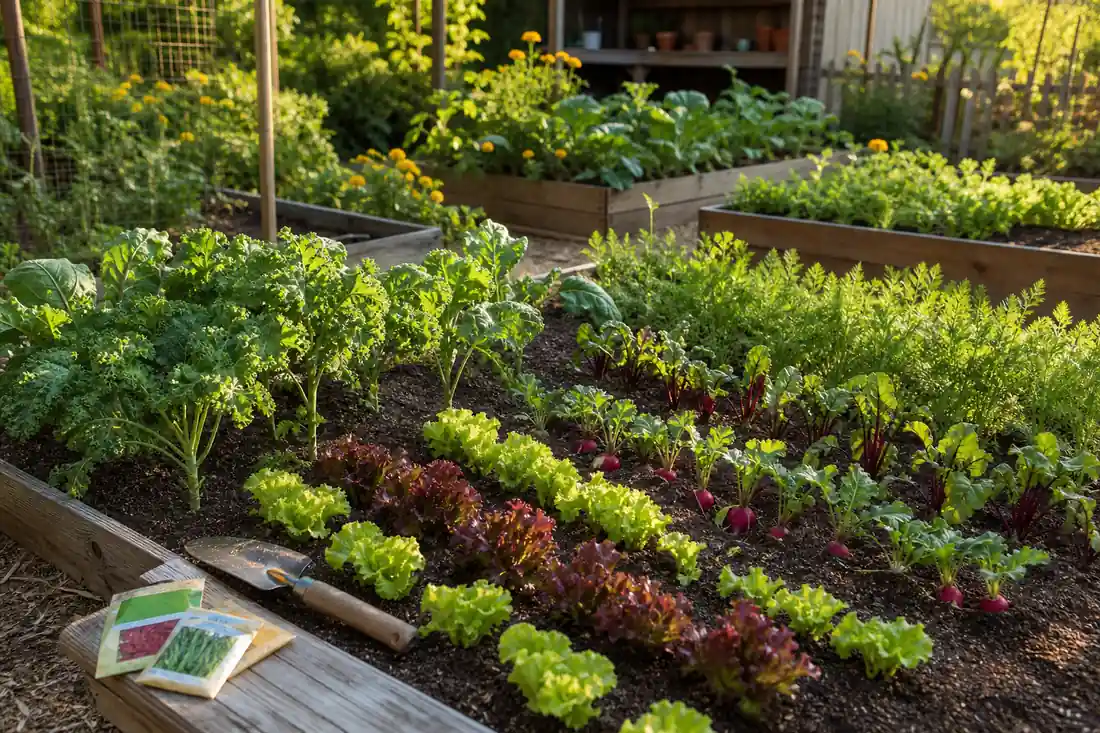
Radishes, arugula, mustard greens, baby kale, turnips for greens, leaf lettuce in cooler regions, cilantro, dill, and spinach once nights begin cooling are the cleanest late August bets. Carrots, beets, broccoli, cabbage, cauliflower, collards, and full-size kale need an earlier start or transplants in many climates.
Prepare the bed before the seed
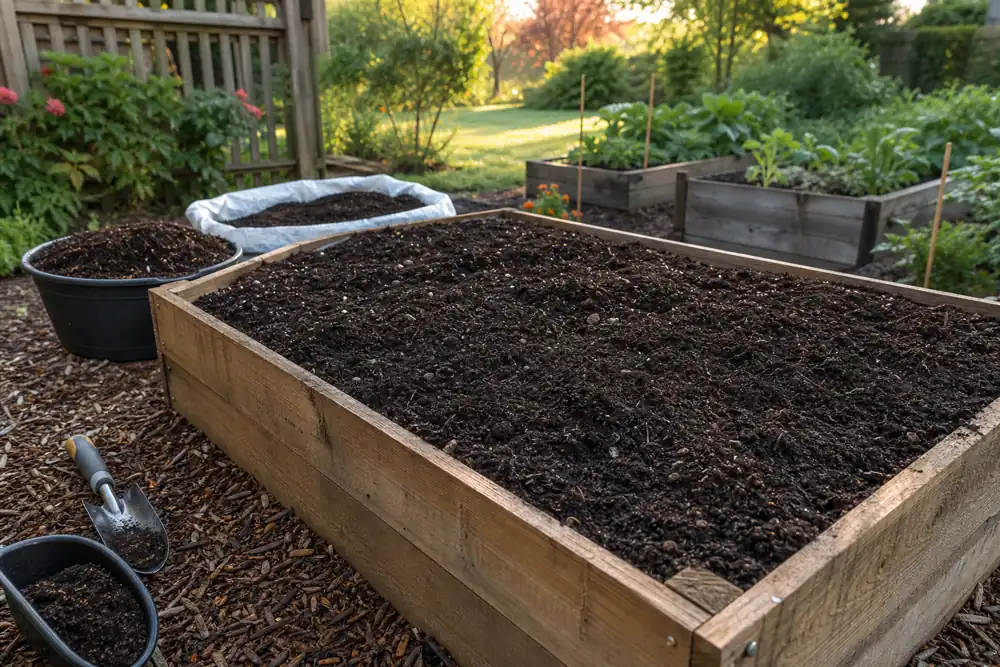
Clear finished crops before the roots become a dry knot. Add finished compost across the top inch, water the bed deeply, and sow into damp soil. Hot August soil can crust after one thunderstorm, so cover fine seed with compost, vermiculite, or a light shade cloth until germination. The surface should feel cool and slightly tacky under your finger, not dusty and hot.
Frost-free time should decide whether the bed takes another food crop, mulch, or a cover crop until fall. The right choice saves labor. A rushed choice makes a thin stand that needs water every day and still misses harvest.
| Fall crop group | August timing logic | Useful first move |
|---|---|---|
| Fast greens and radishes | Best for late August and short windows | Sow shallow into damp soil and shade until sprouting |
| Carrots and beets | Need more lead time and even moisture | Pre-water the row and keep the seed zone from crusting |
| Brassica transplants | Work when August heat is managed at planting | Plant in evening, water in, and cover against insects |
| Cover crops | Best when food crop timing is too tight | Use oats, rye, clover, or a regional mix suited to frost timing |
Open beds also need rotation awareness. Avoid putting fall brassicas straight into a bed that just carried cabbage family crops under heavy pest pressure. When to plant vegetables by season depends on matching crop duration, frost window, and bed history so August sowing does not repeat spring mistakes.
Fall garden failures often start with dry seed rows, not bad seed. A row that germinates in 4-7 days under moist shade can sit for 12 days in hot crusted soil, then emerge patchy and weak.
August Watering And Mulch – Feed The Root Zone, Not The Surface
The top inch of August soil lies all the time. It can look pale and dry an hour after a proper soak, especially under sun and wind. Pull mulch aside and probe 2 inches down before watering vegetable beds. Moist soil at that depth feels cool and gives slight resistance around the fingertip. Dry soil feels warm, loose, and gritty.

The 2-inch watering test works well for vegetable gardens, which usually need about 1 inch of water per week, with sandy soil needing more frequent watering than heavier loam or clay. Mulch-covered soil holds water longer, which is why bare August beds swing from wet to crusted so fast.
Water moves through soil by gravity and capillary action. A quick surface sprinkle wets the crust, then evaporates. A slower soak lets water move into pore spaces where feeder roots can reach it. That is the August watering job: protect the harvest and fall seed rows without letting the hose become the whole garden plan.
Water by plant priority
- Water new trees, shrubs, perennials, and fall transplants before established ornamental beds.
- Water containers daily during heat because small root zones heat and dry first.
- Water fruiting vegetables deeply before leaves stay limp by sunrise.
- Water seed rows lightly and often only until germination, then shift deeper.
Mulch belongs in the same decision. A 2-3 inch layer over moist soil lowers surface temperature swings and slows evaporation. Put that same mulch over powder-dry soil and it shelters the dryness. If the bed has gone hydrophobic, water in two passes about 15 minutes apart so the first pass breaks the surface tension and the second pass moves down.
Soil moisture monitoring helps confirm whether August water has reached the active root zone. Beds that keep baking between soakings need mulching to conserve soil moisture more than another frantic evening with the hose.
Late-Summer Pest And Disease Checks – Stop The Last Generation
August pest work should support harvest, watering, and fall planting rather than take over the month. Aphids, squash bugs, cabbageworms, Colorado potato beetles, mites, stink bugs, and leaf diseases all benefit from dense foliage and stressed plants. The plant already has less spare energy at this point, so small damage carries farther.

Active August pressure can include aphids, cabbage loopers, imported cabbageworms, squash bugs, squash vine borers, harlequin bugs, scale crawlers, stink bugs, and southern blight. Do not treat everything. Inspect the crops most likely to carry trouble and respond when damage is still local.
Use symptoms before sprays
Turn over leaves on squash, brassicas, beans, eggplant, peppers, and tomatoes every 2-3 days. Aphids leave curled sticky tips and a slight shine. Mites leave pale stippling that looks dusty before webbing appears. Squash bug eggs sit in tight bronze clusters under leaves, and frass near a squash stem signals vine borer feeding inside the tissue.
Fungal and bacterial issues need a different eye. Lower tomato leaves with spots, yellow margins, or splash patterns usually tell you irrigation, humidity, and airflow are interacting. Southern blight works at the lower stem in hot humid weather, where tissue turns brown or black near the soil line. Pulling one infected leaf is not enough if wet mulch and dense stems still hold humid air against the crown.
| August symptom | Likely issue | First response |
|---|---|---|
| Sticky curled tips with ants nearby | Aphids | Blast off colonies, prune worst tips, protect predators |
| Bronze egg clusters under squash leaves | Squash bugs | Remove eggs and drop adults into soapy water |
| Green caterpillars and dark frass on brassicas | Cabbageworms or loopers | Handpick early and use row cover on new plantings |
| Yellow or white cloudy spots under tomato skin | Stink bug feeding | Harvest promptly and remove overripe fruit |
| Brown lower stem and sudden wilt in humid heat | Southern blight or stem disease | Remove infected plants and keep debris out of compost |
Predator-prey dynamics matter in August, so do not spray the whole garden because one stem has insects. A small aphid colony can feed lady beetle larvae, lacewings, and parasitic wasps. A colony spreading across new growth on food crops needs action, and managing aphids organically should target the colony rather than treat every plant the same.
Disease cleanup changes the compost decision. Soft, spotted, mildewed, or blighted material belongs out of the garden unless your compost system reliably heats through the pile. Healthy spent plants can still become green material when mixed with dry leaves, old straw, or shredded stems.
Conclusion
August gardening works when every task protects either quality, roots, or timing. Harvest every 1-2 days during peak production, water after the 2-inch soil test, deadhead plants that still have buds, and count fall crops backward from first frost with 10-14 extra days added for slower late-season growth.
If a bed is producing, keep it picked and watered. If a bed is failing, remove diseased material and cover the soil within the week. By the end of August, the garden should have three visible signals: clean harvests, fresh flower buds, and no bare soil baking unused.
FAQ
What Should I Do In The Garden In August?
Harvest ripe crops, water deeply, deadhead repeat bloomers, sow fast fall vegetables, scout pests, remove diseased leaves, and protect bare soil. The exact order depends on heat, harvest load, and your first frost date. In a hot dry week, watering and harvest move first. In a mild week with empty beds, fall sowing deserves the time.
Can You Plant Vegetables In August?
Yes, if the crop fits the frost window. Radishes, arugula, mustard greens, baby kale, cilantro, dill, turnips for greens, and spinach in cooler late-August conditions are good candidates. Broccoli, cabbage, cauliflower, collards, beets, and carrots need more lead time or transplants in many regions. Count backward from first frost and add 10-14 days.
What Happens If I Stop Harvesting In August?
Plants receive the signal that reproduction is finished. Overmature beans, squash, cucumbers, and basil flowers redirect energy into seed, and new flowers slow down. Rotting fruit also attracts wasps, fruit flies, and disease organisms. One neglected week can reduce the next two weeks of harvest.
Should I Fertilize My Garden In August?
Vegetables still producing fruit can take a light, crop-appropriate feeding if they are watered well first. Woody shrubs, trees, and many perennials should not receive high-nitrogen fertilizer late in the month because tender new growth hardens poorly before cold weather. Compost top-dressing is the safer August move for beds being reset.
How Often Should I Water In August?
Use soil depth, not the calendar. Vegetable beds that are dry 2 inches down need water, and most gardens need about 1 inch per week from rain or irrigation. Containers in full sun need daily inspection. Seed rows need shallow, frequent moisture until germination, then deeper watering as roots develop.
Is Deadheading Still Worth It In August?
Deadheading is worth it on repeat bloomers that still carry buds. Zinnias, marigolds, cosmos, salvia, dahlias, petunias, and many container annuals can keep flowering when spent blooms are removed before seed set. Leave some coneflower, sunflower, black-eyed Susan, and grass seedheads if you want wildlife food or seed saving.
What Is The Biggest August Gardening Mistake?
The costly mistake is treating August as cleanup only. The month still decides harvest quality, fall vegetable timing, pest carryover, and soil protection. A garden ignored until September loses ripe produce, opens space for weeds, and misses the strongest window for many fall crops.
How Do I Prepare Beds For Fall Crops In August?
Clear finished summer crops, remove diseased debris, add finished compost, water deeply, and sow into damp soil. Cover fine seed lightly and protect it from hot crusting with shade cloth, burlap, or a thin compost layer. If first frost is too close for food crops, plant a cover crop or mulch the bed.