Last Updated May 07, 2026
Plants that attract birds and butterflies work best when they provide food, shelter, nesting support, and seasonal structure across more than one part of the year.
Many yards break that sequence. The border looks full in June, then traffic drops because every flower peaks at once, every shrub gets clipped hard, and no host plants are present for caterpillars. Birds fade out of the bed even though the flowers still look busy from the patio.
The strongest wildlife planting reads like layered habitat. A serviceberry opens the season, milkweed and coneflower hold summer movement, asters and regionally appropriate goldenrods carry late nectar, and grasses or berry shrubs keep seed, cover, and insect life in place after frost.
Each wildlife plant should be screened by wildlife role, light, drainage, mature size, climate fit, and cleanup tolerance. Choosing plants by site conditions still matters because wildlife value is only one part of the match.
Key Takeaways:
- Match plants to food, shelter, nesting, and seasonal roles
- Keep bloom, berries, and seedheads moving across the calendar
- Group repeats in clumps wildlife can find quickly
- Review bloom gaps and winter cover every month
- Avoid nursery plants with hidden pesticide risk when possible
Wildlife planting works better when shrubs, small trees, perennials, herbs, grasses, and vines are chosen by job first. Nectar, host foliage, berries, seed, and shelter each pull a different layer of wildlife into the same garden.
Table of Contents
Best Plants By Wildlife Target
Start by deciding which wildlife layer the planting needs to strengthen first.
| Wildlife target | Best plant direction | Strong examples | What the plants provide | Main caution |
|---|---|---|---|---|
| Songbirds | Berry shrubs, seedheads, insect-supporting trees | Serviceberry, elderberry, chokeberry, coneflower, sunflower, oak where space allows or where a nearby mature oak already exists | Fruit, seed, caterpillars, cover | Heavy fall cleanup and hard pruning remove food and shelter |
| Butterflies | Host plants plus nectar flowers | Milkweed, violets, asters, clumping or regionally appropriate goldenrod, dill, parsley, fennel | Larval food and adult nectar | Nectar flowers alone do not support the full life cycle |
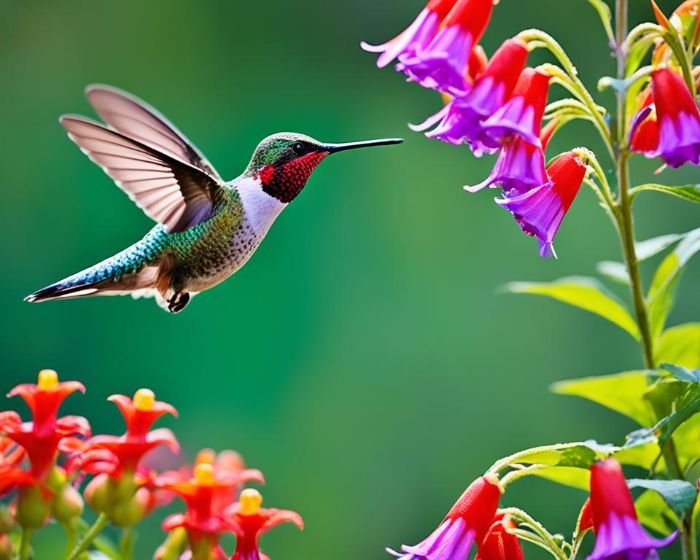
| Hummingbirds | Tubular nectar flowers | Cardinal flower, bee balm, salvia, penstemon, coral honeysuckle, hardy fuchsia or cuphea as tender seasonal plants in colder climates | High-access nectar through warm months | Regional heat, cold, and moisture fit still decide bloom length |
| Native bees | Long bloom sequence, varied flower shapes, some open soil | Willow, penstemon, yarrow, mountain mint, asters, goldenrod | Pollen, nectar, nesting access | Too much mulch removes nesting ground for many ground-nesting bees |
| Winter birds | Seedheads, grasses, berry shrubs, evergreen or dense cover | Little bluestem, switchgrass, coneflower, native viburnum, winterberry holly where adapted, eastern red cedar or juniper where regionally suitable | Seed, berries, roosting cover, insect habitat | Cutting everything down in fall turns the bed into short-season decoration |
Protein-rich caterpillars that nesting birds feed to their chicks matter before berries or seedheads appear, and a pair of Carolina chickadees may need 6,000 to 9,000 caterpillars to raise one brood. A shrub that feeds insects in spring and berries in fall does more work than a flashy midsummer flower with no host value.
Host value is uneven across plant genera. Oak, willow, cherry, milkweed, asters, goldenrod, and native grasses carry more wildlife weight than their bloom display alone suggests, which is why even one well-placed host plant can change the whole bird layer of the garden.
I often notice that gardeners chase nectar first because flowers are easy to see, then wonder why the yard still feels short on birds during nesting season.
The Best Plant Roles For Birds, Butterflies, And Beyond
Role-based selection prevents random plant buying because every shrub, perennial, grass, herb, or vine has to supply a defined wildlife function before species choice begins.
| Plant role | What wildlife gets | Strong examples | Watch for |
|---|---|---|---|
| Early-flowering shrubs and small trees | Nectar for early pollinators, insect activity, later fruit in some species | Serviceberry, willow, redbud, flowering currant where adapted | Short bloom windows if this is the whole spring plan |
| Host plants and nectar perennials | Leaf food for larvae plus summer nectar for adults | Milkweed, dill, parsley, fennel, bee balm, penstemon, coneflower | Gardeners remove them when leaves get chewed |
| Berry shrubs and fruiting thickets | Fall and winter food, dense cover, insect habitat in spring | Native viburnum, elderberry, chokeberry, native dogwood, winterberry holly where adapted | Heavy pruning cuts flowers, fruit, and shelter at once |
| Late-season bloomers | Nectar when many summer flowers are finished | Regionally appropriate asters, clumping or regionally appropriate goldenrod, Joe-Pye weed where moisture and size fit, sedum where regionally suitable | Cutting them down too early removes the late food gap filler |
| Seedheads and native grasses | Seed for birds, overwinter cover, stem habitat for insects | Sunflower, little bluestem, switchgrass, coneflower, black-eyed Susan | Fall cleanup turns them into one-week plants |
| Tubular nectar flowers | Strong hummingbird traffic and extra summer nectar | Cardinal flower, salvia, coral honeysuckle, hardy fuchsia where winters allow, cuphea as warm-season color in milder climates or containers | Cold-climate or dry-climate mismatch drops bloom fast |
For other backyard wildlife, the same plant logic applies at a smaller scale. Dense shrubs shelter spiders, beetles, moths, and small mammals. Leaf litter protects overwintering insects. Native grasses and hollow-stemmed perennials carry more habitat value than clipped bedding plants because they leave structure after flowering ends.
Serviceberry stacks early bloom, larval host value, and fruit in one shrub or small tree. That plant architecture is more useful than a flower that gives one short nectar pulse and nothing after bloom.
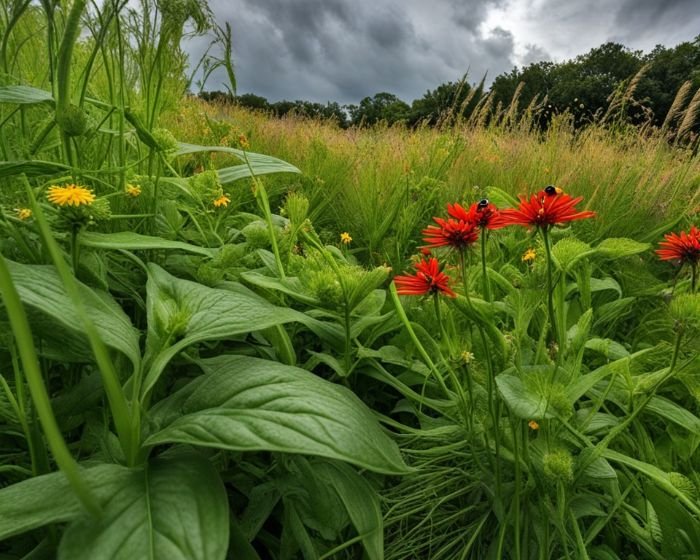
Some gardens lean harder toward nectar than fruit or seed. That still has a place. Bee-heavy borders can use pollinator-friendly plants for bloom sequence and flower-form variety, then widen the mix with shrubs, grasses, and host foliage that keep birds and butterflies in the picture too.
Bloom Timing, Flower Shape, And Seasonal Food Gaps
Season length beats flower count. Keeping flowers available from early spring to late fall, mixing bloom shapes, and planting in groups makes the garden easier for wildlife to find and use.
Butterflies tend to work flat daisy forms and clustered blooms such as zinnia, milkweed, verbena, and goldenrod. Hummingbirds key in on tubes and trumpets such as bee balm, honeysuckle, penstemon, and cardinal flower. Bees use open daisies, small clustered flowers, and many herbs in flower. A yard that repeats one bloom shape feeds a narrower slice of wildlife than a yard that mixes landing pads, clusters, and tubes.
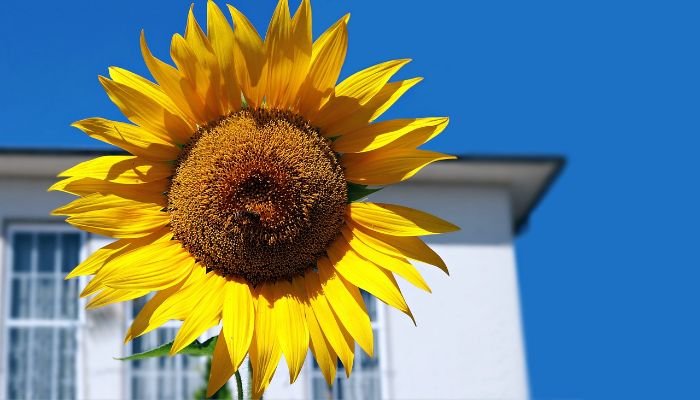
Bird traffic changes with the season too. Spring and early summer pull more insects. Late summer and fall expand into berries and seed. Finches hanging from spent coneflowers in October are using the same bed that butterflies used for nectar in July.
Grouped planting helps. Three or five of one plant make a stronger signal than one each of five kinds. Clumps also warm faster in open sun after a cool night, so insects return to the same patch with less searching across the yard.
Stand where you usually admire the garden and ask which month still has food when the first flush is gone. That answer reshapes the shopping list fast.
Native Plants, Host Plants, And The Butterfly Bush Problem
Native plants keep more of the local food web intact because local insects recognize the leaves, bloom timing, and chemistry. Adult butterflies can sip nectar from many flowers, though most caterpillars need specific host plants to survive. That is why milkweed, violets, native grasses, fennel, dill, parsley, willow, cherry, and oak matter so much.
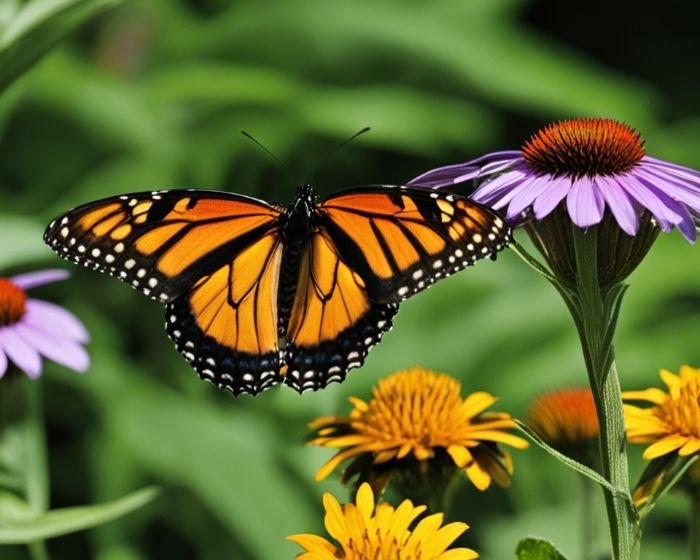
Native status does not override site fit. A native plant placed in the wrong light or wrong soil still fails, blooms poorly, or disappears after one hard season. Choosing native plants still depends on regional fit, light, soil, moisture, and winter conditions.
Butterfly bush needs regional screening before use because Buddleja davidii can escape cultivation in some areas. Check regional invasive guidance for butterfly bush, then treat nectar as only one wildlife function. Host foliage, seed, fruit, and winter cover still need separate plant choices.
Regional plant selection improves when regional pollinator plant lists narrow choices by state and habitat instead of forcing a generic national list onto a local site.
Choose The Right Wildlife Plant Mix For Your Yard
Pick the missing habitat role first, then build the plant mix that solves it. That keeps a small yard from turning into a random shopping cart.
| Garden situation | Best wildlife mix | Why it works | Main miss to avoid |
|---|---|---|---|
| Sunny mixed border | Serviceberry or elderberry at the back, milkweed, salvia, coneflower, asters, little bluestem | Hits spring nectar, summer bloom, host value, fall seed, and structure | Using only midsummer flowers |
| Hot dry strip | Butterfly milkweed, penstemon, yarrow, gaillardia, native bunch grasses, compact sunflower | Holds nectar and seed in lean soil with less summer stress | Installing thirsty cottage flowers in reflected heat |
| Part-shade edge | Native viburnum or dogwood, columbine, woodland phlox, heuchera, sedges, late-season asters where light allows | Adds cover, spring bloom, and a calmer layered understory | Expecting full-sun bloom volume in dense shade |
| Fence line or property edge | Berry shrubs, native grasses, sunflowers, and eastern red cedar or juniper where regionally suitable | Builds thick cover, winter shelter, and seasonal food in one band | Clipping every shrub into a hard green wall |
| Small patio or narrow urban yard | One anchor shrub in ground, herbs allowed to flower, salvia or zinnia in pots, shallow water nearby | Creates fast nectar traffic in a tight footprint with one layer of shelter | Expecting containers alone to replace shrubs and cover |
| Wet edge or rain garden | Buttonbush, swamp milkweed, cardinal flower, blue flag iris, Joe-Pye weed where moisture and size fit | Turns a damp problem spot into a long-feeding habitat strip | Trying to dry out the site for plants that want average soil |
Containers are useful in wildlife gardens, though their job is narrower. They pull in nectar users fast near doors and seating, though they do less for cover, berry production, and overwinter habitat. Container plant choices still depend on root volume, drainage, heat exposure, and watering consistency.
Common Mistakes That Reduce Wildlife Value
Wildlife gardens lose value when food, shelter, host foliage, nesting access, or seasonal structure is removed by design choices and cleanup habits.
| Mistake | What it removes | Better correction |
|---|---|---|
| Planting only nectar flowers | Host foliage, larvae, bird food during nesting season | Add milkweed, violets, native grasses, willow, cherry, or oak where site and scale allow |
| Cutting every seedhead in fall | Winter seed, insect shelter, visual structure | Leave selected seedheads and stems until late winter or early spring |
| Clipping berry shrubs hard every year | Flowers, fruit, dense cover | Prune after fruiting or use selective renewal pruning |
| Relying on butterfly bush | Host plant function and regional plant diversity | Use host plants and late-season native nectar first, then check local invasive guidance |
| Mulching every open soil patch | Ground-nesting bee habitat | Keep a few small, undisturbed bare-soil pockets |
Layout style matters less than functional sequence. Wildlife value depends on food, shelter, host foliage, nesting access, and post-bloom structure staying present across the year.
Buy And Maintain Wildlife Plants Without Pesticide Risk
Wildlife planting fails when the plants arrive clean of insects because they were treated to stay visually perfect. Start with pollinator-safe nursery plants when you can, and ask how the stock was grown, whether systemic insecticides were used, and whether the plants are safe for bees, caterpillars, and other feeding insects.
Hidden chemical risk matters because systemic insecticides can remain in pollen, nectar, leaves, and stems. Neonicotinoids are part of that problem, and routine sprays on host plants remove the same insect life that birds and butterflies came to use. Chewed milkweed, parsley, violets, willow, and native grasses often mean larvae are present. That is feeding pressure the garden was designed to carry.
Many native bees nest in open soil, so leave a few small gaps where the ground stays accessible and undisturbed. Seedheads on sunflower, coneflower, and grasses keep feeding birds after bloom. Dense native viburnum, dogwood, winterberry holly where adapted, eastern red cedar or juniper where regionally suitable, and standing grasses add the winter cover the flower layer cannot provide on its own.
Water during establishment matters more than extra fertilizer in year one. Shrubs under dry stress set lighter berry crops. Perennials shorten bloom when roots stay thirsty or crowded. If a bed seals hard after rain or stays slick for a day, soil health improvement matters before the next nursery trip.
Pro Tip: Mark one no-cleanup corner in late fall with a short stake. That little marker stops winter tidying from wiping out stems, leaf litter, and bare nesting soil in the exact place you wanted wildlife to use.
Seasonal garden care in a wildlife planting should keep selected seedheads, stems, cover, and insect habitat available after peak bloom. A wildlife garden keeps food, cover, and insect life available after peak bloom, not only during it.
Conclusion
The best plants that attract birds and butterflies usually feed more than one life stage, cover more than one season, and fit the site well enough to keep performing without constant rescue.
A strong wildlife planting usually needs one early bloomer, one or two host plants, a run of summer nectar, a late-season food source, and some seed or cover that stays up after frost. Build that sequence well and the garden keeps food, cover, and insect life available beyond peak bloom.
FAQ
What plants attract both birds and butterflies?
Serviceberry, sunflower, milkweed, asters, elderberry, native grasses, and coneflower are strong cross-over choices because they combine nectar, host value, seed, fruit, or insect activity in the same planting. The mix matters more than any single species.
What plants help winter birds most?
Seedheads, berry shrubs, native grasses, and dense woody cover do the heaviest work. Winterberry holly where adapted, native viburnum, elderberry thickets, little bluestem, switchgrass, and regionally suitable juniper or cedar give food and shelter after the flower layer is gone.
Are native plants always the best choice for wildlife?
Not every native is right for every site. A badly matched native still blooms poorly or dies young. Native plants give the strongest ecological return when they also match your light, soil, moisture, and winter conditions.
Should I plant butterfly bush in a wildlife garden?
Check regional invasive guidance first. In some parts of the United States, butterfly bush escapes cultivation and displaces native plants. Even where it behaves, it does not replace host plants, berry shrubs, seed plants, or winter cover.
Can a small yard still attract birds and butterflies?
Yes. One shrub for cover, a tight clump of nectar flowers, one host plant, and a shallow water source can pull regular traffic into a very small space. Patios and narrow beds work best when the planting repeats a few strong choices instead of scattering one of everything.
What do birds need that butterfly gardens sometimes miss?
Protein comes first during nesting season. Birds use caterpillars, spiders, and other soft-bodied insects heavily when feeding chicks, so a flower bed that carries nectar and no host plants can still read thin from a bird’s point of view.
Should I worry about pesticide-treated nursery plants?
Yes, especially when the goal is to support bees, caterpillars, and other insects. Ask whether the plants were treated with neonicotinoids or other systemic insecticides, and avoid routine sprays on host plants after they are in the ground.
How tidy can a wildlife-friendly garden stay?
If you like a clean look, keep the paths, front edge, and main viewing area sharp. Relax one back corner, leave some stems standing, and let selected seedheads stay through winter. The garden can still look intentional and keep far more habitat value.