


Last Updated May 20, 2026
Mindful gardening tips for beginners work best when the garden task is small enough to complete before your mind starts making a job out of it. A full backyard plan feels heavy on a tired Tuesday. One basil pot by the back door, a damp finger pushed into soil, and the peppery scent released from a rubbed leaf give attention a place to land.
Forced calm makes the practice brittle. Mindful gardening begins when a real plant task slows attention down: watering at root depth, pulling one weed without tearing the soil open, or sowing one row with enough space between seeds. The garden gives feedback through weight, moisture, leaf posture, scent, and resistance. Those signals keep the practice honest.
Beginner mindful gardening includes one small task, one sensory anchor, one plant that responds visibly, and a short stopping point. Start with 5 to 15 minutes, use containers or a small bed, keep tools within reach, and end before the task turns into cleanup pressure.
Key Takeaways
- Start with 5 minutes before expanding the garden.
- Choose plants that answer back through scent or growth.
- Use watering as attention training, not background maintenance.
- Let one failed plant teach timing before replacing it.
- Stop before fatigue turns calm into another chore.
Table of Contents
Mindful Gardening For Beginners – Keep The Practice Tied To A Real Task
Mindful gardening is attention placed inside a garden job that already needs doing. The hands need a clear object: soil under a finger, the weight of a watering can, the snap of a dry stem, or the smell of crushed thyme. Attention has less room to drift when the hands are reading real feedback.
A 30-minute garden stress-recovery experiment found stronger cortisol reduction after allotment gardening than after indoor reading, with mood fully restored after the garden session. The result supports gardening as a short stress-recovery activity while keeping the claim below medical treatment language.
For a beginner, use this first practice loop:
- Choose one task that takes 5 to 15 minutes.
- Touch the soil before reaching for water.
- Name one visible plant signal before acting.
- Move slowly enough to keep the tool quiet.
- Stop when the planned task is finished.
- Leave one small task for tomorrow.
Beginners often resist leaving one small task unfinished. Finishing every visible job turns the garden into a performance test. Leaving one low-risk task, such as deadheading a few flowers or topping off one pot tomorrow, gives the next session a clear doorway.
Soil moisture is a useful anchor because it gives immediate sensory feedback. Push a finger 2 inches down. Dry soil feels warm, grainy, and loose against the skin; moist soil feels cool and holds light pressure for a second before falling apart. The nervous system gets a physical signal to track, and the plant gets better care at the same time.
Mindful Garden Setup – Build A Place That Reduces Friction
A mindful garden fails fastest when it sits too far from daily life. Distance adds decisions: shoes, hose, tools, time, and weather. Place the first practice spot where your eye already passes each day, such as a back step, balcony rail, kitchen window, porch table, or the near end of a raised bed.
Containers work well for beginners because they concentrate feedback. A 10- to 14-inch pot has enough soil volume to buffer a missed watering better than a tiny decorative pot, and it still changes weight in the hand as moisture drops. Water moves through that pot by gravity and capillary action, then exits the drainage hole; a saucer left full keeps the lower root zone wet and airless.
Use A Near-Door Practice Spot
Set the pot or small bed within 20 steps of a water source. Keep one hand tool, a small watering can, and a pair of snips in the same place after each session. Reaching for the same tool tray becomes part of the cue, the way putting on garden gloves tells the body the work will be brief and specific.
Light still rules the plant choice. Six hours of direct sun suits basil, marigold, thyme, cherry tomato, and many annual flowers. Three to four bright hours suits parsley, mint in a pot, chives, lettuce, pansy, and many leafy herbs. If the spot is shaded by a wall all day, use it as a sitting and observation place, then grow the plant in brighter light nearby.

For a larger calming layout, a simple mindfulness garden design can shape paths, seating, and scent zones without making the beginner practice depend on a full redesign. The first setup only needs proximity, drainage, light, and one place where the tool returns.
The wider gardening for stress reduction benefit comes from repeated contact, not one perfect afternoon. A near-door garden gets touched more. That frequency changes the relationship with the plants because small shifts appear before they become rescue jobs.
Beginner Mindful Plants – Pick Fast Feedback And Low Failure Risk
The best beginner plants for mindful gardening answer quickly. A seedling that germinates in days, an herb that releases scent under light touch, or a flower that closes and opens with light gives attention something concrete to follow. Slow shrubs and fussy perennials have value later; first-season practice needs visible feedback.
Plant feedback comes through ordinary plant physiology. Leaf turgor changes as water pressure rises or falls inside plant cells. Basil and mint release volatile oils when leaf glands are brushed. Lettuce and radish show germination fast because the seed coat softens, the root emerges, and cotyledons unfold near the soil surface within a short window.
| Plant | Best Mindful Task | Sensory Anchor | Beginner Limit |
|---|---|---|---|
| Basil | Pinch shoot tips above a leaf pair | Warm leaf scent and soft stem snap | Needs sun and warm nights |
| Mint in a pot | Harvest one stem at a time | Cool scent and square-stem texture | Spreads hard in open soil |
| Radish | Sow a short row and thin seedlings | Fine seed texture and quick sprouts | Turns woody in heat |
| Marigold | Deadhead spent flowers | Resinous scent and papery petals | Needs sun for dense bloom |
| Lettuce | Harvest outer leaves | Crisp leaf edge and cool surface | Bolts in heat |
Herbs are strong first plants because scent gives immediate feedback. A small herbal garden for mindfulness can stay as simple as basil, chives, mint in its own pot, and thyme in the driest sunny edge. Keep mint contained from the beginning. Its underground runners turn one calming plant into a removal job.
Pro Tip: Buy one healthy 10- to 12-inch herb pot before starting seeds. Lift it after watering, then lift it again the next morning. That weight difference teaches root-zone moisture faster than a calendar schedule.
Do not buy plants only because they look serene on a label. Lavender, rosemary, and sage are calming plants in dry, bright conditions and poor first choices in damp shade. Plant selection becomes mindful when the plant matches the site closely enough that care stays readable.
Mindful Gardening Exercises – Use Watering, Weeding, And Harvest As Anchors
The easiest mindful gardening exercises are normal garden tasks slowed down by one physical test. Watering begins with soil depth. Weeding begins with root resistance. Harvest begins with the sound and texture of ripe plant tissue leaving the stem.
Watering With Root-Zone Attention
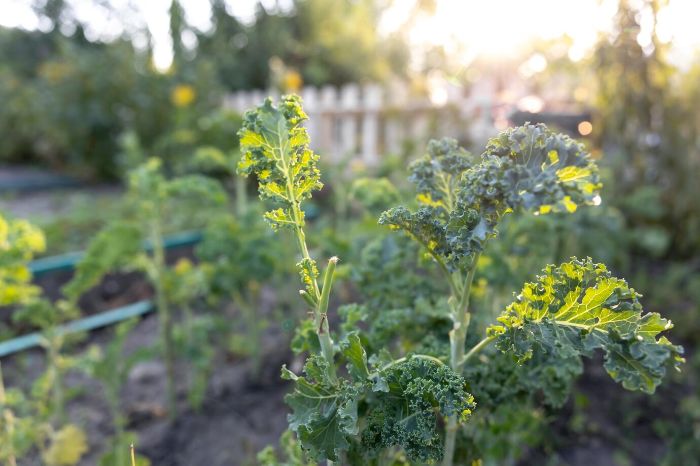
Before watering, press one finger into the soil to the second knuckle. If the top crust is dry and the lower layer still feels cool, wait. If the lower layer feels warm and loose, water until the pot drains or the bed darkens evenly around the root zone. Surface color lies after wind and sun; finger depth gives the better reading.
Water moves through potting mix in channels when the mix dries hard. A fast pour runs down the side, leaves the center dry, and gives a false sense of care. Add water in two passes with a short pause between them. The first pass opens the surface. The second pass reaches roots more evenly.
Weeding Without Rushing
Grip a weed low, near the soil line, then pull after rain or watering. A clean removal gives a slight cork-pop resistance as the root releases. A ripped top leaves a pale stub and a root able to regrow. That small tactile difference trains patience better than any instruction to slow down.
Harvesting works the same way. Lettuce leaves should break with a damp crisp sound. Basil tips should bend, then snap cleanly above a leaf pair. Tomatoes should release with a gentle twist when the fruit shoulder has colored fully. What part of the task gives your attention something clear to hold: weight, scent, sound, temperature, or resistance?
For deeper visual practice, mindful observation in gardening pairs well with these tasks because plant changes become easier to spot before they become urgent. Daily looking works as early diagnosis with less panic.
Choose The Right Mindful Gardening Practice – Match The Habit To Your Day
If mornings start rushed and noisy, use a 5-minute check with no tool except your hand: touch soil, look at one new leaf, remove one yellow leaf, and leave. Cool morning leaves give a truer water reading because transpiration has not pulled moisture hard through the plant yet.
After work, choose a task with an obvious finish, such as watering three pots, deadheading one marigold, or harvesting five lettuce leaves. Ending on a visible boundary lowers decision load because the session closes before the whole garden asks for attention.

A balcony or windowsill works better with one scented herb and one quick seed crop in separate containers. Put the herb where your hand brushes it, and sow radish or lettuce where germination is easy to see. Phototropism will turn the seedlings toward the brightest window, so rotate the tray a quarter turn every few days.
Movement can come before stillness when the mind will not settle immediately. Begin with a walking scan through the same short route, then kneel for one hand task. The route trains spatial memory, and the hand task gives proprioception a job: wrist angle, knee pressure, tool grip, and soil resistance all become anchors.
A stressed first plant should not turn the practice into rescue work. Take one note on light, one note on soil moisture, and one note on leaf position, then correct the most obvious mismatch. A simple daily gardening routine can wait until the first small habit feels natural.
Mindful Gardening Problems – Let Setbacks Teach The Next Move
A beginner plant will die at some point. Treat that loss as evidence, because plant death leaves a readable trail. Brown, crisp leaf edges point toward dry roots or heat. Soft black stems at the soil line point toward excess moisture, poor airflow, or a seedling disease that enters through tender tissue near the crown.
Pests also give useful timing lessons. Aphids build colonies fast in spring because many are born live and begin feeding almost at once. Fungal spores germinate on wet leaves when humidity stays high and air barely moves. Those mechanisms shift the response from blame to diagnosis: inspect the undersides of new leaves, water the soil surface without wetting foliage, and open crowded pots to air.
Observation: Beginners who want calm from gardening tend to overexpand after the first good week. Three new pots become eight, the hose gets dragged farther, and the quiet practice turns into plant triage. A smaller garden touched regularly usually teaches more.
Missed days are not a broken routine. Return with a 3-point reset: soil depth, leaf posture, and one finished task. If a container feels feather-light and leaves hang limp in morning shade, soak it once, let it drain, and recheck after an hour. If leaves stay limp by the next morning, prune only dead tissue and reduce sun exposure for a day.
Emotional pressure shows up in the hands. Fast watering splashes soil, hurried weeding snaps roots, and tense pruning leaves ragged cuts. Slow the job by choosing one physical constraint: keep the watering stream quiet, pull weeds without breaking the root, or make each cut just above a leaf node. The plant gets cleaner care, and the mind gets a smaller target.
Conclusion
Mindful gardening begins with a small repeatable contact point: 5 to 15 minutes, one plant group, one sensory anchor, and one finished task. If the garden starts creating pressure, shrink the practice before adding plants, tools, or new beds.
Success feels ordinary at first. The pot has a familiar weight after watering, the soil gives a cool damp press at finger depth, and a rubbed basil leaf leaves scent on your hand long after the session ends.
FAQ
How Long Should A Beginner Practice Mindful Gardening?
Start with 5 to 15 minutes. That range is long enough to complete watering, deadheading, or one small harvest without turning the session into a yard project. Stop at the planned endpoint, even if another task is visible.
Can Mindful Gardening Help With Stress?
Yes. A short garden task combines light movement, sensory attention, and contact with living plants. Treat it as a calming practice, not medical treatment, and use professional support for persistent anxiety, depression, or trauma symptoms.
What If I Only Have A Balcony?
A balcony is enough for the first practice. Use one 10- to 14-inch container, one herb with scent, and one quick crop such as lettuce or radish. Keep water nearby so the habit does not depend on a long setup.
Which Plants Are Best For Mindful Gardening?
Scented herbs, quick greens, and simple annual flowers suit beginners. Basil, mint in a pot, chives, lettuce, radish, marigold, and pansy give clear feedback through scent, leaf posture, bloom changes, or harvest texture.
What Should I Do When Gardening Starts To Feel Like Work?
Cut the session back to one task and one plant for a week. Remove extra pots from the practice area, leave big cleanup jobs for another time, and return to touch, water, scent, or harvest as the single anchor.