Updated April 17, 2026
Summer planting succeeds or fails on soil moisture, not willpower. Most gardeners who lose transplants in July aren’t choosing the wrong plants – they’re planting at the wrong hour, into soil that can’t hold water long enough for roots to catch. Get those two variables right before anything goes in the ground, and a summer garden can be as productive as any other season.
The difference between a garden that limps through August and one that keeps producing isn’t the variety list. It’s whether moisture was built into the planting day from the start, not chased after every heat emergency. That’s the shift this article is about.
Key Takeaways:
- Plant before 9 a.m. or after 6 p.m. – bare soil surfaces reach 130°F on a 90°F afternoon
- Avoid planting zucchini, peas, and spinach once daytime temperatures consistently hit 85°F
- Water deeply every 2 to 3 days rather than lightly every day – roots follow moisture downward
- Apply 3 to 4 inches of organic mulch immediately after transplanting, not a week later
- Watch for blossom drop on tomatoes as the first heat-stress signal – it appears before wilting does
Table of Contents
Summer Planting Timing – The Hour of Day Shapes Survival More Than the Date
Soil surface temperature on a hot summer afternoon can reach 130°F to 140°F even when the air temperature reads 90°F. Roots in the top two inches of bare, unshaded soil can be damaged before a transplant shows any visible distress above ground. This is why timing the planting hour matters more than most gardeners expect.
University of Minnesota Extension research recommends planting “as early in the morning as possible” – not just to avoid the midday heat, but because early morning soil temperatures run 15 to 20°F lower than afternoon peaks. That gap is enough to determine whether a transplant’s roots survive their first 48 hours. Before 9 a.m. is the reliable window. After 6 p.m. works nearly as well. On cloudy days, midday planting is acceptable. If neither window fits, lay cardboard or row cover flat on the planting area for two hours before digging – shaded soil stays measurably cooler.
One preparation step most people skip: water the soil deeply the evening before you plant, not immediately before. Water applied the night before has time to move 6 to 8 inches down into the profile. Water applied right before planting sits at the surface and evaporates with the first afternoon sun.
Late summer has a different timing problem
August planting requires a separate calculation. The heat is still present, but the frost-free window is closing in most US climates. A tomato seedling planted in early August in USDA zones 5-6 will root, grow, and likely produce little before the first killing frost. The same seedling in zone 9 has a productive runway through November. Before committing to a late-summer transplant, count the days from planting to first expected frost and compare that to the variety’s days-to-maturity. If the numbers don’t work, the planting won’t either.
Heat-Tolerant Plants That Perform Above 85°F – Not Just Survive It
The practical threshold is 85°F daytime and 70°F nighttime. Below those numbers, most common vegetables and annual flowers manage well with normal care. Above them, the plant list needs to change – because heat tolerance and drought tolerance are not the same thing, and conflating them leads to predictable failures.
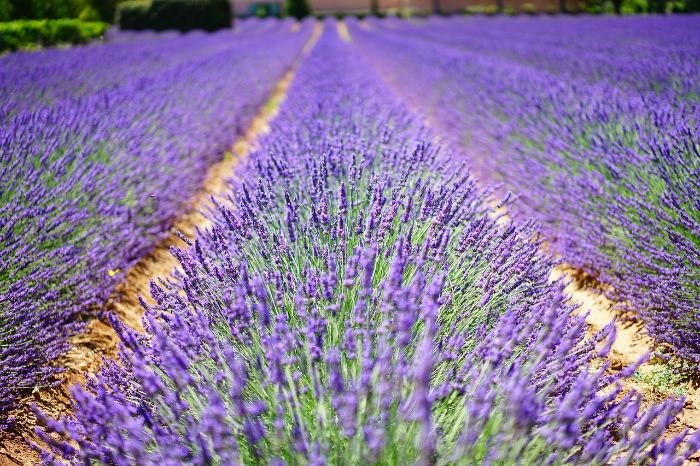
Lavender is drought-tolerant but doesn’t thrive in high humidity at the same time heat peaks. Okra is heat-tolerant and handles drought well. Sweet potato handles both. Basil is heat-tolerant but needs consistent moisture. Knowing which trait matters most for your specific conditions is what separates a plant selection that holds up from one that collapses by mid-July.
Vegetables and herbs worth planting in summer heat
Okra is the most dependable summer vegetable across most of the US – it tolerates air temperatures above 100°F without quality loss, and the pods are best harvested young, under 4 inches, before fiber toughens. Southern peas (black-eyed peas, crowder peas) produce reliably from June through September in zones 6-10 and have the added benefit of fixing nitrogen in the soil as they grow. Plant them in the bed where you plan to put fall brassicas and you’re building fertility while harvesting.
For tomatoes, standard varieties stop setting fruit when nighttime temperatures stay consistently above 72°F. ‘Heat Wave II,’ developed at the University of Florida, was specifically bred to set fruit in those conditions – it’s worth seeking out if your summers run persistently hot. Cherry tomatoes like ‘Sweet 100’ also hold up better than large-fruited varieties under heat pressure. Sweet potato is another reliable option: it roots fastest in soil temperatures between 75°F and 85°F, making summer the ideal window to start it.
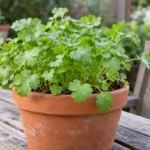
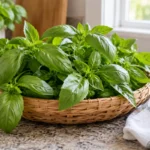
Among herbs, basil is well suited to summer – it’s a tropical plant and prefers temperatures between 70°F and 90°F. Rosemary, once established, handles heat with minimal intervention. Cilantro is a summer failure in most US climates; it bolts above 75°F and belongs in a fall or early spring rotation, not a July bed.
For gardeners in the Deep South or similar climates, UF IFAS Gardening Solutions notes that Malabar spinach and longevity spinach function as the summer green alternatives when conventional leafy crops have long since bolted. They’re worth tracking down if you want leafy production through August.
Pro Tip: Southern peas fix nitrogen as they grow – plant them in the bed where fall brassicas like broccoli or cabbage will go in September. You’ll harvest through summer and hand the next crop a more fertile soil with no extra work.
Flowers that hold color in full summer sun
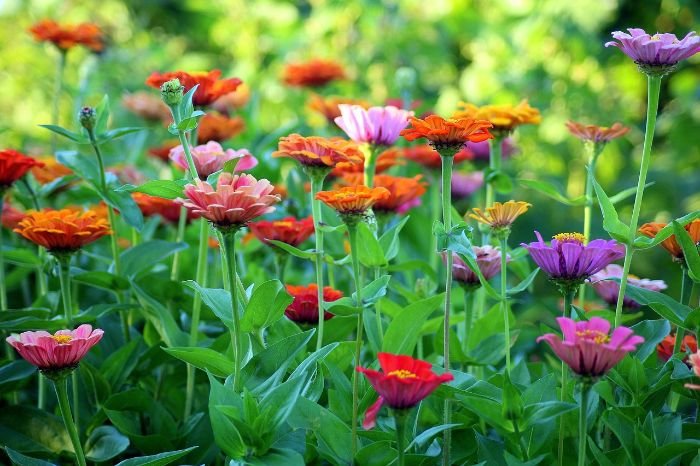
Zinnias are native to Mexico and produce more blooms in hot, dry conditions than in cool, wet ones. Deadheading every few days extends the flush through August without additional fertilizer. Lantana performs at a similar level and attracts pollinators during the period when most other flowers close down. Portulaca – moss rose – is consistently overlooked but handles reflected heat from concrete, pavers, and south-facing walls better than almost any other annual.
For perennials in full sun positions, black-eyed Susan (Rudbeckia) is heat and drought tolerant once established. Proven Winners places it among the most consistent performers above 90°F. Coneflower (Echinacea) manages well too, but benefits from afternoon shade in the hottest climates – without it, the flowers bleach and the plant stresses visibly by August.
Soil Moisture Before and After Planting – The Variable That Decides Everything
A 4×8-foot raised bed needs approximately 20 gallons of water per week during peak summer heat. A 10×10-foot in-ground garden bed requires around 62 gallons weekly when daily highs exceed 90°F, according to University of Minnesota Extension – that’s close to 9 gallons per day during a sustained heat stretch. Most gardeners applying water by hand underestimate this number by half.
Before planting, the soil needs to be moist 6 to 8 inches down, not just at the surface. Push a finger or trowel into unprepared summer soil and you’ll often find the top inch damp and everything below bone dry – warm and pale, the color of dust. Watering the evening before planting gives moisture time to move downward without evaporating the next morning. Planting into dry soil, then watering, leaves the transplant fighting for moisture in the exact zone where heat damage is most likely.
Organic mulch applied to protect soil from heat – 3 to 4 inches of straw, shredded bark, or wood chips – is the most effective single intervention available at planting time. It slows surface evaporation, buffers soil temperature swings, and keeps the root zone cooler than bare soil through the hottest part of the day. Apply it immediately after planting, not a week later. The gap before mulch goes on is when the most moisture is lost.
One honest tradeoff: in warm, humid climates like the Southeast and Pacific Northwest, mulch can harbor slugs and fungal issues at ground level. If you’re in a high-humidity region, leave a 2-inch gap between the mulch and plant stems and check the soil line weekly for white mold or crown rot signs.
| Soil condition before planting | What it signals | Action needed |
|---|---|---|
| Damp at surface, dry at 3 inches | Only surface watering reaching this spot | Deep soak the evening before planting |
| Cracked surface, pale or light color | Moisture deficit through the root zone | Water slowly over 30 minutes, check depth afterward |
| Moist and dark 6 inches down, cool to touch | Good planting condition | Transplant and apply mulch immediately |
| Wet and compacted, no drainage visible | Anaerobic stress risk in summer heat | Improve drainage before committing to summer planting here |
Watering a Summer Garden – Frequency, Depth, and the Numbers Worth Tracking
The most common watering mistake in summer is frequency without depth. Watering lightly every day trains roots into the top 2 inches of soil – the zone where temperatures are most extreme and moisture evaporates fastest. A plant with shallow roots is a plant at highest risk every time the thermometer climbs.
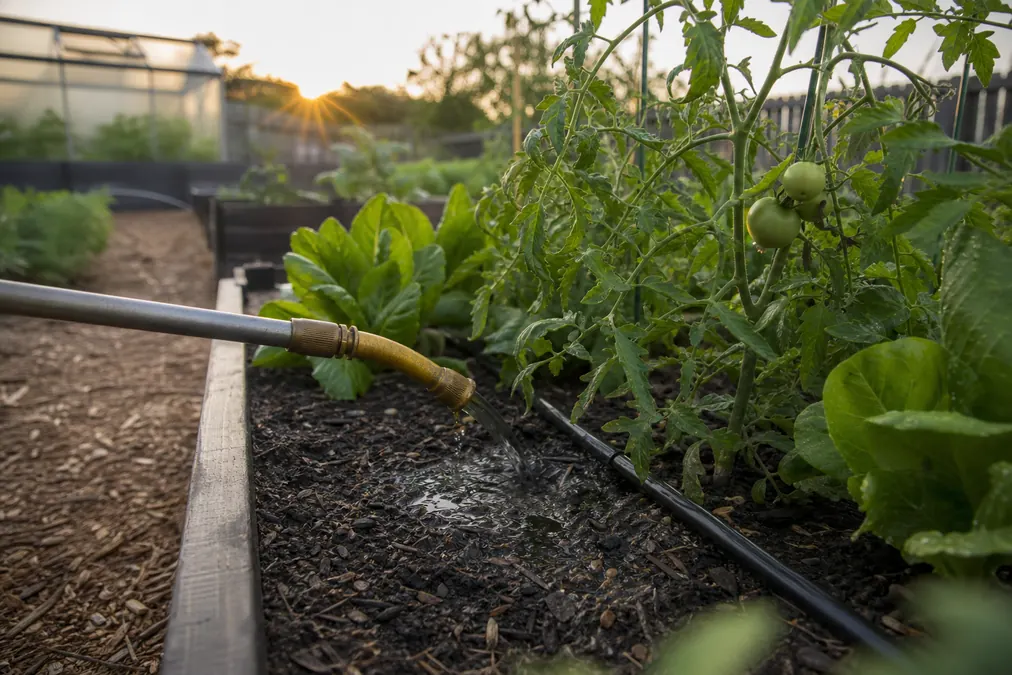
Deep watering every 2 to 3 days – letting water penetrate 6 to 8 inches – pulls roots downward into cooler, more stable soil. The method matters: drip irrigation or soaker hoses deliver water at root level without wetting foliage, which keeps fungal pressure lower. Establishing deep root watering habits from the first planting day is what separates gardens that hold up through August from those that begin declining by mid-July.
Timing has a real tradeoff worth understanding. Morning watering – before 9 a.m. – allows foliage to dry before peak heat, reducing fungal disease risk. Evening watering after 6 p.m. means less evaporation and deeper penetration, but leaves foliage wet overnight. In low-humidity climates like the Southwest, evening watering is generally fine. In the Southeast, Midwest, and Mid-Atlantic, where humidity stays high overnight, morning is the better default. The full logic behind these decisions is covered in our efficient watering strategies overview.
When daily highs exceed 90°F and nighttime temperatures hold above 70°F, water every other day at minimum. The check is simple: press a finger 2 inches into the soil. If it’s dry at that depth, water now, not tomorrow.
I often notice that gardens with established perennials handle mid-summer drought far better than annual-heavy beds. Perennial root systems reach 12 to 18 inches down by their second season – a depth where soil moisture is dramatically more stable than at the surface, even through weeks without rain.
Do you manage for heat or for drought? The two overlap, but recognizing which pressure is actually driving your plants’ decline changes what you do about it.
When A Heat Wave Hits Mid-Season
A heat wave – three or more consecutive days above 90°F – creates different conditions than sustained summer warmth. New transplants in the ground less than two weeks before a heat wave are at the highest risk because their root systems haven’t reached the depth needed to draw water fast enough to keep up with transpiration demands.
The first response is temporary shade protection – cloth rated at 30% to 40% light transmission cuts leaf temperature by 5 to 10°F during the hottest afternoon hours. Row cover material laid loosely over transplants also works if shade cloth isn’t available. Remove it by evening to prevent heat from building underneath overnight.
Hold off on fertilizing during a heat wave. Nitrogen pushes new growth, and new growth wilts fastest under heat stress. Pruning is also an additional stressor at this time – University of Minnesota Extension specifically notes to delay non-essential pruning until heat moderates, and only prune when humidity is low and no rain is forecast.
One thing that catches gardeners by surprise: plants show stress through flower behavior before they show it through leaves. Tomatoes drop blossoms. Peppers fail to set. Zucchini produces only male flowers. Leaves that looked fine at 10 a.m. may be wilted by 3 p.m. and, if roots are deep and soil moisture is adequate, fully recovered by the next morning. That overnight recovery – leaves pulling firm again as roots rehydrate them from below – is a reliable sign the plant is managing the heat, not being damaged by it.
After the heat wave breaks, give the garden 48 to 72 hours before any significant intervention: no fertilizer, no pruning, no transplanting. Roots that contracted under heat stress need stable conditions to expand and resume normal uptake. Rushing back to normal management before that recovery window closes sets up the next failure.
Conclusion
Summer planting is less about the right variety list and more about the conditions you set up before the transplant goes in. Timing the planting hour, pre-moistening the soil the night before, and mulching immediately after – those three decisions carry more weight than any specific plant choice. Get them right, and heat becomes a manageable variable.
The garden that holds up through August is usually the one where the roots went deep in week one, the mulch went on before the first hot afternoon, and the watering stayed deep rather than daily. By late July that garden shows it differently than a stressed one: the leaves stay dark and flat through midday, flowers keep opening, and the soil 3 inches down is still cool and dark to the touch even when the air above it is punishing.
FAQ
When is it too hot to plant in a summer garden?
Most transplants tolerate air temperatures up to 90°F well if they go in during early morning with adequate soil moisture below them. The real threshold isn’t air temperature – it’s soil surface temperature, which can reach 130°F to 140°F on a 90°F afternoon with bare, unshaded soil. Planting before 9 a.m. or after 6 p.m. keeps transplant stress low regardless of the daily high. On cloudy days, the timing window opens wider.
What vegetables can I realistically grow through July and August?
Okra, southern peas, sweet potato, and heat-adapted tomato varieties like ‘Heat Wave II’ or cherry types perform reliably through July and August across most of the US. In zones 8 and warmer, Malabar spinach also functions as a summer green alternative when conventional lettuce and spinach have long since bolted. Standard broccoli, peas, carrots, and leafy greens are summer failures in most US climates above zone 6 – they belong in fall or early spring rotations.
Can you plant perennials in summer, or is the risk too high?
Container-grown perennials can go in the ground through summer, with one important condition: they need significantly more consistent moisture in the first four to six weeks than spring-planted perennials require. A perennial planted in June in zone 7 needs deep watering every other day for at least two weeks. The failure pattern is predictable – one good watering at planting, an assumption the plant is established, and then root failure in the first heat wave. With daily moisture checks and consistent follow-through, summer-planted perennials can root well before fall sets in.
What happens if I water plants in the evening during hot weather?
Evening watering reduces evaporation loss and allows water to penetrate more deeply before the next day’s heat – a real advantage in dry climates. The tradeoff is wet foliage overnight, which raises fungal disease risk on tomatoes, squash, roses, and most leafy plants. In low-humidity climates like the Southwest and Mountain West, evening watering is generally fine and often the better choice. In humid climates – the Southeast, Midwest, Mid-Atlantic – morning watering is the better habit because foliage dries quickly and the baseline fungal pressure is already high.
Why are my tomato plants dropping flowers in summer heat?
Blossom drop is a heat response that appears before any visible wilting. Standard tomato varieties stop setting fruit when nighttime temperatures stay consistently above 70°F to 72°F – the plant redirects energy away from fruit development as a thermal stress response. The flowers look healthy right up until they fall. The solution is either timing – choosing varieties that finish before peak heat arrives – or selecting heat-tolerant varieties bred for high-temperature fruit set. Flowers return when temperatures moderate below that nighttime threshold.
How much mulch is actually enough for a summer garden bed?
Three to four inches of organic mulch is the functional minimum for summer heat management. Thinner layers dry out and decompose quickly under strong sun and lose their moisture-retention benefit within days. At 4 inches, the benefit holds for three to four weeks before needing a top-up. One consistent mistake: piling mulch directly against plant stems. Leave a 2-inch clear gap around each stem to prevent crown rot and fungal buildup at the soil line, which becomes a real issue in warm, humid conditions.
Is it worth planting anything new in August?
In zones 7 and warmer, August is a productive planting window for crops that finish in fall – kale, chard, broccoli transplants, and bush beans all work with late-summer starts as temperatures begin to moderate. In zones 5 and 6, August is primarily a fall garden prep period, not a summer crop window. The calculation that matters: count the frost-free weeks remaining after germination and compare to the variety’s days-to-maturity. A plant needs at least 8 to 10 productive weeks to justify the transplant investment.
What is the difference between heat tolerance and drought tolerance?
Heat tolerance is a plant’s ability to maintain normal cell function at high temperatures – typically above 85°F to 90°F. Drought tolerance is the ability to survive extended periods with low soil moisture. Some plants carry both traits: okra and portulaca handle heat and dry soil well. Others have only one: basil tolerates heat but needs consistent moisture to perform. Lavender handles drought but struggles when heat and high humidity arrive together. Selecting for only one trait when your conditions demand both is one of the more common summer planting mistakes.