

Last Updated June 07, 2026
A basil border cannot rescue tomatoes that are already covered in aphids. A few marigolds cannot protect a crowded bed where leaves stay wet, weeds hide pests, and no one checks the undersides of brassica leaves. Companion planting for pest control works when plants are used as part of the pest system, with less value as garden decorations carrying wishful labels.
Pest-first companion planting starts with the insect, the crop stage, and the plant role. Scent, color, texture, and mixed planting patterns can confuse host finding for some pests. Flowering companions feed predators and parasitoids that need pollen, nectar, and shelter before they can reduce aphids, caterpillars, whiteflies, or thrips. Trap crops concentrate pests in one visible place. The plant matters, and so do timing, spacing, removal, and monitoring.
In an organic vegetable garden, companion planting should lower pest pressure, buy time for beneficial insects, and make scouting easier. It should also stay honest about limits. Severe infestations still need hand removal, netting, pruning, sanitation, water correction, or a targeted organic treatment chosen for the pest and crop stage.
Key Takeaways
- Companion planting controls pests best when the plan starts with the target pest before herb or flower choice.
- Aromatic herbs can help disrupt pest movement when they are placed near the crop canopy and kept healthy.
- Flowering companions support predators and parasitoids by supplying pollen, nectar, shelter, and staggered bloom.
- Trap crops need scouting and removal, or they can turn into pest nurseries beside the main crop.
- Organic pest control still needs spacing, sanitation, row covers, hand removal, water control, and pest-specific action.
Table of Contents
Choose The Right Pest-Control Companion Strategy
Companion planting gets weaker when every plant is described as a repellent. A better layout gives each companion a job. In a small bed, one plant may feed beneficial insects. Another may distract a pest. A third may sit in a pot because it spreads too aggressively in open soil.
General companion planting for vegetables helps with crop pairing. Pest-control planting needs a narrower role before seeds or transplants go into the bed. A pest-control companion should answer one question: what pest behavior is this plant meant to change?
| Strategy | How It Helps | Useful Companions | What To Check |
|---|---|---|---|
| Aromatic masking | Adds scent signals around a crop canopy | Basil, thyme, sage, rosemary, chives, mint in pots | Herbs must be close enough to the crop and healthy enough to keep producing foliage |
| Beneficial insect support | Feeds predators and parasitoids that attack soft-bodied pests and caterpillars | Sweet alyssum, dill, cilantro, fennel away from vegetables, calendula, buckwheat | Flowers need staggered bloom across several pest windows |
| Trap cropping | Draws pests onto a preferred plant that can be checked or removed | Nasturtium, mustard greens, arugula, radish, blue hubbard squash | Trap plants need weekly inspection before pests reproduce heavily |
| Visual disruption | Breaks up large blocks of one crop, making host plants harder to locate | Mixed herbs, low flowers, alternating crop families, varied leaf shapes | Spacing must still leave airflow and harvest access |
| Physical support for IPM | Makes pest monitoring easier and reduces plant stress | Open rows, mulch, trellises, clean bed edges, insect netting at planting | Companion plants should leave early damage visible |
Choose Companion Plants By Pest Behavior
A long companion planting chart can look useful and still leave the gardener without a decision. Aphids, flea beetles, cabbage worms, squash bugs, thrips, and whiteflies move differently. They feed on different plant parts and respond to different plant cues. The same marigold border that looks tidy around tomatoes may do little for flea beetles on young arugula.
The stronger plan starts with the pest that has already damaged the crop in your garden. That focus also keeps companion planting science grounded in pest behavior, crop timing, and observation.
| Pest Pressure | Crops Often Hit | Companion Plant Role | Better Organic Backup |
|---|---|---|---|
| Aphids | Peppers, kale, lettuce, beans, brassicas, young tomatoes | Sweet alyssum, dill, cilantro flowers, calendula, and nasturtium as a visible trap plant | Spray colonies with water, prune worst tips, protect lady beetle and syrphid fly larvae |
| Flea beetles | Radish, arugula, mustard, eggplant, young brassicas | Mustard, arugula, radish, or other preferred brassicas as trap crops near protected brassicas | Use insect netting at planting, keep seedlings growing fast, remove overloaded trap leaves |
| Cabbage worms and loopers | Cabbage, broccoli, kale, collards, Brussels sprouts | Thyme, sage, onion family plants, dill flowers, sweet alyssum, and mixed brassica spacing | Scout leaf undersides, hand-pick eggs and caterpillars, use Bt only when larvae are active |
| Squash bugs and cucumber beetles | Squash, pumpkin, cucumber, melon | Blue hubbard squash as a border trap crop; nasturtium and flowering strips near cucurbits | Cover young plants, remove egg clusters, keep vines open enough for scouting |
| Thrips and whiteflies | Tomatoes, peppers, eggplant, greenhouse vegetables | Basil, marigolds, alyssum, and diverse flowering strips that support predators | Remove heavily infested leaves, use reflective mulch or sticky cards where appropriate |
| Tomato hornworms | Tomatoes, peppers, eggplant | Dill, cilantro, fennel kept separate, and small-flowered herbs that support parasitoid wasps | Hand-pick caterpillars; leave parasitized hornworms carrying white cocoons in place |

Plant Aromatic Herbs Where They Affect Pest Movement
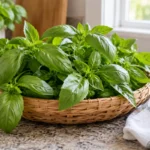
Aromatic companion plants work through proximity, plant health, and pest timing. A rosemary shrub across the path will not change much for cabbage moths in a dense brassica bed. Thyme or sage placed at the brassica edge has a better chance of altering the local scent pattern. Basil growing between tomatoes and peppers may help more than basil sitting in a separate herb patch.
The main aromatic plants for vegetable beds are basil, thyme, sage, rosemary, oregano, chives, garlic chives, and mint grown in containers. Mint deserves restraint because its roots can take over a bed. Fennel deserves even more separation. It attracts small beneficial insects when flowering; crowded fennel can interfere with many vegetables in production beds.
Aromatic companion planting works better when crop height, pest route, bloom timing, and harvesting access all fit the bed layout. Herbs that are constantly clipped to the ground lose much of their insect value. Herbs that flower too late may miss the first pest wave.
| Aromatic Plant | Useful Placement | Pest-Control Role | Layout Warning |
|---|---|---|---|
| Basil | Between tomato or pepper plants where light remains strong | Can disrupt some small pest movement and add mixed canopy scent | Needs airflow; crowded basil can hold humidity around tomatoes |
| Thyme | Edges of brassica beds, sunny path sides, raised bed corners | Low aromatic mat near cabbage family crops | Fails in wet shade or overrich soil |
| Sage | Near cabbage, broccoli, kale, and carrots in sunny soil | Strong scent and woody structure in mixed beds | Needs space; mature sage can shade small seedlings |
| Chives and garlic chives | Border clumps near carrots, tomatoes, peppers, and brassicas | Allium scent plus flowers for pollinators and small beneficial insects | Remove seedheads if self-sowing becomes a problem |
| Mint | Containers near paths, bed corners, or problem zones | Strong scent and flowers for insects when allowed to bloom | Keep roots contained; open-ground mint can dominate the bed |
Add Flowers That Feed Predators And Parasitoids
Many useful garden insects need two food sources during their lives. Syrphid fly larvae eat aphids, and the adults feed on nectar and pollen. Tiny parasitoid wasps attack caterpillars or aphids, and the adults need accessible flowers. Small, accessible flowers support predators and parasitoids when bloom is staggered through the pest season.

For pest control, small open flowers often matter more than large showy blooms. Sweet alyssum, cilantro, dill, calendula, buckwheat, yarrow, cosmos, and single-flowered marigolds are easier for small insects to use than dense double flowers. A vegetable bed with flowers at the edge, in open pockets, and near paths can support beneficial insects without turning harvest rows into a tangle.
Companion planting flowers should bloom before pest pressure peaks. Sow quick flowers in rounds, let a few herbs bolt, and leave some clean stems through the season where they do not block airflow. One flush of flowers in early summer will not support predators during late aphid or whitefly pressure.
| Flowering Companion | Best Use | Insect Value | Bed Fit |
|---|---|---|---|
| Sweet alyssum | Edges of lettuce, brassicas, peppers, and tomatoes | Supports syrphid flies and other small beneficial insects | Low and easy to tuck into open spaces |
| Dill and cilantro flowers | Allow a few plants to flower near brassicas and tomatoes | Accessible nectar for parasitoid wasps and syrphid flies | Pull extra seedlings before they crowd crops |
| Calendula | Cool-season bed edges and pollinator pockets | Feeds beneficial insects and keeps bloom color in cooler periods | Deadhead or remove plants that sprawl into rows |
| Marigold | Tomato, pepper, and mixed vegetable edges | Can support beneficial insects and adds aromatic diversity | Use single or open blooms; avoid overplanting as a universal cure |
| Buckwheat | Short insectary strips, quick cover between plantings | Fast nectar for many small beneficial insects | Cut before seed drop if self-sowing is unwanted |
Use Trap Crops With A Removal Plan
A trap crop is a sacrifice plant only when the gardener follows through. Nasturtiums covered in aphids beside peppers are useful if they help you find and remove aphids early. The same nasturtiums become a problem when colonies mature, winged aphids spread, and sticky residue coats nearby leaves.
Research-backed companion planting is often strongest where trap crops, crop diversity, scent signals, predator support, visual disruption, and insect behavior meet.
| Trap Crop | Pest Target | Main Crop Protected | Removal Or Action Rule |
|---|---|---|---|
| Nasturtium | Aphids, some squash bugs | Beans, cucumbers, squash, peppers, brassicas | Pinch off infested tips or remove the whole plant before colonies spread |
| Mustard greens | Flea beetles and some brassica pests | Cabbage, broccoli, kale, collards | Inspect several times per week in early season; remove badly damaged leaves |
| Radish or arugula | Flea beetles | Young brassicas and eggplant in nearby beds | Sow early and discard plants that become pest reservoirs |
| Blue hubbard squash | Squash bugs, cucumber beetles, squash vine borer pressure | Zucchini, cucumber, melon, pumpkin | Plant as an early edge trap and check stems, leaf undersides, and crowns |
Fit Companion Planting Into Organic Pest Control
Companion planting is one layer of organic pest control. It works better when the rest of the garden reduces stress. Even the right flower strip cannot compensate for drought-stressed peppers, nitrogen-heavy brassicas full of soft growth, or tomato foliage lying on wet soil.

Build the plan around prevention, monitoring, and pest-specific correction. Natural pest control combines habitat, hygiene, barriers, hand removal, pruning, water management, and careful product choice. Companion plants work inside that system when habitat, hygiene, barriers, hand removal, pruning, water management, and product choice are already aligned.
Beneficial insects need patience and protection. Broad spraying, even with some organic products, can reduce predators along with pests. If aphid colonies are already drawing syrphid larvae or lady beetle larvae, a hard spray may reset the balance. Beneficial insects for biological pest control work best when the garden supplies food, shelter, and a limited pest population they can actually find.
| Organic Control Layer | Companion Plant Role | When To Add Another Action |
|---|---|---|
| Scouting | Trap crops make early pest pressure easier to see | Damage appears on new growth or pest numbers rise each inspection |
| Barriers | Flowers and herbs stay outside row covers until covers are removed for bloom | Seedlings face flea beetles, cabbage worms, or cucumber beetles at planting |
| Hand removal | Open companion layouts make eggs, caterpillars, and colonies visible | Egg clusters, hornworms, squash bug nymphs, or cabbage worms are easy to reach |
| Habitat | Flowering strips feed predators and parasitoids through the season | Predators are absent even after flowers have been open for several weeks |
| Targeted organic products | Companions reduce pressure before a product is needed | Crop damage is accelerating and the pest is identified clearly |
Set Spacing, Timing, And Monitoring Rules
Companion planting fails quietly when the bed becomes too dense to inspect. Pest control needs visibility. You should be able to lift brassica leaves, reach tomato stems, see squash crowns, and check the backs of pepper leaves without crushing companion plants.
Plant low flowers at bed edges, aromatic herbs in sunny pockets, and taller flowering herbs where they do not shade crops. Keep mint, lemon balm, and aggressive herbs in pots. Let dill or cilantro flower in controlled clusters, then remove extra seedlings before they compete with vegetables. The planting should create insect habitat and still leave a clean path for hands, harvest baskets, and airflow.
| Rule | Why It Matters | Practical Standard |
|---|---|---|
| Scout once a week in normal weather | Trap crops and flower strips only help if pest buildup is noticed | Check new growth, leaf undersides, stems, crowns, and trap plants |
| Keep companion plants below crop airflow zones | Crowding increases humidity and disease risk | Trim or remove companions touching tomato, pepper, or squash stems |
| Stagger flowering | Beneficial insects need food beyond one bloom window | Sow alyssum, cilantro, dill, calendula, or buckwheat in rounds |
| Record pest timing | Next year’s layout improves when the first pest wave is known | Note date, crop, pest, companion plant, and action taken |
| Remove overloaded trap plants | Pests reproduce quickly on preferred hosts | Discard infested trap material away from the garden |
Common Mistakes That Turn Companions Into Pest Habitat
The most common mistake is planting a famous repellent and then stopping the pest plan. Marigolds, basil, nasturtiums, and chives can help in the right context. Pest identification still drives the decision. Cabbage worms require different action than flea beetles. Aphids require different timing than squash vine borer pressure.
Another mistake is crowding vegetables with too many good ideas. A bed can have aromatic herbs, flowers, mulch, tomatoes, peppers, and brassicas and still perform poorly if roots compete, leaves stay damp, or the gardener cannot inspect the crop. Companion plants are part of the crop environment. They can improve it or clutter it.
Trap crops create a third risk. A sacrifice plant must be sacrificed at the right time. If the trap crop keeps every pest alive until winged adults, larvae, or beetles spread, the layout has fed the problem. Many companion planting mistakes come from using a correct plant with no spacing, timing, or removal rule.
| Mistake | What Happens | Fix |
|---|---|---|
| Planting one repellent species everywhere | The layout ignores pest biology and crop differences | Choose companions by pest, crop family, and season |
| Letting trap crops stay infested | Pests breed beside the crop being protected | Remove infested tips, leaves, or whole trap plants early |
| Using dense flowers inside already crowded beds | Airflow drops and scouting becomes difficult | Move flowers to edges, pockets, and path-side strips |
| Spraying every insect found | Predators and parasitoids lose food and shelter | Identify pests and beneficial insects before treatment |
| Ignoring water and fertility stress | Soft growth and stressed plants attract more pest pressure | Correct irrigation, nutrition, and mulch before adding more companions |
Conclusion
Companion planting for pest control works best as a managed layout built from observation, plant roles, and action rules. Start with the pest, choose the plant role, keep the crop visible, and decide what will happen when pests appear. Aromatic herbs can disrupt movement. Flowers can feed predators and parasitoids. Trap crops can concentrate pests where action is easier. Those benefits hold only when spacing, timing, scouting, and removal are part of the design.
A strong organic vegetable garden uses companions as one layer of defense. The garden still needs healthy soil, even water, airflow, barriers when needed, and pest-specific decisions. When the system is working, the bed feels alive without being chaotic: flowers are feeding allies, herbs are placed with purpose, trap crops are watched closely, and the vegetables remain easy to inspect before damage takes over.
FAQ
Can companion planting replace organic sprays?
Companion planting can reduce pest pressure and support beneficial insects. Severe infestations still call for scouting, hand removal, netting, pruning, sanitation, and pest-specific organic products when damage keeps increasing.
Do marigolds repel all vegetable garden pests?
No. Marigolds can add flower resources, scent diversity, and value in some tomato and mixed-bed situations. Their usefulness depends on pest species, planting density, timing, and the rest of the garden plan.
Which companion plant is most useful for aphids?
Sweet alyssum is one of the most useful aphid-support plants because its small flowers feed syrphid flies and other beneficial insects. Nasturtium can also work as a visible aphid trap crop if infested growth is removed before colonies spread.
Should aromatic herbs be mixed into every vegetable bed?
No. Aromatic herbs need sun, airflow, and enough space to stay healthy. Use basil near tomatoes and peppers, thyme or sage near brassicas, chives near bed edges, and mint in containers. Skip herbs that would crowd seedlings or block scouting.
Are trap crops safe in small gardens?
Trap crops can work in small gardens if they are easy to inspect and remove. Plant them where you can see the first pest buildup. Avoid hiding trap crops behind dense vegetables, because unnoticed pests can move back into the main bed.
How soon should companion plants be planted for pest control?
Plant many companions before pest pressure peaks. Flowers need time to bloom, and trap crops often need to be visible before pests arrive. For spring brassicas and cucurbits, row covers or netting may still be needed as companions establish.