


Last Updated May 07, 2026
Fragrant plants work best when scent meets real movement through the garden. A thyme edge along a path, a mock orange near a patio chair, and a winter sweet box by the back door each create a different kind of aromatic experience.
A useful scented-garden plan should separate air-filling flowers, brush-by foliage, evening perfume, winter fragrance, and container scent. It should also distinguish reliable garden performers, tender patio plants, climbers, and shrubs that need more room than their nursery pots suggest.
Plant selection for fragrant gardens should account for light, drainage, mature size, shelter, and maintenance. Start with the places where people pause, brush past foliage, open a gate, or sit at the end of the day, then choose plants that release scent in those exact conditions.
Key Takeaways:
- Use both air-scenting flowers and aromatic foliage that releases scent on contact
- Place fragrance near doors, paths, seating, and sheltered corners where scent can settle and be noticed
- Layer spring, summer, evening, and winter scent if you want the garden to smell active for more than one month
- Match dry Mediterranean herbs and thirstier flowering shrubs to different soil and watering patterns
- Keep the scent palette edited so strong aromas stay compatible in tight spaces
Table of Contents
What Fragrant Plants Need To Do In A Real Garden
A fragrant planting has to do more than produce a nice flower. Some plants perfume the air from a few feet away. Others need a hand brushing the leaves or a warm afternoon for the oils to lift. A few save their strongest performance for evening, and some of the most useful fragrant shrubs flower when the rest of the garden is quiet.
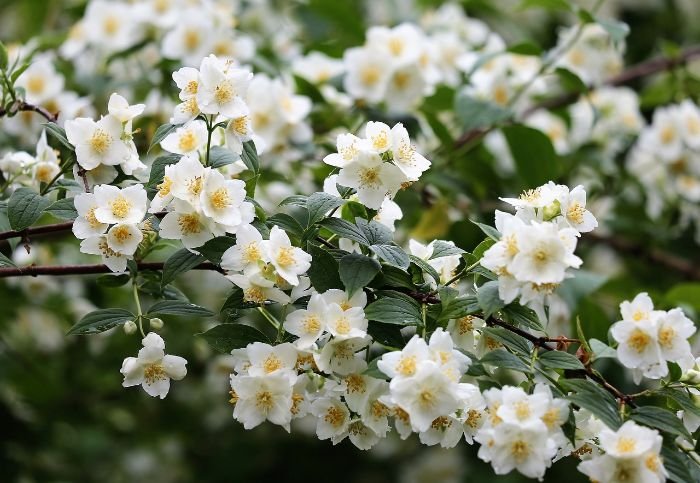
Placement decides whether that fragrance is noticed at all. In practice, scent is retained longer in sheltered courtyards, walled gardens, and enclosed entries than in exposed windy beds. A medium-scented shrub beside a gate can do more work than a stronger plant stranded far from daily use.
Fragrant gardens also need seasonal range. Spring lilac and daphne can carry one stretch of the year, summer lavender and roses can carry another, and sweet box or witch hazel can keep fragrance alive in colder months. The strongest design choice is a seasonal sequence that keeps scent moving through the places where people actually spend time.
Best Fragrant Plants By Scent Role
Fragrance behaves differently depending on the job you need the plant to do. Start with the scent role, then narrow the choice by climate and site fit.
| Scent role | Best plant direction | Strong examples | What the plants add | Main caution |
|---|---|---|---|---|
| Air-filling fragrance near seating or entry | Flowering shrubs and strong-bloom perennials | Mock orange, lilac, garden phlox, gardenia in warm climates | Perfume that carries beyond arm’s reach | Bloom windows can be short, and shrubs need room |
| Brush-by aromatic foliage | Herbs and low edging plants that release oils on contact | Lavender, rosemary, thyme, scented geranium, lemon balm | Daily scent from touching, clipping, and warm sun | Many need sharp drainage, leaner soil, or container control |
| Evening fragrance | Warm-season climbers and flowers that peak after heat builds | Star jasmine, common jasmine, nicotiana, fragrant hosta cultivars | Late-day scent near patios and windows | Tender plants, weak shelter, or cool exposure can cut performance fast |
| Winter and shoulder-season scent | Cold-season shrubs placed near doors or paths | Sweet box, daphne, witch hazel, winter honeysuckle where regionally safe | Fragrance when color and bloom are scarce | Some need patience, shelter, or careful drainage |
| Vertical fragrance on gates, trellises, and pergolas | Climbers that carry scent at head height | Star jasmine, common jasmine, clematis armandii in mild sheltered sites, sweet pea | Scent at entries, windows, and outdoor rooms | Support, pruning access, and winter hardiness still decide success |
| Small-space and container scent | Compact plants and movable patio pots | Scented geranium, thyme, alyssum, potted jasmine, dwarf gardenia | Close-range scent in tight urban spaces | Pots dry faster, roots heat up, and tender plants need winter planning |
Fragrant Plant Calendar – Build Scent Across The Year
| Scent window | Strong plant direction | Good examples | Best placement | Main caution |
|---|---|---|---|---|
| Winter | Cold-season shrubs near doors and paths | Sweet box, witch hazel, daphne | Shaded entries, sheltered walks, winter-use routes | Some need drainage, shelter, patience, or toxicity checks |
| Early spring | Shrubs and cool-season climbers | Daphne, sweet pea, early fragrant clematis where hardy | Gates, small trellises, entry beds | Sweet pea is seasonal and seeds require safety awareness |
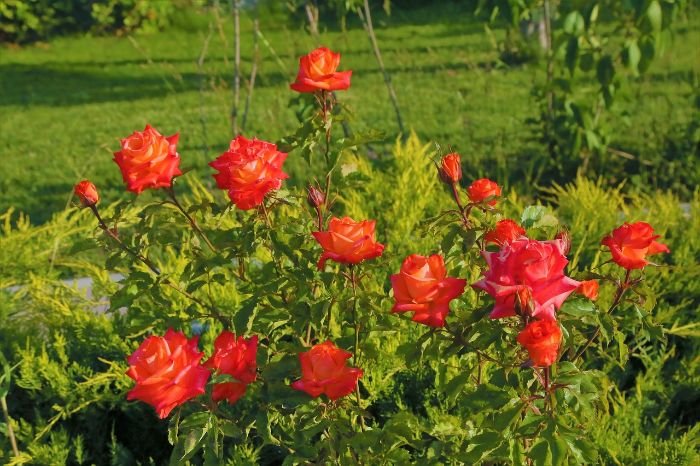
| Late spring | Air-filling shrubs | Lilac, mock orange, fragrant roses by cultivar | Patios, gates, seating edges | Bloom windows are short and pruning timing matters |
| Summer day | Herbs, perennials, warm shrubs | Lavender, thyme, rosemary, dianthus, garden phlox, gardenia in warm climates | Paths, patios, raised beds, sunny edges | Dry herbs and moisture-loving flowers need separate watering logic |
| Summer evening | Night and late-day scent plants | Star jasmine, common jasmine, nicotiana, fragrant hosta cultivars | Patios, windows, pergolas, evening seating | Tenderness, toxicity, humidity, and shelter affect performance |
| Shoulder season | Foliage scent and repeat bloom where climate allows | Rosemary, scented geranium, alyssum, repeat roses | Containers, warm walls, sheltered patios | Pots need winter plans and cultivar scent varies |
Fragrant Plants That Carry Scent Across The Year
Shrubs And Small Trees That Perfume The Air
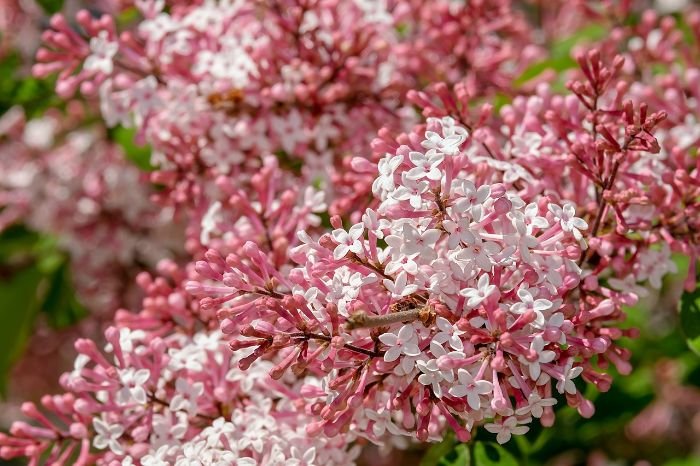
Lilac, mock orange, daphne, sweet box, witch hazel, and gardenia do the heavy lifting when you want fragrance to drift into a seating area without touching the plant first. Lilac gives strong spring perfume where winters stay cold enough for reliable flowering. Mock orange fills a late-spring to early-summer gap and can scent a whole corner, though mature size needs screening before you plant it in a tight bed. Daphne earns its place near doors and short paths in sheltered spots with good drainage, and sweet box is one of the best answers for shaded entries that still need winter scent.
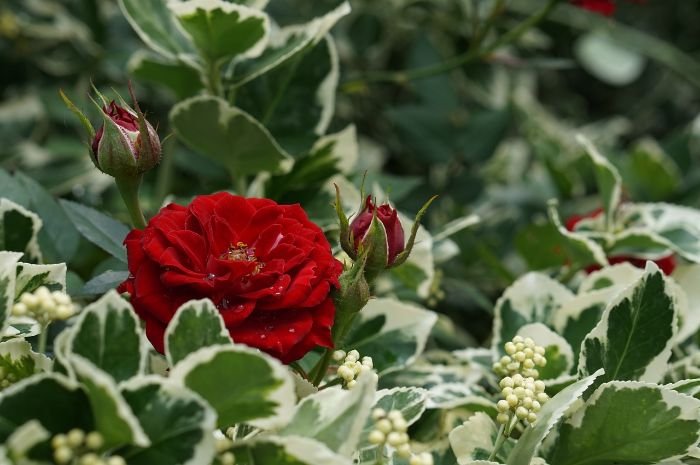
Gardenia belongs in a narrower climate window. In warm, humid regions with acidic soil it can anchor a patio or front walk beautifully. In colder climates it is more realistic as a protected container shrub than as a permanent in-ground foundation plant. Roses also belong in this air-scenting group, though scent varies sharply by cultivar, so fragrance should be checked by cultivar before the plant name or flower form drives the buying decision.
Perennials And Herbs For Daily Brush-By Scent
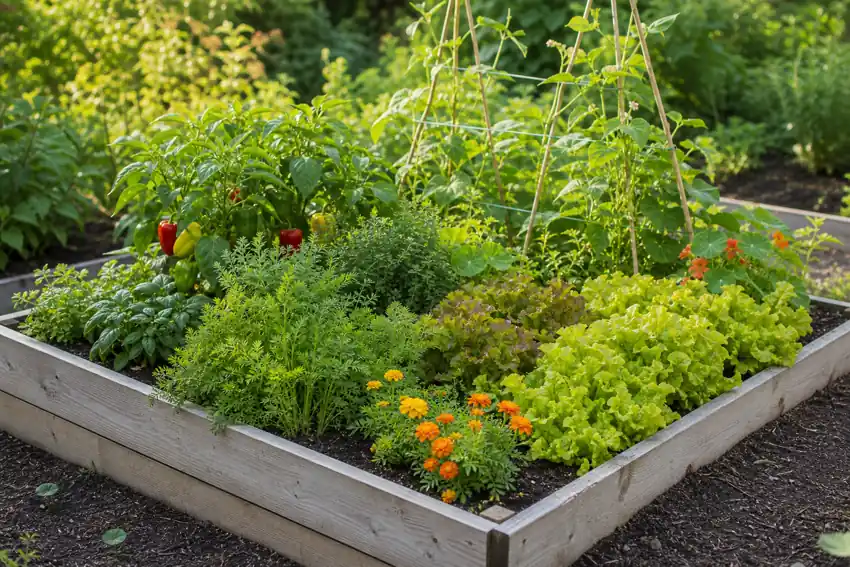
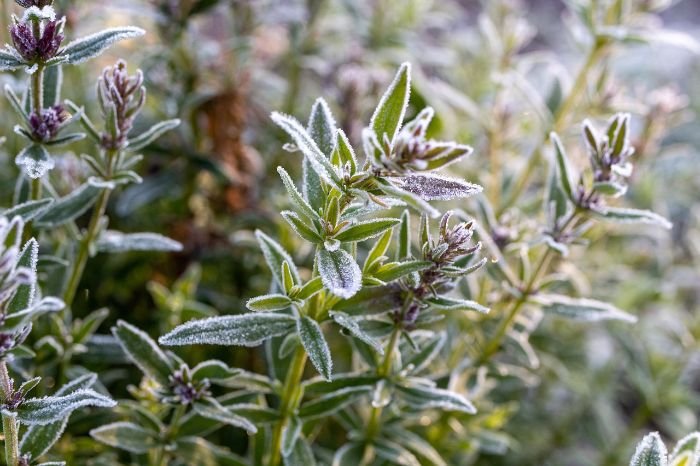
Lavender, thyme, rosemary, dianthus, lemon balm, and scented geranium create the kind of scent that feels strongest at hand level. These are the plants that work along stepping-stone runs, low retaining edges, raised beds, and narrow paths where someone will actually brush the foliage. Lavender and thyme are especially good for sunny paths and gravelly edges because heat intensifies their fragrance. Rosemary brings stronger evergreen structure in mild climates and stays useful in containers where winters are colder. Herb variety selection should separate dry-site aromatic plants from softer herbs that need more moisture.
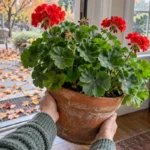
Dianthus and garden phlox broaden the scent palette beyond herbs. Dianthus works as a low edging perennial with clove-like fragrance near paths and steps. Garden phlox can perfume summer air well, though it needs steadier moisture and better air circulation than lavender or rosemary. Scented geranium is one of the most useful movable options for patios because the leaves carry much of the scent value.
Climbers And Evening Fragrance
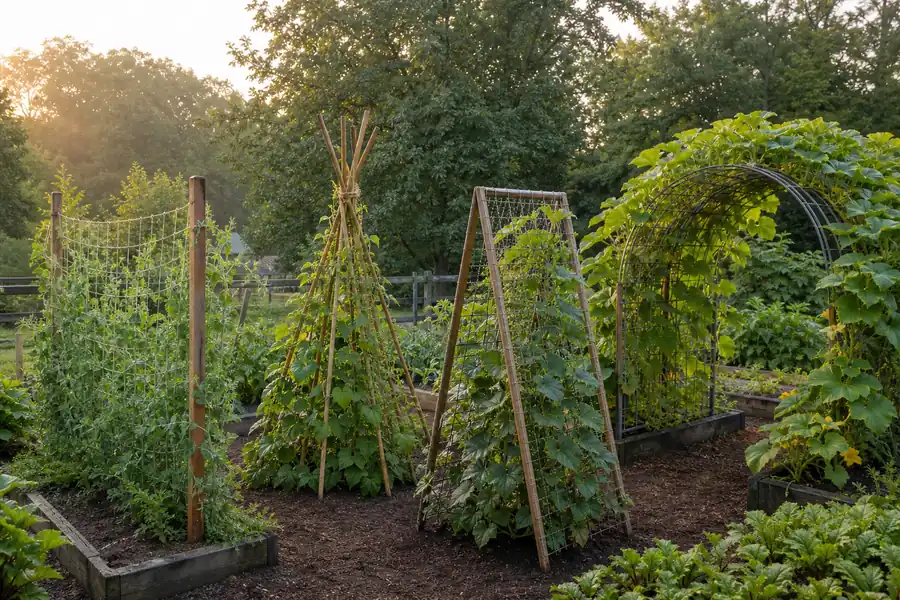
Star jasmine and common jasmine bring fragrance up to trellis, gate, pergola, and window level. That vertical placement changes the whole experience of a narrow yard or courtyard because the scent sits where people enter and linger. Nicotiana works as a seasonal evening-scent plant close to chairs, patios, and summer doors. Sweet pea belongs in the cooler end of the season and offers one of the clearest spring fragrance hits for smaller trellises and cut stems. Clematis armandii can give strong early scent in mild sheltered sites, but it needs room, support, and winter protection in colder or exposed gardens. Scented screens, arches, and warm walls need climbing plants for vertical garden design that accounts for support, pruning access, mature weight, shelter, and winter hardiness.
Containers, Shade, And Small-Space Picks
Containers let you move scent toward the life of the garden and keep it close to daily use. Potted jasmine, scented geranium, thyme, alyssum, and dwarf gardenia can all work near a chair, threshold, or balcony rail if drainage and watering stay consistent. Container plant choices still decide whether the fragrance stays enjoyable through heat and summer stress.
For lower-light parts of the yard, the palette changes. Sweet box and fragrant hosta cultivars, especially Hosta plantaginea types, are stronger scent answers than trying to force dry-sun herbs into a dim corner. If the site is mostly a shade planting problem first, and a fragrance problem second, shade-loving plants for outdoor low light usually fit better than dry-sun aromatic herbs because light level, root competition, and soil moisture shape the palette.
Choose The Right Fragrant Plant Mix For Your Space
The strongest scented garden usually starts with a few precise combinations matched to paths, seats, entries, containers, and sheltered corners. Match the plant mix to the place where scent will actually be noticed.
| Garden situation | Best fragrant plant mix | Why it works | Main watchpoint |
|---|---|---|---|
| Sunny path edge | Lavender, creeping thyme, dianthus, rosemary where hardy | Brush-by foliage scent and warm-weather bloom sit close to foot traffic | Rich wet soil weakens scent and shortens plant life |
| Patio or outdoor seat | Mock orange nearby, scented geranium in pots, nicotiana, one strongly scented rose | Air-filling perfume and close-range scent overlap in the sitting zone | Too many unrelated strong scents can muddle the space |
| Part-shade entry or north-side walk | Sweet box, daphne, fragrant hosta cultivars | These plants keep fragrance working where many sun herbs fail | Drainage, root competition, and slug pressure still matter |
| Gate, trellis, or pergola | Star jasmine, common jasmine, sweet pea | Scent sits at head height and turns a threshold into a scent pocket | Support, pruning access, and winter fit need screening first |
| Doorstep, balcony, or small patio | Thyme, alyssum, scented geranium, potted jasmine or dwarf gardenia | Containers pull fragrance into a very small footprint | Pot drying, heat buildup, and overwintering plans decide endurance |
| Four-season fragrant border | Sweet box or witch hazel, lilac or mock orange, lavender or phlox, late nicotiana | Scent moves from cold months into spring, summer, and warm evenings | Each layer needs room, pruning timing, and different soil behavior |
Fragrant Plant Safety, Toxicity, And Placement Cautions
Fragrant gardens bring more touch, clipping, and close contact than many other plantings, so plant safety matters as much as perfume. Check potentially harmful garden plants before placing daphne, sweet pea, nicotiana, or other ornamental scented plants near doors, paths, seating, pets, or children. Scented foliage can also irritate sensitive skin in some people, especially when leaves are handled repeatedly in heat.
Placement is part of the caution layer. Strong perfume beside a tiny patio, bedroom window, or narrow entry can feel heavy for scent-sensitive people, even when the plant is healthy and well grown. Pet and child access matters most where curiosity is highest. If edible herbs are part of the planting, avoid routine sprays on anything that may be clipped for kitchen use. Winter honeysuckle also deserves a regional safety check before planting because spread risk is not the same everywhere.
Keep Fragrance Stronger With Placement And Care
Fragrance fades fast when the planting ignores air movement, soil behavior, and pruning timing. Put the strongest air-scenting shrubs where wind slows down and people pause. Put foliage-scented plants where sleeves, knees, and hands will actually touch them. Keep the most fragrant containers near doors or seats, not at the far edge of the patio.
Soil and water need to split the planting into honest groups. Lavender, rosemary, thyme, and many other aromatic herbs want drainage, warmth, and leaner conditions. Garden phlox, gardenia, fragrant hosta cultivars, and sweet box ask for more consistent moisture and a softer root zone. One flat bed on one irrigation pattern rarely makes both groups smell their best.
Pruning also changes how much scent the garden keeps. Lilac and mock orange are best pruned soon after flowering so next year’s buds have time to form. Lavender responds better to light shaping that keeps the mound compact and leafy. Container jasmine, nicotiana, scented geranium, and summer annual scent plants need regular deadheading or trimming to stay fresh. Seasonal garden care should include the light pruning, deadheading, and trimming that keep scent moving across the season instead of peaking once and going flat.
Common Mistakes In Scented Garden Design
Fragrant gardens usually disappoint for a few repeat reasons, and nearly all of them come back to placement, timing, or site mismatch.
| Mistake | What it causes | Better correction |
|---|---|---|
| Planting fragrance in exposed windy beds | Scent disperses before anyone notices it | Move scent toward sheltered paths, entries, walls, and seating pockets |
| Mixing dry-site herbs with moisture-loving flowers on one irrigation pattern | One group weakens, rots, or loses scent | Separate Mediterranean herbs from thirstier shrubs and perennials |
| Choosing by plant name alone | Weakly scented roses, jasmines, or lavenders miss expectations | Buy for fragrance reputation, cultivar behavior, mature size, and site fit before flower color drives the choice |
| Packing too many strong perfumes into one small patio zone | The scent palette feels muddled and tiring | Repeat a shorter list of two to five plants with compatible fragrance character |
| Putting climbers or shrubs where pruning access is awkward | Plants outgrow the space and scent drifts away from use areas | Screen support, mature size, and maintenance reach before planting |
| Expecting one season to carry the whole design | The garden smells active for a few weeks, then goes quiet | Layer winter, spring, summer, and evening fragrance in smaller doses |
Conclusion
The best fragrant plants are the ones whose scent fits the path, patio, shade corner, trellis, container, and season where people actually notice it.
A strong scented-garden mix can be simple: one shrub that perfumes the air, one brush-by herb, one climber or evening bloomer, and one plant that carries scent in the quieter parts of the year. Build around those scent roles, and the garden starts to smell designed and placed with purpose.
FAQ
What are the best fragrant plants for a scented garden?
The best fragrant plants for a scented garden usually combine air-scenting shrubs, brush-by aromatic foliage, one vertical climber, one container plant, and one cold-season shrub. Strong starting points include lavender, thyme, rosemary, mock orange, lilac, daphne, sweet box, star jasmine, common jasmine, scented geranium, dianthus, garden phlox, nicotiana, and fragrant hosta cultivars where the site fits.
What are the best fragrant plants for a small garden?
Lavender, thyme, scented geranium, alyssum, sweet box, star jasmine on a small trellis where hardy, and one compact rose or dwarf gardenia in warm climates or protected containers are strong small-space options. The best performers are the ones placed close to a path, seat, or door.
Which fragrant plants work in shade?
Sweet box, fragrant hosta cultivars, and some daphne placements are among the best shade-side choices. They do more for dim entries and side yards than forcing sun-loving aromatic herbs into low light.
Which fragrant plants smell strongest in the evening?
Star jasmine, common jasmine, nicotiana, and some fragrant hosta cultivars are especially useful for evening scent. Warmth, shelter, and proximity to a patio or open window make their effect much stronger.
Can you make a fragrant garden with containers only?
Yes. Containers can carry a scented garden on a patio, doorstep, balcony, or small courtyard when the pots sit close to where people pass or sit. Scented geranium, thyme, alyssum, rosemary, potted jasmine, and dwarf gardenia can work well when drainage, watering, root volume, heat buildup, and winter protection are planned.
Why does a fragrant plant smell weak in my garden?
Weak scent often comes from too much wind, too little warmth, poor drainage, excess shade, young plants, cultivar variation, or placement too far from daily use. Some fragrant plants also release scent at specific times of day, so evening plants may seem weak at midday and foliage-scented plants may need touch or warm sun.
Are fragrant plants safe near pets, children, and seating areas?
Safety depends on the plant, household, and placement. Daphne, sweet pea seeds, nicotiana, jasmine-named plants, and many ornamental scented plants need plant-specific checks before they are placed near pets, children, or edible-harvest areas. Strong scent can also bother sensitive people in small enclosed spaces. Keep toxic or irritating plants away from casual touch, chewing, and clipping zones.
How do I keep fragrance going through more than one season?
Use a sequence across the year. Pair winter or early-spring shrubs with summer herbs and perennials, then add one evening-scented plant or climber near a patio or gate.