



Last Updated May 21, 2026
Mindful observation in gardening begins the moment you stop treating the garden as a list of jobs. A bed you usually scan for weeds has other information waiting in it: the tilt of a bean leaf before afternoon heat, the silver track of a slug across mulch, the first pale root showing under a displaced seedling, the way basil scent sharpens after rain. No special ritual is required before the garden becomes worth noticing. A slower look comes before the hand reaches for a hose, pruner, phone, or problem label.
Mindful observation is a short practice of looking, listening, touching, and recording before acting. In a garden, that means noticing plant posture, soil moisture, insect movement, light, scent, and seasonal change with enough patience to respond better. Five quiet minutes beside one pot or bed gives attention a place to land.
Key Takeaways
- Look for 60 seconds before you touch the plant
- Use one plant, one sound, or one patch of soil as the anchor
- Notice plant signals before naming a problem
- Track small changes with dates, photos, or a few words
- Let observation guide care without turning the garden into pressure
Table of Contents
Mindful Observation In Gardening – Look Before You Work
A mindful garden walk starts with delay. Stand at the edge of the bed before kneeling. Let the eyes settle on one area. Name what is visible before judging it: curled cucumber tendril, damp rim under the pot, new rose shoot, spent flower, ant line along the brick. This small pause changes the quality of the next action.
Observation differs from inspection. Inspection searches for a fault. Observation lets the garden show several signals at once. Curled tomato leaves might be hot, thirsty, overfertilized, or simply responding to midday sun. Slowing down checks leaf color, soil depth, recent watering, wind exposure, and neighboring plants before turning one symptom into a rescue mission.
Garden observation fits present-moment attention because it gives the mind concrete material: texture, movement, smell, temperature, and sound. The practice stays grounded when attention has a stem, stone, root, or seedpod to meet.
Use a simple four-part loop. Pause. Notice. Name. Act only if an action is clear. If no action is clear, leave the plant alone and check again later. That restraint matters. Many garden problems get worse because the gardener acts too fast: extra water on already wet roots, fertilizer on heat-stressed leaves, pruning on a plant that only needed shade.
What Mindful Observation Reveals In Plant Signals
Slower observation reveals patterns that quick maintenance misses. The same patio pot may dry on the sunny side first. The same patch of lettuce may wilt at 2 p.m. and recover by dusk. The same zinnia may host bees every morning and aphids under the youngest leaves. These details turn the garden from a static scene into a set of living responses.
Plant posture is often the first readable signal. Leaves held flat and broad usually have enough water pressure. Leaves hanging soft at dawn point to a deeper problem than leaves drooping in late afternoon heat. New growth tells a clearer story than old growth because it formed under current conditions.
| What You Notice | What It May Mean | Mindful Response |
|---|---|---|
| Leaf edges crisp and dry | Heat, wind, dry root zone, or salt buildup | Check soil depth before watering |
| Soft yellow lower leaves | Wet roots, age, or low light | Lift the pot and smell the soil |
| New shoots leaning one way | Light reaching from one direction | Rotate containers or open the plant to light |
| Pollinators on one plant daily | Nectar or pollen timing is working | Let that plant finish flowering |
| Chewed holes with no insect visible | Night feeding or older damage | Check at dusk before treating |
This kind of noticing also makes the garden feel less anonymous. The bed becomes familiar by sequence: first germination, first true leaves, first bud, first damaged leaf, first repair. Attention starts to recognize change before a problem gets loud.
Morning And Evening Garden Walks Show Different Gardens
Morning shows recovery. Leaves are full after cooler night air, flowers open with cleaner edges, dew beads along grass, and soil surface color is easier to read before strong sun flattens the scene. A plant drooping at sunrise deserves attention. A plant drooping at 4 p.m. on a hot day needs context.

Evening shows stress and traffic. Slugs begin moving under damp edges. Mosquitoes gather in still corners. Bees leave, moths arrive, and scent rises from night-opening flowers. The low sun catches webs, leaf hairs, and seed heads that looked plain at noon.
Use different questions at different hours. In the morning, ask what recovered overnight. In the evening, ask what the day exposed. The answers guide care with less drama. Containers that feel light every evening need deeper watering or larger pots. Perennials that wilt every afternoon and return by morning may need shade or mulch, not daily panic.
Daily rhythm pairs well with mindful gardening routines because both rely on repetition. Beauty is optional on any single walk. Repeated availability gives small changes time to register.
Use The Five Senses Without Turning Observation Into A Ceremony
The five senses make observation practical. Sight catches color, posture, shadow, insect movement, and new growth. Touch reads soil moisture, leaf thickness, seedpod dryness, and stem firmness. Sound tells you when wind is drying a bed, water is hitting leaves too hard, or bees are using a patch. Scent marks crushed herbs, wet soil, rot, compost, and flowers at their peak.
Taste belongs only where the plant is known, clean, and edible. A mint leaf from a pot you planted is different from a random berry along a fence. Mindful observation does not require tasting everything. Safety is part of attention.
Try one-sense passes on days when attention feels scattered. Walk the same path and only listen. On another day, look only for green differences: blue-green kale, yellow-green new rose growth, dull olive lavender, glossy dark citrus leaves. Another day, touch only safe surfaces: dry seed heads, smooth bean pods, rough rosemary stems, cool pot rims.

The garden often becomes quieter after the first minute because the loudest thought has used itself up. Then smaller things arrive: a leaf tapping the stake, soil cooling under mulch, a hoverfly holding its place in the air.
Choose The Right Observation Practice For The Day
Mindful observation works better when the practice fits the day. A tired person does not need a 30-minute meditation walk. A storm-damaged garden does not need dreamy appreciation before safety checks. Match the practice to the energy, weather, and garden condition in front of you.
| Day Or Mood | Practice | Time | What To Notice |
|---|---|---|---|
| Tired after work | One-pot check | 3 minutes | Weight, soil surface, one new leaf |
| Before watering | Soil-depth pause | 5 minutes | Top inch, root-zone coolness, pot weight |
| After rain | Edge walk | 10 minutes | Runoff, splashed soil, leaning stems |
| Pest worry | Underside check | 8 minutes | Eggs, webbing, fresh chewing, beneficial insects |
| Season changing | Color and light walk | 15 minutes | Bud swell, seed heads, shadow length, leaf drop |
The practice should end with one clear sentence: “The basil needs water at root depth,” “The aphids are on one stem only,” or “The bed looks tired, and no action is needed tonight.” That sentence keeps observation from becoming worry.
Journaling Turns Noticing Into Garden Memory
A garden journal does not need polished language. It needs dates, conditions, and one specific observation. Write “May 21 – peas flowering, soil cool 2 inches down, bees at 8 a.m.” That note will help more in two weeks than a page of feelings with no plant detail.
Photos work when words feel heavy. Take the same photo from the same spot every week. Stand by the gate, frame the left corner of the bed, and repeat. The camera will show growth, gaps, leaning, color shifts, and shade creep that memory smooths over.
Use three journal lines:
- What changed since the last visit?
- What does the plant or bed seem to need?
- What will I leave alone?
The third line matters. Leaving something alone is a real garden decision. A chrysalis on fennel, a few aphids with lady beetle larvae nearby, a seed head feeding finches, or a slightly messy mulch edge may belong in the garden for another week.
Keep the journal small enough to repeat: one change, one possible need, and one thing left alone. Mindful gardening tips for beginners can support that rhythm when the record starts feeling like homework.
Observation Improves Garden Care Without Making The Garden A Problem List
Mindful observation improves care because it slows the gap between signal and action. Watching the underside of leaves may reveal pest eggs before the plant is covered. Regularly lifting containers teaches the weight of dry soil. Noticing bees on bolting herbs may keep flowers standing longer.
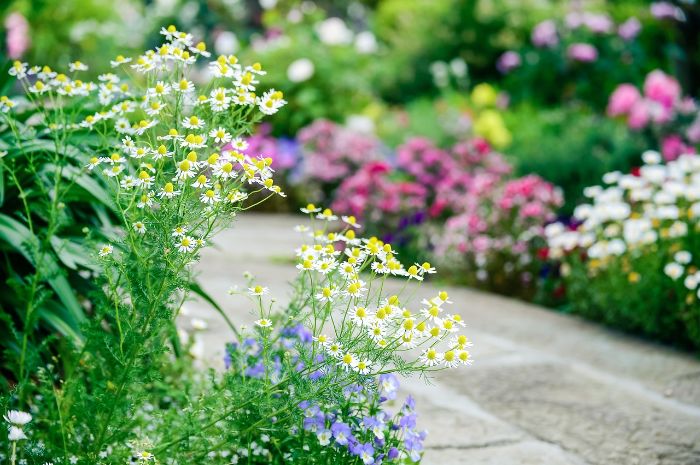
Observation belongs inside practical systems too. In integrated pest management, careful monitoring comes before treatment. The same principle works at home. Identify what is present, how much damage is fresh, and whether beneficial insects are already active before reaching for a spray.
The practice also protects the gardener from overwork. A slow look can reveal that the garden is fine for one more day. Soil is damp. New growth is firm. Flowers are doing their job. The gardener gets permission to sit on the step and watch light move through leaves.
Larger healing spaces use the same idea at a design scale. A path that slows walking, a bench with a framed view, and plantings with scent or texture all support attention. That quieter side of therapeutic garden design comes from plant choice, path speed, framed views, scent, texture, and the way a space invites looking.
Common Mistakes That Make Mindful Observation Feel Forced
Trying to feel peaceful on command is the first mistake. Gardens contain pests, heat, failure, noise, and unfinished work. Mindful observation gives those things cleaner edges so the next action is less reactive.
Turning every walk into diagnosis is the second mistake. Some visits should name beauty only: the red edge of new peony shoots, the pepper smell of tomato leaves, the dust on a bumblebee, the hollow sound of dry bamboo leaves in wind. Beauty is information too. It tells you what the garden is giving back.
Using the phone as the first tool is the third mistake. A photo can support memory after looking. Phone use too early pulls attention into framing, storage, and comparison. Look first. Take the picture after the plant has been seen with your eyes.
Making the practice too long is the fourth mistake. Five honest minutes beats 30 restless minutes. One plant observed well can change the way you move through the whole yard.
Conclusion – Let The Garden Become Familiar Again
Treat mindful observation in gardening as a slower first step inside the work you already do. Look before watering. Listen before pruning. Touch the soil before guessing. Watch one plant long enough to see how it changes between morning and evening.
The reward is quiet and cumulative. The garden becomes a place with recognizable moods, patterns, visitors, and signals. You begin to see growth before it is obvious, stress before it becomes damage, and beauty before the mind rushes past it. That is how an ordinary garden becomes new again.
FAQ
What Is Mindful Observation In Gardening?
Mindful observation in gardening means pausing before action and noticing the garden through plant signals, soil, light, sound, scent, and seasonal change. The practice keeps attention on what is present in the garden before deciding what needs care.
How Long Should A Mindful Garden Observation Take?
Five minutes is enough for a useful session. Choose one pot, bed, path, or plant and notice three details before acting. Longer walks are helpful when they stay relaxed and do not turn into a full maintenance round.
Does Mindful Observation Help With Garden Stress?
Mindful observation can support a calmer garden routine because it slows attention and gives the mind a concrete sensory anchor. It should be treated as a supportive habit, not a replacement for mental health care.
What Should I Write In A Garden Observation Journal?
Write the date, weather, one visible change, one possible need, and one thing you will leave alone. Short, specific notes work better than long entries that become hard to repeat.
Can Mindful Observation Improve Plant Care?
Yes. Slower observation helps you notice soil moisture, leaf posture, pest activity, pollinators, and seasonal timing before acting. That makes watering, pruning, and pest decisions more precise.