

Last Updated April 29, 2026
Best flowers for shade and sun are chosen by matching the plant to real light hours, heat, soil moisture, and the kind of color you need from that spot. A tag that says “part shade” cannot see the hot brick wall behind your patio or the maple roots under your fence bed. That is why a zinnia can glow in one sunny border and mildew in another, and why impatiens can look lush under a porch roof, then collapse in a dry tree shadow. Good flower choice starts with exposure, then gets narrower: morning sun or afternoon sun, damp shade or dry shade, in-ground bed or pot, one-season color or a perennial clump that returns.
For fast results, choose impatiens, begonias, torenia, hosta, astilbe, hellebore, or foamflower for shade; begonias, fuchsia, lobelia, columbine, foxglove, daylily, and heuchera for partial shade; and zinnia, marigold, vinca, lantana, salvia, coneflower, blanket flower, and portulaca for full sun. Six or more direct sun hours counts as full sun; fewer than three usually belongs to shade plants.
Key Takeaways:
- Measure sun twice, once in spring and once midsummer
- Afternoon sun turns many part-shade beds into heat sites
- Deep shade needs foliage color as much as bloom color
- Choose containers under trees to avoid root competition
- Replace one failing plant after two weeks of poor recovery
Table of Contents
Flower Light Levels – Measure The Site Before You Shop
Light labels work only when the site has been measured. Full sun means the plant receives enough direct light to keep photosynthesis high, build strong stems, and fuel heavy flowering. Shade means less direct light and cooler soil, so plants with thinner leaves, larger leaf surfaces, and woodland growth habits compete better. The middle category is the tricky one. Morning sun with afternoon shade can feel gentle; afternoon sun beside paving can cook leaves even when the hour count looks the same.
Full sun means six or more hours of direct, unobstructed sunlight during the active growing season, while full shade means three or fewer hours. Reflected heat and light from hard surfaces can make a site act sunnier than the number suggests. Plant choice should account for heat reflection as well as hour count.
Stand in the bed at 9 a.m., noon, 3 p.m., and 6 p.m. on a clear day. Note direct sun, dappled light, reflected glare, and whether the soil feels cool and crumbly or hot and dry at the surface. Then repeat in midsummer after trees leaf out. A bed that had tulips in sun during April can become a low-light pocket by July.
| Light condition | Direct sun pattern | Best flower direction | Common mistake |
|---|---|---|---|
| Full shade | Less than 3 hours, or bright indirect light | Impatiens, begonias, torenia, hosta, astilbe, hellebore | Expecting sun annuals to flower heavily |
| Partial shade | 3 to 6 hours, best with morning sun | Begonia, fuchsia, lobelia, columbine, foxglove, heuchera | Ignoring afternoon heat |
| Full sun | 6 or more hours, open sky, strong airflow | Zinnia, marigold, vinca, lantana, salvia, coneflower | Planting in tight, wet soil |
The 3 p.m. condition matters before buying. A plant sitting beside white stone, dry wind, and reflected wall heat may need a tougher full-sun or heat-tolerant choice, even when the tag says part shade. A plant under maple roots with no rain reaching the soil needs a dry-shade plan, not just a shade label.
Best Flowers By Light Condition – Quick Match For Real Beds
Flower choice works better when the site is matched to the flower’s growth strategy. Shade flowers stretch leaf area to catch weak light and rely on cooler soil. Full-sun flowers keep shorter internodes, tougher leaves, or deeper roots so they can keep blooming through heat and transpiration. Partial-shade flowers live between those systems, which is why the direction of the sun matters.
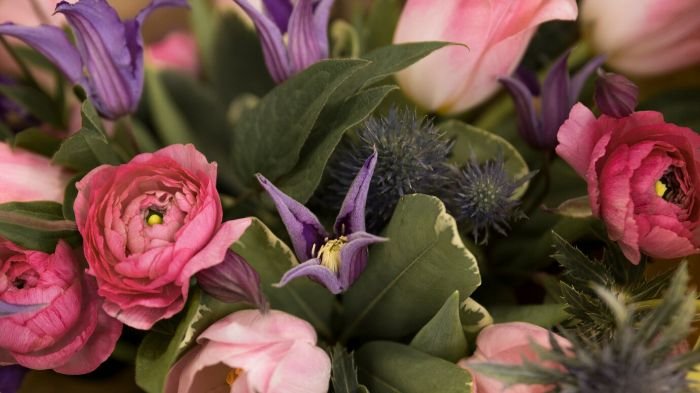
Use the light group first, then narrow by soil moisture, climate, bloom season, and container use.
- Full shade: impatiens, wax begonia, tuberous begonia, torenia, browallia, hellebore, hosta, foamflower
- Partial shade: New Guinea impatiens, fuchsia, lobelia, columbine, foxglove, astilbe, coral bells, daylily
- Morning sun: begonias, pansies, violas, alyssum, snapdragons, bleeding heart, lungwort
- Hot full sun: zinnia, marigold, vinca, lantana, portulaca, salvia, blanket flower, yarrow
- Pots in shade: begonia, torenia, fuchsia, coleus, caladium, impatiens, lobelia
- Pollinators in sun: coneflower, bee balm, salvia, zinnia, cosmos, lantana, black-eyed Susan
- Dry sunny edges: portulaca, blanket flower, yarrow, lantana, vinca, verbena
Annuals give the most color in one season. Impatiens, begonias, zinnias, marigolds, vinca, torenia, and petunias earn their space when you need a bed or pot to look full by midsummer. Perennials earn the longer job. Hellebores, astilbe, hostas, foamflower, coneflowers, salvia, daylilies, and black-eyed Susans come back, expand, and give the garden a more settled rhythm.
The best mix uses both. Put perennials where the light pattern is reliable, then use annuals to test uncertain edges. If a torenia pot thrives in a porch corner for two summers, that corner has enough bright shade for a more permanent shade planting. If a marigold grows leaves and few flowers, the bed is not full sun no matter how bright it feels when you walk past it.
Plant selection for year-round garden structure still starts with site fit. Flower color is the visible reward. Light fit is the root decision.
Full Shade Flowers – Color For Cool, Low-Light Corners
Full shade is not darkness. It is a site with little direct sun and enough ambient light for adapted plants to keep making food. The problem is that heavy bloom takes energy. In deep shade, the most successful plantings pair true flowers with colorful leaves so the bed stays alive between bloom windows.
Dappled shade, light or part shade, full shade, and deep shade behave differently, and dry shade under trees or roof overhangs is one of the most limiting garden sites. Tree roots compete in the same upper soil layer where many flowers try to feed. The surface can look cool and forgiving, then feel powdery under your fingers two inches down.
For annual color, start with impatiens, wax begonias, torenia, browallia, and tuberous begonias. Impatiens, wax begonia, coleus, browallia, wishbone flower, caladium, and tuberous begonia work well in shade or part shade because soft stems, broad leaves, and lower-light flowering habits fit real low-light containers.
For perennials, use hellebore for late winter or early spring flowers, foamflower for airy spring bloom, astilbe for feathery summer plumes in moist soil, and hosta for lavender or white flower spikes over durable foliage. Hostas can survive deep shade, with slower growth in locations that are too dark. That makes them useful, not magical. A hosta under dry maple roots still needs water.
Pro Tip: Test dry shade with a trowel before planting. If the top 3 inches break into dusty crumbs, plant shade annuals in pots or amend a small pocket heavily with compost, then water deeply once a week until roots settle.
A narrow bed under evergreen branches with no direct sun, no rain, and dense roots will not become a flower-heavy border. Use containers, pale-leaved foliage, hellebores near the brighter edge, and a small number of shade bloomers you can water by hand. That gives the space color without asking a low-light site to behave like a cottage border.
Partial Shade Flowers – Morning Sun Is The Sweet Spot
Partial shade is the most forgiving flower exposure when the sun comes early. Morning light dries dew, fuels growth, and rarely scorches tender leaves. Afternoon shade then protects petals and roots during the hottest part of the day. The same 4 hours of sun from 1 p.m. to 5 p.m. can be a different world: hot soil, limp leaves, and faded petals by dinner.
For reliable color, use New Guinea impatiens, begonias, fuchsia, torenia, lobelia, pansies, violas, alyssum, columbine, foxglove, astilbe, coral bells, and daylilies. Daylilies, bee balm, and spiderwort can take part shade and still flower, though bloom count drops as light falls. That drop is not failure. It is the plant rationing energy because less light means less sugar production.
Wax begonias can grow from full sun through full shade, with constant bloom and minimal care, and established plants can handle full sun when moisture is available. That is why begonias are so useful in mixed-light yards. They bridge a porch edge, a bright container, and a shaded bed better than many annual flowers.
Think in edges. The east side of a fence, the outside ring beneath a small ornamental tree, and the bright side of a north-facing patio are usually better than the darkest center of a shade bed. Place the highest-bloom plants where morning sun touches leaves first. Put foliage color and spring bloomers deeper in the shade.
I often notice that partial-shade failures happen after a tree fills out, not at planting time. A bed that receives 5 hours of May sun can drop to 2 hours in July, and annuals respond by stretching stems, opening fewer flowers, and holding damp leaves longer after rain.
Partial shade also suits gardeners who want softer color. Fuchsia flowers hang like small lanterns in a hanging basket. Lobelia spills blue or white over a pot rim. Columbine and foxglove bring height without demanding a hot open border. If deer browse the area, test one or two plants before filling the whole bed; young, watered growth is the first thing to disappear.
Full Sun Flowers – Heat, Airflow, And Bloom Power
Full sun flowers are built for energy. With 6 or more hours of direct sun, plants can produce the sugars needed for dense buds, strong stems, and repeated bloom cycles. The site still needs drainage and air. Hot sun plus wet, stagnant soil is where mildew, root stress, and floppy growth start.
Zinnias are the clean example. Zinnias prefer full sun and well-drained soil, with best performance in a warm location that receives 8 or more hours of sun. Wet foliage and poor airflow raise powdery mildew risk. Those details explain why zinnias can be spectacular in a breezy cutting bed and disappointing in a crowded, damp corner.
Marigolds, vinca, lantana, salvia, cosmos, coneflower, black-eyed Susan, blanket flower, yarrow, portulaca, verbena, and calibrachoa all suit full-sun beds when heat, drainage, and airflow are right. Annual vinca is heat-loving, fairly drought tolerant, and suited to full sun with well-draining soil. Marigolds also need full sun all day for season-long bloom. The shared mechanism is simple: warm roots, direct light, and free drainage let these plants keep building new buds.
Use full sun for pollinator value too. Single or semi-double zinnias, coneflowers, bee balm, salvia, cosmos, lantana, and black-eyed Susans keep nectar and pollen more available than densely doubled novelty flowers. A sunny bed with pollinator-friendly plants can be beautiful and busy at the same time: wings moving over purple cones, bees working salvia spikes, and seed heads forming later for birds.
Full sun has one trap: small containers. A 10-inch dark pot on a south-facing patio can heat fast enough to stress roots even when the plant is sun-loving. For zinnias, vinca, lantana, or calibrachoa in pots, choose larger containers, pale finishes, and a free-draining mix. If leaves feel hot and papery by late afternoon, light is not the only issue; root temperature and water volume are part of the site.
Containers, Bloom Season, And Soil Moisture – Make The Mix Last
Containers make mixed-light gardens easier because pots can be moved a few feet when the plant tells the truth. A begonia that bleaches on a patio table can shift under the rail. A lantana that stalls near the porch can move to the step where sun hits longer. In beds, you wait a season. In pots, you can correct the light in an afternoon.
Use shade containers for begonia, torenia, fuchsia, impatiens, coleus, caladium, and lobelia. Use partial-shade containers for pansy, viola, alyssum, New Guinea impatiens, and compact heuchera. Use full-sun containers for calibrachoa, petunia, lantana, vinca, portulaca, zinnia, and marigold. Plants for container gardening should be matched to pot volume, drainage, and heat exposure because container conditions change flower performance as much as light.
Bloom season matters as much as exposure. Hellebores open early when the garden is still quiet. Bleeding heart and columbine carry spring into early summer. Astilbe and begonias fill the middle season. Toad lily, asters, coneflowers, and black-eyed Susans push color later, when many annuals are tired. A garden that uses only one bloom window feels exciting for 3 weeks and bare for 3 months.
| Garden need | Shade choice | Partial-shade choice | Full-sun choice |
|---|---|---|---|
| Long annual color | Impatiens, wax begonia, torenia | New Guinea impatiens, lobelia | Vinca, zinnia, lantana |
| Perennial return | Hosta, hellebore, foamflower | Astilbe, columbine, heuchera | Coneflower, salvia, black-eyed Susan |
| Dry edge | Use pots or improve soil first | Heuchera, daylily after establishment | Portulaca, blanket flower, yarrow |
| Pollinator activity | Foamflower, hosta flowers | Columbine, foxglove, fuchsia | Salvia, coneflower, cosmos |
Soil moisture is the quiet filter. Shade stays cool and damp in some beds, then bone dry beneath shallow-rooted trees. Full sun dries the surface fast, then may hold water lower down in clay. Before adding another watering day, push a finger or trowel 2 to 3 inches into the soil. Gardening in shade and low-light outdoor plants both depend on the same physical check: match plants to the real bed, not the name of the exposure.
Flower Selection Mistakes – Why Good Plants Fail In The Wrong Light
Most flower failures are not mysterious. A sun plant in shade makes soft, stretched growth because the stem extends toward stronger light. A shade plant in hard sun bleaches because chlorophyll breaks down faster than the leaf can protect itself. A moisture-loving shade plant under trees wilts because roots above it are taking water first. The plant is not stubborn. It is reporting the site.
The first mistake is counting hours and ignoring intensity. Three hours of morning sun can suit fuchsia and begonia. Three hours of late afternoon sun against stone can burn tender foliage. The second mistake is treating shade as moist. Some shade is damp and cool; some is dry, dusty, and full of roots. The third mistake is buying for bloom color alone. A flower that blooms for two weeks and leaves weak foliage behind is less useful than a plant with clean leaves and a shorter bloom window.
Another mistake is using full-sun flowers as rescue plants for bare hot spots. Zinnia, lantana, vinca, portulaca, and marigold like sun, not compacted construction soil. If water beads and runs off the bed, fix the soil before planting. Loosen the top layer, add compost where appropriate, and choose full sun plants that match heat and drainage.
Watch the failure signals for two weeks after planting. Shade flowers getting too much sun show pale patches, crisp edges, and limp petioles by afternoon. Sun flowers in too little light lean, flower less, and hold damp leaves into evening. Plants in dry shade look dull, then drop lower leaves even when the air feels cool. Move annuals quickly. Give perennials one recovery window after watering and mulching, then relocate them before stress becomes the season’s main story.
The best flower bed is not the one with the longest plant list. It is the one where each plant’s light, root, and moisture needs match the spot closely enough that maintenance becomes ordinary: water at the base, deadhead when needed, thin crowded stems, and replace the one plant that keeps asking for a different garden.
Conclusion
Choose flowers by the light the bed actually receives: less than 3 direct sun hours for shade choices, 3 to 6 hours for partial shade, and 6 or more hours for full sun flowers. If the site has hot reflected light, dry tree roots, or a small dark container, let that condition outrank the plant tag.
Start with one exposure group, then layer bloom season, moisture, and container needs. When the match is right, the proof is physical: firm stems in the morning, cool soil under mulch, petals that hold color past noon, and new buds forming where last week’s flowers faded.
FAQ
What flowers grow best in full shade?
Impatiens, wax begonias, tuberous begonias, torenia, browallia, hellebores, foamflower, and hostas are good choices for full shade. In very deep shade, expect less bloom and use foliage color from hosta, coleus, caladium, or heuchera to keep the bed attractive between flowers.
Can you grow full sun flowers in partial shade?
Some full sun flowers will live in partial shade, and they usually flower less. Zinnias, marigolds, cosmos, and salvia need strong light for heavy bud production. If a sun annual grows tall, leans, and opens only a few flowers, move it to a brighter bed or use a part-shade flower there.
What happens if shade flowers get too much sun?
Shade flowers in harsh sun develop pale, bleached patches, crisp leaf edges, limp stems, and faded petals. Damage appears fastest when sun combines with dry soil. Move pots into morning sun or bright shade, then water deeply at the base so the root zone can cool.
Are partial shade and partial sun the same for flowers?
They overlap, but the timing matters. Partial shade is safest when plants get morning sun and afternoon protection. Partial sun can include stronger light and more heat. For tender flowers such as fuchsia, lobelia, and many begonias, 4 hours before noon is kinder than 4 hours late in the day.
What are the best full sun flowers for hot areas?
Zinnia, vinca, lantana, portulaca, marigold, salvia, blanket flower, yarrow, and coneflower handle hot sunny beds well when soil drains freely. For containers, use larger pots and pale finishes so roots do not overheat on patios or near walls.
Which flowers are best for shady containers?
Begonias, torenia, fuchsia, impatiens, lobelia, coleus, and caladium work well in shady containers. Use a pot with drainage holes and check moisture every 2 to 3 days during heat. Containers under trees avoid root competition, which is one reason they perform better than small in-ground pockets in dry shade.
What is the biggest mistake when choosing flowers by light?
The biggest mistake is choosing by flower color before measuring sun. A red bloom on a tag does not tell you whether the plant can handle afternoon heat, dry shade, or wet clay. Measure light, touch the soil, then choose from the exposure group that matches the site.
Do shade gardens need fewer flowers and more foliage?
In deep shade, yes. Flowers need energy, and low light limits how much bloom a plant can produce. A strong shade bed uses flowers for seasonal highlights and foliage for the long display: hosta leaves, heuchera color, caladium patterns, and fern texture around bloomers such as hellebore or astilbe.