
Last Updated June 02, 2026
Choose plants for your climate by matching the plant’s survival limits to the harshest conditions your garden actually gives it, not the mild day when it looks good at the nursery. A glossy hydrangea in a shaded display can scorch beside a west wall. Lavender that smells sharp and resinous in a pot can rot in a low clay bed after winter rain. Even a tree labeled hardy can fail in a frost pocket where cold air settles like water.
Plant choice works best when climate, microclimate, soil, water, and mature size are read together. The tag gives a starting range. Your yard supplies the real test: afternoon heat, reflected glare, drainage after storms, wind exposure, winter lows, and the amount of care you are willing to repeat every week.
The best plants for a climate are plants whose hardiness, heat tolerance, light needs, soil preference, water demand, wind resistance, and mature size match the site before planting. Start with winter survival, then test summer heat, sun exposure, drainage, irrigation zone, and the most stressful corner of the bed.
Key Takeaways:
- Match plants to the worst week, not average weather
- Map sun twice before trusting a nursery tag
- Group water needs before irrigation becomes a fight
- Choose plants rated one zone colder for exposed winter sites
- Reject beautiful plants that need permanent rescue care
Table of Contents
Climate Fit – Read Hardiness, Heat, And Season Length Together
Winter hardiness is the first gate for perennials, shrubs, vines, and trees. The number on a tag tells you whether the plant is expected to survive the coldest part of winter, not whether it will bloom well, stay compact, or handle August heat. That difference is where many climate mistakes start.
The USDA map uses average annual extreme minimum winter temperature as its baseline, displayed in 10-degree F zones and 5-degree F half zones. That is useful for winter survival. It does not describe humidity, summer night temperature, dry wind, snow cover, soil drainage, or the heat reflected from a brick wall.
A plant labeled zones 5 to 9 still needs a second reading. In zone 5, exposed wind and freeze-thaw cycles can damage stems even when roots survive. In zone 9, warm nights and humid air can push disease pressure or weak flowering. The same tag means different risks at opposite ends of its range.
| Climate Signal | What It Tells You | What It Misses | Buying Rule |
|---|---|---|---|
| USDA hardiness zone | Likely winter survival for long-lived plants | Summer heat, humidity, drainage, wind, snow cover | Use the colder edge of the range for exposed sites |
| Summer heat pattern | Whether leaves, flowers, and roots keep functioning in hot weather | Winter survival and soil wetness | Favor heat-adapted foliage for west and south exposure |
| Rainfall season | When the plant gets natural water | Drainage speed and irrigation habits | Match dormancy and active growth to wet and dry months |
| Frost timing | Length of the growing season for tender plants | Cold pockets inside one yard | Keep tender plants out of low spots and open wind |
| Humidity | Disease pressure and leaf drying speed | Cold tolerance and root drainage | Choose airy habits and disease-resistant varieties in damp regions |
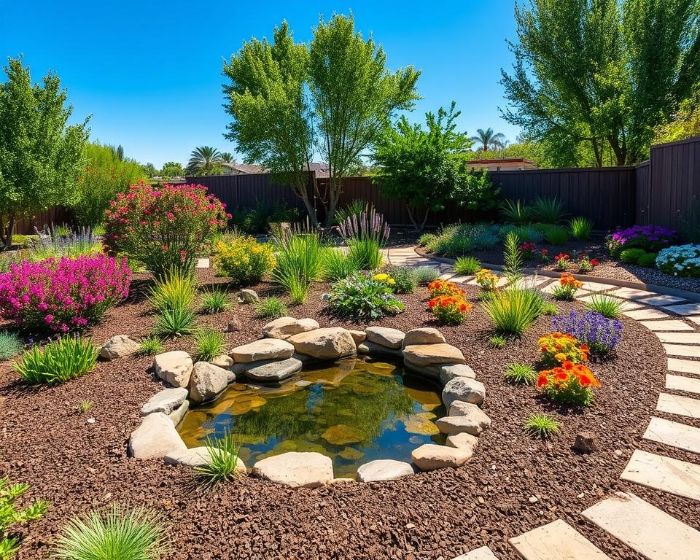
Turn that climate reading into a site map for your own local climate zone. Two yards in the same USDA zone can behave differently when one has afternoon shade, deep loam, and snow cover, and the other has a windy corner, shallow soil, and reflected heat from paving.
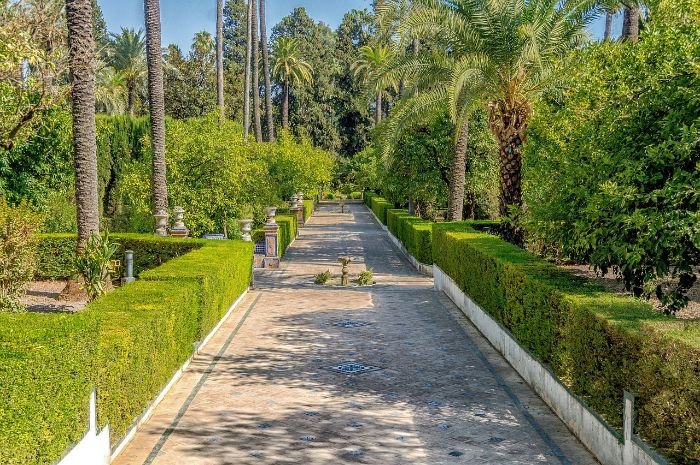
Microclimate Mapping – Measure The Yard Before Choosing Plants
Microclimate is the small weather inside the garden. One side of a house can stay damp and cool, and the other side can bake by 3 p.m. A low back corner can collect frost on nights when the patio stays clear. The plant does not experience your zip code. It experiences the square of ground where its roots sit.
Spend one clear day walking the site at morning, noon, and late afternoon. Mark where light lands, where wind cuts through, where soil dries first, and where water lingers after rain. The difference is easy to feel. A south-facing wall gives off dry heat against the palm after sunset; a shaded north bed feels cooler, heavier, and slower to dry.
Sun mapping deserves its own check because plant tags compress light into simple words. Full sun near the coast is not the same as full sun beside concrete in inland summer heat. A bed that gets six hours of gentle morning light may suit plants that burn in four hours of western glare. Detailed sunlight assessment in the garden helps separate bright shade, morning sun, hot afternoon sun, and seasonal tree shade.
Wind changes plant choice as much as light. Moving air strips moisture from leaves through transpiration, then leaf edges brown even when soil still holds water. Broad, thin leaves suffer first. Narrow leaves, waxy surfaces, flexible stems, and lower growth habits handle exposed sites better.
Pro Tip: After a rain, wait one hour and push a trowel four inches into each planting area. Cool crumbly soil, slick clay, gritty sand, and standing water tell you more about plant fit than a tag that says “easy.”
Urban gardens add another layer. Walls, asphalt, fences, and parked cars store heat during the day and release it at night. That extra warmth can protect marginal plants in winter and punish cool-loving plants in summer. It can also keep pests active longer into the season.
Soil And Water Fit – Roots Decide Whether Climate Tolerance Matters
Climate tolerance fails fast when the root zone is wrong. A drought-tolerant plant still rots in wet clay. A moisture-loving plant still wilts in sandy soil that drains beyond the root zone by noon. Roots need oxygen, moisture, and physical space before leaf traits matter.
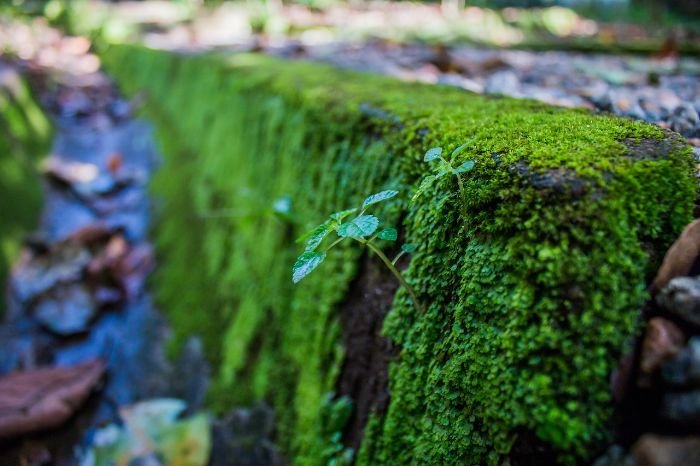
Soil texture sets the water rhythm. Sand drains fast and warms early. Clay holds water and compacts under foot traffic. Silt crusts at the surface after hard rain. Loam gives the widest plant list because it holds moisture and air in a workable balance. A simple jar test or ribbon test from soil types in gardening helps place plants into real root conditions.
Drainage is a plant selection filter, not a detail to fix later with hope. Dig a hole, fill it with water, and watch how long it takes to drain after the soil is already moist. If water sits for hours, choose plants that tolerate wet feet or raise the planting area. If the hole dries quickly and the soil feels warm and loose, favor plants with deeper roots, smaller leaves, or dormancy during dry months.
Water demand needs grouping before the first plant goes in. A drought-tolerant sage and a thirsty hydrangea in the same irrigation zone force one of them into stress. Clean hydrozones make the maintenance pattern visible, and grouping plants by water needs keeps one schedule from weakening the whole bed.
| Site Condition | Plant Traits That Fit | Plants To Avoid |
|---|---|---|
| Hot dry slope | Deep roots, narrow leaves, silver or waxy foliage | Shallow-rooted thirsty perennials |
| Low wet clay | Moisture-tolerant roots, fibrous root systems, rain garden species | Mediterranean herbs and dryland shrubs |
| Bright reflected heat | Heat-tolerant foliage, sturdy stems, lower water demand after establishment | Large soft leaves and cool-season bloomers |
| Dry shade under trees | Shade tolerance, root competition tolerance, spring growth habit | Sun-loving flowers and shallow thirsty bedding plants |
| Windy exposed edge | Flexible stems, smaller leaves, strong anchoring roots | Brittle branches and top-heavy forms |
Plant Traits – Match Leaves, Roots, And Dormancy To Stress
Good plant selection reads the plant’s body. Leaf size, leaf surface, root habit, stem flexibility, dormancy timing, and mature size all reveal what stress the plant is built to handle. The prettiest flower is temporary. The survival traits stay after bloom.
Drought-adapted plants often carry smaller leaves, gray or silver color, waxy coating, aromatic oils, fuzzy surfaces, or deep roots. Those traits reduce water loss, reflect light, or store moisture. Many drought-tolerant plants look restrained in spring, then hold form when shallow-rooted plants wilt during the first dry spell.
Heat tolerance is a separate trait from drought tolerance. A plant can have enough water and still suffer when leaf enzymes, pollen, or root membranes face high temperature. Thick leaves, open branching, reflective foliage, and bloom timing that avoids peak heat all matter. In hot exposures, put heat-tolerant plant varieties on the shortlist before color preferences.
Cold fit shows up in dormancy, bud hardiness, crown depth, and stem tissue. A plant that survives winter as a protected crown behaves differently from an evergreen shrub with exposed leaves all season. If freeze-thaw cycles heave roots or burn leaves, move toward cold-hardy plants with proven winter structure, deeper crowns, or foliage that does not desiccate in wind.
Shade fit is also specific. Some plants handle bright woodland shade and fail in dense building shade. Others tolerate low light because their leaves are broad, thin, and arranged to catch scattered light. The best shade-loving plants still need soil moisture and root room that match their natural understory pattern.
Observation: I often see the worst failures where one plant has the right climate zone and the wrong stress trait. A zone-hardy evergreen beside a winter wind tunnel can brown more than a less glamorous deciduous shrub that drops leaves and avoids winter moisture loss.
Choose The Right Plants By Your Worst Site Constraint
The most limiting condition should lead the plant choice. A bed can have good soil, pretty morning light, and easy hose access, then still fail because one stress dominates during the hardest month. Before buying, ask one blunt question: which condition kills plants here in a bad year: cold, heat, wet feet, drought, wind, or shade?
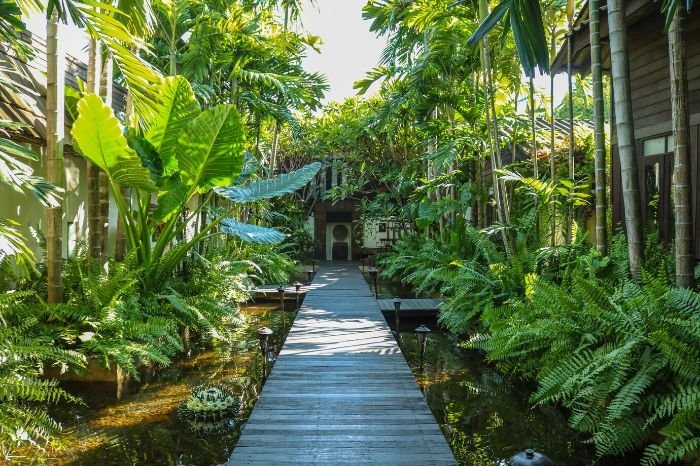
A plant that needs permanent correction is a poor fit. If the plan depends on weekly rescue watering, constant shade cloth, winter wrapping every cold night, or repeated soil fixes, the plant is asking the gardener to replace its natural habitat. That bargain gets old by the second season.
| Worst Site Constraint | Plant Traits To Favor | Tag Warning | First Move |
|---|---|---|---|
| Winter cold and wind | Hardiness one zone colder, flexible stems, dormant habit | Marginal zone rating or broad evergreen leaves | Plant near wind break, not in open exposure |
| Afternoon heat | Heat tolerance, reflective foliage, lower summer water demand | “Part shade” or “cool summer” notes | Use morning sun or protect from west glare |
| Wet winter soil | Wet-foot tolerance, fibrous roots, dormancy during saturation | “Well-drained soil” listed as a firm need | Raise the planting area or choose wet-site species |
| Dry sandy soil | Deep roots, small leaves, drought dormancy | “Even moisture” or “rich moist soil” | Group with low-water plants and mulch early |
| Dense shade | Shade tolerance, broad leaves, root competition tolerance | “Full sun for best bloom” | Choose foliage texture before flower count |
| Windy edge | Low center of gravity, flexible stems, smaller leaves | Top-heavy flowers or brittle branching | Plant in drifts or behind a permeable screen |
Mature size needs the same decision. A plant that fits the climate and outgrows the walkway still becomes a maintenance problem. Measure the adult width, not the pot. A three-gallon shrub can feel harmless in your hand and still block a window in five years.
Establishment And Replacement – Test The Choice After Planting
The first season tests the match. Even well-chosen plants need water during establishment because nursery roots are confined, circling, or packed in a different mix from garden soil. Establishment watering should help new roots cross into the surrounding soil, then fade as the plant begins using the bed around it.
Watch the plant at the same time of day for the first month. Morning wilt points to root-zone trouble. Afternoon flagging that recovers by sunrise points to heat load or temporary transpiration stress. Leaves that feel papery and warm at the edge are reporting water loss; leaves that feel soft, dark, and limp near wet soil point toward low oxygen around roots.
Do not judge a plant only by bloom in the first season. Root growth, leaf posture, new stem color, and recovery after weather stress matter more. A plant that flowers hard from a pot-grown root ball can still fail to anchor by fall. A quieter plant with fresh root growth and stable leaves is making the better long-term move.
Replacement should be treated as information, not defeat. If three of the same plant fail in the same spot, the site is speaking clearly. Change the plant type, not the hope. Move from thirsty flowers to dry-site grasses, from sun shrubs to woodland perennials, from narrow evergreens to wind-tolerant deciduous structure.
Keep a short garden log for two seasons. Note winter burn, summer scorch, disease, irrigation need, and which plants still look composed after the hardest weather. The best plant list for your climate is built from labels, local knowledge, and plants that stay upright in your actual soil.
Conclusion
Plant selection gets easier when the harshest site condition leads the choice. Start with winter survival, then test heat, sun, drainage, water demand, wind, and mature size. If one condition clearly dominates the bed, choose for that condition first.
The success signal is quiet: leaves stay firm through the hard part of the day, roots settle into the surrounding soil, and the plant looks like it belongs there after the weather turns difficult.
FAQ
What Climate Factors Matter Most When Choosing Plants?
Winter low temperature comes first for long-lived plants, then summer heat, rainfall pattern, humidity, wind, and frost timing. For annuals and vegetables, season length and heat matter more than long-term winter survival. For trees and shrubs, mature size and winter exposure deserve the same attention as the zone number.
Can I Grow A Plant Outside My USDA Zone?
Sometimes, if the plant is used as an annual, grown in a container, or placed in a protected microclimate. Marginal perennials are riskier. A warm wall, mulch, and snow cover can help, but an exposed cold snap can still kill roots, buds, or stems.
Are Native Plants Always The Best Climate Choice?
Native plants are often strong candidates because they are adapted to regional rainfall, soils, pests, and seasonal rhythms. Local site fit still matters. A native wetland plant will not thrive on a dry slope, and a prairie plant can rot in a shaded clay pocket.
How Do I Choose Plants For A Yard With Several Microclimates?
Treat each area as a separate planting zone. A sunny driveway edge, a damp low corner, a shaded fence line, and a windy front bed need different plant lists. Group plants by light, water, and exposure before thinking about color.
Should Climate Change Affect Plant Selection?
Yes, especially for long-lived plants. Favor plants that handle your current winter lows and have some tolerance for hotter summers, heavier rain bursts, or longer dry spells. A diverse planting with several root depths and bloom times spreads the risk better than one narrow plant group.