Last Updated May 11, 2026
Plant selection works best when it starts with the site, not the nursery bench. A hydrangea that looked lush under shade cloth can scorch against a west wall by July. A fragrant lavender can blacken at the base in sticky winter clay before summer even begins. The plant is not always bad. The match is.
Good plant choice comes from running every candidate through a short filter: garden purpose, light, hardiness, soil texture, drainage, moisture pattern, and mature size. Bloom color matters. Fragrance matters. Style matters. They matter after survival and fit are already settled.
When those filters line up, roots settle faster, watering gets simpler, and the garden stops feeling like a yearly replacement project. Beds read calmer too, because the plants fill the space they were meant to fill and do not spend the season fighting the conditions around them.
To choose plants for your garden, match six filters before you buy: garden type, light, USDA hardiness, soil texture and drainage, moisture pattern, and mature size. If two of those filters conflict – dry-shade plant in a boggy bed, sun lover under tree roots, tall shrub under windows – leave the plant at the garden center.
Key Takeaways
- Measure sun in hours, not by whether a bed looks bright
- Reject plants that outgrow the space within three seasons
- Treat drainage as a survival filter before flower color
- Shop once after rain to spot wet and dry zones
- Mix permanent structure with short-season color, not all annuals
Table of Contents
Start With The Site – The Six Filters That Decide Plant Fit
Plant selection works best when every candidate passes through the same filters in the same order. Start with the site, reject obvious mismatches early, then use bloom color, fragrance, and style to choose among the plants that are still standing.
| Selection filter | What to check | Why it matters | Reject the plant if |
|---|---|---|---|
| Garden type | Food, flowers, herbs, wildlife, containers | Defines plant role and maintenance logic | The plant does not serve the bed’s main job |
| Light | Direct sun hours and timing | Controls flowering, fruiting, scorch, and stretch | The plant needs sun the site cannot provide |
| Hardiness and exposure | Zone, wind, heat, frost pockets | Separates survival from real performance | The plant only survives under better shelter |
| Soil and drainage | Texture, compaction, winter wet | Controls root oxygen and crown health | The root zone stays wet beyond tolerance |
| Moisture pattern | Dry, moist, or seasonal swing | Sets irrigation and plant stress level | Water needs conflict with the bed |
| Mature size and behavior | Height, spread, roots, reseeding | Prevents crowding and maintenance debt | The plant outgrows the role too fast |
When one site constraint dominates the whole bed, plant choice should follow that stress first. Winter survival calls for cold-hardy plants. Hot dry sites need drought-tolerant planting. Repeated root failure needs soil repair. Beds that need harvest and ornament in the same footprint need edible landscaping.
Once the main site filters are settled, design-led beds can use ground cover plants for low coverage, ornamental grasses for movement and texture, water planting for pond or wet-edge conditions, or color planning for controlled palette work.
Plant Selection Criteria – Read The Site Before The Nursery Bench
Many failed plant choices begin with flower color before light, drainage, mature size, and root behavior have been checked. Read the site first. Then assign a garden job. Then choose among the remaining plants by looks, bloom season, or scent.
A bed that looks bright at noon can still be part shade if it receives direct sun only from 8 a.m. to 11 a.m. A foundation border can read mild in spring, then throw back enough heat in August to make the wall feel warm at dusk. Leaf temperature drives transpiration, and that is why reflected heat changes plant performance faster than a label at the nursery can warn you.
- Light hours and timing. Count direct sun, not general brightness, and note whether the sun comes in the cool morning or the harsher late afternoon.
- Winter low and summer exposure. A hardiness zone tells you the cold floor; it does not tell you about wind, trapped heat, or frost pockets.
- Soil texture and drainage. Gritty sand, crumbly loam, and ribbon-forming clay each support a different plant palette.
- Moisture pattern. Some beds stay evenly moist, some bake dry under eaves, and some hold water for a day after rain.
- Mature size and root behavior. Plants do not stay nursery-sized for long, and root competition can matter as much as canopy spread.
- Garden job. A plant may need to feed the kitchen, edge a path, screen a fence, cover bare soil, or hold a color palette together.
A dry, root-filled shade bed needs shade-tolerant plants with lower water demand, not plants selected for a sunnier, richer border. A damp clay pocket needs roots that tolerate winter wet, not crown-sensitive dryland herbs. That comparison prevents purchases built around price ahead of plant fit.
Garden Type Priorities – Match Plants To The Job
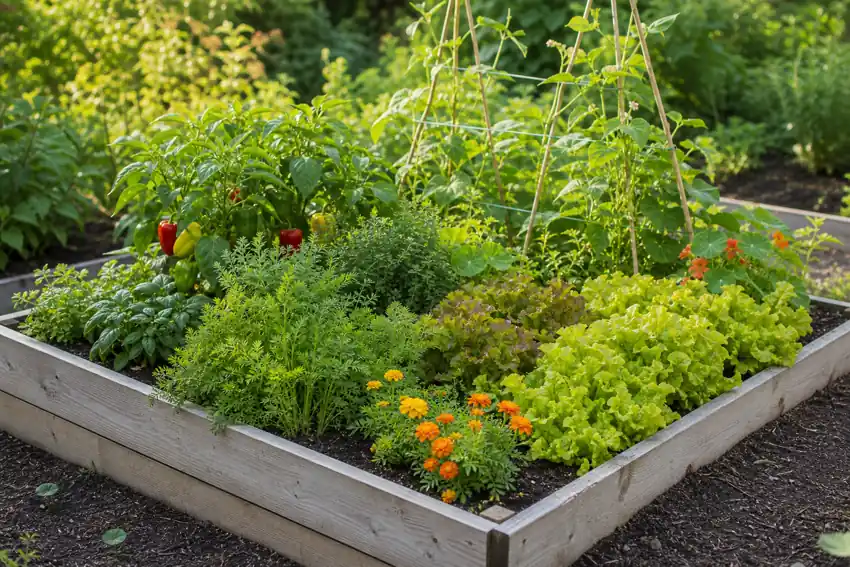
Garden type changes the order of your filters. A vegetable bed asks for sun, soil energy, and harvest timing. A flower border cares more about seasonal sequence, mature spread, and how color moves through the bed. An herb garden wants flavor, clipping tolerance, and the right balance between dry-footed Mediterranean herbs and softer leafy herbs that appreciate steadier moisture.
| Garden type | First filters | What usually works best | Common miss |
|---|---|---|---|
| Vegetable garden | Sun, drainage, fertility, harvest window | Season-matched crops with reachable spacing and support | Planting hungry fruiting crops where light is weak |
| Flower border | Bloom sequence, mature size, color rhythm, maintenance | Perennial structure with a smaller layer of annual color | Buying one of everything and losing visual order |
| Herb garden | Drainage, clipping access, sun, winter wetness | Woody herbs in lean soil, leafy herbs closer to water | Putting rosemary and thyme into cold wet clay |
| Mixed edible landscape | Structure, access, mess, long-season appearance | Berry shrubs, dwarf fruits, herbs, ornamental edibles | Using sprawling crops in the most formal view |
| Wildlife or pollinator bed | Regional fit, nectar window, larval value, reseeding habit | Adapted perennials and shrubs with staggered bloom | Relying on sterile ornamentals that feed little |
Vegetable Gardens Need More Than Full Sun
Vegetables, especially fruiting crops such as tomatoes, peppers, squash, and cucumbers, need enough light to keep sugar production high as they build foliage, roots, flowers, and fruit at the same time. Six hours is the low edge. Eight hours is usually where the bed starts feeling generous. If the site misses that mark, move toward leafy crops, herbs, or spring and fall vegetables. Skip summer heavyweights that will stretch, bloom late, and disappoint.
Flower Borders Need Structure Before They Need More Color
A flower garden that looks good for two weeks is still not a good border. Perennials build crown reserves, shrubs hold shape, and annuals supply seasonal lift. That layered mix gives the bed bones. Mixed ornamental food spaces work best when form and harvest are planned together from the start.
Herb Beds And Specialty Gardens Reward Tighter Matching
Basil and parsley tolerate richer, moister ground than thyme, sage, lavender, and rosemary. That difference comes down to root-zone oxygen and stem texture. Soft, fast leafy growth uses water differently from woody stems lined with aromatic oils. Put rosemary into winter-wet soil and the base can turn dark and sour-smelling long before the top growth tells you what went wrong.
Specialty spaces get even stricter. A shelf by a pond needs water-depth logic. A gravelly berm wants sharper drainage and a much leaner palette than a standard border. A north-facing bed under tree roots needs plants adapted to low light and root competition, not a generic nursery display.
Climate And Exposure Filters – Hardiness Alone Is Too Blunt
Hardiness zones matter; they are only the first gate. The USDA hardiness map tells you the average annual winter minimum, which is useful for ruling plants out fast. It does not tell you whether the bed sits in a frost pocket, bakes against pale masonry, gets scoured by winter wind, or stays humid enough to push fungal pressure through summer.
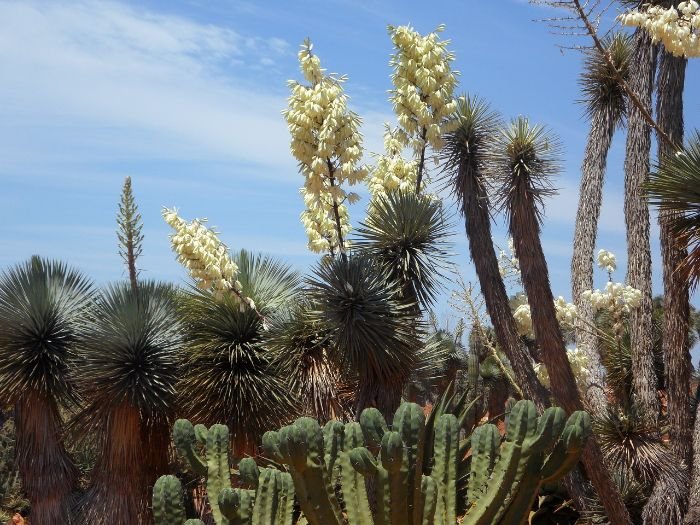
A plant that survives Zone 7 in an open, well-drained bed may fail in the same zone when cold rain keeps the crown wet all winter. A shrub labeled hardy to Zone 5 can still burn on the windward side if frozen roots cannot replace the moisture that evergreen leaves keep losing. Wind drives desiccation. Heat drives transpiration. Humidity affects disease pressure. Those are garden-shaping forces, not small details.
That is why climate filters need to be read at yard scale. A low hollow can frost and the upper slope stays clean. The south side of a wall may hold enough reflected heat to ripen peppers faster, then scorch shade plants by July. Coastal gardens take salt, wind flex, and sandy drainage more seriously than inland beds. Cold interiors care more about crown heave, snow load, and late freezes.
| Climate factor | What it changes | Plant selection rule |
|---|---|---|
| USDA hardiness zone | Winter survival floor | Use zone as the first rejection filter |
| Frost pocket | Late freeze damage | Avoid early-flowering tender plants |
| Reflected heat | Leaf scorch and water stress | Choose heat-tolerant plants with deeper roots |
| Winter wet | Crown and root rot | Avoid dry-climate plants in slow-draining beds |
| Wind exposure | Desiccation and stem damage | Use flexible, sheltered, or wind-tolerant plants |
| Humidity | Disease pressure | Avoid dense, mildew-prone plants in still air |
Winter wet around the crown kills more borderline plants than cold alone, and tree-root competition causes more summer stress than many gardeners expect.
No plant tag rescues a bed that stays waterlogged in January and bakes hard by August unless you change the site or choose plants adapted to exactly that swing. Climate fit is not only about toughness. It is about the kind of stress a plant can recover from more than once.
Soil Conditions And Root Health – Drainage Beats Wishful Thinking
Soil decides whether roots can breathe, anchor, and feed. That is why drainage usually matters before pH and long before fertilizer. When soil stays waterlogged, air spaces collapse and roots lose oxygen. Once that happens, a plant that likes rich soil may still decline because respiration in the root zone has slowed to a crawl. Leaves yellow. Growth stalls. Gardeners reach for feed. The problem stays underground.
Texture And Drainage First
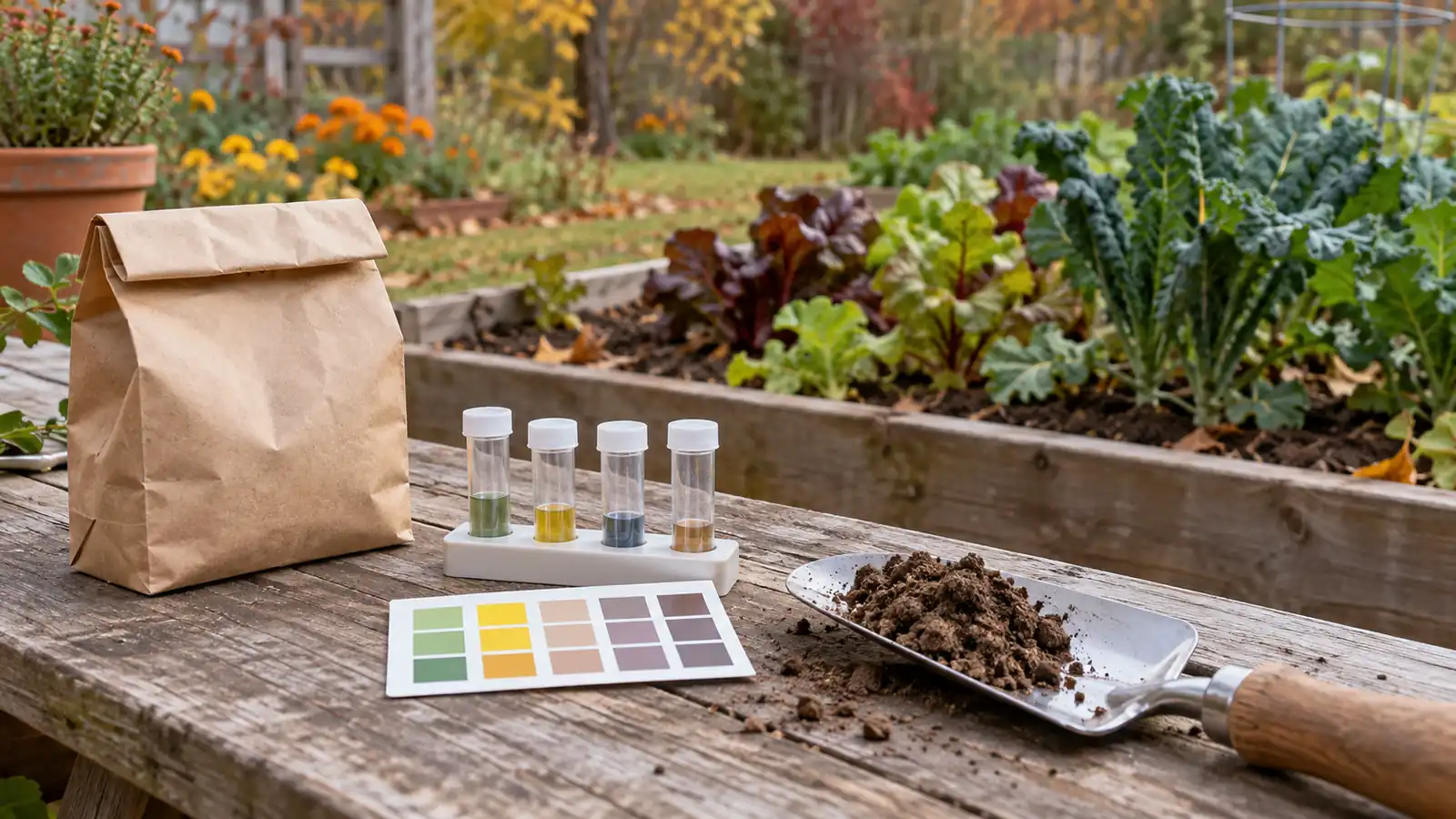
Take a handful of moist soil and press it between thumb and forefinger. Sand feels gritty and falls apart quickly. Loam holds shape, then crumbles with light pressure and carries that clean earthy smell most gardeners trust. Clay goes slick, cool, and ribbon-like when wet, then dries into hard clods that can sound almost ceramic when knocked together. Those physical differences tell you how long water stays, how fast roots move, and how much correction the bed will ask for.
| Soil condition | What it usually feels like | Plant direction | What to avoid first |
|---|---|---|---|
| Fast-draining sand | Gritty, loose, warm, quick to dry | Lavender, rosemary, gaura, coneflower, many silver-leaved plants | Moisture-hungry perennials without irrigation |
| Balanced loam | Crumbly, earthy, holds shape lightly | The widest palette of vegetables, herbs, perennials, shrubs, and annuals | Ignoring local wet or dry pockets inside the bed |
| Heavy clay | Slick when wet, hard when dry, slow to drain | Moisture-tolerant perennials, many shrubs, iris, daylily, some grasses | Mediterranean herbs and alpine plants in winter-wet spots |
| Wet pocket or low spot | Cool, dense, sometimes sour after rain | Sedges, iris, cardinal flower, moisture-tolerant shrubs | Crown-rot prone plants and deep-mulched crowns |
| Acidic organic soil | Dark, leaf-mold rich, often under pines | Blueberries, azaleas, camellias, many woodland plants | Plants that insist on alkaline or sharply drained ground |
Use pH As A Narrowing Tool, Not The Only One
Soil pH still matters because it changes nutrient availability. Blueberries and azaleas read badly in alkaline ground. Many vegetables produce fine crops in mildly acidic to near-neutral beds. Still, pH is a narrower filter than most gardeners think. A plant can tolerate a small pH mismatch for longer than it can tolerate roots sitting in airless mud for a week.
Use pH as a plant-group shortcut, not as the whole diagnosis. Acidic soil usually suits blueberries, azaleas, camellias, and many woodland plants, though drainage still needs to be checked first. Near-neutral soil suits most vegetables, many perennials, and many herbs. Alkaline ground often favors lavender, thyme, and other Mediterranean herbs, while acid-demanding shrubs should wait until the bed is tested and amended with a clear plan. If the soil itself keeps fighting every choice, the next move is soil work first, then re-selection.
Pro Tip: Dig a test hole about 12 inches deep, fill it twice, and time how the second filling drains. Water that still stands after 8 to 12 hours means you should either improve drainage first or shop for plants that accept wet feet.
Aesthetic Goals And Plant Form – Structure Before Color
Flower appeal alone does not create a balanced garden. Strong planting design comes from shape, scale, repetition, and timing first, then flower color. That order feels less exciting at the nursery; it is what keeps a border looking intentional in April, July, and October, not only on the weekend everything happens to bloom together.
Start with plant form. Upright plants pull the eye upward. Mounded plants soften the middle layer. Ground-hugging plants settle the front edge. Airy plants create movement. Coarse leaves read bold from a distance. Fine leaves blur into texture. When those forms repeat, the bed feels designed even before the main bloom season arrives.
Season matters just as much. Some plants earn their place with spring flowers, some with foliage that keeps color through heat, some with seedheads and winter outline. That is why a narrow palette used well usually outperforms a crowded collection of one-offs. Long-season movement, clean color repetition, and disciplined low layers make the bed easier to read from spring through fall.
Mature size needs to stay in the aesthetic conversation too. A shrub that grows 6 feet wide will not become a neat front-border accent because you admire the flower. By year three, its canopy will cast more shade, its roots will compete harder, and the plants around it will start reading the consequences. Beauty in a garden is rarely a single trait. It is the result of many plants keeping their roles at the same time.
Maintenance Fit – Choose Plants You Can Actually Keep In Bounds
Plant fit is also a labor question. The right plant for a bed you can maintain will outperform the prettier plant that needs weekly staking, rescue pruning, constant deadheading, or water every hot afternoon. Small gardens and containers magnify this fast because every oversized stem, thirsty root ball, and floppy habit becomes visible at once.
Container plants need an even tighter filter because roots face faster drying, hotter sidewalls, colder winter exposure, and a smaller nutrient reserve than plants in open ground. Choose compact plants whose root systems tolerate the container volume, and avoid shrubs or perennials that need open soil to stay balanced.
| Maintenance factor | What to check before buying | Selection warning |
|---|---|---|
| Pruning and clipping | Annual shearing, hedge trimming, or spent-stem cleanup | Avoid in narrow borders or under windows if reshaping will be constant |
| Watering dependency | Daily moisture need, shallow roots, container thirst | Skip high-demand plants in hot walls, dry slopes, or weekend gardens |
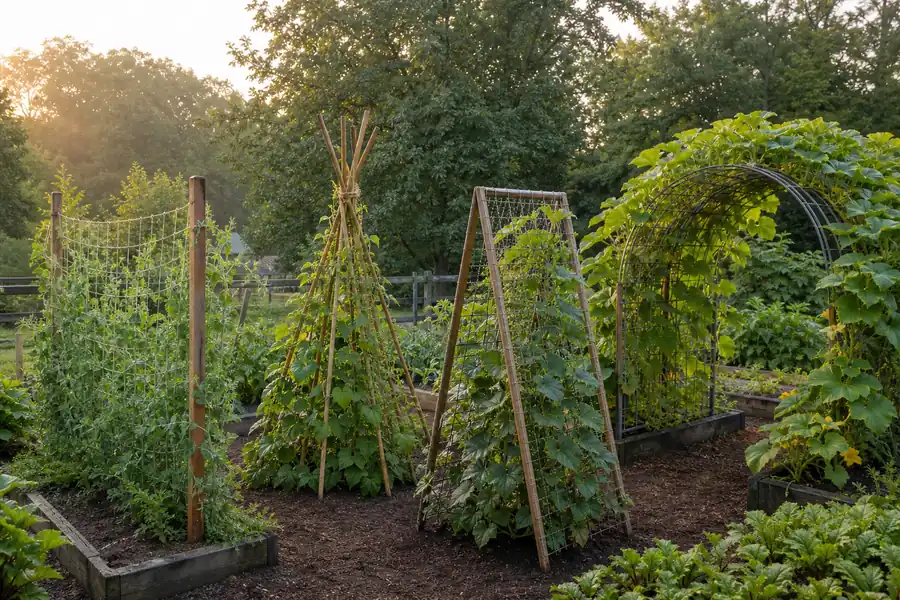
| Staking and support | Floppy stems, climbing habit, heavy fruit load | Skip if the bed has no trellis, cage, or hidden support plan |
| Division, reseeding, spread | Running roots, self-seeding, fast clump growth | Avoid if you want low editing and sharper edges |
| Deadheading and replacement cycles | Short bloom, annual turnover, spent-flower upkeep | Skip if you want long-season performance from fewer plants |
| Harvest and access | Thorns, dense canopies, reach, and harvest clearance | Avoid edibles or shrubs that block pruning, picking, or sightlines |
Shrubs under windows and climbers on weak supports create maintenance debt before they create beauty. A 6-foot shrub planted into a 3-foot strip usually turns into rescue pruning. A vine without a support plan usually sprawls, snaps, or smothers something that was meant to stay visible. Small gardens punish those errors first.
Plants To Avoid – Selection Risks That Cause Long-Term Problems
Selection improves as soon as rejection gets clearer. Some plants fail because the site is wrong. Others succeed too well and become the next problem. A visible risk screen keeps both mistakes out of the cart.
| Risk | Where it shows up | Selection rule |
|---|---|---|
| Invasive or aggressive spread | Running grasses, self-seeders, vigorous ground covers | Choose only where legal, regionally safe, and manageable inside the intended bed |
| Toxicity | Pets, children, edible gardens | Keep toxic ornamentals away from food and play zones |
| Wrong mature size | Foundations, entries, narrow borders | Reject plants that need repeated rescue pruning |
| Winter wet sensitivity | Clay, low spots, cold-rain climates | Avoid crown-sensitive dryland plants |
| High water demand | Hot walls, dry slopes, containers | Match water need before flower color |
| Weak regional fit | Humid summers, cold interiors, coastal wind | Choose by local stress pattern |
Check regional invasive plant guidance before planting runners, self-seeders, or vigorous vines near woods, waterways, and disturbed soil. Native plants can improve wildlife value and reduce input when they match the site well. Native status does not excuse wrong size, wrong drainage, or aggressive behavior in the wrong setting.
Conclusion
Choose the site before the plant. Check light hours, winter exposure, soil texture, drainage, moisture pattern, mature size, and garden role before bloom color or fragrance. A plant that passes those filters has a realistic chance to settle, grow into scale, and keep its job without constant replacement.
If the site is harsh, narrow the palette and get stricter with fit. Recheck beds once in spring and once in late summer, because a corner that feels cool and crumbly in April may feel hot to the touch and powder-dry by August. When the site match is right, new growth stays proportionate, roots hold, maintenance stays in bounds, and the bed looks settled instead of rescued.
FAQ
How much should you trust a plant tag at the garden center?
Trust it as a first filter, not as a final verdict. Zone range, mature size, and light label are useful. Tags rarely explain microclimate, winter wetness, root competition, or how a plant behaves in your region after three seasons. Use the tag to narrow the field, then test that information against your own site notes.
What matters more when choosing plants, soil pH or drainage?
Drainage wins first. A plant that prefers acidic soil can tolerate a small pH drift longer than it can tolerate roots sitting in oxygen-poor mud for days after rain. Fix the air and water movement in the root zone first, then fine-tune pH for plants that are truly narrow about it, such as blueberries or azaleas.
What is the first thing to check before buying a plant?
Check light and drainage before flower color. If the site cannot provide the sun hours the plant needs, or if the root zone stays wetter or drier than the plant can tolerate, the rest of the label matters far less.
How do I choose plants for a small garden?
Start with mature size, pruning burden, root spread, and long-season value. Small beds and containers reward plants that hold shape, earn space for months, and do not demand repeated cutting back to stay off paths, windows, or neighboring plants.
Should I choose native plants or ornamental plants?
Choose the plants that fit the site first, then weigh wildlife value, maintenance, and regional behavior. Native plants can improve habitat and resilience, but an ornamental plant with the right size, drainage tolerance, and climate fit will outperform a poorly placed native every time.
How do I choose plants for containers?
Choose container plants by mature size, root volume, watering need, and winter exposure. Pots dry faster, heat faster, and expose roots to colder air than garden soil, so compact plants with moderate water demand usually perform better than large shrubs forced into small containers.