




Updated April 11, 2026
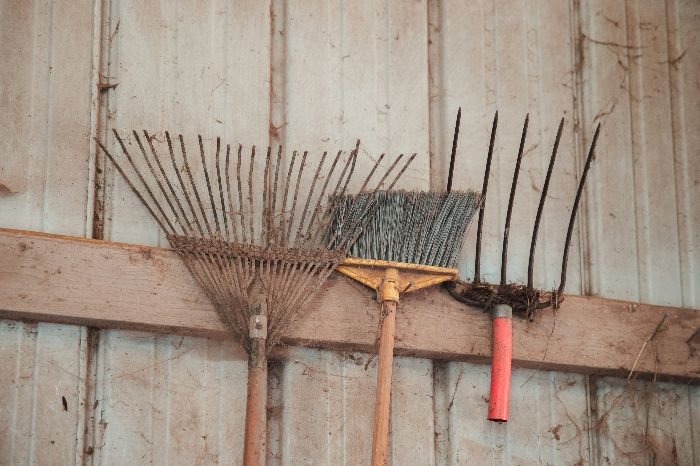
Types of garden rakes fall into two families: flexible heads for loose material on the surface, and rigid heads for soil, gravel, and heavier pulling. That split matters more than the name on the label. A rake that glides through dry maple leaves will chatter uselessly across compacted soil, and a rigid bow rake that levels a seedbed beautifully will tear turf if you use it like a leaf fan.
Most buying mistakes start there. Gardeners shop by width, color, or whatever is hanging nearest the shed door, then fight the job for an hour. A better test is simple: use a rake that gathers loose debris cleanly, combs turf lightly, or moves material that pushes back. If it cannot do one of those jobs well, the head is wrong for the surface.
Choose by the job: gathering loose debris, combing turf, or moving material that pushes back. Once that is clear, the right rake type gets much easier to spot and much harder to misuse.
If You Only Need The Short Answer
- Use a leaf rake for dry leaves and light surface debris in open areas
- Use a shrub or hand rake for tight beds, borders, and spaces under low plants
- Use a bow or garden rake for soil prep, leveling, and light gravel work
- Use a landscape or stone rake for heavier stone movement and rough grading
- Use a thatch rake only for real lawn buildup or small renovation patches
Key Takeaways:
- Match tine flex to the surface before you rake
- Use bow rakes for soil, not leaf piles
- Reserve thatch rakes for real lawn buildup
- Pick a full-size handle at least your height
- Clean soil and moisture off tines before storage
Table of Contents
Types Of Garden Rakes – Start With Flexible Vs Rigid Heads
Most confusion disappears once you sort rakes by how the tines behave under pressure. Flexible fan heads are built for material sitting on top of the ground – leaves, clipped stems, pine needles, light lawn debris. Rigid straight-head rakes are built for work that pushes back – leveling soil, dragging gravel, breaking surface crust, and pulling stones loose. Penn State Extension separates landscape rakes, stone rakes, and grading rakes by how much material each one should move in lawn establishment work.
The surface tells you what family of rake belongs there. Loose dry debris gives way and gathers. Soil resists and shifts in clods, crumbs, or ridges. Gravel rolls and clicks against the tines. Once you notice that difference, many wrong-tool decisions look obvious in hindsight.
| Job in front of you | Best rake type | Why it works | Wrong choice to avoid |
|---|---|---|---|
| Dry leaf cleanup on lawn | Leaf rake | Wide flexible fan gathers without digging | Bow rake |
| Light debris on uneven turf | Lawn or spring-tine rake | Metal tines flex over bumps and crowns | Landscape rake |
| Leaves under shrubs or fences | Shrub rake | Narrow head fits where full fans snag | Wide leaf rake |
| Leveling a bed after digging | Bow or garden rake | Rigid tines pull and smooth soil evenly | Plastic leaf rake |
| Stone removal and rough grading | Landscape or stone rake | Broader rigid head moves heavier material | Grading rake used as stone dragger |
| Pulling thatch from turf | Thatching rake | Aggressive teeth lift matted layer | Standard leaf rake |
If you are still undecided, listen to the first two strokes. A wrong leaf rake sounds scratchy and helpless on gravel. A wrong bow rake on turf snags and hops. The tool tells on itself very quickly.
Leaf, Lawn, And Shrub Rakes – Surface Cleanup Without Tearing Turf
Flexible rakes do their best work when the goal is collection, not force. A leaf rake, usually with a wide fan head and plastic, bamboo, or light metal tines, is made to sweep loose material into a pile quickly. It covers ground fast and keeps the movement light. That is why it feels right over dry leaves and wrong the moment the surface turns dense, wet, or sticky.
Leaf-rake material changes the feel in a few noticeable ways. Plastic heads are light and affordable. Bamboo feels gentle on dry leaves and delicate surfaces. Light metal fan heads hold shape better on uneven ground and repeated use. None of those versions turns a leaf rake into a soil or gravel tool, though they do change comfort and durability.
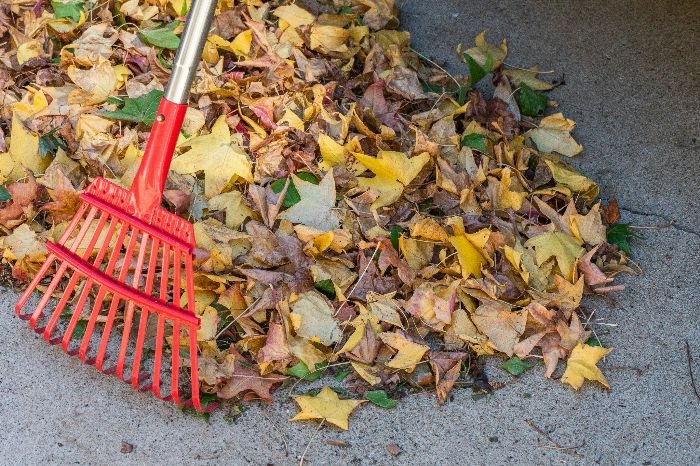
Lawn rakes – often called spring-tine rakes – look similar from a distance and behave differently. Their metal tines flex independently and keep contact with uneven turf better than a stiff plastic fan does. That makes them useful for light debris, matted clippings, and gentle combing on lumpy ground. Because lawn rakes and leaf rakes can look similar, lawn rakes vs. garden rakes comes down to tine flex, surface contact, and the material being moved. The feel in use matters more than the outline on the hook.
Shrub rakes are narrower for a reason. They are not smaller leaf rakes sold for novelty. They are built for spaces where a full-width fan keeps catching branch collars, edging, or fence posts. A narrow shrub rake pulls material from between hydrangeas, under boxwoods, and beside low deck rails without the constant stop-and-reset rhythm of a wide head.
Small hand rakes belong in this family too. They matter less for yard cleanup and more for containers, tiny beds, alpine plantings, and corners where a full-size handle is awkward. They are a precision add-on, not the main rake most gardens need first.
The main failure point in this group is wet weight. A broad plastic fan that feels effortless on a dry October lawn turns clumsy in soggy leaf mats. If the pile is heavy enough to drag your shoulders down every stroke, narrow the working width or switch tools. Wet leaf weight makes leaf rake technique almost as important as the rake itself during fall cleanup.
Bow, Garden, Landscape, And Grading Rakes – Which Job Each One Fits
Rigid-head rakes earn their keep once you move from collecting material to shaping it. The classic bow or garden rake has short stout steel tines set in a straight bar, often with a curved brace that gives the tool its name. Many stores use bow rake and garden rake as the same label. It is built to pull soil, break small clods, gather stones, and leave a bed flatter than you found it. The feedback is immediate. Properly dried soil crumbles and moves. Wet soil smears, clings, and rides up the tines in heavy ribbons.
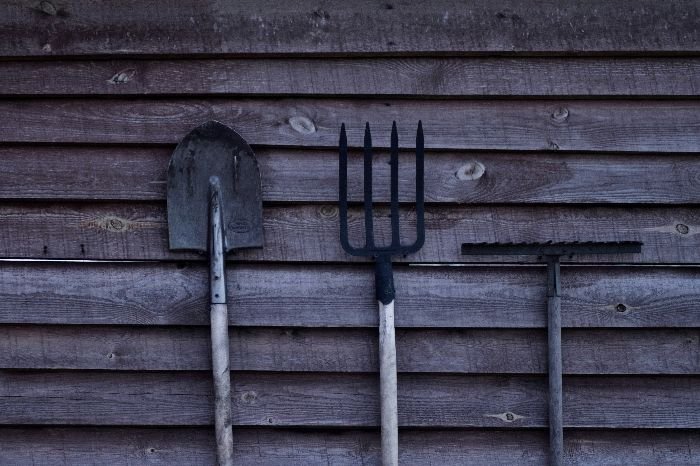
Penn State Extension’s lawn establishment guidance draws a useful line between related tools. Stones larger than 2 inches are removed with a stone rake or landscape rake; a grading rake is for moving small amounts of soil and smoothing the surface after the heavier work is done. That distinction matters because gardeners often ask one rake to do both jobs, then blame the tool for what is really a mismatch in head design.
| Rigid rake type | Best use | Skip it when |
|---|---|---|
| Bow or garden rake | Everyday bed prep, clod breaking, leveling soil, light stone cleanup | You need to move a lot of larger stone across a wide area |
| Landscape or stone rake | Pulling stones, rough grading, wider ground, heavier material | You are doing fine finish work around seedlings or edging |
| Grading rake | Final smoothing, surface refining, small amounts of soil | You are dragging piles of stone or packed soil |
Landscape rakes are wider and better for rougher cleanup over broader ground. Grading rakes are finer in purpose. A bow rake sits in the middle and remains the best all-around rigid rake for ordinary garden beds. If you are preparing a seedbed, the goal is not to pulverize the surface into flour. Penn State warns that excessive tilling can turn soil into powder and destroy structure; the same caution applies to overworking a bed with a rake after the digging is done. You want a fine crumb on top, not dust that crusts after the first watering.
Soil texture changes what “fine enough” means. Sandy ground levels quickly and sheds stones easily. Clay needs patience and better timing. If the rake pulls up shiny sticky slabs, stop and let the surface dry before you keep dragging. The same practical lesson applies to soil texture and structure in any bed preparation.
Thatching Rakes – When A Lawn Needs More Than Leaf Cleanup
A thatching rake is not just a tougher lawn rake. Its teeth are aggressive on purpose, and that matters because the job itself is aggressive. The tool is meant to pull through the layer of dead stems and runners sitting at the soil surface, not to gather leaves from a healthy lawn. University of Minnesota Extension notes that vigorous hand raking can work on small patches with little vegetation remaining. It is not practical for extreme thatch problems or large areas. Once the job grows beyond patch scale, the conversation shifts toward vertical mowers and rented power equipment.
The timing matters too. UMN’s fall lawn care guidance places dethatching and aerating between mid-August and the end of September for cool-season lawns. That timing lines up with recovery, not just removal. Pull too hard at the wrong time and the lawn spends more effort recovering from the tool than benefitting from it.
Most home gardeners do not need a thatch rake every season. They need one when the lawn has built a tight matted layer that blocks water and air movement, or when a small patch is being renovated for overseeding. If the rake is leaving long yellow scars through otherwise healthy grass, the tool may be doing more harm than good. UMN’s fall lawn care guidance is a useful benchmark for timing and recovery.
If dethatching is an occasional job, buying a dedicated rake is often unnecessary. A leaf or spring-tine lawn rake handles normal seasonal debris. For a rare full renovation, many gardeners are better served by rented power equipment or a one-off borrowed tool.
Use a thatch rake for a real buildup problem. Do not use it because the lawn looks sleepy after winter and you want to feel productive.
Choosing The Right Rake – Head Width, Tines, Handle, And Task
After the type is right, the details decide whether the work feels efficient or punishing. Penn State Extension’s 2025 piece “Using the Right Tool Is Self-Care” makes the point well: the wrong tool, or the wrong form of the right tool, leads to fatigue and injury much faster than most gardeners admit. That applies to rakes as much as hoes or shovels.
| Feature | Choose this when | What it changes in use |
|---|---|---|
| Narrow head | Working under shrubs, in beds, or near edging | More control, fewer snags, slower coverage |
| Wide head | Open lawns or broad leaf cleanup | Faster coverage, more drag in tight spaces |
| Flexible tines | Loose debris on turf or mulch | Skims and gathers without biting deeply |
| Short rigid tines | Soil, gravel, seedbeds, and stone removal | Bites, pulls, and levels under resistance |
Most home gardeners do not need six or seven rakes. Two tools cover the core jobs for many homes: one flexible rake for leaves and light debris, plus one rigid bow or garden rake for soil work. Add a shrub or hand rake if beds are tight. Add a thatch rake only if lawn renovation is a real recurring job.
Handle length is not minor. Penn State says full-size tools should generally be correct for your height, normally your height or greater, so you are not working hunched over. That one change affects the whole stroke. A short handle pushes your shoulders forward and shortens the pull. A long handle lets the head stay flatter to the surface and shifts more of the work into your legs and hips instead of your lower back.
Material changes the feel too. Penn State notes that wood handles still earn loyalty because they absorb shock well and stay comfortable in cold weather. Fiberglass is light and strong, though neglected surfaces can roughen over time. Metal handles last, though they carry more weight and less forgiveness in the hands. NIOSH makes the broader point in its non-powered hand tool guidance: a tool should match both the task and the user, not just the shelf label.
Pro Tip: Before you buy a full-size rake, stand it upright beside you and take three slow practice strokes in the aisle. If you hunch forward to keep the head flat, the handle is too short for you.
Common Rake Mistakes – How The Wrong Tool Slows The Job
Most rake mistakes are predictable. They happen when one head design is forced onto the wrong surface.
- Using a plastic leaf rake on wet leaves, gravel, or fresh mulch shifts too much weight onto tines built to flex.
- Dragging a bow rake across lawn turf tears crowns and leaves grooves that never should have been there.
- Using a grading rake for stone removal overloads a tool meant for finer smoothing.
- Working a thatch rake through healthy lawn every spring removes more live material than dead buildup.
- Choosing the widest head in the store for a narrow yard creates more snagging than speed.
I often notice that gardeners buy width because width looks like speed. In tight beds, side yards, and fenced runs, extra width usually means more snagging and more correction.
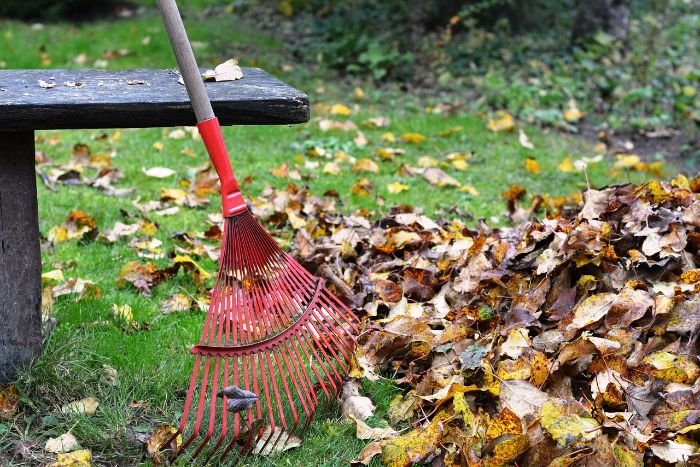
Gloves matter here too, not because raking is delicate work, but because repeated grip and occasional fiberglass roughness punish bare hands fast. Thorny twig piles, rose prunings mixed into leaves, and splintered handles are all better handled with proper gardening gloves than with bravado.
The better habit is to stop when the tool feels wrong, not after ten more minutes of forcing it. If the rake is hopping, bending, or packing with material it should not be carrying, you are learning something useful about the head in your hands.
Rake Care And Storage – Keep Tines Straight And Handles Dry
Rakes are simple tools, though neglect still ruins them in predictable ways: rust at the head, loose ferrules, cracked wood, bent tines, and caked soil left to harden between uses. University of Minnesota Extension advises cleaning tools before storing them for winter, before spring use if you skipped fall cleanup, and after working around infected plant material. That advice is not only for pruners. Soil and plant debris trapped between rake tines can carry moisture, rust, and disease problems into the next season.
The cleaning sequence is uncomplicated. UMN recommends removing visible soil and plant debris first, washing when needed, letting the tool dry fully, and oiling metal afterward. UMN’s guidance on cleaning and disinfecting gardening tools supports the same maintenance sequence for rake heads, tines, and handles.
Wood handles last longer when they are stored dry and occasionally rubbed with a light protective oil. Penn State notes that regular maintenance keeps wood from drying and cracking. Fiberglass should be checked for rough spots. Metal handles should be watched for cold-weather discomfort and fatigue if the tool already feels head-heavy.
Hang the rake if you can. Leaving it tine-down in damp soil warps the head, keeps the handle wet, and creates the exact repair job you were trying to postpone. A good rake should be ready to glide or bite cleanly the moment you pick it up. Storage is part of that readiness.
Conclusion
Most home gardeners need two or three rakes, not a shed full of them.
Flexible heads belong to cleanup. Rigid heads belong to soil and grading. Aggressive thatch rakes belong to real lawn renovation, not routine yard work. Once you sort the tool by surface and resistance, raking stops feeling like brute repetition and starts feeling controlled. The right head glides when it should glide, bites when it should bite, and leaves you with cleaner ground instead of a sore back and bent tines.
FAQs
What are the most useful rake types for a home garden?
The short list is smaller than most hardware walls suggest. Most home gardeners get the most use from three categories: a leaf or lawn rake for surface debris, a bow or garden rake for soil work, and a narrow shrub rake if the planting includes tight beds or low branches. A thatch rake is useful only if lawn buildup is part of the job. Landscape and grading rakes matter more once the area gets larger or rougher.
What rake should I buy first?
If you only buy one rake first, make it the one that matches the work you do most often. For gardens with beds, soil prep, and occasional leveling, a bow or garden rake is usually the better first buy. For properties dominated by lawn cleanup and fallen leaves, start with a leaf or lawn rake. Most gardeners eventually end up needing one flexible rake and one rigid rake.
How many rakes does a home gardener need?
Usually two or three, not a full rack of specialty heads. A flexible leaf or lawn rake covers surface cleanup. A bow or garden rake covers soil prep and leveling. A shrub or hand rake becomes useful when beds are tight or heavily planted. Thatch, landscape, and grading rakes make sense only when those jobs show up often enough to justify owning them.
What is the difference between a bow rake and a leaf rake?
A bow rake has short rigid steel tines in a straight bar and is built to move soil, gravel, and stones. A leaf rake has longer flexible tines in a fan shape and is built to gather loose debris without digging into the surface. Use the bow rake on a seedbed and it feels planted and deliberate. Use it on turf and it snags.
Can you use a garden rake on a lawn?
You can, though only for specific tasks and with restraint. A rigid garden rake works on bare patches, soil renovation, or places where you are reshaping the surface before seed goes down. It is the wrong choice for ordinary leaf cleanup or general combing over healthy turf. That is where spring-tine lawn rakes and leaf rakes do cleaner work.
What happens if you use a thatch rake too often?
Most gardeners assume more aggressive raking always helps the lawn breathe. It often strips live material and stresses turf that did not have a real thatch problem in the first place. University of Minnesota Extension limits vigorous hand raking to small patches and treats broader dethatching as a timed renovation task, not a casual cleanup habit. If the lawn looks shredded after you finish, the tool has already answered the question.
Which rake is best for leveling soil or smoothing gravel?
Penn State Extension separates this into two jobs for a reason. A bow or garden rake is the better all-around tool for leveling ordinary garden soil. A landscape or stone rake handles heavier rough grading and stone movement across wider ground. A grading rake comes in after that for smaller amounts of soil and finer smoothing.
Do metal or plastic rake heads last longer?
Metal lasts longer under force. Plastic lasts well when it stays in the lane it was designed for. Dry leaves, clipped stems, and light debris are fair work for a plastic fan. Wet leaf mats, gravel, and rough soil are not. Handle care matters too, because many “broken rake” complaints start at the handle or ferrule, not the head.