

Last Updated May 07, 2026
Wellness garden plants work best when they slow the eye, release scent at close range, tolerate regular picking, and fit the spot well enough to stay easy. A lavender clipped beside a bench, a pot of mint near the back door, and a patch of lamb’s ear along a path each create a different kind of calm.
A useful wellness planting plan should separate sensory value, light harvest, site fit, spread behavior, and safety. It should also distinguish reliable garden performers, spreaders, container-only herbs, and plants that serve touch, shade, or movement better than tea harvest.
A healing garden earns its name through repeat use. Fragrance, texture, color, light harvests, and a quieter layout can support repeatable outdoor routines and a more restorative garden experience. Plant selection still has to account for light, drainage, mature size, climate fit, and maintenance because sensory value cannot compensate for a poor site match.
Each wellness plant needs a clear role: calmer use, repeated contact, light harvest, scent, texture, or shade.
Key Takeaways:
- Choose wellness plants by role before color or folklore
- Keep scent, touch, and light harvest within easy reach
- Mix aromatic herbs with shade, texture, and structure plants
- Use garden herbs with the same caution as any supplement
- Repeat a small palette so the garden feels settled
Table of Contents
What Healing Plants Can Actually Do In A Wellness Garden
A wellness garden can support calm, routine, sensory ease, and small harvest rituals. It can give you leaves to crush between your fingers, herbs to dry for tea, soft plants to brush past, shade that cools a seat, and movement that keeps a border from feeling rigid.
A home wellness garden should stay focused on sensory contact, time outdoors, routine, gentle activity, and access to calming green space. Plant choice should then favor scent, touch, shade, harvest, movement, and visual rest that invite regular use.
The practical value comes from repeated contact, good site fit, reachable plants, and routines that invite short visits. Prioritize plants with good drainage fit, local hardiness, reachable scent, and regular-use value, especially when a well-known herb would bring weak hardiness, poor site fit, or high upkeep.

A healing garden also has limits. It can support relaxation and gentle daily routines. It does not diagnose, treat, or replace medical care. Herbal use is its own category, with its own safety questions.
Best Healing Plants By Wellness Goal
Wellness goals should shape the plant palette before herb reputation or flower color. Start with the experience you want to repeat.
| Wellness goal | Best plant direction | Strong examples | What the plants add | Main caution |
|---|---|---|---|---|
| Calming scent near a seat or path | Aromatic herbs and flowers that release scent with light contact | Lavender, thyme, rosemary, lemon balm | Fragrance, repeat clipping, dry stems for sachets or indoor use | Lavender and rosemary need drainage and winter strategy in colder regions |
| Tea and light harvest | Gentle herbs that respond well to repeat cutting | German chamomile, mint in containers, lemon balm | Daily picking, quick drying, easy routine value | Mint spreads fast in open soil, lemon balm can self-seed or wander, and chamomile is seasonal rather than permanent |
| Topical-use tradition | Plants commonly grown for salves, gel, or dried petals | Calendula, aloe vera in containers | Bright flowers, topical-use tradition, practical harvest | Aloe is tender and calendula performs best in cooler parts of the season |
| Touch and grounding | Soft, textured, or cool-feeling foliage | Lamb’s ear, sage, ferns, hakone grass | Tactile contact, slower pace, softer edges near paths | Soft foliage can rot in stagnant wet soil or burn in hard reflected heat |
| Movement and quiet sound | Grasses and airy foliage that shift in light wind | Little bluestem, switchgrass, hakone grass, compact conifers where mature size fits | Rustle, motion, winter presence, visual release | Tall grasses need room and hakone grass performs best out of hot dry sun |
| Cooling shade and visual rest | Broad or fine foliage plants in calmer greens | Ferns, hosta, heuchera, Japanese forest grass | Shade calm, softer light, lower visual pressure | Many shade plants fail when tree roots and dry soil are ignored |
I often notice that wellness gardens disappoint when every plant asks to be admired from a distance and almost none invite scent, touch, clipping, or a small daily harvest.
Healing Garden Plants That Carry Scent, Touch, And Daily Use
Lavender is still one of the best plants in this category because it combines scent, clipped structure, and drying value in one plant. Put it where the soil drains fast, the crown dries after rain, and the stems sit close enough to a path or seat that brushing past releases fragrance. In colder regions, a pot or sharply drained bed is a safer bet than a rich low spot.
German chamomile and calendula make a useful pair for gardeners who want an easy harvest habit without building the whole garden around woody herbs. Chamomile gives a short, soft annual drift and flowers for tea. Calendula gives longer color, practical petal harvest, and a stronger visual signal from spring into early summer or again in fall in many climates.
Lemon balm and peppermint are generous, forgiving plants, though they need boundaries. Lemon balm brings citrus scent and handles a little more shade than Mediterranean herbs. Peppermint is best treated as a container plant from day one. A wellness herb that takes over the border becomes maintenance noise.
Rosemary, thyme, and sage build the evergreen or semi-evergreen backbone in warmer climates and still work well as seasonal or overwintered container herbs elsewhere. They smell strongest when the leaves warm in sun, and they stay most useful when the bed is lean and open. Rich wet soil makes many aromatic herbs softer, floppier, and less satisfying.

Aloe vera fits best as a patio pot or bright-window plant moved outdoors for summer in much of the United States. It earns space through practical gel use and strong sculptural form. Use it as a movable container plant rather than planting it into cold mixed borders.
Plants like lamb’s ear, hakone grass, ferns, and little bluestem move the planting beyond medicinal herbs. They add tactile contact, visual softness, quiet movement, and a slower pace through the garden.
Choose The Right Wellness Plant Mix For Your Space
Site fit decides whether a healing plant stays useful. A patio pot, a path edge, a dry sunny seat, and a cool shaded nook do not need the same mix.
| Garden situation | Best wellness plant mix | Why it works | Main watchpoint |
|---|---|---|---|
| Sunny seat or bench border | Lavender, thyme, calendula, one compact grass | Scent, color, low clipping, and soft movement sit within reach | Drainage has to stay sharp around the herbs |
| Small patio or doorstep containers | Mint in its own pot, rosemary, aloe, chamomile, trailing thyme | High interaction value in very little space and easy seasonal movement | Pots dry faster and tender herbs need winter planning |
| Part-shade retreat | Ferns, hakone grass, lemon balm, heuchera | Cooling greens, touch, and softer texture work better than bright flower overload | Tree roots and dry shade can still starve the planting |
| Accessible raised herb bed | Chamomile, calendula, sage, lemon balm, chives | Frequent cutting and close access turn the bed into a daily-use space | Overcrowding raises humidity and weakens leaf quality |
| Dry low-maintenance strip | Lavender, thyme, santolina, little bluestem | Lean soil and sun keep the palette aromatic and restrained | Adding thirsty fillers ruins the whole rhythm |
Containers make special sense when the wellness garden has to live close to a doorway, patio chair, or apartment threshold. Container plant choices still depend on root room, drainage, and pot weight because those conditions decide whether herbs stay pleasant or become one more chore.
Shade retreats need a different filter. If your quiet corner sits under trees or beside a north wall, shade-loving plants for outdoor low light usually fit better than dry-sun aromatic herbs because low light, tree roots, and cooler soil change the plant palette.
Use Garden-Grown Wellness Herbs Safely
Herbal reputation does not make a plant safe for every person or every use. Pregnancy, medications, skin sensitivity, allergies, and dose all matter. If you plan to use any herb beyond scent, garnish, or light home tea, check herb safety profiles and cautions before treating it as a home remedy.
Correct identification, clean growing conditions, and household context matter as much as the plant name. Avoid using leaves or flowers from sprayed plants, roadside plants, unknown seedlings, or plants accessible to children and pets without checking safety first. Container placement is part of the safety plan when herbs, aloe, mint, or ornamental foliage invite touching, chewing, or harvesting.

Safety should shape placement as early as plant choice. A plant that invites casual harvesting should not be sprayed routinely with insecticides. A mint pot within pet reach needs a different safety decision than a mint pot clipped by an informed adult. Aloe gel use also requires a different level of caution than swallowing an unverified aloe product. The garden stays more useful when fragrance, harvest, and safety are thought through together.
Harvest timing improves the experience. Lemon balm and mint are best before hard flowering when the leaves are tender and aromatic. Chamomile flowers are clipped as they open and dried quickly. Calendula petals are easiest to gather when blooms are fresh and dry. Sage and thyme stay cleaner when light frequent cutting replaces a single harsh cutback.
Root-zone health matters here more than extra feeding. Soggy herbs lose aroma, rot at the crown, and give disappointing harvests even when the leaves still look green from a distance. If a herb bed stays cold, slick, or airless after rain, soil health improvement matters more than another fertilizer bottle.
Design A Wellness Garden That Feels Calm To Use
Plant placement shapes the emotional effect as much as plant choice does. The most interactive plants should sit near the path, the seat, or the door you actually use. If you have to cross the whole yard to touch the lavender or clip the lemon balm, the wellness logic weakens fast.

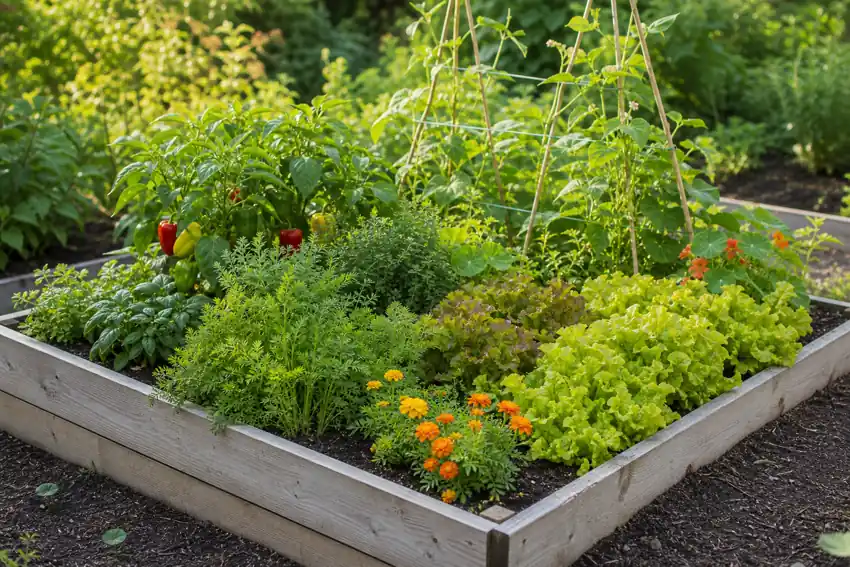
Restraint helps. Repeating three to five plants usually feels calmer than trialing fifteen. One aromatic herb, one harvest herb, one tactile plant, one foliage anchor, and one grass or airy mover often give a small home garden enough range without visual noise.
Color should support that slower pace. Silver foliage, blue-violet bloom, soft greens, pale creams, and muted pinks usually settle the border more easily than hot mixtures of red, orange, magenta, and chartreuse fighting for attention at once.
The garden also needs to support actual routines. A chair angled toward the planting, a clear path for short evening walks, and herbs close enough for a quick snip support daily restoration when the space invites short visits. Daily gardening routines for mindful relaxation work better when the plants, path, and seat already invite regular contact.
Pro Tip: Put the two plants you will actually touch or harvest most within arm’s reach of the seat or door. That small placement choice turns a good-looking garden into one that gets used.
Common Mistakes With Healing And Wellness Planting
Most wellness gardens fail for practical reasons tied to plant fit, access, and upkeep.
- They treat fragrance as the whole plan and ignore shade, texture, movement, and easy harvest.
- They put aggressive herbs such as mint straight into open ground and turn a calm-use bed into a maintenance problem.
- They choose plants with famous herbal reputations that do not match the local climate or winter pattern.
- They place the most useful plants too far from the seat, path, or doorway to become part of ordinary life.
- They overpack the bed with one of everything, which makes the space feel busier and less restful.
- They forget that cutback, division, and seasonal replanting still decide whether the garden keeps its shape year after year.
Seasonal rhythm turns a wellness garden from a spring idea into a lasting part of the property. Seasonal garden care should include light harvesting, deadheading, division, timely cleanup, spread control, and small regular passes that keep the planting calm and usable.
Conclusion
The best plants for a healing and wellness garden earn their place through scent, touch, shade, harvest, movement, ease, and site fit.
A small effective mix can carry the whole design: one calming scent plant, one harvest herb, one tactile plant, one quiet foliage anchor, and one plant that moves in wind. Build from that core, keep the garden close to actual daily use, and the space starts to support restoration in a way that feels real and usable.
FAQ
What are the best plants for a wellness garden?
Lavender, thyme, rosemary, German chamomile, lemon balm, calendula, aloe vera in containers, lamb’s ear, ferns, and a few grasses are strong starting points. The best mix depends on whether you want scent, tea harvest, touch, shade calm, or movement.
Are healing garden plants the same as medicinal herbs?
The categories overlap. Some wellness plants are herbs traditionally used for tea or topical preparations, while others are chosen for touch, shade, movement, or visual calm. A fern or lamb’s ear may support the restorative feel of the garden better than a stronger medicinal herb that does not fit the site.
Which wellness plants work best in shade?
Ferns, hakone grass, hosta, heuchera, and lemon balm are useful shade-side choices. They bring cooler foliage, softer texture, and a calmer visual field than many sun-loving aromatic herbs can provide in low light.
Which plants belong closest to a seat or path?
Place the plants you will actually smell, touch, or clip within easy reach. Lavender, thyme, lemon balm, chamomile in season, lamb’s ear, and compact container herbs all work well near a bench, entry, or narrow walk.
Can you build a wellness garden in containers?
Yes, and small patios often benefit from that format. Containers are especially good for mint, rosemary, aloe, chamomile, thyme, and seasonal herbs that need winter movement or tighter soil control.
Are wellness garden plants safe for pets and children?
Safety depends on the plant, household, and access point. Plants such as aloe, some herbs, and many ornamental foliage plants need household-specific checks before they are placed where pets or children can chew, touch, or harvest them. Keep unknown plants, sprayed plants, and topical-use herbs out of casual reach until identification, growing conditions, and household safety are clear.
How do I keep a wellness garden low maintenance?
Repeat a small plant palette, contain the spreaders, keep the herbs close to use points, and avoid forcing sun herbs into wet or shady beds. A lower-maintenance wellness garden depends more on fit and repetition than on buying tougher-sounding plants.