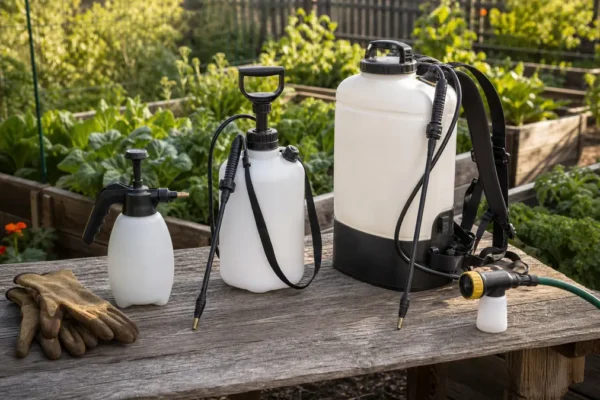



Choose the right garden sprayer by task, tank size, nozzle, pressure, safety needs, and cleanup before you buy the wrong tool.
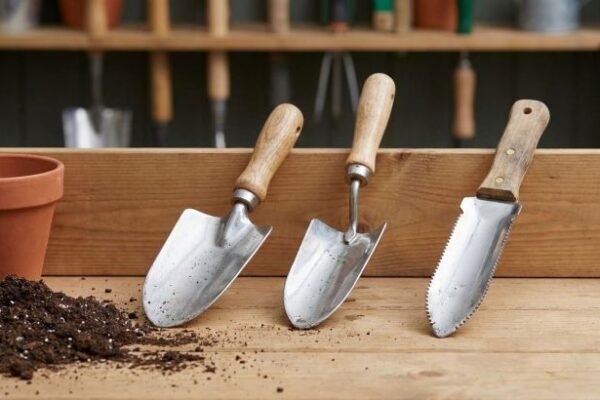
A garden trowel feels wrong fast when planting holes cave in, seedlings wobble, or digging takes more force than it should. Most problems come down to a simple mismatch between blade shape, soil condition, and how the tool gets handled day to day. Small slips add up – torn roots, wasted starts, sore wrists, and…
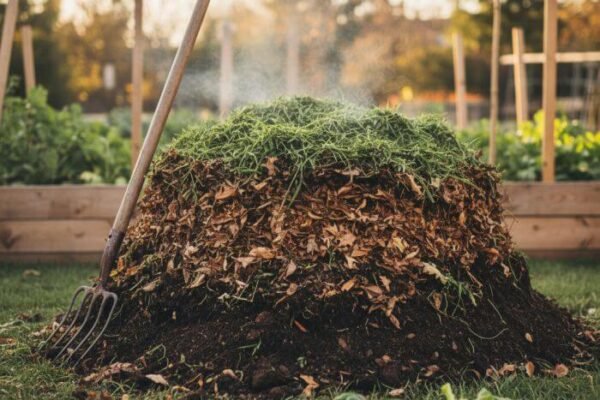
When a bin greets you with a sour lift of air or a cloud of tiny flies rising from fresh scraps, it feels like the whole system shifted overnight. Most composting problems begin quietly, hidden under a layer that still looks harmless. That moment when the scent sharpens or the surface turns slightly dull is…
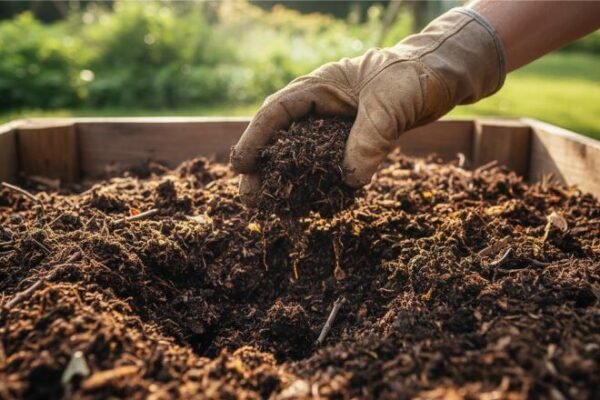
The best materials for composting decide whether your bin turns into dark, crumbly soil food or a cold, slimy heap you dread lifting the lid on. Many gardeners see the same scene each week – a flat pile of slick peels, clumped grass, and a center that never quite warms, even while beds are hungry…
Updated April 09, 2026 Most gardening gloves end up abandoned in a shed after a season. Not because the gardener stopped caring, but because the glove stopped cooperating – too stiff for seeding, too thin for pruning, too slippery for wet mornings. The mismatch is almost always the same: chosen for how they looked on…
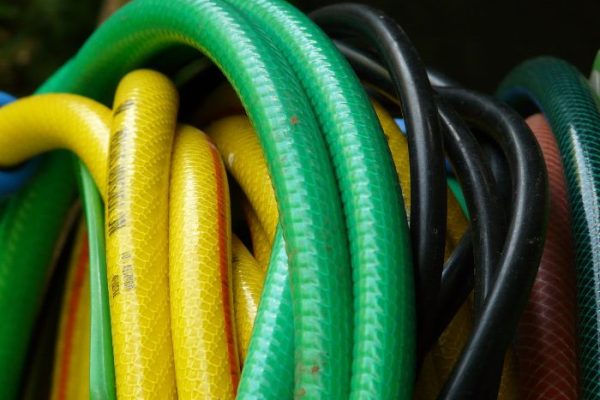
Last Updated April 29, 2026 How to choose a garden hose: match diameter, length, material, fittings, and hose type to the watering job you repeat most often. A hose that fills a stock tank quickly can feel clumsy beside patio herbs, and a feather-light coil hose that makes containers easy can starve a far sprinkler…
Updated April 23, 2026 Choosing the right compost bin starts with the material you actually generate, not the catalog photo or the promise printed on the box. A dual-chamber tumbler looks tidy until autumn leaves and tomato vines fill it in a week. A big open bin looks practical until a household with mostly kitchen…
Updated April 22, 2026 The first sentence any watering can buyer hears is “it depends on your garden” – which is technically true and practically useless. A 10-liter galvanized steel can looks authoritative on a garden center shelf, but filled to capacity it weighs close to 22 pounds, and a can you dread picking up…
Updated April 20, 2026 Choosing the right wheelbarrow comes down to three things most buying guides skip: what you carry, where you carry it, and how far. Most buyers settle on price first, then discover why the barrow fights them through every narrow path and every trip up a slope. The right one disappears into…
Updated April 17, 2026 The difference between a shovel that lasts 20 years and one that wobbles loose after two seasons often comes down to four inches of steel near the blade. Most gardeners never think about that joint – or any of the other five components – until something breaks or the digging gets…
Updated April 17, 2026 A garden trowel is the most-used hand tool in most gardens – and the most casually purchased. Pick the wrong blade profile and it fights your clay instead of cutting through it. Pick the wrong steel grade and the neck bends by the second season. Get the handle wrong and your…
Updated April 16, 2026 How to choose pruners comes down to one question most gardeners never think to ask: are you cutting live wood or dead? That answer drives everything – blade type, mechanism, and even how much you should spend. Get it wrong and you are not just dulling a blade faster; you are…
Updated April 16, 2026 Lawn rakes and garden rakes are not interchangeable – and most gardeners figure that out the frustrating way. Pull a bow rake through leaves and watch it dig into the turf instead of gathering. Try to level a freshly turned bed with a fan rake and the tines fold before moving…
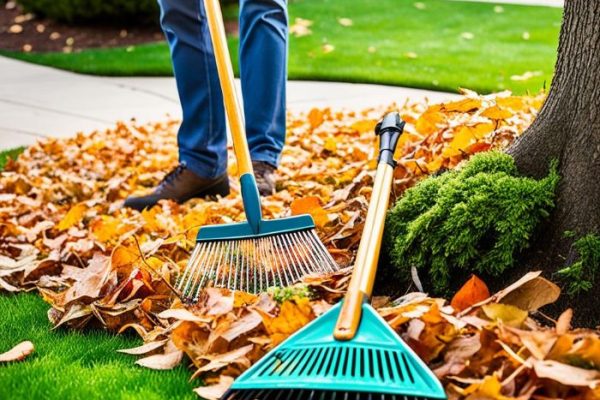
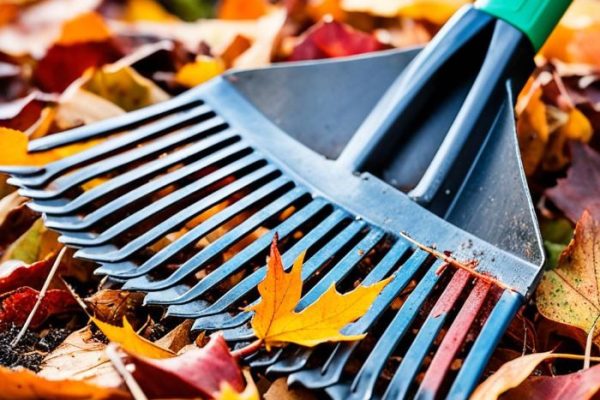
Updated April 13, 2026 Leaf rake choice decides whether fall cleanup feels light or exhausting. Wide plastic fans work best on dry open lawns, narrower metal heads handle heavier damp leaves, and shrub rakes earn their place where full-size heads keep snagging in beds, fence lines, and low branches. Most slow cleanup has the same…
Updated April 11, 2026 Types of garden rakes fall into two families: flexible heads for loose material on the surface, and rigid heads for soil, gravel, and heavier pulling. That split matters more than the name on the label. A rake that glides through dry maple leaves will chatter uselessly across compacted soil, and a…