
Last Updated June 07, 2026
A marigold at the end of a tomato row is decoration until it has a clear job. Flowers help vegetable gardens when they feed beneficial insects, attract pollinators, interrupt pest movement, mark bed edges, cover bare soil, or make the harvest area pleasant enough that the gardener checks it more often. A random handful of flowers can look cheerful and still miss the pest window, shade seedlings, or become an aphid nursery.
Companion planting flowers work through timing, flower shape, placement, and follow-through. Sweet alyssum along peppers has a different job from nasturtiums near cucumbers. Calendula in a cool-season bed works differently from cosmos at the edge of a squash patch. Tall sunflowers bring structure and pollinator value; they also cast shade and compete for water if placed in the wrong layer.
For a vegetable garden, a reliable flower plan starts with function. Use flowers to keep nectar and pollen available, draw pollinators near fruiting crops, support predators and parasitoids, and make the bed easier to observe. Flowers that provide nectar and pollen can support predators, parasitoids, and pollinators in diverse vegetable plantings, especially when the bloom sequence lasts through the pest season.
Key Takeaways
- Companion planting flowers help vegetable beds most when each flower has a role: pollinator food, beneficial insect support, trap cropping, bed edging, or visual structure.
- Small open flowers such as sweet alyssum, cilantro, dill, calendula, and buckwheat feed tiny predators and parasitoids that large double blooms may miss.
- Nasturtiums, mustard flowers, and other trap plants need scouting and removal before pests spread back to vegetables.
- Bloom timing matters as much as flower choice because beneficial insects need food before pest pressure peaks.
- Low flowers fit bed edges and under trellises; tall flowers belong where they cast shade away from vegetables.
- Flowers add color and potager-style beauty, and the layout still needs airflow, harvest access, and crop spacing.
Table of Contents
Start With The Flower’s Job In The Vegetable Bed
A companion flower should answer one practical question: what condition will this flower change for the crop? The answer may be insect food, scent, pest distraction, color, ground cover, or a path marker. If the answer is only that the flower is listed on a chart, the bed design is still unfinished.
Flower jobs also prevent overcrowding. Low flowers can fill a tomato bed edge. Tall flowers may need the north side of the bed. Sprawling trap crops belong in corners where they can be cut away quickly. Flowers meant to feed tiny insects need open accessible blooms with pollen and nectar within reach.
| Flower Job | What It Changes | Good Flower Choices | Placement Rule |
|---|---|---|---|
| Pollinator draw | Brings bees, flies, butterflies, and other flower visitors near fruiting crops | Borage, zinnia, cosmos, calendula, sunflower, single marigold | Place near cucumbers, squash, melons, beans, peppers, and tomatoes and keep access open |
| Beneficial insect food | Feeds adult hoverflies, lacewings, lady beetles, and parasitoid wasps | Sweet alyssum, dill, cilantro, buckwheat, yarrow, calendula | Use small open flowers near pest-prone crops and keep bloom staggered |
| Trap crop | Concentrates pests on a visible plant that can be trimmed or removed | Nasturtium, mustard, radish flowers, calendula in some gardens | Put in corners or edges where pest-heavy growth can be removed fast |
| Edge marker | Defines paths, keeps feet out of beds, and makes rows easier to inspect | Sweet alyssum, calendula, dwarf marigold, violas, compact nasturtium | Keep low plants within reach of the path |
| Ornamental structure | Adds height, color rhythm, and potager-style order | Cosmos, zinnia, sunflower, amaranth, borage | Place tall flowers on the north or west edge where shade has less crop impact |
Companion planting basics still depend on crop fit. A flower earns space only when it fits the crop’s light, water, spacing, pest pressure, and harvest timing.
Choose Flowers By Insect Role, Bloom Shape, And Bed Fit
The flower list for a vegetable garden should include several shapes. Tiny clustered blooms feed small beneficial insects. Open daisy-like flowers feed many bees and flies. Larger flowers add color and draw attention to the bed, which often improves scouting because the gardener spends more time there.
Double flowers can look impressive and offer less insect value when petals hide pollen and nectar. Single-flowered forms usually serve companion planting better. Many vegetable beds also benefit from letting herbs flower. Cilantro, dill, parsley, basil, chives, and fennel produce blooms that insects use readily. Keep fennel outside the main vegetable bed because mature plants can interfere with neighboring crops and take more space than seedling tags suggest.
| Flower | Main Companion Role | Vegetables That Benefit Nearby | Management Note |
|---|---|---|---|
| Sweet alyssum | Low nectar source for hoverflies and small beneficial insects | Peppers, tomatoes, lettuce, kale, broccoli, cabbage | Shear lightly if it mats over seedling space |
| Calendula | Cool-season bloom, beneficial insect food, edible petals | Leafy greens, peas, carrots, brassicas, tomatoes | Deadhead for longer bloom or allow some seed for next season |
| Marigold | Aromatic diversity, pollinator visits, possible nematode role in larger plantings | Tomatoes, peppers, eggplant, squash, beans | Use as one tool and keep pest scouting on the schedule |
| Nasturtium | Trap plant and sprawling edible flower | Cucumbers, squash, beans, brassicas, peppers | Remove aphid-heavy vines before colonies move |
| Borage | Bee magnet, edible blue flowers, rough-textured diversity | Tomatoes, squash, cucumbers, strawberries, beans | Give it space; mature plants can get wide and self-sow |
| Zinnia | Long-season color and pollinator traffic | Squash, cucumbers, beans, tomatoes, peppers | Choose single or semi-double forms for easier insect access |
| Buckwheat | Fast insectary strip and short cover crop | Brassicas, cucurbits, beans, fall vegetables | Cut before seed drop if volunteers would be a problem |
| Dill or cilantro flowers | Tiny accessible blooms for parasitoid wasps and hoverflies | Brassicas, carrots, tomatoes, peppers | Let a few plants bolt in planned pockets |

Pair Flowers With Vegetables By Crop Need
Vegetable crops need different flower neighbors. Squash and cucumbers need pollinator traffic and room for vines. Brassicas need caterpillar scouting, aphid checks, and small beneficial insects. Peppers often benefit from low flowers at the edge because pepper plants stay open enough for nearby bloom to work. Tomatoes need airflow first, then flowers placed where humidity clears around stems.
Strong flower pairings combine crop need, flower height, bloom timing, and maintenance access.
| Vegetable Crop | Useful Flower Partners | Why The Pairing Works | Spacing And Care |
|---|---|---|---|
| Tomatoes | Calendula, sweet alyssum, basil flowers, marigold, borage nearby | Supports beneficial insects and adds mixed plant cues around the tomato row | Keep flowers at edges or open pockets so tomato foliage dries quickly |
| Peppers | Sweet alyssum, calendula, dwarf marigold, cilantro flowers | Low flowers fit pepper beds and attract small insects near aphid-prone growth | Leave enough space for picking and airflow around lower stems |
| Cabbage, kale, broccoli | Sweet alyssum, calendula, dill, cilantro, nasturtium at the edge | Feeds small beneficials and creates a visible trap area for aphids | Keep trap plants outside the main brassica canopy for easy removal |
| Cucumbers and squash | Nasturtium, borage, zinnia, cosmos, sunflower at a distance | Increases flower traffic around crops that depend on pollination | Place tall flowers beyond the vine spread and avoid shading young plants |
| Beans and peas | Calendula, alyssum, borage, violas, chive flowers | Adds color and pollinator movement with light competition | Use low flowers near bush beans; keep climbers clear of trellis bases |
| Leafy greens | Calendula, alyssum, violas, nasturtium, dill flowers nearby | Flowers define bed edges and support insects around aphid-prone greens | Choose compact flowers so greens keep light during cool weather |
Pest-specific layouts need a separate scouting rule after the flowers are placed. Companion planting for pest control helps decide what to scout, trap, remove, or protect with row cover.

Build A Bloom Sequence Through The Growing Season
Flower timing is the most common weak point in companion planting with flowers. Beneficial insects need food before a pest outbreak becomes obvious. Pollinators need bloom near cucurbits during the weeks when squash, cucumber, and melon flowers open. A single wave of flowers in July leaves early brassicas, spring greens, and late peppers with gaps.
Design the bed so something useful is blooming in early spring, late spring, midsummer, and early fall. A strong bloom sequence keeps insect food available beyond a one-week display.
| Season Window | Flower Choices | Vegetable Garden Use | Maintenance Move |
|---|---|---|---|
| Early spring | Violas, calendula, overwintered parsley or cilantro flowers, early alyssum | Feeds early insects near peas, greens, and brassicas | Remove tired plants as heat arrives and summer crops need space |
| Late spring | Alyssum, calendula, chives, bolting cilantro, early borage | Supports aphid predators and pollinators during transplant establishment | Shear low flowers lightly to prevent matting |
| Midsummer | Zinnia, cosmos, borage, marigold, nasturtium, basil flowers | Feeds pollinators near cucurbits, beans, tomatoes, and peppers | Deadhead for bloom; pull trap plants carrying heavy pest colonies |
| Late summer to fall | Buckwheat, calendula, alyssum, dill flowers, late zinnia, cosmos | Supports predators around fall brassicas and late peppers | Cut buckwheat before seed and keep paths clear |
Annual flowers give fast response. Perennial flowers build a more permanent insectary layer near the vegetable garden. The choice between them depends on rotation, bed layout, and how much the vegetable plan changes each year. Annual and perennial companion plants need separate jobs because annual vegetables rotate and perennial roots stay in place.

Place Flowers Where They Help And Keep Crops Open
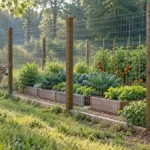
Good flower placement follows plant height. Low flowers belong at bed edges, under trellises, and beside paths. Medium flowers fit corners and open pockets. Tall flowers belong behind vegetables or outside the bed where their shade falls away from the main crop. Sprawling flowers need their own corner or container.
Spacing is part of pest control. Dense flowers can hide aphids, keep leaves damp, and block the gardener’s hand from reaching the crop. Edge flowers work well because the gardener can inspect them during watering or harvest. Trap flowers work best when they are easy to remove in one cut.
| Placement Zone | Flower Types | Good Uses | Risk To Manage |
|---|---|---|---|
| Bed edge | Alyssum, calendula, dwarf marigold, violas, chives | Path definition, insect food, easy scouting | Plants can flop into paths or cover small seedlings |
| Bed corner | Nasturtium, borage, calendula, compact zinnia | Trap crop, color anchor, harvest marker | Sprawling plants can take more space than planned |
| Trellis base | Alyssum, calendula, chives, low nasturtium | Low bloom near cucumbers, beans, peas, and tomatoes | Keep stems away from irrigation lines and trellis ties |
| North or west border | Sunflower, cosmos, tall zinnia, amaranth | Height, color, pollinator draw, seasonal backdrop | Shade and root competition can slow vegetables nearby |
| Nearby insectary strip | Buckwheat, yarrow, cosmos, native perennials, herbs in bloom | Longer bloom near food beds with less crowding | Needs mowing, cutting, or edging to keep access open |
Companion planting mistakes often begin with crowding. If flowers make it harder to water, harvest, prune, or inspect the vegetables, the layout has lost its main advantage.
Use Flowers For Beauty And Food-Garden Function
Flowers make vegetable gardens more inviting. That matters because a beautiful bed gets visited. More visits mean more chances to spot aphids, caterpillar eggs, wilting seedlings, dry soil, ripe cucumbers, and split tomatoes. A flower border can give a food bed potager-style order, color, and purpose.
Aesthetic companion planting works best with repetition. Repeat one low flower along the path. Place one taller flower group at the back. Use calendula or marigold color in several corners. Keep the palette simple enough that vegetables still read as the main crop. The garden can be ornamental and productive at the same time.
| Design Goal | Flower Choice | Food-Garden Benefit | Design Tip |
|---|---|---|---|
| Clean path edge | Sweet alyssum, dwarf calendula, compact marigold | Easy inspection and pollinator movement along the bed | Repeat the same flower every 12 to 18 inches |
| Color among greens | Calendula, violas, nasturtium, chive flowers | Brightens lettuce, kale, and herb beds during cool seasons | Use edible flowers where harvest baskets pass often |
| Vertical accent | Sunflower, cosmos, zinnia, borage | Draws pollinators and gives structure to flat vegetable beds | Keep tall groups away from short sun-loving vegetables |
| Cottage-garden abundance | Cosmos, zinnia, borage, calendula, nasturtium | Creates a mixed habitat with bloom through summer | Leave harvest lanes open so the abundance stays manageable |
Watch For Flower Problems Before They Spread
Companion flowers can create problems when they are ignored. Nasturtiums can carry aphids. Borage can self-sow. Sunflowers can shade peppers. Cosmos can lean across paths. Marigolds can be overused as a cure-all. Sweet alyssum can mat over seedlings in rich moist soil. Inspect flowers as working plants before treating them as decoration.
Use a weekly flower check. Look for sticky aphid residue, curled leaves, mildew, pest eggs, flopped stems, blocked airflow, and flowers that have stopped blooming. Trim, deadhead, thin, or remove plants before they become harder to manage than the pests they were meant to help with.
| Problem Signal | Likely Cause | Action |
|---|---|---|
| Aphids crowding nasturtium tips | Trap plant is doing its job and pest numbers are rising | Pinch tips, bag heavily infested vines, or remove the plant |
| Tomato foliage stays damp near flowers | Flowers or herbs are crowding the lower canopy | Thin flowers, prune tomato lower leaves, and restore airflow |
| Cucumbers have flowers and few fruit | Pollinator visits, weather, male/female flower timing, or stress may be limiting set | Add nearby bloom, avoid pesticides during bloom, and water evenly |
| Seedlings leaning away from flower clumps | Shade or root competition | Move tall flowers to the border and open space around seedlings |
| Lots of flowers and little vegetable growth | Bed is serving display more than crop production | Reduce flower density and give vegetables stronger light and root space |
Flower records help refine the plan. Note first bloom date, first pest sighting, pollinator activity, flowers removed, and crop response. Companion planting science becomes more useful when garden records show which flower placements changed insect activity, pest pressure, or harvest access.
Conclusion
Companion planting flowers can make a vegetable garden more productive, easier to inspect, and more beautiful. Results improve when each flower has a job: feeding beneficial insects, drawing pollinators, trapping pests, marking edges, or adding structure and leaving crop space intact.
Build the flower layer around bloom timing, flower shape, height, and access. Keep small open flowers near pest-prone crops, place tall blooms where shade has little crop impact, and treat trap flowers as plants that need action. When flowers are planned this way, they become working parts of the food garden around the vegetables.
FAQ
Which flowers are good companion plants for vegetable gardens?
Sweet alyssum, calendula, marigold, nasturtium, borage, zinnia, cosmos, buckwheat, dill flowers, cilantro flowers, chives, and yarrow can all help vegetable beds. Choose flowers by role, bloom timing, height, and access for scouting.
Do marigolds really protect vegetables?
Marigolds add diversity, color, insect activity, and aromatic foliage. Some marigold-nematode benefits depend on species, planting density, duration, and how the bed is managed. A few marigolds around a bed work as one support layer within a wider pest plan.
Are nasturtiums companion flowers or trap crops?
Nasturtiums can be both. They add edible flowers and can draw aphids or other pests into a visible spot. They need close inspection. Remove pest-heavy tips or whole vines before insects spread to nearby vegetables.
Where should flowers go in a vegetable garden?
Low flowers fit bed edges, path sides, corners, and trellis bases. Tall flowers belong on the north or west side in many gardens so their shade falls away from vegetables. Trap flowers should sit where they can be removed quickly.
Can too many flowers hurt vegetable production?
Yes. Too many flowers can shade vegetables, compete for water, block airflow, hide pests, and make harvest harder. Keep flowers in clear roles, leave harvest lanes open, and thin any plant that crowds the crop canopy.
How many companion flowers should I plant in a raised bed?
In a 4 by 8 foot raised bed, start with low flowers along two edges, one or two corner flowers, and one small insectary pocket. Expand only after the vegetables still have good light, airflow, root space, and harvest access.