



Last Updated May 11, 2026
Sustainable soil management means losing less soil, water, carbon, and fertility from one season to the next and keeping beds productive. A bed that stays covered, roots deeper, drains more evenly, and needs fewer rescue inputs is moving in the right direction.
That shift matters for long-term productivity. Some gardens keep producing only because the gardener keeps forcing recovery with tilling, fresh compost, extra fertilizer, and more water. A sustainable system asks the soil to carry more of its own load by protecting structure, cycling residues back into the bed, and keeping roots active for more of the year.
Broader soil health improvement still includes testing, fertility balance, structure, biology, and long-term maintenance. Sustainable soil management focuses on the repeatable soil habits that keep a garden productive, stable after rain, and less dependent on repeated reset work.
Key Takeaways
- Keep soil covered so heat, splash, and erosion do less damage
- Keep living roots in place longer to feed the soil food web
- Return compost and residues in forms the bed can actually use
- Reduce tillage and keep feet out of growing beds
- Rotate crops and manage water flow so one problem does not keep repeating
Table of Contents
Sustainable Soil Management Keeps More On Site
The practical definition is physical. More cover stays on the bed. More roots stay in the profile. More water infiltrates before it can run off. More organic matter is cycled back into the same soil that produced the crop in the first place. Sustainability in soil management starts to look practical once those losses are measured honestly.
A sustainable garden soil system develops through habits that work together. Keeping living roots in the soil, minimizing disturbance, maximizing soil cover, and increasing plant diversity gives the soil food web a much better operating environment. In home gardens, that shows up as fewer crusted surfaces, less splash onto leaves, better infiltration after storms, and crops that recover faster from weather swings.
Environmental stewardship fits the same pattern. When soil stays in the bed, runoff carries away less sediment and fewer dissolved nutrients. When beds stay rooted and covered, fewer bare stretches are exposed to heat, wind, and hard rain. That is the garden version of sustainability, and it is much easier to manage than abstract promises about being green.
Core Sustainable Soil Management Practices For Garden Soil
| Practice | What it protects | Where it pays off most | Main mistake |
|---|---|---|---|
| Surface mulch or residue cover | Topsoil, moisture, and temperature balance | Bare summer beds, winter fallow periods, wide crop spacing | Burying crowns or smothering direct-seeded rows |
| Cover crops and living roots | Aggregation, nutrient cycling, and microbial activity | Between vegetable crops and in recovering beds | Leaving the soil bare for long idle stretches |
| Compost and residue return | Organic matter and long-term fertility cycling | Beds that export harvest and cleanup material every season | Treating compost as a cure for drainage or compaction |
| Soil testing and observation | pH, nutrient balance, organic matter trend, and repeated failure patterns | Beds receiving regular compost, fertilizer, or inconsistent crop performance | Adding inputs before knowing whether the problem is chemical, physical, or water-related |
| Reduced tillage and shallow cultivation | Pore space, aggregates, and fungal channels | Beds that already show improving structure | Rototilling every season or digging wet soil |
| Permanent beds and walking paths | Root zone air space and infiltration | Raised beds, small urban gardens, intensive food plots | Stepping into the bed after rain or irrigation |
| Crop rotation and plant diversity | Disease pressure, nutrient balance, and root diversity | Annual vegetable gardens and mixed edible beds | Repeating the same crop family in the same place |
| Runoff and drainage management | Nutrients, fine particles, and stable moisture | Slopes, downspout edges, compacted low spots | Adding more fertility before fixing water movement |
You do not need every practice at the same intensity on day one. The best first move depends on the loss that is already costing the bed the most. A compacted wet bed, a bare baking bed, and a nutrient-leaky sandy bed all need different first corrections.
Keep Soil Covered And Rooted For More Of The Year
Bare soil is expensive. Rain hits harder. Surface temperature swings wider. Moisture leaves faster. Weed seeds get clean open space. A thin protective layer from mulching for soil health changes that surface immediately, and roots keep the benefit moving deeper.
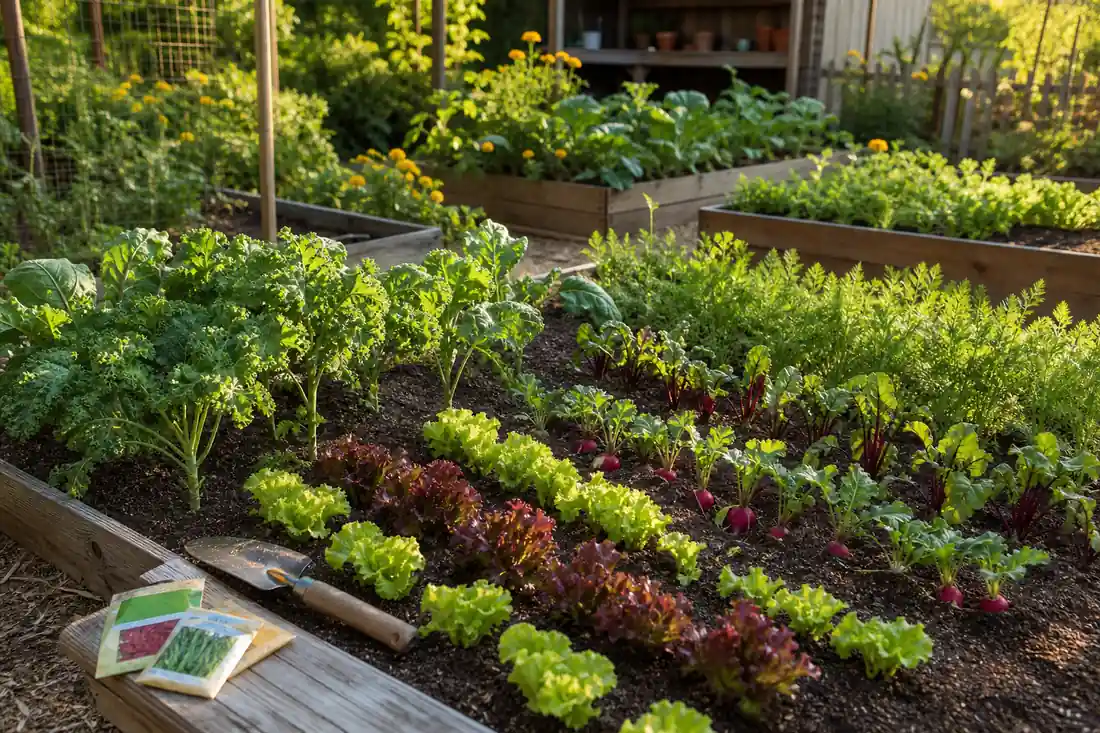
That is why cover crops for soil health matter so much in sustainable systems. Their job is not only green growth between harvests. They feed microbes, hold fine particles in place, leave root channels behind, and keep nutrients from sitting exposed in a vacant bed. Soil microbes in healthy soil depend on roots feeding the rhizosphere, and the rhizosphere helps the bed cycle nutrients back to plants.
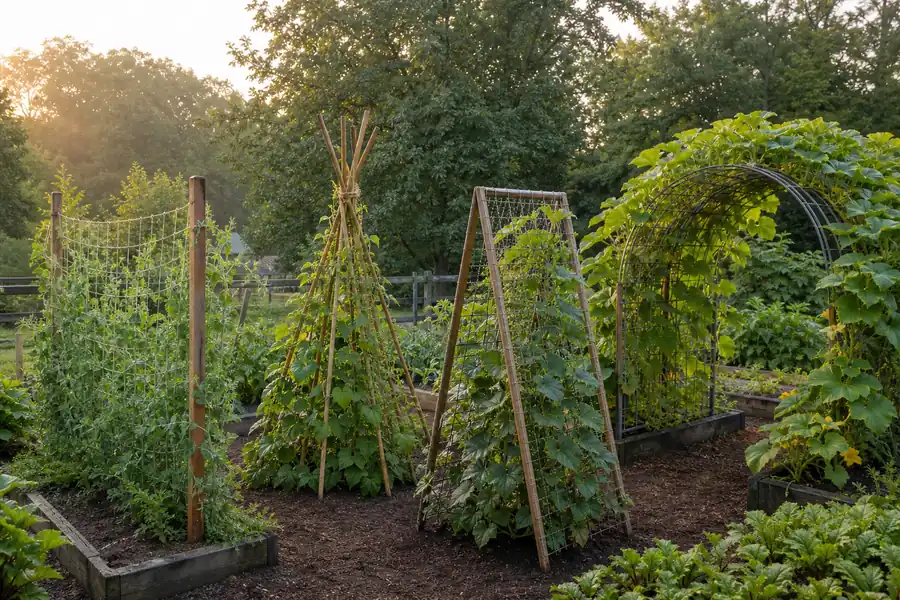
A garden row does not need to stay fully occupied every day of the year. It does need shorter bare windows. Spring peas can hand off to beans, then to a fall cover. Tomatoes can finish with a mulch layer still intact under the canopy. Empty garlic space can move straight into a fast cover crop or a late planting instead of sitting open until frost.
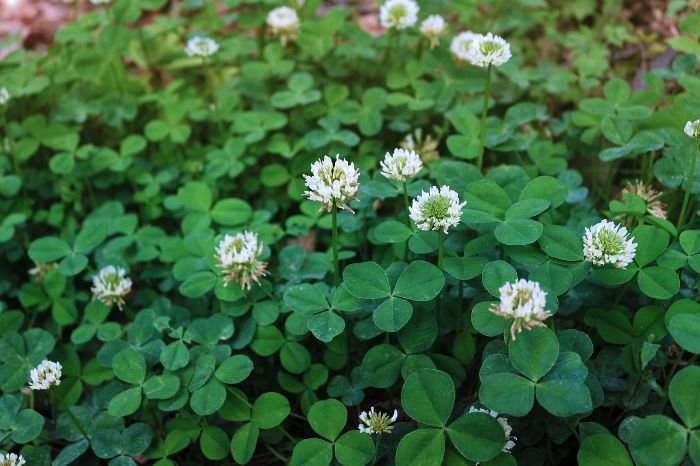
Mulch or cover crops protect topsoil from erosion and add organic matter as they decompose. That is one of the easiest sustainable gains a home garden can make, especially in beds that crust after rain or dry hard in summer wind.
Return Organic Matter In Ways The Bed Can Hold
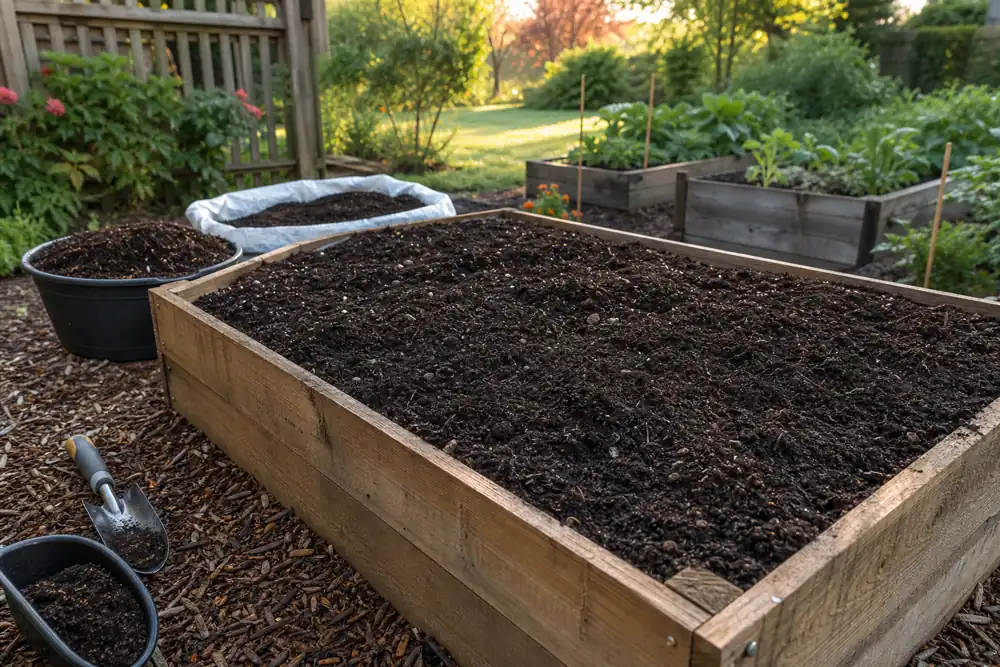
Sustainable soil management does not mean dumping more material into the ground every season. It means returning carbon and nutrients in forms that fit the bed’s actual deficit. Finished compost helps most when soil needs biological food, better crumb structure, and gentle nutrient release near active roots. Shredded leaves or crop residues help most when the surface is exposed and the bed loses moisture fast.
Amending soil with organic matter works best when the material matches the job it does best. Fine finished compost belongs where roots or seeds need close contact soon. Coarser residues belong near the surface, where they break down slowly and protect the bed first.
Closing the loop matters too. Garden waste that moves through composting at home returns fertility to the same system that produced it. That cuts down on exported biomass and reduces the annual urge to buy replacement inputs for problems the garden already knows how to solve.

Overuse has its own cost. A bed that is already dark, loose, and high in organic matter can move from healthy to overfed if thick compost layers keep arriving by habit. Excess nutrients can move out of the root zone in rain or irrigation, and overly rich growth can leave crops softer and less balanced. Sustainable management includes restraint when the soil is already holding up its side of the work.
Measure Soil Health Before Adding More Inputs
Sustainable soil management needs feedback, not habit. Soil tests provide a snapshot of nutrient levels and help guide fertilizer, compost, manure, and pH decisions. That matters most in gardens already receiving regular amendments, because visible plant stress can come from shortage, excess, poor pH fit, runoff, or compaction.
Observation still matters. Crusting after rain, weak aggregation, shallow roots, standing water, and fast summer drying point to physical or water-management problems that a fertilizer bag will not solve. A soil test and a field read answer different questions, and sustainable management works best when both are used together.
If nutrients are already high, shift attention toward cover, living roots, crop rotation, calmer water movement, and compaction control. If organic matter is low and the bed dries fast, moderate compost, residue return, and longer root occupancy make more sense. If pH is off, correct that before assuming compost alone will restore plant performance.
Disturb Less And Protect The Pores You Already Built
Structure takes time to build. It breaks fast. One pass of aggressive tillage can shatter aggregates, cut fungal strands, and expose organic matter to faster loss. Intensive tillage disrupts soil structure and increases compaction and erosion over time, which is why sustainable beds move toward shallower cultivation once the initial reset work is done.
That does not mean every compacted bed should stay untouched forever. A severely hard bed can need one corrective loosening in a dry window so roots and air can re-enter the profile. After that, lower disturbance, consistent cover, and living roots should take over. Improving soil structure depends on protecting pore space, aggregates, root channels, and biological recovery after the initial reset.
Traffic control matters just as much as tillage. Designated walking paths through planting beds reduce compaction around roots. In small gardens that usually means raised beds, narrow reach-in beds, or permanent path lanes that take the pressure so the crop zone does not have to. A four-foot bed that is never stepped in often improves faster than a wider bed that gets crossed every weekend.
Wet soil needs even more care. If the surface is sticky, glossy, or easy to smear into a ribbon, save the cultivation for another day. Sustainable management protects pore space first, because air and water movement are harder to rebuild than a missed day of cleanup.
Manage Water So Nutrients Stay In The Root Zone
A sustainable soil plan shows itself after rain. Water should enter the bed, spread through the root zone, and move downward at a workable pace. If it races off the surface, strips mulch aside, or sits sour in the same low corner, the bed is still losing more than it should.
This is where stewardship becomes visible. Runoff carries away fine particles, soluble nutrients, and the thinnest organic matter fraction first. That is money and soil life leaving the system together. Mulch, roots, stable structure, and calmer water entry all help hold that material in place.
The fix starts with pattern reading. A bed that sheds water from a capped surface needs cover, gentler watering, and more aggregation. A bed that ponds because of a low outlet or compacted layer needs drainage correction, not another fertilizer feed. A downspout that dumps into one edge of the garden needs rerouting or a calmer spread area before that bed will behave like a sustainable one.
Sandy soil has the opposite leak. Water and nutrients can move through it so quickly that crops stay hungry even after feeding. In that case the sustainable answer is usually moderate compost, longer root occupancy, surface cover, and smaller repeated nutrient applications, not a larger one-time dump.
Rotation And Diversity Spread The Work Across More Plants
The same crop family in the same bed tends to pull on the same nutrient lanes and invite the same disease or pest cycles. Sustainable soil management breaks that repetition. Different crops root at different depths, leave different residues, and feed different parts of the soil food web.
Crop rotation principles reduce repetition by moving crop families, rooting patterns, and residue chemistry through the bed across the season or across years. Nightshades do not need the same square every year. Brassicas do not need to follow brassicas.
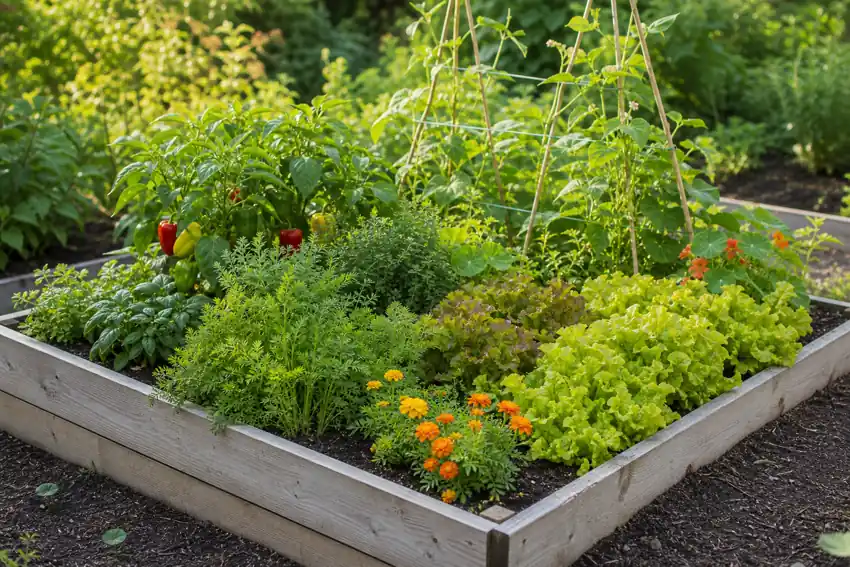
Diverse crop rotations reduce pests and diseases tied to one plant family, and they also widen the biological diet below ground. Even in a small garden, moving a crop family to another bed, another half bed, or a large container can lower repeat pressure enough to matter.
Diversity also protects productivity during rough years. One root pattern may struggle in a hot dry spell. Another may cope well. One residue breaks down fast. Another lasts. A mixed system gives the soil more than one path to stay functional when the weather turns awkward.
Start With The Soil Loss That Keeps Returning
| Recurring soil pattern | Best sustainable first move | Use carefully | Avoid first |
|---|---|---|---|
| The surface bakes, crusts, and flushes weeds after every rain | Add cover fast with mulch, residues, or a shoulder-season cover crop | Light compost topdressing | Leaving the bed bare between plantings |
| The bed stays hard and roots stay shallow | Create permanent paths and loosen once in a dry window if needed | One compost incorporation during the reset | Repeated tilling after rain or irrigation |
| Nutrients and moisture disappear quickly from light soil | Build holding power with moderate compost, longer roots, and surface cover | Smaller split fertility applications | Large fertilizer dumps into bare ground |
| Water runs off or puddles in the same place after storms | Fix the flow path or drainage pattern before adding more inputs | Small basins only where infiltration is real | Feeding a bed that still sheds or traps water badly |
| The same crop family loses vigor in the same bed each year | Rotate families and fit a cover crop or residue-return window into the plan | Targeted compost based on crop need | Planting the same family there again next season |
A sustainable soil plan often starts smaller than people expect. One gardener starts by keeping feet out of the beds. Another starts by ending the bare gap between summer cleanup and fall rain. Another fixes the downspout that has been stripping one corner for years. Each correction is sustainable because it stops a repeated soil, water, nutrient, or structure loss.
If the soil problem keeps returning, name the loss before buying another input. Is the garden losing cover, pore space, water, residues, or crop diversity? The answer usually points to the first practice that will matter most.
Conclusion
Sustainable soil management works through repetition. Cover the surface. Keep roots active longer. Return residues in useful forms. Disturb the bed less after structure begins to recover. Rotate crops so one demand pattern does not keep draining the same ground.
That sequence protects garden soil and makes the next season easier to manage. Water goes in faster. Beds stay workable longer. Crops root deeper. The soil starts acting like a system that can recover, not one that needs to be rescued again after every rough month.
FAQ
What is sustainable soil management in a home garden?
Sustainable soil management means using repeatable practices that keep soil productive without creating avoidable losses. In a home garden that usually means more surface cover, longer root occupancy, compost or residue return, less disturbance, crop rotation, and better control of runoff or compaction.
Do sustainable soil management practices still require soil testing?
Yes. Soil testing helps decide whether the next correction should be compost, lime, fertilizer, pH adjustment, or restraint. Observation shows physical patterns such as crusting, compaction, runoff, and shallow rooting, and a test shows chemical limits or excesses that cannot be judged reliably by appearance alone.
What is the most sustainable way to deal with compacted soil?
Keep traffic off wet beds, use permanent paths, and loosen severely compacted soil once in a dry window if roots are blocked. After that, protect the reset with mulch, living roots, lower disturbance, and no foot traffic in the crop zone.
How do I improve garden soil sustainably without tilling every year?
Start with one honest correction if the soil is severely compacted, then shift to shallower disturbance. After that, keep the bed covered, maintain roots, topdress with compost when needed, and keep feet out of the crop zone so the structure has time to stabilize.
Is compost enough for long-term soil health?
No. Compost helps, though it cannot replace cover, roots, rotation, and good water movement. A bed can receive compost every year and still decline if it stays bare, gets walked on, or repeats the same crop family under the same stress pattern.
Why are living roots and cover crops important for sustainable soil management?
Living roots feed the rhizosphere and keep the soil biologically active. Cover crops also protect the surface, hold nutrients in place, and leave root channels after termination. That combination improves structure and reduces the long empty periods that let soil biology slow down.
How does crop rotation support soil health in a small garden?
Rotation lowers repeat pest and disease pressure, changes rooting depth, and spreads nutrient demand across different crop families. Even a small garden can rotate by moving families between beds, containers, or marked sections instead of growing the same crop in the same square every year.
How long does sustainable soil management take to improve garden soil?
Surface changes can show up in one season. Better moisture retention, fewer crusts, and easier trowel entry often arrive within months. Deeper recovery from compaction, drainage issues, or low organic matter usually takes longer because the bed needs repeated cycles of cover, roots, and calmer disturbance.