Last Updated May 21, 2026
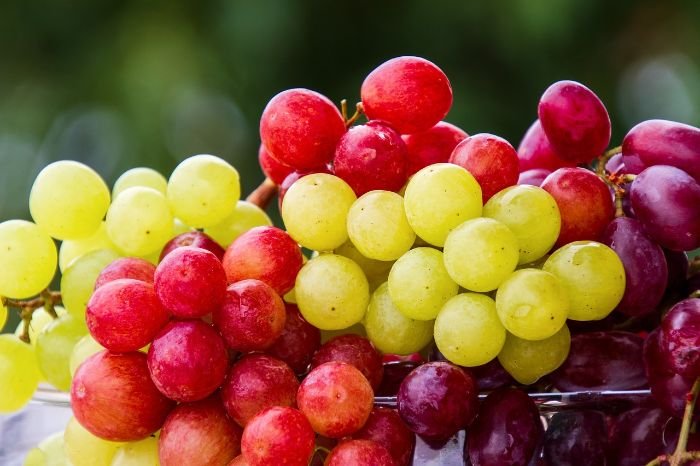
Antioxidants in grapes make the most sense when they stay tied to the berry you can grow, pick, and eat as whole fruit. A ripe grape brings skin, pulp, juice, seed traces, aroma, acid, sugar, and plant pigments that changed through sun, canopy, variety, and ripeness. Dark purple and black grapes usually carry more visible anthocyanin pigment in the skin. Red grapes bring a different balance of color compounds. Green grapes still offer fruit nutrition, even without the same dark skin pigments. Homegrown grapes become more useful when they are grown for flavor first and eaten as whole fruit, skins included.
Grape antioxidants come mainly from polyphenols in the skin and seeds, including anthocyanins in red, purple, and black grapes, flavonols near the skin, and small amounts of resveratrol. Variety, sunlight, ripeness, disease pressure, and harvest handling change the final fruit more than any single antioxidant compound can explain.
Key Takeaways:
- Dark grape skins usually show more anthocyanin pigment than green skins
- Whole grapes keep skin, juice, and fiber together
- Sunlight on leaves and clusters improves flavor and color development
- Disease-resistant cultivars matter more than rare names in humid gardens
- Pick grapes by taste, skin color for the type, seed maturity, and cluster condition
Table of Contents
Grape Antioxidants – What The Skin, Seeds, And Color Tell You
Grape skin carries much of the antioxidant interest because pigment and phenolic compounds concentrate near the fruit surface. Bite a black grape and the skin gives a firm snap before the pulp bursts. That dark skin contains anthocyanins, the red-purple-blue pigments that plants use in fruit, leaves, and flowers. Red and purple grapes show those pigments clearly. Green grapes have less of that visible color chemistry, and they still provide water, carbohydrate, potassium, and vitamin K in a whole-fruit form with useful texture.
Resveratrol gets the most attention, mostly because it sits in grape skins and has been studied heavily. Homegrown grapes should stay in whole-fruit context. Resveratrol is one part of a wider group of grape phenolics, along with anthocyanins, flavonols, and tannins. These compounds help the grape plant handle light, stress, defense, and ripening. In the kitchen, they show up as color, astringency, bitterness, aroma, and the dry grip that seed and skin can leave on the tongue.
Grape research often divides phenolic compounds into groups such as anthocyanins, stilbenes, and flavonols. That chemistry is useful for understanding why grape color and skin contact matter. A bowl of grapes is colorful fruit with skins, juice, pulp, and pleasure. The sound food choice is simpler: eat a variety of colorful whole fruits, and enjoy grapes as one of them.
Seeds add another layer. Seeded grapes can have firmer texture and more noticeable tannin when chewed. Seedless grapes are easier to eat and better for children, salads, and lunch boxes. The seed choice should fit the household first. A seeded grape that nobody eats does less good than a seedless grape that disappears from the bowl.
Dark Grapes, Green Grapes, And The Color Question
Color is a useful clue; ripeness, cultivar, skin texture, and eating habit decide more of the practical value. Dark grapes often carry more anthocyanin pigment because that pigment is visible in the skin. Red grapes sit in the middle visually. Green grapes can be sweet, crisp, and valuable in the diet even without dark pigments. A home grower should choose a grape that ripens well in the local climate before chasing the darkest skin.
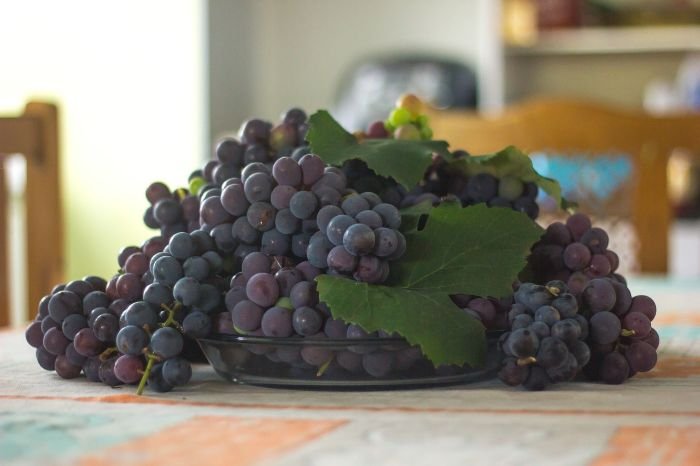
A fully ripe green grape gives more practical value than a sour purple grape left short of maturity. Ripeness changes sugar, acidity, aroma, skin texture, and seed color. The fruit should taste rounded, not sharp and grassy. Dark grapes also need enough sun on the canopy to build color without cooking the fruit in direct afternoon heat.
| Grape Type | Antioxidant Clue | Best Home Use | Growing Watchpoint |
|---|---|---|---|
| Black or purple table grapes | Deep skin pigment | Fresh eating, freezing, juice | Needs full ripeness for balanced flavor |
| Red table grapes | Moderate red pigment | Fresh bowls, salads, drying | Color alone can arrive before flavor |
| Green table grapes | Less visible pigment | Crisp fresh eating, lunch boxes | Harvest depends heavily on taste |
| Concord-type grapes | Dark skin and strong aroma | Juice, jelly, fresh eating for fans | Slip-skin texture is not for every table |
| Muscadines | Thick skin and strong flavor | Southern fresh eating, juice, preserves | Some cultivars need a pollinizer |
Look at how the household eats fruit. A family that snacks on crisp seedless green grapes every day may get more whole-fruit value from that habit than from one dark seeded cultivar left hanging because the skins feel tough. Health value starts with fruit people repeat.
Choose The Right Grape Variety For Antioxidants, Climate, And Eating
Choose the right grape variety by matching climate first, use second, and skin color third. Season mismatch leaves grapes tart and thin-skinned. Summer mildew strips leaves before the fruit finishes. Good flavor in your yard keeps the skins in the snack bowl, where much of the pigment story sits.
| Growing Context | Best Grape Direction | Why It Fits | Main Caution |
|---|---|---|---|
| Cold-winter garden | Cold-hardy American or hybrid grapes | Survival and reliable ripening matter before skin color | Choose cultivars proven for local winter lows |
| Humid summer garden | Disease-resistant hybrids or muscadines where climate fits | Healthy leaves ripen fruit better than mildew-stressed vines | Some muscadines need a pollinizer |
| Fresh snack grapes | Seedless table grapes or mild seeded cultivars | Fruit eaten regularly gives more whole-fruit value | Many seedless types need enough heat to sweeten |
| Juice or jelly goal | Concord-type or strong-flavored slip-skin grapes | Skin pigment and aroma carry well into juice and cooked fruit | Texture may be less suitable for fresh snacking |
| Dry harvest climate | Raisin or drying-suitable grapes | High sugar and airflow support drying quality | Wet harvest weather increases rot risk |
American and hybrid grapes suit many home gardens because they handle cold or disease pressure better than classic European grapes. Concord-type grapes bring strong aroma, thick skins, and familiar juice flavor. Many seedless table grapes need a long warm season to develop sweetness. Muscadines suit hot, humid southern gardens and have thick skins with bold flavor. European wine grapes can be excellent in the right climate, though they usually ask for tighter disease management.
Use local performance over catalog romance. Ask whether the cultivar ripens before your first fall cold, resists the common diseases in your area, and fits your eating goal. Juice grapes can have thicker skin and stronger flavor. Fresh-eating grapes need texture the household enjoys. Raisin grapes need sugar, airflow, and dry harvest weather.
The first planning step overlaps with starting a small vineyard at home: site, trellis, sun, air movement, and cultivar choice all need to fit before the vine goes into the ground. A grapevine can live for decades, so the wrong variety becomes a long lesson.
Sun, Canopy, And Pruning Shape Better Antioxidant-Rich Grapes
Grape flavor and skin color are won in the canopy. Leaves feed the clusters. Full sun provides heat for fruit ripening, and airflow keeps the canopy drier. A tangled vine with shaded clusters may still produce fruit, and the berries often ripen unevenly as disease moves faster through the leaves.
Pruning sets the crop load before the season starts. Grapes fruit from shoots that grow from one-year-old wood, so old tangled canes are not a badge of abundance. Too many buds create too many shoots. Too many shoots shade the clusters. Shaded clusters ripen slowly and hold more moisture after rain.
Training matters because it makes observation possible. A vine trained along wires shows you where the shoots are, where clusters hang, and where airflow is blocked. A vine sprawling over a fence hides problems until leaves yellow or fruit rots. The practical structure described in grape vine training systems keeps fruit quality visible and care easier.
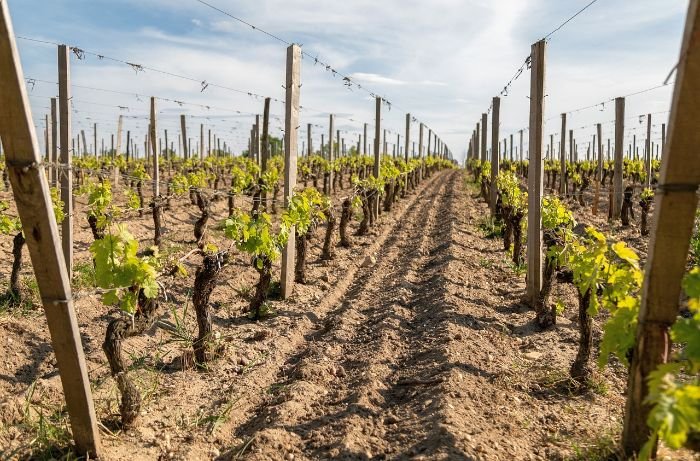
Summer canopy work should expose clusters to dappled light, not scorch them. Remove crowded shoots and leaves that trap damp air around the fruit. Leave enough leaf cover to prevent sunburn during heat waves. The goal is a canopy that dries after rain and still feeds the crop.
Annual grape pruning keeps the vine young where fruiting happens. Cut hard enough to renew the vine, then watch the crop load through the season. A vine carrying more clusters than its leaves can ripen will deliver weak flavor and uneven color.
Soil, Water, And Ripeness Decide Whether Grapes Taste Complete
Grapes need drainage before fertility. Wet roots weaken vines, increase disease pressure, and make growth soft. A deep, well-drained soil lets roots explore and keeps the vine resilient through dry spells. Heavy clay needs organic matter, surface drainage, and patience before grape roots reward you.
Water is most important during establishment and berry sizing. Young vines need regular deep watering until the roots spread. Mature vines tolerate short dry periods better. Drought during fruit development can shrink berries and slow ripening. The watering pattern should wet the root zone deeply, then allow air to return to the soil.
Overwatering near harvest can dilute flavor and split berries on some cultivars. A grape should taste concentrated at harvest: sweet enough for the variety, acid still lively, skins colored for the type, seeds browning in seeded grapes, and clusters clean. Color starts the harvest check. Taste confirms it.
Grape watering should follow soil depth, leaf posture, heat, mulch, and vine age. Watering grape vines needs that deeper root-zone logic because a mature vine should not be watered like a shallow annual bed.
Harvest And Storage Protect The Grape Skin You Worked To Grow
Harvesting grapes too early wastes months of canopy work. Grapes should be harvested for ripe flavor on the vine because they do not build meaningful sweetness after picking. Taste clusters from several parts of the vine before cutting. The top, outside, and sunny side of the vine may ripen ahead of shaded clusters.
Use clean snips and cut the whole cluster. Pulling breaks berries and tears the stem. Broken berries leak juice, attract wasps, and start spoilage in the bowl. Keep the natural bloom on the skin when possible; that pale dusty coating helps protect the surface.
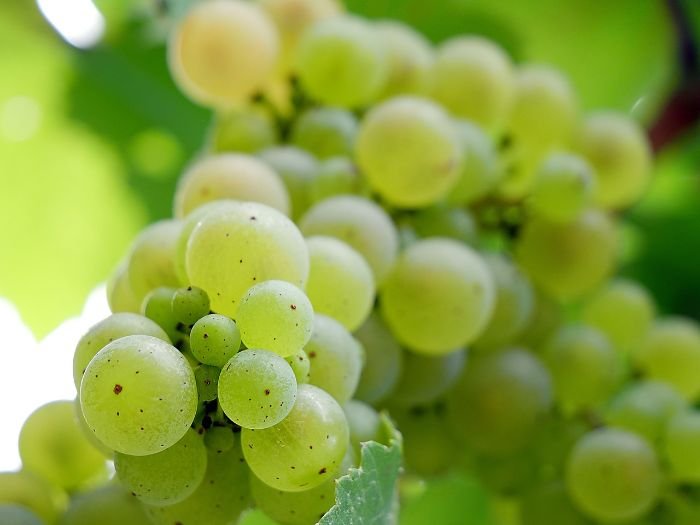
Cool grapes quickly after harvest. Spread clusters in a shallow container and remove damaged berries. Wash just before eating. Wet grapes stored in a deep bag soften faster and grow mold where berries press together.
For the most whole-fruit value, eat grapes with the skins. Juice captures flavor and color, especially from Concord-type grapes. It leaves skins and fiber behind when the pomace is discarded. Raisins concentrate sugar and flavor. Fresh grapes give the easiest balance of skin, pulp, water, and portion control.
Using Homegrown Grapes For Whole-Fruit Benefits
Homegrown grapes are easiest to repeat when the kitchen plan is simple. Chill fresh clusters for snacks. Freeze whole seedless grapes for a hot-day bite. Slice grapes into salads with walnuts and greens. Cook Concord-type grapes into a sauce for yogurt or oats. Roast grapes with herbs beside vegetables, then spoon the juices over grain bowls.
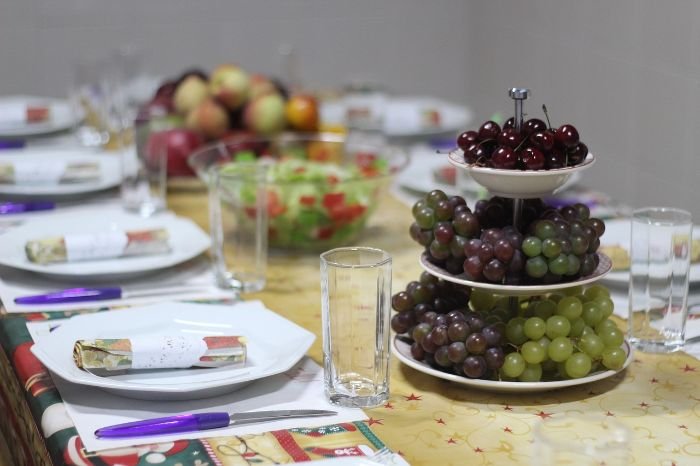
Keep the skin in the meal whenever texture allows. The skin carries pigment, aroma, and astringency. Peel it away and the grape becomes mostly sweet pulp. Slip-skin grapes can still be useful because the skins cook down into juice, jelly, sauces, and compotes.
Wine is a poor shortcut for whole-fruit antioxidant intake. Grape skins contribute phenolics during winemaking, and alcohol changes the health equation. If the goal is fruit intake, fresh grapes, frozen grapes, juice portions, and cooked whole-fruit sauces are easier to keep inside a daily food pattern.
Grapes also pair well with other fruit-focused garden goals. For a broader fruit bowl, combine them with homegrown plums for fiber and vitamins, berries, apples, pears, and citrus. Variety gives the diet more color than any single grape can carry alone.
Conclusion – Grow Grapes For Color, Flavor, And Repeat Eating
Antioxidants in grapes are tied to the fruit’s skin, color, seeds, variety, and ripeness. Darker grapes make the pigment story easier to see. The best homegrown grape is the one your climate ripens and your household eats. A tough, sour, disease-prone dark grape left on the vine teaches the wrong lesson. A well-ripened grape eaten fresh with the skin earns its place.
Choose the cultivar for your region. Give the vine full sun, a trained canopy, enough pruning, deep measured water, and time to ripen. Then harvest by taste, not hope. Homegrown grapes work best as whole fruit that keeps color, texture, juice, and pleasure together in the same bite.
FAQ
Which Grapes Have The Most Antioxidants?
Dark purple and black grapes usually show more anthocyanin pigment in the skin than green grapes. The best choice for a home garden is still the cultivar that ripens fully in your climate and gets eaten with the skins.
Are Homegrown Grapes Healthier Than Store-Bought Grapes?
Homegrown grapes are not automatically more nutritious. Their advantage is control over variety, full ripeness, and how quickly the fruit reaches the bowl.
Is Resveratrol Only In Red Grapes?
Resveratrol is associated mainly with grape skins and is discussed most often with red and dark grapes. It is one part of the wider grape phenolic mix, so whole fruit and cultivar choice matter more than chasing one compound.
Do Seedless Grapes Still Have Antioxidants?
Yes. Seedless grapes still have skins, pigments, juice, and fruit compounds. Seeded grapes may add more seed tannin when chewed. Seedless grapes are often easier to eat regularly.
How Do You Grow Sweeter Grapes At Home?
Grow grapes in full sun with good drainage, an open canopy, balanced pruning, and enough season length for the cultivar. Let clusters ripen by taste before harvesting because grapes do not gain much sweetness after picking.