

Updated April 23, 2026
A February garden checklist works only when it follows your last frost date, not the number on the calendar. One yard still has frozen ruts and gray, waterlogged beds while another already has onions under lights and brassicas in trays. Treat February like a timing month and spring planting gets easier. Treat it like early April and you end up with leggy seedlings, compacted beds, and pruning cuts in the wrong shrubs.
Push a trowel into a bed after a thaw. If soil smears on the blade, step back. Lift a tray kept too long in dim window light and stretched stems tell the same story from the indoor side. February pays off only when seed starting, pruning, and bed prep move in the right order.
A practical February garden checklist includes checking your last frost window, starting slow or long-season seedlings indoors, pruning dormant fruiting or summer-blooming wood, top-dressing beds with compost, testing soil, and delaying digging until soil crumbles instead of smears. Most February mistakes start with timing borrowed from a warmer month.
Key Takeaways:
- Use the last frost date, not the month name, to decide what starts now
- Start onions, leeks, celery, and some brassicas before tomatoes in most February gardens
- Cut dormant fruit trees and summer-blooming shrubs now, then leave spring bloomers alone
- Work beds only when squeezed soil breaks into dull crumbs instead of slick clods
- February gains come from timing, not from doing every spring task early
Table of Contents
February Garden Checklist Timing – Read The Month By Last Frost And Soil Condition
What is February in your garden, really – a seed-starting month, a pruning month, or still a planning month? The answer shifts with frost timing, day length, and soil condition more than it shifts with region labels alone. February work should follow frost windows, indoor sowing schedules, and one early-spring warning: stay off wet soil and do not force outdoor work before the bed is physically ready.
| If February looks like this | Move first | Hold back on |
|---|---|---|
| Ground frozen hard or surface still saturated after every thaw | Order seed, test old packets, clean tools, map crop rotation, start only the longest crops indoors | Digging, broadforking, or raking beds flat |
| Eight to ten weeks before last frost | Start onions, leeks, celery, and slow flowers under lights; inspect dormant trees and shrubs | Tomatoes, squash, and heavy bed cultivation |
| Six to eight weeks before last frost | Start brassicas and, in warmer zones, tomatoes; prune dormant fruiting wood; top-dress workable beds | Hardening seedlings or uncovering warm-season beds too early |
| Four weeks or less before last frost | Finish pruning, tighten seed-starting schedule, prep direct-sow beds, repair supports and covers | Starting large batches of warm-season seedlings that will outgrow their cells indoors |
Seedlings outgrow timing faster than gardeners expect. Once roots circle the cell wall and the stem stretches between nodes, the plant has already shifted energy from compact structure into survival growth. Saturated soil fails by a different mechanism. Oxygen moves through water far more slowly than through open pore space, so a bed worked while wet loses the airy structure roots need in March and April.
Seasonal garden care depends on matching each month to the work conditions actually allow. February is not about finishing spring. It is about removing the delays that would otherwise land in spring all at once.
Seed Starting In February – Start Slow Crops First And Keep The Lights Close
February seed starting rewards restraint. Indoor transplants usually need a 2-8 week window depending on crop speed, while genuinely slow seedlings such as onions, leeks, celery, pansies, or geraniums may need 10-15 weeks. The tray that belongs on your bench in February is the tray that would still be compact and transplant-ready at your outdoor planting date.
What belongs in February trays
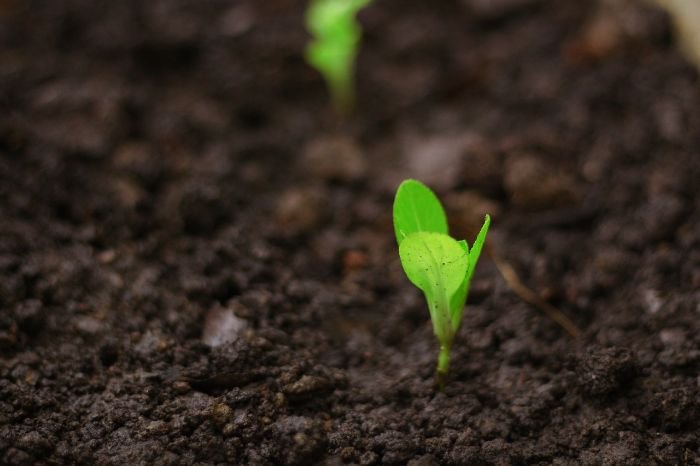
Start onions and leeks early because they build transplant size slowly. Celery belongs in the same camp. Late in the month, brassicas such as broccoli, cabbage, and cauliflower fit the schedule in many gardens that sit six to eight weeks from last frost. Peppers belong indoors in late February only when your planting date sits eight to ten weeks away. Tomatoes fit better in late February only in warm zones or when cold frames and hardening space are already lined up.
Light quality decides whether February seedlings hold shape. A windowsill gives direction more than it gives intensity, so hypocotyls elongate, stems pale, and the whole tray tilts toward the glass through phototropism. Natural window light rarely produces sturdy transplants by itself, which is why starting seed indoors works better with close overhead light. Keep grow lights 1-2 inches above the leaf tips and run them 14-16 hours a day. Good seedlings stay stocky, dark green, and cool at the stem base rather than warm and stretched.
The weakest March transplants are often the ones started first, not the ones started last. A pepper seedling held indoors for two extra weeks rarely gains strength. It gains height, root crowding, and a harder transition.
What to wait on
Do not rush cucumbers, squash, pumpkins, beans, corn, or melons into February cells in most U.S. gardens. Those seedlings bulk up quickly, root hard into the corners, and resent sitting indoors while the outdoor bed stays cold. Direct sowing or a very short indoor head start works better because the root system stays intact and the transplant lands closer to active growth weather.
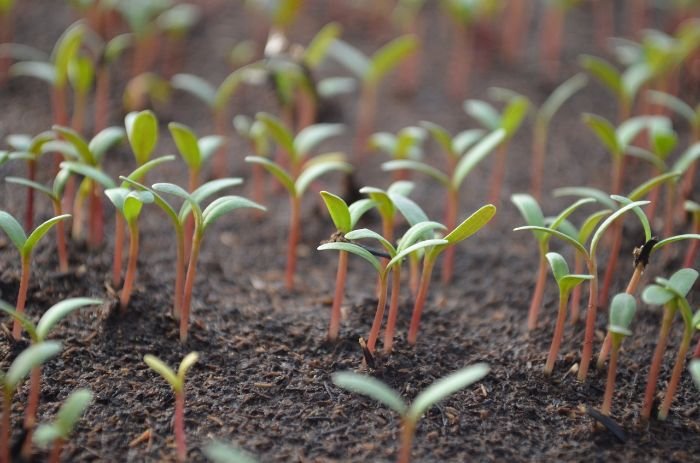
Warm-season crops also respond to root-zone temperature. Pepper and tomato germination enzymes move faster in warm mix, then foliage growth needs bright light and moving air to build thicker cell walls. That is why a February tray on a dim sill feels soft and floppy by touch, while a tray under lights carries short internodes and a firmer stem between finger and thumb.
Pruning In February – Cut Dormant Wood, Leave Spring Flowers Alone
February pruning works when you separate flower bud timing from dormant wood timing. Spring-flowering shrubs set flower buds on old wood during the previous growing season. Fruit trees, grapes, brambles, and many summer-blooming shrubs enter late winter with dormant framework that reads cleanly before leaf-out.
| Plant group | February move | Reason |
|---|---|---|
| Fruit trees, grapes, cane berries | Thin, shorten, and remove damaged wood now | Dormancy exposes structure and directs spring growth before sap flow surges |
| Roses in many climates | Clean out dead canes and shape near the end of winter | Fresh growth pushes from strong buds once temperatures rise |
| Summer-blooming shrubs | Reduce or thin now | Flowers form on new season growth |
| Lilac, forsythia, quince, azalea, rhododendron | Wait until after bloom for shaping | Flower buds already sit on the stems you would cut away |
| Any shrub with dead, diseased, or broken wood | Remove the damaged pieces immediately | Health and safety outrank bloom timing |
Walk up close before you cut. Spring bloomers carry plumper flower buds, often rounded and set along last year’s wood. Leaf buds sit narrower and tighter to the stem. One wrong February session on lilac or forsythia does not kill the shrub, but it strips the visual payoff that gardeners were waiting on since fall.
Make each cut just outside the branch collar, not flush to the trunk and not leaving a stub. The collar contains the tissues that roll callus over the wound, which is why pruning basics start with clean collar cuts. Dead wood sounds brittle and snaps with a dry crack. Live dormant wood bends slightly, then reveals pale green cambium under the bark when lightly scratched.
Maples and birches are a separate annoyance. They bleed sap heavily if cut late, which looks dramatic more than dangerous, though many gardeners still prefer to leave them for another window. Fruiting wood and summer-blooming shrubs give the cleaner February return.
Spring Bed Prep In February – Work The Soil Only When It Crumbles
February bed prep starts with a moisture test, not a rake. If soil sticks to your shoes or shovel, it is too wet. Wet spring soil compacts fast. Pressure collapses aggregates, squeezes out pore space, and slows the oxygen exchange roots need when growth begins.
Grab a handful from 3-4 inches down and squeeze it hard. A workable bed breaks into dull crumbs when poked with a finger or dropped from waist height. A bed that is still too wet holds a shiny molded clod and leaves a smear on the palm. That difference in texture decides whether February prep improves March planting or quietly damages it.
Pro Tip: Keep one empty nursery pot in the shed. Fill it with a sample from the bed after a thaw and squeeze the soil in the pot first. If the mix still seals into a slick puck, the whole bed needs more drying time.
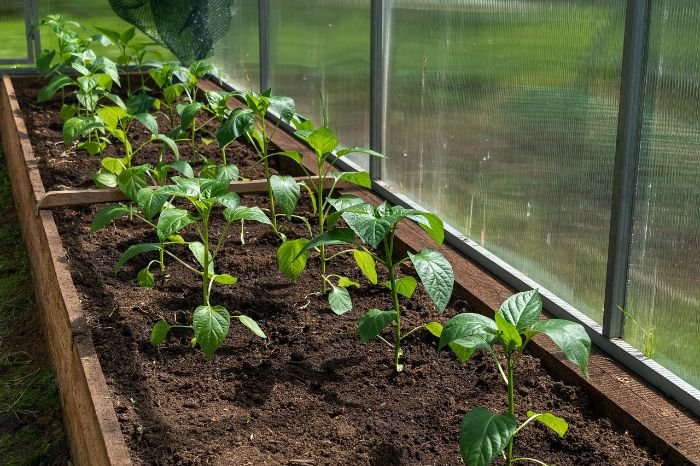
Once the surface passes the crumble test, strip out diseased debris, old stakes, labels, and any mulch layers that turned slimy or matted. Leave sound roots from last season in place if they pull cleanly and the bed is not carrying disease pressure. Top-dress with 1-2 inches of finished compost rather than deep-turning the whole bed. Low-disturbance raised-bed prep helps avoid bringing buried weed seed back into the light.
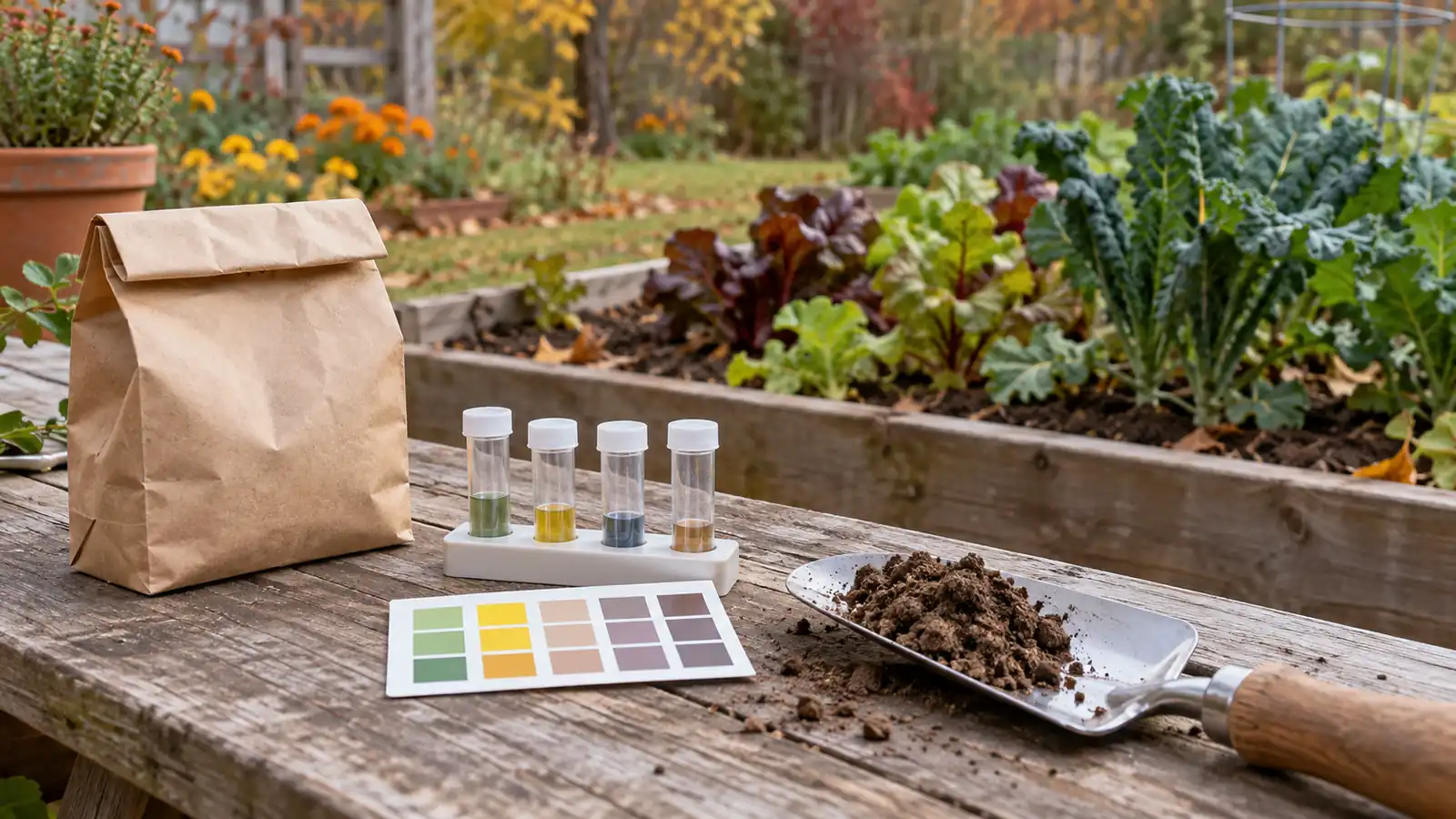
February also gives enough runway for soil testing. A pH or nutrient problem discovered now still leaves time to adjust lime, sulfur, or fertilizer before heavy spring planting. If a bed puddles for a full day after normal rain, the trouble is larger than February cleanup. Soil health improvement should come before another bag of fertilizer.
Repair matters here too. Tighten raised-bed screws, replace split boards, reset trellis posts, and test irrigation lines before vines and foliage hide the hardware. Cold frames and row covers fit this prep window as well, though they should buffer seedlings and beds from frost rather than tempt you into treating cold soil like warm soil.
February Mistakes That Cost You March Time
Most weak March starts trace back to one of a few February errors. None of them look dramatic on the day they happen. The slowdown arrives later, when transplant size, bloom count, or soil structure no longer match the calendar.
- Starting tomatoes and peppers too early. Root-bound seedlings lose compact structure indoors and transplant with a stem-heavy, pot-shaped root mass.
- Cutting spring-flowering shrubs before bloom. Old-wood buds were formed last season, so winter shaping removes the very flowers you were trying to protect.
- Digging wet beds after the first thaw. Smeared soil dries into plates and clods that seedling roots struggle to penetrate.
- Raking off every protective cover on the first mild weekend. Bare soil warms faster in one afternoon, then loses that gain at the next hard freeze.
- Skipping seed tests on leftovers. Weak germination in February becomes patchy trays by March and rushed reordering by April.
In warmer gardens, February may include roses, herbs, and dormant pruning. In colder gardens, the safer focus is inspection, indoor sowing, and restraint. February is not one garden month across the country. It is a set of condition-based moves that tighten as the frost window narrows.
The hidden penalty of a February mistake is time compression. Start too early and you babysit trays that should not exist yet. Prune the wrong shrub and you lose a spring bloom cycle. Work a bed wet and every later step – sowing, transplanting, watering, root growth – happens on worse footing.
Conclusion
February works best as a sorting month. Start the crops that truly need the lead time, cut only the plants that benefit from dormant pruning, and touch garden soil only after it breaks into crumbs instead of paste. That sequence turns March into planting work instead of recovery work.
Frost timing and soil condition should decide the task list. A tray started two weeks later under good light beats a tray started early and stretched thin. A bed top-dressed on the right day beats a bed dug too soon every time.
FAQ
What seeds should be started indoors in February?
Start the slow crops first. Onions, leeks, celery, and in many gardens late-month brassicas fit February far better than cucumbers or squash. Tomatoes belong in February only when your last frost sits roughly 6-8 weeks away, while peppers fit better at 8-10 weeks.
Is February too early to start tomatoes?
Most gardeners assume early tomatoes mean early harvest. Indoors, the opposite happens fast. A tomato started far more than eight weeks before planting grows tall, root-bound, and light-hungry before the bed is even warm enough to receive it.
What should not be pruned in February?
Spring-flowering shrubs sit at the top of the do-not-cut list. Lilac, forsythia, flowering quince, azalea, and rhododendron already hold their bloom buds on old wood by late winter. Remove dead or broken pieces if needed, then save shaping cuts for after the flowers fade.
Can I prepare beds in February if the soil still feels wet?
No. Wet soil preparation trades one day of activity for months of poorer structure. Squeeze a handful from below the surface. If it stays slick and molded instead of breaking into crumbs, wait.
Should compost go on the bed in February?
If the surface is workable, yes. A finished compost top-dressing in late winter or very early spring gives soil biology a head start and leaves the bed cleaner for planting. Spread it across the top instead of churning it deep into wet ground.
Can anything be planted outdoors in February?
If your last frost is close and soil is workable, hardy crops such as peas, spinach, onions, and some brassicas fit the month in many gardens. Frozen or saturated ground changes that answer fast. The bed condition still matters more than the date.
Do grow lights matter more than a sunny window in February?
Fourteen to sixteen hours of close overhead light beats even a bright winter window for most seedlings. Window light comes from one side, so stems lean and elongate. Lights placed just above the leaf tips keep internodes short and the root-to-shoot balance tighter.
Can an unheated greenhouse replace indoor seed starting in February?
For cool-season seedlings, sometimes. For warm-season crops, rarely. An unheated greenhouse buffers wind and frost, yet nighttime temperatures still drop close to outdoor levels, which slows germination enzymes and can stall peppers, tomatoes, and basil long before they build transplant size. Use it for hardy seedlings, for holding trays after germination, or for hardening plants gradually, not as an automatic substitute for indoor warmth and lights.