
Last Updated April 30, 2026
Perennials vs annuals is a timing decision: annuals finish their life cycle in one growing season, and perennials store energy to return after dormancy. One plant spends a season racing from seed to bloom to seed again. The other holds part of its energy in crowns, roots, bulbs, or woody stems.
That difference changes the whole garden. A flat of zinnias can make a bare bed look full by July, with papery petals and rough green stems catching the afternoon light. A young coneflower may look modest in the same spot, then build a deeper root system that makes the bed more reliable in its third summer.
The right choice depends on the job you need the plant to do: fast color, long-term structure, pollinator food, container impact, erosion control, edible harvest, or low replanting. Most gardens use annuals for fast seasonal color and perennials for recurring structure.
In practice, choose annuals for instant color, containers, seasonal experiments, and open gaps. Choose perennials for long-term structure, recurring foliage, deeper roots, and lower yearly replanting. The better choice depends on how long the job needs to last.
Key Takeaways:
- Choose annuals when one season of color matters most
- Plant perennials where roots can stay for three years
- Avoid judging perennials by their first small season
- Mix both types to cover bloom gaps after midsummer
- Check hardiness before treating any plant as permanent
Table of Contents
Perennials Vs Annuals – The Lifecycle Difference That Changes Everything
The main difference between perennials and annuals is the way each plant spends energy. Annuals push energy into stems, leaves, flowers, and seed production in one growing season. Perennials divide their energy between top growth and storage organs that survive dormancy.
Annual flowers grow, flower, set seed, and die in one growing season. Herbaceous perennials are nonwoody plants that often die back above ground and survive through roots, crowns, rhizomes, bulbs, or underground stems.
| Trait | Annuals | Perennials |
|---|---|---|
| Life cycle | One growing season | More than one year if climate-hardy |
| Bloom pattern | Often long and repeated until frost | Often shorter, timed to a season |
| Root strategy | Fast roots for quick growth | Longer-term crowns, rhizomes, bulbs, or woody stems |
| Best garden role | Seasonal color, containers, quick fills | Structure, recurring plantings, habitat, mature texture |
| Common examples | Zinnia, marigold, petunia, cosmos, sunflower | Hosta, coneflower, daylily, salvia, sedum |
Biennials, Self-Sowers, And Tender Perennials
Plant labels can make this feel cleaner than it is. Biennials such as foxglove often grow foliage in the first year, flower in the second year, set seed, and then decline. Self-sown annuals can reappear from seed; the original living plant does not return.
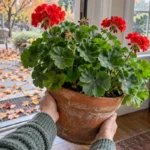
Tender perennials add another layer. Geraniums, lantana, cannas, dahlias, coleus, and some salvias may live for years where winters stay mild, then behave like one-season annuals where frost kills the roots or stems. Nursery labels often simplify that biology for local selling, so the better question is what survives winter in your site.
I often notice that gardeners call any returning flower a perennial, and that mistake changes the maintenance plan. A self-seeded annual returns as new seedlings, so it may drift through the bed without expanding from the same crown.
The practical test is simple: ask what survives winter. If the same crown, bulb, root, or woody stem survives and grows again, you are working with a perennial habit. If only seed survives, you are working with an annual strategy.
Annuals And Perennials – Fast Color Versus Long-Term Structure
Annual Flowers – Fast Color With A Seasonal Clock
Annual flowers are the sprinters of a garden. They germinate, root, bloom, set seed, and finish within one growing season, so they often give more weeks of visible flower than a single perennial species. Their tissue feels soft and urgent: thin stems, fresh leaves, constant buds, and spent flowers that need attention.
That speed is useful in new gardens. Annuals cover empty soil around young shrubs, fill the front of a border before perennials reach mature width, and turn a bare patio pot into a finished display. Petunias, calibrachoa, impatiens, coleus, sweet alyssum, marigolds, zinnias, cosmos, nasturtiums, and sunflowers all solve different short-term problems.
Annual flowers fit beds, borders, containers, hanging baskets, cut flowers, temporary fillers, and groundcovers. That range explains why annuals dominate garden-center carts in late spring. They are easy to understand at purchase time because the plant you buy often looks close to the plant you get.
The tradeoff is replacement. Annuals ask for new seed, new transplants, or new self-sown seedlings every season. They may also need regular water, pinching, deadheading, or feeding because long bloom takes energy. When a hanging basket gets light and dry by midsummer, the pot may feel featherweight in your hand and the flowers may crisp at the rim first.
Pro Tip: For annual containers, lift the pot before watering. A dry pot feels surprisingly light, and that weight check is faster than judging by a crusty surface.
Annuals make the most sense in high-visibility areas where change is welcome: porch pots, mailbox beds, window boxes, vegetable edges, summer cut-flower rows, and newly planted borders. They are also the better tool when you want to test a color scheme for one year before committing bed space to shrubs and perennials.
Perennial Plants – Long-Term Structure With A Slow Payoff
Perennial plants are not instant furniture. Many spend their first season building roots and crowns, their second season widening, and their third season showing the size the plant tag promised. That root-first behavior frustrates impatient gardeners and rewards anyone planning a bed for more than one summer.
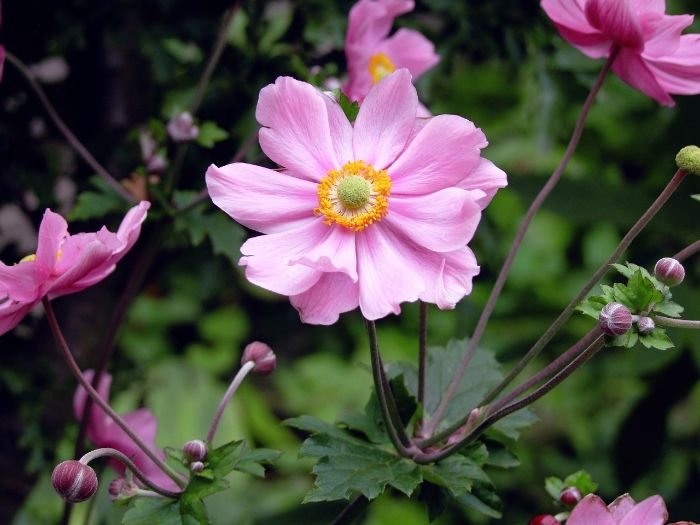
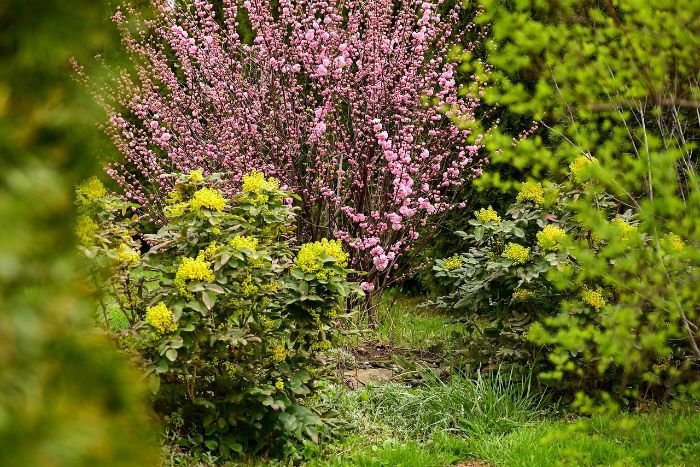
A perennial bed has a different texture from an annual bed. Hosta leaves unfold thick and ribbed from the crown. Daylily fans push up like green blades. Sedum stems feel rubbery and firm. Coneflower and black-eyed Susan carry rough leaves before their late-season flowers open. Even out of bloom, these plants hold space.
Perennial division can rejuvenate plants when older crowns become crowded, bloom less, or die out in the center. Perennials return, and older crowns can still become crowded, weaker in bloom, or open in the center as they age.
Choose perennials when the bed needs bones: a repeated edge of catmint, a shade mass of hostas, a late-summer drift of coneflower, a dry border of yarrow and salvia, or ornamental grasses that hold winter seed heads after flowers are gone. Their value comes from recurrence, size, foliage, roots, and rhythm, not just bloom weeks.
Perennials also reduce yearly soil disturbance. Once planted, the root zone can be mulched, improved, and left to mature. That makes them useful around slopes, pollinator strips, rain gardens, and borders where constant replanting would break soil structure. What part of your garden needs to stay put for five years?
Perennials often disappoint when they are bought for instant fullness. A young plant spaced for mature width leaves bare soil at first. If you pack perennials tightly to get a finished look in year one, the bed can become crowded by year three, with weak flowering and poor airflow.
Choosing Perennials Or Annuals – Match The Plant To The Garden Job
The right annual or perennial is the one that matches the job. A front-door pot needs impact now. A backyard border needs continuity. A pollinator patch needs season-long food. A narrow walkway edge needs plants that keep their shape. The label matters less than the work the plant performs.
Use annuals when the job is speed, flexibility, or heavy bloom. Use perennials when the job is structure, recurrence, or ecological depth. Use both when the bed must look good now and grow better over time.
| Garden goal | Better first choice | Why it works | Example plants |
|---|---|---|---|
| Instant summer color | Annuals | Fast bloom and quick coverage | Zinnia, petunia, marigold, calibrachoa |
| Long-term bed structure | Perennials | Recurring crowns and stable root zones | Daylily, hosta, salvia, sedum |
| New border with bare gaps | Both | Annuals fill space as perennials mature | Cosmos between coneflowers, alyssum near catmint |
| Low yearly replanting | Perennials | Plants return from living roots | Peony, yarrow, black-eyed Susan, ornamental grass |
| Seasonal design changes | Annuals | Colors and combinations can change every year | Coleus, pansy, begonia, sunflower |
| Pollinator continuity | Both | Perennial sequence plus annual gap-filling | Bee balm, coneflower, zinnia, calendula |
Life cycle is only one part of broader plant selection, which also depends on light, soil, water, mature size, climate, and how often you can tend it.
If the garden sits near a doorway, annuals may earn their keep because you see them daily. If the bed is large, farther from the house, or meant to reduce work over time, perennials usually deserve more of the budget. A strong garden often uses annuals for seasonal emphasis and perennials for long-term structure.
A Garden Goal Matrix – Make The Right Planting Choice
A decision matrix works better than a rule. Annuals, perennials, biennials, bulbs, shrubs, and self-sowing plants all have roles. The cleanest choice comes from matching the plant’s life cycle to the garden’s time horizon.
| If your garden goal is… | Choose mostly… | Add… | Watch for… |
|---|---|---|---|
| A finished look this season | Annuals | One or two perennial anchors | Water demand in hot weather |
| A border that improves over years | Perennials | Annual fillers for the first two seasons | Crowding by year three |
| Low replanting in a large bed | Perennials and shrubs | Small annual pockets near paths | Short bloom windows |
| Changing color schemes | Annuals | Neutral foliage perennials | Buying replacements every year |
| Pollinator activity from spring to frost | Both | Overlapping bloom times | Gaps after early perennials finish |
| Better long-term maintenance rhythm | Perennials | Annuals only in high-impact spots | Division, cutting back, and mulch |
A useful planting ratio solves most annual-versus-perennial decisions. In a brand-new sunny border, start with 60 to 70 percent perennials by mature footprint, then use annuals to fill the gaps for the first two years. In small containers or high-turnover displays, reverse that ratio and let annuals carry the season.
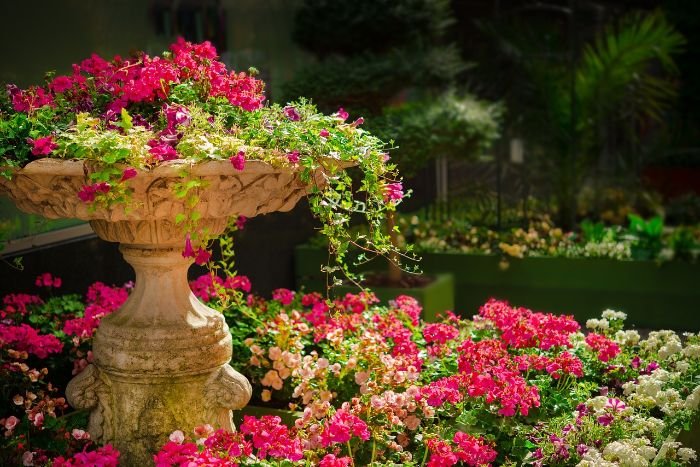
A garden built this way does not feel empty in year one or crowded in year three. It has quick color where people notice it, lasting roots where the bed needs permanence, and enough seasonal change to keep the planting alive.
Climate, Hardiness, And Tender Perennials – Why Labels Shift By Zone
Plant labels depend on climate. A plant sold as an annual in a cold-winter state may live as a perennial in a warmer zone. A plant that survives winter in one yard may fail in another because wet soil, wind exposure, or freeze-thaw cycles damage the crown.
Annuals can be grouped as hardy, half-hardy, and tender, with tender annuals most vulnerable to frost injury. That classification matters more than the display bench at the nursery. Pansies and snapdragons can handle cool weather. Zinnias, impatiens, and many begonias need warmer nights.
Use the USDA Plant Hardiness Zone Map as the starting point for judging whether a perennial can survive winter in the ground. It does not tell the whole story. Drainage, snow cover, summer heat, soil type, and microclimates near walls can all change survival.
Tender perennials create the most confusion. Lantana, geraniums, cannas, dahlias, coleus, sweet potato vine, and some salvias may behave as perennials in warm climates and annuals in colder ones. The same plant can act differently because winter survival changes by climate.
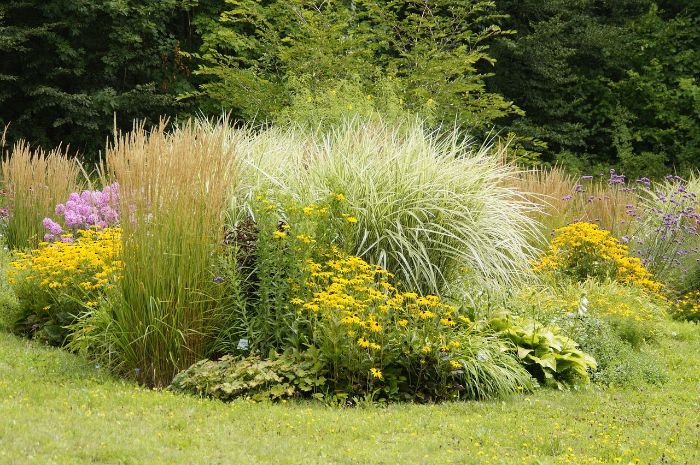
For cold climates, treat tender plants as annual color unless you plan to overwinter them indoors, dig tubers, or take cuttings. For warm climates, watch for plants that persist too well. Some tender-looking ornamentals can become large, woody, or aggressive when frost does not reset them.
Mixing Annuals And Perennials – Build Color Without Replanting Everything
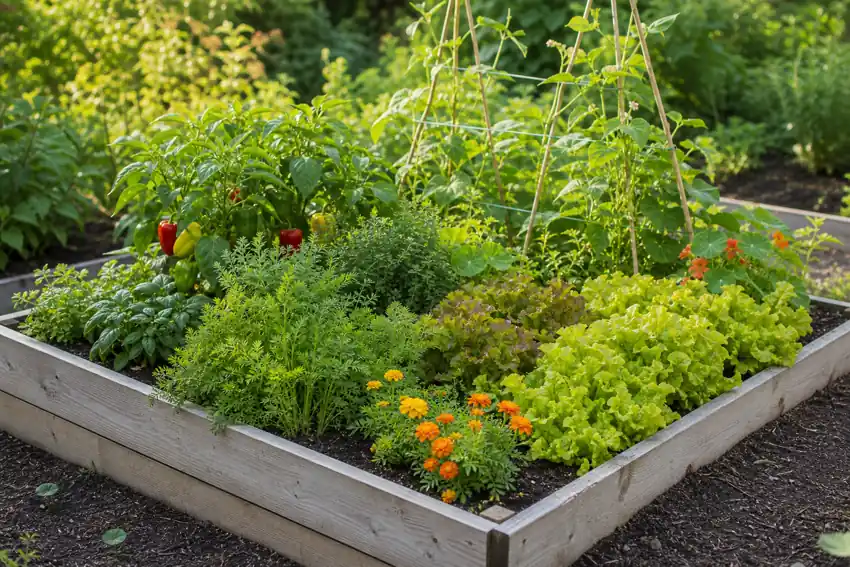
The strongest flower beds rarely choose only one life cycle. Perennials create a repeating framework, and annuals cover the moments when that framework is young, resting, or out of bloom. The result feels full without forcing every plant to do every job.
Think in layers. Use perennials for the permanent rhythm: spring bulbs, early salvia, summer daylilies, midsummer coneflowers, late sedum, fall asters, and winter grasses. Add annuals where the eye needs a long-running color signal: front edges, patio containers, mailbox beds, vegetable borders, and empty pockets between young perennials.
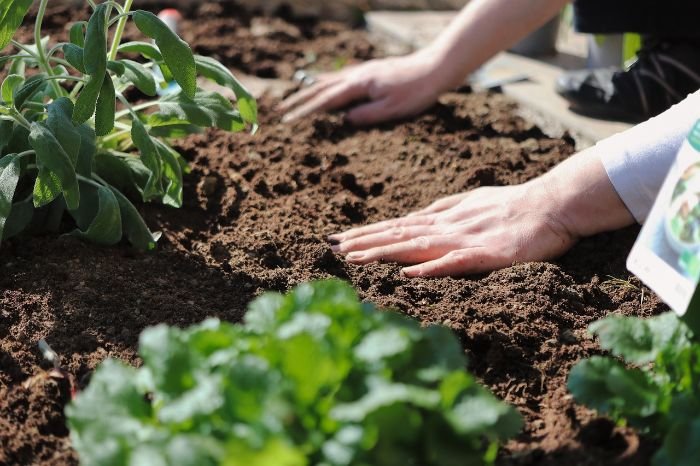
Annuals are especially useful during the first two years of a perennial planting. A new border often looks underplanted because perennials are spaced for mature size. Low annuals such as sweet alyssum, calendula, dwarf zinnias, annual phlox, or trailing petunias can cover bare soil for one season and leave room for perennial crowns to expand.
Match water and fertilizer needs before mixing. A drought-tolerant perennial such as lavender or sedum does not want the same rich, frequent watering as impatiens or a thirsty petunia basket. A pairing can look charming in May and tired by August if one plant is being overwatered to satisfy the other.
In edible beds, annuals and perennials in companion planting need separate planning because plant neighbors affect pests, harvest timing, and crop rotation. In ornamental beds, the first question is simpler: which plant will still look useful after its flowers fade?
Containers, Budget, And Maintenance – The Real Cost Of Each Choice
Annuals often cost less per plant and more per year. Perennials often cost more per plant and less per year after establishment. That math changes in containers, where winter exposure, root volume, and potting mix fatigue can make even hardy perennials behave like short-term plantings.
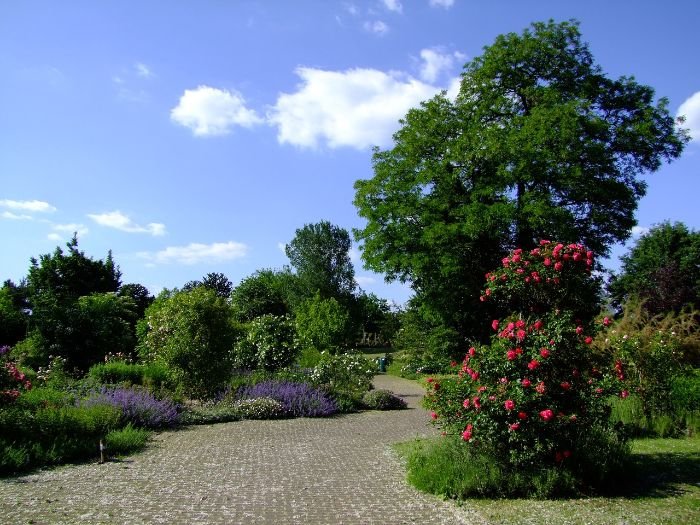
In pots, annuals usually win for high-color displays. Their roots occupy the container quickly, their bloom cycle is long, and they can be replaced when the season changes. A coir basket full of calibrachoa or petunias may need daily water in hot weather, and the reward is months of flowers.
Perennials in containers need a different plan. The pot must be large enough to buffer roots from heat and cold. In cold regions, the plant generally needs to be hardy to at least one or two zones colder than your garden zone, because roots in pots experience more temperature swing than roots in the ground. Drainage holes are non-negotiable.
For balconies and patios, choose annuals for one-season display and compact perennials for repeat foliage. Plants for pots and small spaces need root-volume planning because the limiting factor is often container depth, not bed space.
| Cost or care factor | Annuals | Perennials |
|---|---|---|
| Upfront plant cost | Often lower, especially from seed or cell packs | Often higher, especially named cultivars |
| Yearly replacement | Usually needed | Usually not needed when hardy and healthy |
| Water after establishment | Often frequent during heavy bloom | Often lower once roots mature |
| Main maintenance | Watering, feeding, deadheading, replacement | Mulching, cutting back, dividing, seasonal cleanup |
| Best container role | Seasonal color and hanging baskets | Foliage anchors and large long-term pots |
Maintenance also follows the plant’s energy strategy. Annuals need help sustaining bloom. Perennials need help staying vigorous over several years. That is why seasonal garden care matters more in mixed beds than a single spring planting day.
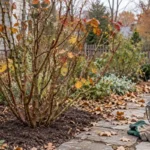
Perennial maintenance should be planned, not treated as an emergency. Some plants need cutting back after bloom, some need division after several years, and some need their seed heads left for winter interest or birds. Knowing when to prune different plants helps keep cleanup matched to the plant type.
Conclusion
Perennials vs annuals is really a question of time. Annuals spend one season giving quick color, fast coverage, and room to experiment. Perennials ask for patience, then repay it with returning roots, mature texture, and a planting that feels more settled each year.
Choose annuals where the garden needs a show now. Choose perennials where the bed needs to mature in place. Combine them well, and the garden has zinnia color in July, coneflower seed heads in September, and crowns below the mulch already preparing for next spring.
FAQ
What is the main difference between annuals and perennials?
Annuals complete their life cycle in one growing season, from germination to seed production and death. Perennials live for more than one year when they are hardy in your climate, often returning from crowns, roots, bulbs, rhizomes, or woody stems after dormancy.
Are annuals or perennials better for a garden?
Neither is automatically better. Annuals are better for fast color, containers, and seasonal change. Perennials are better for long-term structure, recurring foliage, and lower yearly replanting. Most home gardens work best with a mix that matches each bed’s purpose.
Do perennials come back every year?
Perennials come back every year only when they are suited to the climate, soil, drainage, and winter exposure of the site. A perennial that is hardy in Zone 7 may not return reliably in Zone 4, and a wet winter can kill some plants that tolerate cold in drier soil.
Can annuals and perennials be planted together?
Yes, annuals and perennials can be planted together when they share similar light, water, and soil needs. A common pattern is to plant young perennials at their mature spacing, then use annuals such as alyssum, zinnias, calendula, or petunias to cover open soil for the first season.
What happens if you plant only perennials?
A garden planted only with perennials may look thin in its first year and may have bloom gaps unless plants are chosen for different seasons. It can become beautiful and lower in yearly replanting over time, provided the design includes foliage texture, staggered bloom times, and enough mature spacing.
Are annuals lower maintenance than perennials?
Annuals can be easier at planting time because they give quick results, and many need frequent watering, deadheading, feeding, and replacement. Perennials usually need less yearly replanting, and they still require mulching, cutting back, dividing, or pruning as they mature.
Can a plant be annual in one place and perennial in another?
Yes. Many tender perennials are grown as annuals in cold climates because frost kills them outdoors. Lantana, geraniums, coleus, cannas, dahlias, and some salvias may survive as perennials in warm zones and act as one-season plants in colder gardens.
Should beginners plant annuals or perennials first?
Beginners should plant a small mix. Use annuals in containers or front edges for quick success, then add a few dependable perennials such as daylily, hosta, sedum, salvia, or coneflower where they can stay for several years. That mix teaches both seasonal care and long-term plant behavior.