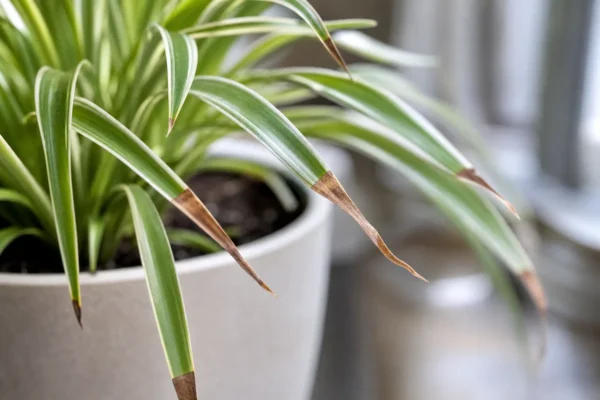
Leaves With Brown Tips: Diagnose Water, Humidity, And Salt BuildupRead More
Leaves with brown tips usually trace to water stress, dry air, salt buildup, fertilizer burn, or roots. Diagnose the pattern and fix new growth.

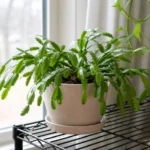
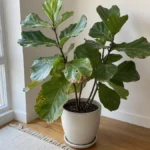
Leaves with brown tips usually trace to water stress, dry air, salt buildup, fertilizer burn, or roots. Diagnose the pattern and fix new growth.
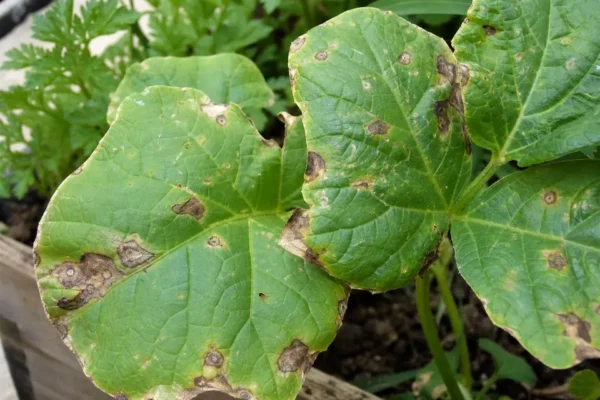
Brown spots on plant leaves? Diagnose soft, crispy, haloed, speckled, edge, and spreading damage before you spray, trim, or water.
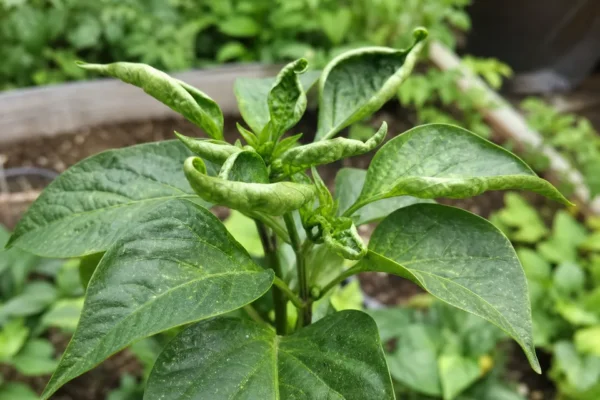
Plant leaves curling? Diagnose upward, downward, new-growth, pest, water, heat, and root signals before you prune or water again.
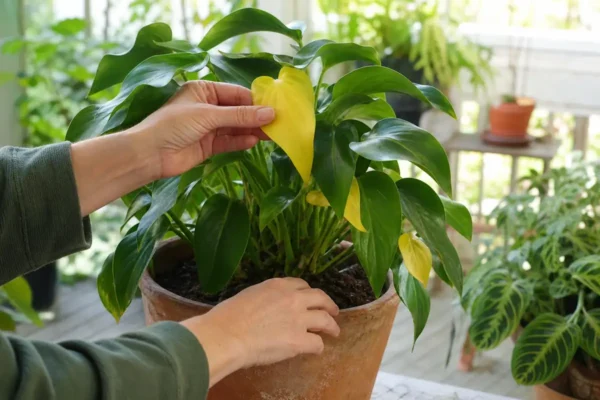
Yellowing leaves reveal different problems by age, vein color, edges, moisture, and speed. Match the pattern before watering, feeding, or repotting.
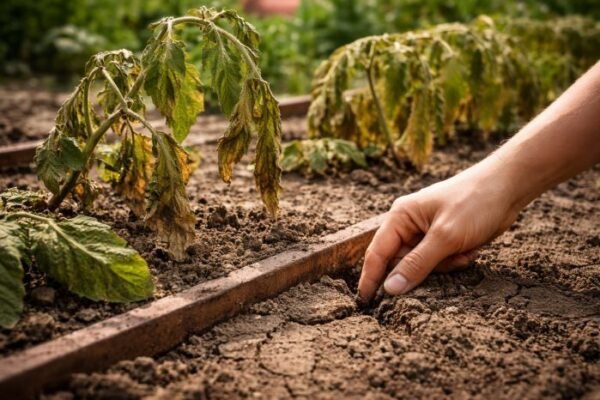
Underwatering is one of the most common reasons garden plants stall, wilt, and produce less than they should – and the earliest damage happens underground where nobody checks. A bed that looked fine last week can turn crispy at the tips, or a pot that felt damp two days ago can pull away from its…

An overfertilized garden can recover if you act in sequence. Confirm salt injury with a simple white-ring saucer test or a visible soil crust. Use a two-pass leach with measured volumes by soil type, remove leftover granules, and keep soil evenly moist without puddling. Work with staged checks at 24-72 hours to judge progress and…
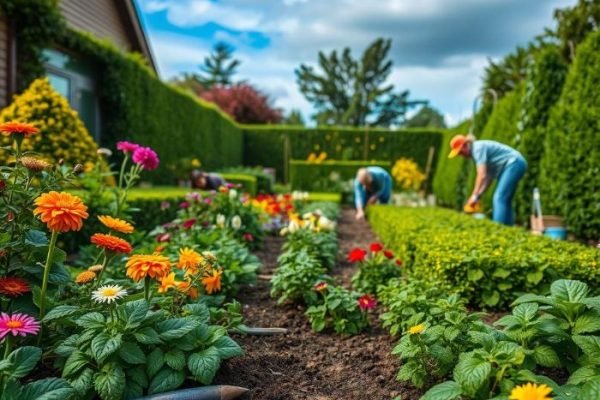
Ever thought about how a garden can recover from bad weather? It’s not just about putting back plants. It’s a detailed plan to make your outdoor area better. Knowing how weather affects your garden is key. This article will show you how to fix your garden’s beauty. Key Takeaways Assessing the Damage and Planning Restoration…

Updated October 20, 2025 Leaving home even for a short stretch can undo weeks of growth. A few hot afternoons are enough for pots to bleach, soil to crust, and stems to fold overnight. The fix isn’t complicated, but it’s never luck – it’s a short rehearsal that locks in moisture and removes every silent…

Have you thought about grouping your plants by their water needs? This idea does more than make your garden look good. It helps your plants stay healthy and saves water too. By knowing how much water each plant needs, you can water more wisely. This changes how you garden, making it better for the planet…
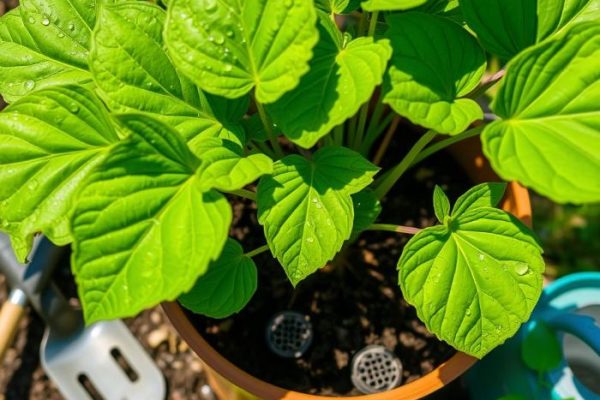
Pot drainage keeps container moisture balanced so roots drink across the whole profile and growth doesn’t stall. When outlets run clear and the mix holds its shape, water moves through, air returns, and the telltale dry crust on top fades. Watch for two signals after watering – a brief release from the outlet and a…

Have you ever thought about how one invasive plant can mess up an entire ecosystem? Invasive plants are a big problem. They harm native ecosystems, threaten biodiversity, and hurt the environment. We can fight this by using good prevention strategies. Garden lovers and land managers can make a big difference. We will talk about how…

Have you ever thought about how air pollution affects plants? As air quality gets worse, it’s key to know how pollutants harm plants. Air pollution, mainly from factories and cars, is a big threat to plants. Signs of damage can be seen in plants. They might grow slowly, change color, or even die. How much…

Vertical gardening for small spaces can turn a bare rail into meals when choices match the site. Get it wrong and you stain siding, stress anchors, and scorch leaves; get it right and you harvest within reach with clean runoff and a frame that holds shape. The win comes from reading heat on the wall,…

Ever wondered why some gardens are full of flowers while others have none? The answer often is in how well the roses are cared for, especially when it comes to pruning. Pruning roses is more than just making them look good. It’s key to keeping them healthy and strong. This guide will show you how…

Last Updated June 05, 2026 An urban garden can look healthy and still carry a soil history the plants do not reveal. Vacant lots may have held demolition debris. Narrow strips beside older houses may hold paint chips in the topsoil. Beds near busy roads may carry lead from past traffic. Vegetables can grow in…

Ever thought about how a simple plant could harm its home? Invasive garden species, brought in by us, threaten local plants and animals. They take over gardens, pushing out native species and reducing biodiversity. Knowing these plants is key to keeping our gardens healthy and our ecosystems balanced. Some invasive species can cause big environmental…