


Last Updated June 03, 2026
Chrysanthemums usually show feeding mistakes before they run out of flowers. A plant can grow a thick green mound and still set weak buds. Another can yellow from the lower leaves after weeks in a pot with leached soil. A third can burn at the tips after a late heavy dose meant to rescue the display.
The right plan for fertilizing chrysanthemums changes as the plant changes. Early growth needs enough nitrogen to build shoots and leaves. Branching plants need balanced nutrition and regular water. Budded plants need restraint, because late excess nitrogen can push soft foliage when the plant should be finishing flowers.
For garden mums, fertilizer works best as a timed support system: prepare fertile soil, feed during active growth, ease back as buds form, and let water move nutrients through the root zone without leaving salts behind.
Key Takeaways:
- Feed chrysanthemums most actively during spring and early summer growth
- Use balanced fertilizer before buds, then avoid late nitrogen-heavy feeding
- Water before liquid feeding so dry roots do not burn
- Container mums need closer feeding checks because nutrients leach faster
- Diagnose leaves, stems, buds, and soil moisture before adding more fertilizer
Table of Contents
Chrysanthemum Fertilizer Timing – Feed Growth Before Buds
Chrysanthemums are short-day flowering plants. They spend spring and early summer building shoots, leaves, and branch points. Later, as nights lengthen and buds form, the plant shifts energy toward flowers. Fertilizer should follow that shift.
Spring-planted garden mums can usually be fed about four weeks after planting once roots are active and new growth is visible. A complete garden fertilizer or balanced soluble feed works during this stage because the plant is building the structure that will later carry flowers.
Once the plant has started setting buds, heavy feeding becomes riskier. Late nitrogen can make the canopy leafy, soft, and slow to finish. Budded nursery mums bought in fall often need water and light first, because the growing work was already done before the pot reached the store.
Garden mums are heavy feeders, so the plan should be regular and measured. Small timed feedings during active growth beat one strong rescue dose after stems stretch, buds stall, or leaves start paling.
| Growth Stage | Main Plant Job | Fertilizer Move | Mistake To Avoid |
|---|---|---|---|
| Before planting | Build rootable soil | Work compost and soil-test corrections into the bed | Planting into poor soil and trying to fix everything with liquid feed |
| Early vegetative growth | Make leaves, roots, and shoots | Use a balanced complete fertilizer after roots begin growing | Feeding dry, stressed, newly transplanted plants |
| Branching after pinching | Push side shoots | Keep light regular feeding and even moisture | Letting the plant dry out right after pinching |
| Bud formation | Set and hold flower buds | Ease back on nitrogen-heavy products | Using lawn-style fertilizer for bigger blooms |
| Full bloom | Hold flowers and color | Prioritize water, light, and deadheading over heavy feeding | Adding fertilizer to fix faded, aging flowers |
Nutrients Chrysanthemums Need – Nitrogen, Phosphorus, Potassium, And Trace Elements
Chrysanthemums need the same core nutrients as other flowering perennials, and their timing makes the balance feel different. Nitrogen matters early. Phosphorus supports root and flower processes. Potassium helps water movement, stem strength, and bloom performance. Calcium, magnesium, iron, manganese, and zinc become visible when pH, wet soil, or depleted potting mix blocks uptake.
Nitrogen drives green growth. Too little can leave older leaves pale and growth slow. Too much can make stems lush and weak, especially near bud set. A plant that looks leafy and refuses to bloom may have been fed like a foliage plant.

Phosphorus is often sold as the bloom nutrient. Adding a high-phosphorus product without a soil test can be wasteful. Many garden soils already contain enough phosphorus. Root health, day length, pinching timing, sun, and water often decide bloom count before a bloom-booster label does.
Potassium deserves attention because chrysanthemums carry many buds on a compact plant. Adequate potassium supports firmer growth and helps the plant handle water stress. In containers, potassium can wash out with frequent watering, so potted mums may show stress faster than bed-grown plants.
| Nutrient | What It Supports | Low-Supply Clue | Excess Or Misuse Clue |
|---|---|---|---|
| Nitrogen | Leaves, shoots, early canopy growth | Pale older leaves and weak growth | Soft leafy growth and delayed flowers |
| Phosphorus | Roots, energy movement, flower processes | Poor growth in cold or poor soil | Overuse without soil-test need |
| Potassium | Stem firmness, water regulation, bloom support | Weak stems and edge stress under water swings | Salt buildup in containers if overapplied |
| Magnesium | Chlorophyll and leaf color | Yellowing between veins on older leaves | Adding Epsom salts without confirming the cause |
| Iron and manganese | Green new growth | Yellow new leaves with green veins | Treating high-pH uptake problems with more nitrogen |
Soil Preparation Makes Chrysanthemum Feeding Work
Fertilizer cannot compensate for a poor root zone. Chrysanthemums need fertile, well-drained soil that stays evenly moist without turning airless. If roots sit in compacted wet soil, added nutrients may remain in the bed as the plant acts hungry.
Start with organic matter and soil structure before product choice. Compost improves water movement, nutrient holding, and root contact when it is mixed through a broad planting area. A narrow pocket of rich material inside dense soil can hold water around the crown and make feeding less predictable.

A soil test is most useful before planting perennial garden mums. It can show pH, phosphorus level, potassium level, and organic matter. The interaction between pH and nutrient availability matters for chrysanthemums because yellow leaves can come from nutrient lockout as much as nutrient shortage. Soil pH and fertilizer efficiency helps explain why extra feed sometimes changes very little.
Good soil preparation for chrysanthemums also reduces the need for aggressive fertilizer corrections later. A plant growing in loose, drained, fertile soil can use lighter feeding with fewer swings between pale growth and burned edges.
Fertilizer Types For Chrysanthemums – Granular, Liquid, Slow-Release, And Organic
Different fertilizer types solve different chrysanthemum problems. Granular products help beds. Liquid feeds respond quickly during active growth. Slow-release products suit containers and busy schedules. Organic amendments improve the soil system, then release nutrients as microbes break them down.
A balanced granular fertilizer works well for in-ground mums when it is applied lightly, spread around the root zone, and watered in. Keep it off leaves and crowns. Concentrated granules sitting against stems can burn tissue after irrigation or rain.
Liquid fertilizer fits container mums and fast-growing young plants because it moves with water. Apply it to moist soil, not dry stressed roots. Half-strength or label-rate feeding at sensible intervals is safer than mixing strong solutions for a quick bloom push.
Slow-release fertilizer can carry container mums for part of the season. Temperature, watering frequency, and product coating affect release speed. A pot watered daily in heat may use and leach nutrients faster than the same product label suggests.
Compost, worm castings, well-rotted manure, and organic flower fertilizers can work well when they are used early enough. They are slower tools. They build the feeding base well ahead of the bud stage and make a poor emergency fix for a fading fall pot.
Container Chrysanthemums Need A Different Feeding Rhythm
Container mums have a smaller root zone and a limited nutrient bank. Each watering can move dissolved nutrients out through the drainage holes. Potted chrysanthemums therefore need more regular, measured feeding than plants growing in a prepared bed.
Fresh nursery pots may already contain fertilizer. A newly purchased fall mum in full bud should be watered carefully for the first week before adding more feed. If the pot is root-bound, dry at the edges, or shedding water down the side, fertilizer will not reach roots evenly.
For containers kept through the growing season, use a slow-release fertilizer mixed into fresh potting mix or a light liquid feed during active growth. Flowering container plants often prefer lower nitrogen and enough phosphorus and potassium, especially as buds develop. Avoid high-nitrogen products that keep the plant pushing leaves after the shape is already built.
Watering and feeding are tied together in pots. Dry mix can repel water, and fertilizer applied to dry roots can burn. A consistent watering rhythm for chrysanthemums matters because nutrient uptake depends on a moist, oxygenated root zone.
Pinching, Buds, And Feeding – Keep Growth And Flower Timing Together
Fertilizer can build the plant. Pruning decides how that growth is arranged. Pinching spring and early summer mums creates more side shoots, which creates more places for buds later. Feeding during that regrowth window helps the plant replace removed tips with a fuller canopy.
Once buds are setting, the feeding job changes. The plant needs enough moisture and stored strength to finish the display. A late surge of leaf growth can crowd buds and stretch stems. Stop treating the mum as a green mound once the future flowers are visible.
Late pinching and late feeding can create the same disappointment from different directions: plenty of green growth and too little bloom time before frost. Pruning and deadheading chrysanthemums should stay aligned with the feeding plan, especially for perennial garden mums grown for fall color.
Different chrysanthemum forms respond differently too. Large exhibition-style blooms, spray mums, cushion mums, and garden pompons do not all need the same growth strategy. Chrysanthemum varieties and types change fertilizer intensity because plant habit, flower size, and production style affect how much growth the plant must support.
Choose The Right Fertilizer Move By Plant Signal
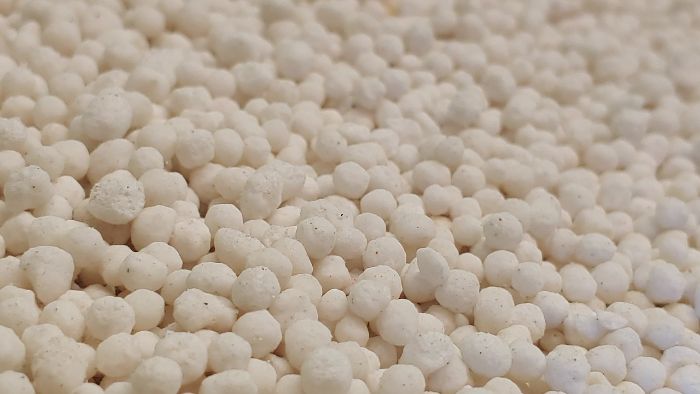
Chrysanthemum feeding should respond to the plant in front of you. Leaf color, stem texture, bud stage, soil moisture, and container drainage all matter before another scoop or liquid dose is added.
| What You See | Likely Feeding Issue | First Check | Better Move |
|---|---|---|---|
| Pale older leaves during active growth | Low nitrogen or depleted soil | Soil moisture and recent feeding history | Apply a light balanced feed to moist soil |
| Leafy plant with few buds | Too much nitrogen or late feeding | Bud timing, sun exposure, and pinching date | Stop nitrogen-heavy feed and focus on light and timing |
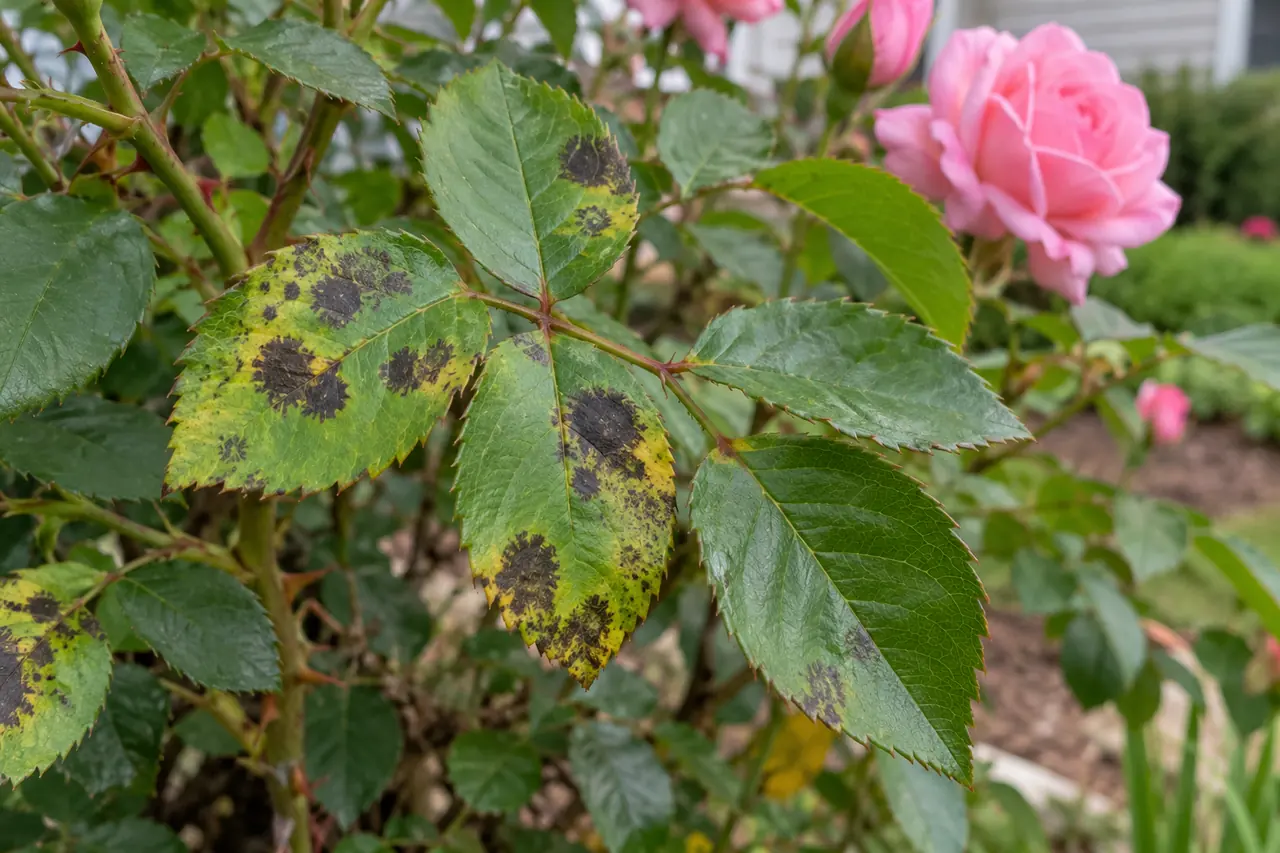
| Brown leaf tips after fertilizing | Salt buildup or fertilizer burn | Dry roots, pot drainage, and product strength | Flush the pot or water the bed deeply if drainage is sound |
| Yellow new leaves with green veins | pH-related micronutrient lockout | Soil pH and wet root conditions | Correct the root-zone cause before adding nitrogen |
| Buds form and stall | Water stress, weak roots, or depleted potting mix | Root moisture and container condition | Stabilize watering, then use a mild bloom-supporting feed if growth is active |
| Wilted plant in wet soil | Root damage, not a nutrient shortage | Drainage, smell, and crown health | Pause feeding and fix the root zone |
Overfeeding recovery starts with restraint. If fertilizer burn, salt crust, or wet-root stress is visible, feeding harder will make the root zone worse. Fixing an overfertilized garden begins with reducing root-zone stress before any bloom product is added.
Conclusion – Feed Chrysanthemums For The Stage They Are In
Chrysanthemums bloom best when feeding follows the season. Build the soil first. Feed young growth lightly and regularly. Support branching after pinching. Reduce nitrogen pressure as buds form. Treat full bloom as a finishing stage, not a moment for heavy correction.
The most reliable fertilizer plan is measured and observant. Check soil moisture before liquid feeding, keep granules away from crowns, watch container drainage, and read the plant before changing products. Strong fall color begins months earlier, when the mum is still a green plant building the stems that will carry the flowers.
FAQ
What Is The Best Fertilizer For Chrysanthemums?
A balanced complete fertilizer works well during active spring and early summer growth. As buds form, avoid nitrogen-heavy products and rely more on water, sun, and careful maintenance. Soil testing gives the cleanest answer for garden beds.
When Should I Start Fertilizing Chrysanthemums?
Start after roots are active and new growth is visible, often about four weeks after planting for garden mums. Avoid feeding newly transplanted, dry, or wilted plants until they have recovered and the soil is evenly moist.
When Should I Stop Fertilizing Mums?
Ease back once buds are forming. Late heavy feeding, especially with high nitrogen, can push leafy growth when the plant should be finishing flowers. Fall nursery mums already in bud usually need careful watering first, with fertilizer held unless active growth resumes.
Can I Use 10-10-10 Fertilizer On Chrysanthemums?
Yes, a complete balanced fertilizer such as 10-10-10 can work during early active growth if it is applied lightly and watered in. Follow the label and reduce intensity for containers or plants that are already stressed.
Do Potted Chrysanthemums Need More Fertilizer?
Potted chrysanthemums often need closer feeding checks because frequent watering leaches nutrients from the container. Use slow-release fertilizer in fresh mix or light liquid feeding during active growth, then reduce feeding as buds and flowers dominate.
Why Are My Chrysanthemums Green With Few Flowers?
Too much nitrogen, late pinching, low light, warm nights, or interrupted dark periods can all delay blooming. Stop nitrogen-heavy feeding once buds should be forming and check whether the plant is getting enough sun and uninterrupted night darkness.