
Last Updated June 07, 2026
A school community garden becomes an educational tool when it has a learning job, a seasonal rhythm, and adults who know what students are meant to practice there. A bed with tomatoes, marigolds, and a cheerful sign can still turn into a spring photo moment followed by a summer weed problem. A teaching garden has a different structure: each crop, path, compost bin, water routine, harvest day, and tasting activity connects to a lesson.
That lesson can be academic, practical, social, or nutritional. Students can measure seed spacing, compare soil texture, read weather data, taste a vegetable they grew, design habitat for pollinators, run a compost audit, write field notes, or explain how water moves through a raised bed. The garden turns abstract school topics into living systems that change by the week.
School gardens can support nutrition knowledge, willingness to try fruits and vegetables, and positive attitudes toward produce. The same garden can also carry science, math, health, environmental studies, language arts, art, and civic learning when the school treats it as part of instruction.
Key Takeaways
- School community gardens work as educational tools when garden tasks connect to curriculum, nutrition, sustainability, and student responsibility.
- The garden needs a defined learning role before beds, crops, and volunteer duties are chosen.
- Strong programs use curriculum maps, seasonal calendars, safety routines, role assignments, and harvest plans.
- Nutrition lessons become stronger when students grow, harvest, taste, prepare, and discuss familiar and new foods.
- Environmental learning improves when students measure compost, water use, soil cover, biodiversity, and weather patterns.
- Garden success should be measured through student learning, participation, food experiences, maintenance continuity, and community connection.
Table of Contents
Start With The School Garden’s Learning Job
The first design decision is educational purpose. A school garden can teach many things. Each campus needs one main job for the first season. That job controls bed size, crop choice, adult roles, storage, student access, and lesson timing. Science lessons need observation plots and repeatable data. Nutrition lessons need harvestable crops, tasting routines, and kitchen coordination. Community-service projects need distribution rules and family participation.
Clear purpose protects the garden from becoming a collection of unrelated activities. It also helps administrators, teachers, families, and facilities staff understand why the site deserves time during a busy school year. When a garden teaches a defined subject, it becomes easier to schedule, fund, maintain, and defend.
| Educational Role | What Students Practice | Garden Features That Support It | Risk To Plan Around |
|---|---|---|---|
| Science learning lab | Plant life cycles, soil, weather, decomposition, pollination, data collection | Small repeatable beds, labels, measuring tools, journals, weather station | Experiments lose value when beds change too often |
| Nutrition classroom | Food origin, tasting, harvest skills, meal language, produce recognition | Quick greens, herbs, carrots, peas, tomatoes, tasting table, wash station | Harvest timing may miss cafeteria or classroom schedules |
| Sustainability lab | Composting, water conservation, soil cover, biodiversity, waste cycles | Compost bins, mulch zones, pollinator strip, rain gauge, drip line demonstration | Compost, water, and tool routines need adult oversight |
| Outdoor classroom | Observation, writing, drawing, discussion, reflection, place-based learning | Seating, shade, paths, clipboards, quiet observation areas | The space can distract younger students without a tight activity structure |
| Community service garden | Teamwork, harvest handling, donation planning, civic responsibility | Shared production beds, harvest crates, posted rules, partner pickup point | Produce can peak during school breaks |
| After-school garden club | Leadership, long-term care, tool use, peer teaching, project ownership | Tool storage, student roles, project board, seasonal checklists | Benefits may stay with club members unless classroom links are built |
Schools that want the garden to serve families can connect it with community gardening for food security. That approach changes the crop plan. The garden needs harvest rules, family pickup, culturally familiar crops, recipe support, and a realistic view of how much produce a school site can supply.
Match Garden Tasks To Curriculum Outcomes
A school garden becomes easier to keep alive when teachers can use it for required learning. The work has to fit the classroom calendar. Seed starting belongs with plant needs, measurement, and prediction. Compost belongs with decomposition, matter cycles, and waste audits. Harvest belongs with nutrition, fractions, sensory language, and food systems. Winter belongs with planning, seed catalogs, maps, data review, and design.
A curriculum map works better when one garden task connects to one subject outcome at a time. School garden programs can support academic, social, behavioral, environmental, and nutrition learning when garden activities connect plant growth, food systems, environmental stewardship, and student responsibility. Measuring soil temperature in three beds and comparing germination gives students something concrete to observe and explain.
| Subject Area | Garden Task | Learning Outcome | Simple Evidence Of Learning |
|---|---|---|---|
| Science | Compare seed germination in warm and cool soil | Students explain how temperature affects plant growth | Germination chart, soil temperature log, short claim with data |
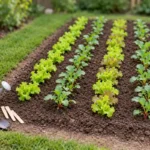
| Math | Plan spacing for lettuce, beans, or herbs in a raised bed | Students use measurement, area, arrays, and estimation | Bed map with spacing calculations |
| Health | Harvest and taste leafy greens with two dressings or dips | Students identify plant parts, flavors, and meal uses | Tasting notes, preference graph, produce vocabulary list |
| Language arts | Write observation entries from the same plant each week | Students use precise description and sequence language | Garden journal with dated observations |
| Social studies | Trace one crop from seed source to lunch table | Students explain local food systems and labor roles | Food pathway diagram |
| Environmental science | Audit cafeteria scraps and add approved plant waste to compost | Students connect waste reduction to soil building | Compost log, waste weight chart, decomposition notes |
| Art and design | Design labels, pollinator signs, or seasonal bed maps | Students communicate plant information visually | Accurate labels or garden map for public use |
Curriculum links also help the garden survive staff turnover. A folder of lessons, maps, harvest dates, supply lists, and student examples gives a new teacher a working system. The garden becomes part of the school routine because the process no longer depends on one enthusiastic person.

Teach Nutrition With Harvest, Tasting, And Food Systems
Nutrition education becomes more memorable when students handle the food before they talk about it. A carrot pulled from soil, a pea eaten from the vine, or basil torn into a tomato salad gives students sensory experience. That experience can open the door to vocabulary, food groups, plant parts, cultural foods, cafeteria choices, and home cooking conversations.
The garden can teach nutrition with harvests far below cafeteria-scale volume. Small harvests can still support tasting cups, classroom salads, herb water, recipe cards, smoothie demos, family food nights, or student-run produce displays. The learning goal is food confidence: students recognize fresh foods, use safe handling routines, and gain language for what they taste.
| Crop Or Garden Product | Nutrition Lesson | Student Activity | Planning Note |
|---|---|---|---|
| Lettuce, spinach, kale, chard | Leafy greens, plant parts, color variety | Build a small salad and graph taste preferences | Use clean harvest bins and wash routines |
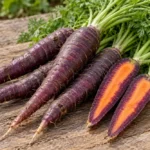
| Carrots, radishes, beets | Roots, soil contact, texture, flavor intensity | Compare raw slices, roasted samples, or pickled versions | Plan extra washing time for root crops |
| Tomatoes, peppers, cucumbers | Fruit vegetables, color, hydration, seasonal meals | Make salsa, chopped salad, or tasting cups | Use harvest dates that match school attendance |
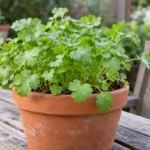
| Herbs | Aroma, flavor, lower-salt seasoning choices | Smell test, herb butter, herb water, recipe matching | Herbs work well in small spaces and containers |
| Beans, peas, edamame | Seeds, protein foods, pods, garden snacks | Shell pods, count seeds, compare fresh and dry forms | Choose varieties that mature during the school term |
| Sweet potatoes or winter squash | Storage crops, seasonal eating, cultural recipes | Map the crop from planting to curing to meal use | Needs space, warm season, and storage planning |
Nutrition lessons become stronger when students see the full food pathway. Seed choice, soil care, watering, harvest, washing, storage, preparation, compost, and sharing all belong to the same story. That pathway helps students understand food as a living system with a route from seed to lunch.
Use The Garden For Sustainability Lessons Students Can Measure
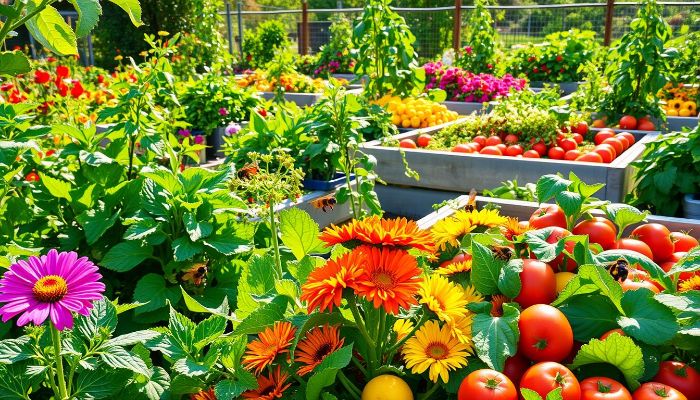
School gardens give environmental sustainability a visible scale. Students can see mulch reducing splash, compost shrinking waste, roots holding soil, insects visiting flowers, and dry beds needing water. Those observations work better than slogans because students can measure change with simple tools.
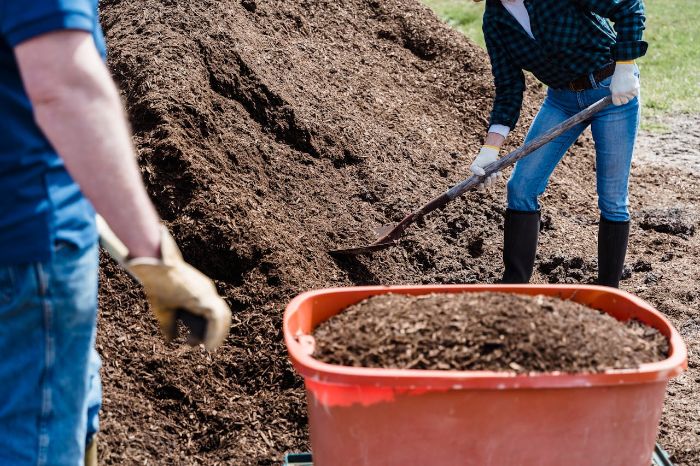
Compost is a strong classroom asset because it links cafeteria waste, decomposition, soil life, carbon, moisture, and responsibility. Students can weigh approved plant scraps, record pile temperature, compare finished compost texture, and discuss which materials stay out of the bin. The same routine can support science, math, custodial coordination, and waste reduction goals.
Sustainable gardening practices become concrete in a school garden when students track water, soil cover, organic matter, plant diversity, and habitat. The garden gives them a place to test choices and see results across weeks.
| Sustainability Topic | Garden Activity | Student Measurement | What The Lesson Shows |
|---|---|---|---|
| Water conservation | Compare mulched and bare soil after irrigation | Soil moisture reading, infiltration time, plant wilt notes | Surface cover changes how long water stays useful |
| Soil health | Compare compost-amended soil with tired bed soil | Texture ribbon, earthworm count, infiltration test, root growth notes | Soil is a living growing medium with structure and biology |
| Biodiversity | Plant flowers beside vegetables and observe insects | Pollinator count, flower visit tally, insect sketchbook | Diverse plantings support food webs around the garden |
| Waste reduction | Sort approved plant scraps for compost | Weight of scraps diverted, compost volume change | Organic waste can return to the growing cycle |
| Climate observation | Track shade, heat, wind, and rainfall around beds | Weather log, bed temperature map, plant response notes | Microclimates shape plant growth and water demand |
Soil health improvement is especially useful for school gardens because students can link compost, roots, drainage, mulch, and soil organisms. The lesson also protects the garden itself, since weak soil makes classroom harvests less reliable.
Plan The School-Year Calendar Before The First Bed Is Planted
School gardens fail most often at the calendar level. The growing season follows daylight and weather. The school year follows exams, field trips, holidays, teacher planning days, and summer break. A garden plan has to respect both calendars.
Fall planting often fits schools better than late spring ambition. Cool-season greens, radishes, herbs, peas, garlic, cover crops, and compost work can give students visible progress before winter. Spring can focus on seedlings, transplanting, pollinators, warm-season starts, and harvest lessons. Summer needs a handoff plan before the last week of school arrives.
| School Season | Garden Focus | Good Crops Or Tasks | Education Asset |
|---|---|---|---|
| Early fall | Fast learning and site setup | Radishes, lettuce, arugula, herbs, compost setup, bed mapping | Quick germination data and student ownership |
| Late fall | Harvest, soil cover, decomposition | Greens, garlic, cover crops, leaf mulch, compost observations | Food tasting, waste cycles, seasonal change |
| Winter | Indoor planning | Seed catalogs, crop maps, germination tests, garden budgets, design revisions | Math, reading, planning, data review |
| Early spring | Seed starting and cool-season planting | Peas, lettuce, spinach, carrots, herbs, classroom seedlings | Plant needs, timing, transplant care |
| Late spring | Warm-season transition and student celebration | Tomatoes, peppers, beans, flowers, harvest tasting, family event | Food systems, pollination, communication |
| Summer break | Maintenance and harvest continuity | Mulch, irrigation checks, volunteer harvest, cover crop, low-maintenance perennials | Community partnership and program resilience |
A summer plan can be simple. Use fewer warm-season crops, mulch deeply, set a watering schedule, assign harvest days, partner with a family group, or plant a cover crop in beds that lack summer care. For campuses with limited support, container herbs, fall greens, spring peas, and pollinator beds may serve the school better than a large summer vegetable plot.
Set Roles, Safety Rules, And Access
A school community garden needs clear roles because students, teachers, volunteers, facilities staff, and families all touch the space in different ways. Governance sounds formal. In practice, it prevents ordinary friction: missing tools, locked gates, dry beds, unclear harvest permissions, damaged hoses, compost mistakes, and adult supervision gaps.
Community garden foundations apply on a school campus as much as they do in a neighborhood garden. Rules for access, water, tools, crops, shared beds, volunteers, and decision-making protect the educational purpose.
| Role | Responsibility | Practical Task | Continuity Risk |
|---|---|---|---|
| Teacher lead | Connects garden work to lessons | Schedules classes, prepares activity materials, keeps student work samples | Program can pause if one teacher leaves |
| Garden coordinator | Keeps the site functional across classes | Checks beds, tools, water, compost, volunteer calendar | Role needs backup and written procedures |
| Facilities staff | Protects campus operations and safety | Reviews water access, pathways, storage, mowing boundaries, drainage | Garden can conflict with maintenance if staff are left out |
| Cafeteria or nutrition staff | Connects harvest to food education | Coordinates tasting rules, wash needs, allergy notes, recipe demos | Food handling needs school policy approval |
| Families and volunteers | Support workdays and break coverage | Water, weed, harvest, translate, share recipes, mentor students | Volunteer access needs screening and sign-in rules |
| Students | Practice care, observation, leadership, and reflection | Plant, measure, water, record, harvest, clean tools, teach peers | Student roles need age-appropriate tools and supervision |
Safety lives in daily routines, posted habits, and adult supervision. Test soil before growing edible crops in ground beds, confirm safe water sources, and keep tools and harvest containers clean. Use clean growing media in raised beds when site history is uncertain, store tools securely, require handwashing after garden work, avoid untreated manure, keep compost rules posted, manage allergies, and match tools to student age and supervision.
Access is also part of safety. Wide paths, stable surfaces, seating, reachable bed height, shade, clear labels, and translated instructions help more students use the garden. Inclusive community garden design turns access into a learning condition built into the site.

Measure Learning Outcomes That Show The Garden Works
Harvest weight can be exciting. It is a weak main measure for school gardens. A small campus garden may produce modest food volume and still deliver strong learning. A better scorecard tracks student knowledge, participation, food experience, responsibility, family engagement, and garden continuity.
Measurement also helps with grants and administrative support. A principal may need evidence that the garden supports standards, attendance, wellness, or community connection. Teachers may need proof that outdoor time produces usable student work. Families may need to see that the garden is safe, organized, and worth supporting.
| Outcome Area | What To Track | Easy Evidence | Why It Matters |
|---|---|---|---|
| Academic learning | Lesson completion, vocabulary, data use, written explanations | Student journals, graphs, bed maps, exit tickets | Shows the garden supports required instruction |
| Nutrition learning | Produce recognition, tasting participation, food vocabulary | Tasting charts, recipe cards, student reflections | Shows students are engaging with fresh food |
| Sustainability behavior | Compost use, water tracking, waste reduction, habitat observations | Compost logs, water logs, pollinator counts | Shows ecological concepts are being practiced |
| Student leadership | Garden jobs, peer teaching, care routines, workday participation | Role chart, photos, teacher notes, student presentations | Shows responsibility and teamwork |
| Community connection | Family workdays, harvest shares, community lessons, volunteer hours | Sign-in sheets, harvest logs, event notes | Shows the school garden reaches beyond one classroom |
| Program continuity | Bed condition, tool inventory, summer care, teacher participation | Season closeout checklist, supply list, maintenance notes | Shows the garden can last beyond one enthusiastic season |
A school community garden also builds social connection when students work across classes, families join workdays, and local gardeners teach practical skills. Social networks in community gardens can turn a learning garden into a relationship hub as well as a teaching site.
Common Mistakes That Weaken School Garden Programs
One common mistake is designing the garden before defining its teaching role. Large beds, fruit trees, compost systems, and greenhouses can sound exciting, then create work that outgrows the school schedule. A smaller garden with clear lessons usually teaches more than a large garden with unclear ownership.
Another mistake is planting for summer when students are gone. Tomatoes, peppers, cucumbers, and squash can work with a strong summer team. Many schools get better results from fall greens, spring peas, herbs, pollinator beds, garlic, cover crops, and classroom seedlings. The crop calendar should match student presence.
Schools also weaken garden programs by leaving facilities staff, cafeteria staff, nurses, and administrators out of early decisions. Water, mowing, allergy policy, tool storage, harvest handling, and supervision affect daily use. Bringing those voices in early saves the garden from avoidable conflict.
The last common mistake is treating the garden as an enrichment space with no evidence trail. Student journals, tasting graphs, compost logs, maps, photos, harvest notes, and lesson folders help the garden keep support. The evidence can stay simple. It needs to show learning.
Conclusion
School community gardens work best when they are built as teaching systems. Plants, harvests, and outdoor space create the setting. Curriculum links, seasonal timing, safety rules, adult roles, student evidence, and community participation turn that setting into a teaching system.
A school garden can teach science, nutrition, sustainability, food systems, teamwork, and care for place in a way classroom worksheets rarely replace. Start with a clear learning job, match crops to the school calendar, keep the program safe and accessible, and track the student work that shows the garden belongs at the center of learning.
FAQ
What makes a school community garden educational?
It becomes educational when students use it for planned lessons, observation, measurement, food tasting, environmental learning, and shared responsibility. The garden needs curriculum links, adult roles, safety routines, and a seasonal plan.
Which subjects can a school garden teach?
A school garden can teach science, math, health, nutrition, environmental studies, language arts, art, and social studies. Strong lessons connect one garden task to one learning outcome, such as measuring seed spacing or recording pollinator visits.
How do school gardens support nutrition education?
School gardens support nutrition education by letting students grow, harvest, wash, taste, describe, and prepare fresh foods. Even small harvests can support tasting cups, recipe cards, classroom salads, herb activities, and family food events.
How can a school garden survive summer break?
A summer plan can use deep mulch, fewer warm-season crops, assigned watering days, family volunteers, community partners, harvest pickup rules, or cover crops in unused beds. Write the plan before the final weeks of school.
What safety rules do school gardens need?
School gardens need soil safety checks, clean growing media when site history is uncertain, handwashing, age-appropriate tools, secure storage, adult supervision, allergy awareness, safe compost rules, and approved harvest handling.
How should schools measure garden success?
Schools should measure lesson use, student journals, tasting participation, data charts, compost logs, leadership roles, family events, volunteer hours, bed condition, and summer-care continuity. Harvest weight can be useful; learning evidence matters more.