


Last Updated June 06, 2026
A garden can have drought-tolerant plants, mulch, and drip tubing and still waste water every week. The problem is usually the layout. Thirsty vegetable beds share a valve with low-water shrubs. Paths shed rain toward the street. Slopes run dry at the top and soggy at the bottom. Old lawn stays because the irrigation system was built around it years ago.
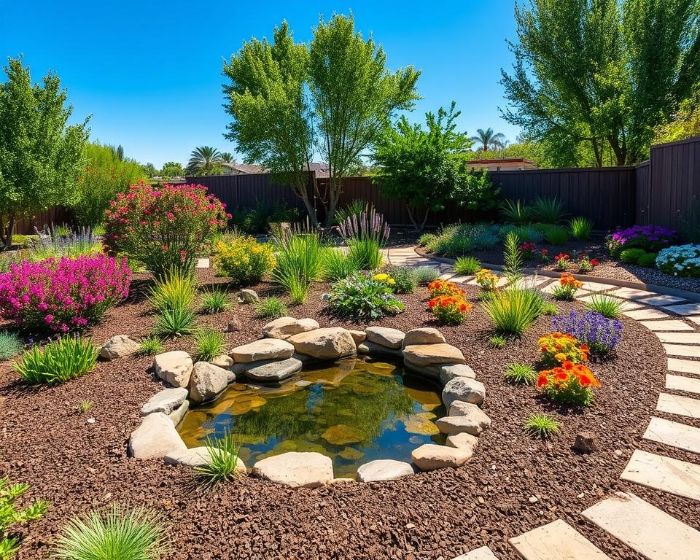
A water-efficient garden layout puts each area where its water demand makes sense. High-use and high-water areas stay small and easy to reach. Moderate-water planting sits where shade, soil, and runoff can support it. Low-water plants take the exposed edges, slopes, and dry borders. Irrigation routes follow those zones so one watering schedule does not cross the whole yard.
Good water conserving garden design starts before the plant list. It maps sun, shade, slope, roof runoff, soil intake, walking routes, outdoor seating, existing trees, and irrigation access. After that, plant choices and watering systems become much easier to place.
Key Takeaways
- A water-efficient garden layout starts with water movement before plant selection.
- Hydrozones group plants by water need, sun, soil, slope, root depth, and irrigation method.
- Keep high-water areas small, useful, and close to doors, hoses, rain capture, or daily access.
- Use low-water plants on exposed slopes, curb strips, outer borders, and hot reflected-heat zones.
- Water savings improve after the first season when roots spread, mulch settles, and irrigation schedules are adjusted.
Table of Contents
Choose The Right Water-Efficient Layout For Your Yard
The right layout depends on how the yard is used. Front yards need curb appeal and access. Backyards may need seating, pets, children, vegetables, shade, and privacy. Slopes need runoff control before plant color. Narrow side yards need clean water routing and plants that tolerate reflected heat.
| Yard Situation | Water-Efficient Layout Move | Best Irrigation Fit | Common Mistake |
|---|---|---|---|
| Front yard with unused lawn | Keep only functional turf or replace it with layered low-water planting | Drip for beds, spray only for remaining turf | Leaving old sprinklers to water new shrub beds |
| Backyard with seating and paths | Place moderate-water plants near the living area and low-water plants beyond it | Separate drip zones for beds around seating | Putting the lushest plants farthest from access and water |
| Vegetable or herb garden | Keep edible beds in one high-water working zone | Dripline grid or soaker rows | Mixing vegetables into low-water ornamental zones |
| Sunny slope | Use contour planting, mulch, and low-water plants with deep roots | Drip lines across slope, not straight downhill | Watering longer until runoff reaches the bottom |
| Hot driveway or curb strip | Choose tough low-water plants and leave room for mature spread | Targeted drip during establishment | Using thirsty annuals in reflected heat |
| Shaded foundation bed | Use moderate-water shade plants only where soil stays workable | Short, separate zone or hand watering | Giving shade plants the same schedule as full-sun beds |
Do not design the whole yard around the wettest plant. Limit high-water planting to places where it earns the water: food production, a small lawn people use, a container cluster near the door, or a focal bed that gets seen every day.
Map Water Movement Before Plant Placement
Water efficiency begins with the path water already takes. Rain falls from the roof. Irrigation lands on soil, leaves, mulch, paving, or sidewalk. Slope pulls it away. Compacted soil rejects it. Shade slows evaporation. Wind and reflected heat speed loss. A good layout works with those patterns.
Water-smart landscape design uses plant grouping, soil health, layout, and irrigation decisions together. That matters because no single product can fix a yard where water naturally runs away from the roots.
| Site Signal | What It Means | Layout Response | Check Before Planting |
|---|---|---|---|
| Water runs across the surface | Soil intake is slow, slope is strong, or mulch is missing | Use contour beds, small basins, terracing, or better soil surface cover | Run a hose briefly and watch the first path water takes |
| Low spots stay damp | Water collects after rain or irrigation | Place moisture-tolerant plants there or redirect excess safely | Check the area one day after rain |
| Upper slope dries first | Water moves downhill before soaking evenly | Use low-water plants at the top and slow water across the slope | Probe soil at top, middle, and bottom after watering |
| Wind dries a corner | Leaves and soil lose moisture faster | Use tougher plants, wind-filtering shrubs, or lower planting layers | Look for leaning growth, dry mulch, and wind exposure |
| Roof runoff enters one bed | That area receives extra water in storms | Use rain garden logic, a basin, or a dedicated moderate-water planting | Confirm overflow path during heavy rain |
| Sprinklers hit paving | Water is leaving the plant zone | Convert narrow beds to drip or change bed edges and head placement | Run irrigation and mark overspray with flags |
If roof runoff can be captured safely, connect the layout to rainwater harvesting techniques before choosing plants for that area. A rain barrel, basin, or swale should have an overflow route that keeps water away from foundations and neighbors.
Build Hydrozones Around Plant Demand And Exposure
Hydrozoning means grouping plants that can share a watering pattern. Water need is the first filter, and exposure changes the final decision. A low-water plant in shade may behave differently from the same plant beside a hot wall. A young tree needs establishment water that a mature drought-tolerant shrub may not need.
Hydrozones are useful because each irrigation zone can follow the water demand of the plants inside it, so low-water shrubs, vegetables, turf, and containers do not share one schedule.
Grouping plants by water needs works best when the garden also groups by exposure, soil, slope, root depth, and irrigation method. The goal is to avoid watering one zone for the plant that needs the most help.
| Hydrozone | Best Location | Plant Examples | Irrigation Pattern |
|---|---|---|---|
| High-water working zone | Vegetable beds, containers, new fruit plantings, useful lawn | Leafy greens, herbs, annual flowers, young fruiting plants | Regular irrigation, easy access, close monitoring |
| Moderate-water display zone | Entry beds, seating edges, shaded foundations, focal borders | Flowering perennials, ornamental shrubs, pollinator plants with summer support | Deep watering during dry periods |
| Low-water structure zone | Outer beds, slopes, curb strips, hot borders, dry paths | Native grasses, low-water shrubs, Mediterranean herbs, drought-tolerant perennials | Establishment water, then occasional support |
| No-regular-irrigation zone | Dry edges, utility strips, gravel paths, mature native areas | Regionally adapted plants that can stand local rainfall after establishment | Water only during establishment or severe drought if needed |
Keep the edges between hydrozones clear. A bed that fades gradually from vegetables to thirsty flowers to low-water shrubs often becomes one confused irrigation zone. Clean boundaries make the water schedule visible.
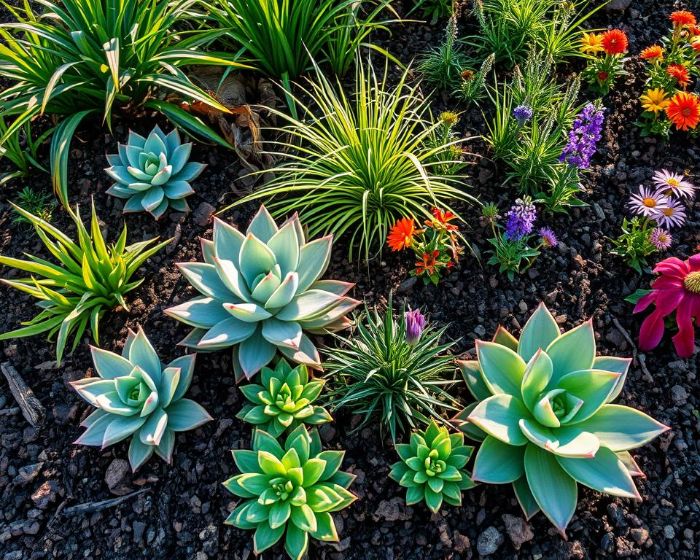
Place Plants Where Water Already Behaves Well
Plant placement should follow microclimate. The same plant can ask for less water in afternoon shade, more water beside concrete, and better drainage in a winter-wet low spot. A water-efficient layout uses the yard’s small differences instead of fighting them.
| Garden Position | Water Behavior | Good Plant Fit | Avoid |
|---|---|---|---|
| Near a downspout or basin | Extra stormwater during rain | Plants that handle brief wet periods and dry spells | Plants that rot in wet winter soil |
| West-facing wall or driveway edge | Heat and reflected light increase demand | Low-water, heat-tolerant shrubs, grasses, and herbs | Shallow-rooted moisture lovers |
| Under established trees | Shade reduces evaporation, tree roots compete for water | Dry-shade groundcovers and light-rooted understory plants | Frequent irrigation that harms mature tree roots |
| Top of slope | Water drains away quickly | Low-water plants with deep or spreading roots | High-water flowers that force runoff |
| Bottom of slope | Water collects after runoff | Moderate-water shrubs or moisture-tolerant plants | Dryland plants that need sharp drainage |
| Narrow side yard | Shade, wind tunnel effects, or reflected heat | Plants matched to the exact exposure, often in simple repeats | Mixed plants with different schedules in a tiny strip |
Use drought-tolerant plants as candidates, then filter them by soil, heat, winter drainage, mature width, and local climate. Drought-tolerant does not mean the plant can sit anywhere without establishment water.
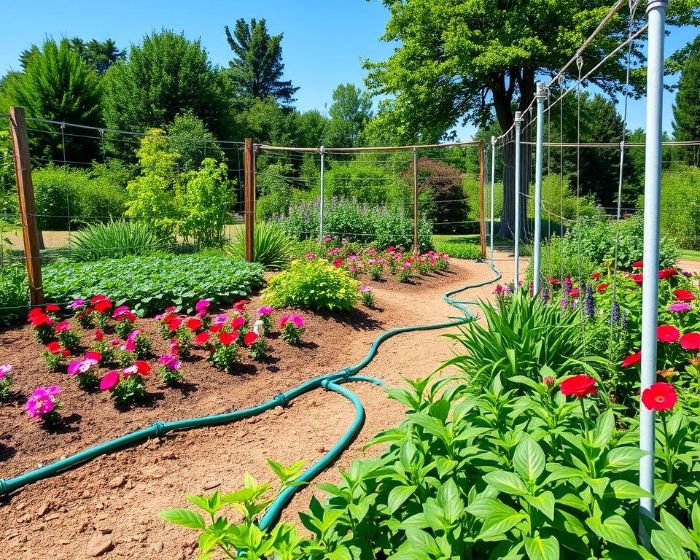
Design Irrigation Routes Before Planting Beds Are Final
Irrigation works best when the planting layout already separates water demand, root depth, access, and surface type. If a drip line has to snake through unrelated plants, cross paths, feed containers, water a tree, and support vegetables on one schedule, the garden will be hard to tune.
Plan water delivery when the bed shapes are still flexible. It is easier to move an edge on paper than to retrofit a valve after plants are in the ground.
| Area Type | Water Delivery | Layout Rule | Check After Installation |
|---|---|---|---|
| Vegetable beds | Dripline grid, soaker rows, or targeted drip | Keep edible beds together so they can receive regular water | Probe root depth after a full run |
| Shrub and perennial beds | Dripline, emitters, or micro-tubing matched to plant spacing | Group by mature size and water need | Check that emitters reach expanding root zones over time |
| Trees | Deep, wide watering around the root area | Do not treat a tree like a small shrub forever | Move water outward as the canopy expands |
| Useful lawn | Efficient spray or rotary coverage where turf remains | Keep turf in simple shapes that match irrigation coverage | Run a catch-can test and fix overspray |
| Containers | Separate drip micro-lines or hand watering | Keep containers close to access and out of unrelated bed zones | Check each pot because wind and material change dry-down |
| Dry ornamental zone | Establishment drip or temporary hose access | Design for reduced irrigation after roots settle | Remove or reduce water only after plants show root expansion |
Setting up drip irrigation is much easier after the hydrozones are drawn. The mainline, lateral lines, emitters, filters, and flush points should follow the planting logic.
Mixed yards need a root-depth check, runoff check, and seasonal runtime adjustment after efficient watering strategies are in place.
Use Lawn, Paths, And Hardscape To Reduce Water Demand
A water-efficient yard can still have lawn, seating, and paths. The difference is that each surface has a job. Turf belongs where people walk, play, sit, or cool a useful area. Paths belong where movement already happens. Hardscape belongs where it reduces irrigation demand without creating heat or runoff problems.
| Layout Element | Water-Saving Use | Design Detail | Risk To Avoid |
|---|---|---|---|
| Practical lawn | Keeps turf only where it is used | Use simple shapes that irrigation can cover evenly | Thin strips and corners that overspray paving |
| Permeable path | Moves people without adding irrigated area | Use gravel, spaced pavers, or permeable joints where suitable | Loose material washing downhill |
| Patio or seating pad | Replaces water-hungry surface with useful space | Slope runoff toward planting areas or safe drainage | Hot paving that bakes nearby plants |
| Mulched planting bed | Covers soil and reduces weed competition | Keep mulch thick enough to protect soil and pulled back from crowns | Overmulching stems and trunks |
| Dry creek or swale | Slows and directs stormwater | Use where water already flows and where overflow can be directed safely. | Sending water toward structures or neighboring property |
Hardscape should not simply replace lawn with heat. Pale gravel, stone, concrete, and walls can reflect heat into beds and raise plant water demand. Use planting pockets, shade, permeable surfaces, and mulch to keep the water-saving surface from becoming a dry heat trap.
Keep Moisture In The Soil With Mulch And Soil Structure
A layout saves water only if the soil can accept and hold useful moisture. Compacted soil sheds water. Bare soil crusts, heats, and grows weeds. A mulch layer protects the water already delivered to the root zone.
| Soil Or Surface Problem | Water-Efficient Fix | Layout Impact |
|---|---|---|
| Compacted planting bed | Loosen soil before planting and protect it from foot traffic | Paths need clear edges so people do not walk through beds |
| Fast-draining sandy soil | Add organic matter where appropriate and water in deeper cycles | Group plants that tolerate quick dry-down |
| Slow clay intake | Use cycle-and-soak irrigation and surface protection | Break large slopes into smaller watering areas |
| Bare soil between young plants | Use mulch and temporary filler plants where suitable | Spacing should allow mature cover without years of exposed soil |
| Weed pressure | Mulch and dense mature planting reduce competition | Open gaps need a weed plan during establishment |
Mulching to conserve soil moisture works best when the irrigation system wets the soil under the mulch and the mulch does not bury crowns, trunks, or stems. Pull mulch back to check moisture below the surface.
Commission The Layout After Planting
A water-efficient layout is not finished on planting day. New plants have small root systems. Drip lines may sit too close to nursery root balls. Mulch settles. Soil may take water slower than expected. Some plants need establishment water before they can live on a lower schedule.
| Timing | What To Check | Decision To Make | Why It Saves Water |
|---|---|---|---|
| First week | Runoff, overspray, dry pockets, clogged emitters | Fix delivery before roots are stressed | Prevents extra runtime from hiding a layout flaw |
| First month | Moisture depth after each zone runs | Adjust runtime by soil response and plant zone | Water reaches roots without pooling below them |
| First hot spell | Which plants wilt, scorch, or stay wet | Move vulnerable plants or change exposure support | Separates true water need from heat placement stress |
| End of first season | Root spread, mulch depth, plant gaps, weed pressure | Reduce establishment water where plants are ready | Stops new-plant watering from becoming permanent |
| Each spring | Valve schedule, emitter placement, plant size, shade changes | Update zones as the garden matures | Matches water to the current garden, not last year’s layout |
Use a trowel, soil probe, screwdriver, or small hand shovel to check moisture after irrigation. A timer setting remains unverified until soil checks show how deep water moved and whether roots can use it.
Conclusion
A water-efficient garden layout saves water by making the yard easier to water correctly. Map water movement, separate hydrozones, keep high-water areas small, place plants by microclimate, and design irrigation routes before the bed shapes are locked in.
The best water conserving garden design feels intentional, alive, and water-aware. Useful lawn remains where it serves people. Paths reduce irrigated area. Mulch protects soil. Drip lines follow plant groups. Rain is slowed, captured, or directed safely. The result is a garden that uses less water because the layout asks less from the hose, the valve, and the soil.
FAQ
What is a water-efficient garden layout?
A water-efficient garden layout places plants, lawn, paths, mulch, and irrigation so water reaches useful root zones with less runoff, overspray, evaporation, and overwatering. It usually uses hydrozones, practical turf, soil protection, and efficient irrigation.
How do I group plants for a water-saving garden?
Group plants by water need first, then refine by sun, shade, soil, slope, root depth, mature size, and irrigation method. Vegetables, containers, turf, trees, low-water shrubs, and dry-zone plants should usually have separate watering logic.
Does a water-efficient garden need drip irrigation?
No. Drip irrigation is often useful for shrub beds, perennials, vegetables, and narrow strips, and the best method depends on the surface. Turf may need efficient spray coverage, containers may need separate lines, and some mature low-water zones may need little irrigation after establishment.
Where should high-water plants go in a water-efficient yard?
High-water plants should stay in small, useful zones near doors, hoses, rain capture, vegetable beds, seating areas, or daily access. Keeping them together prevents the whole garden from being watered for the thirstiest plants.
Can a water-efficient garden still have a lawn?
Yes. A water-efficient yard can keep lawn where it is useful for play, pets, cooling, access, or seating. The lawn should have a simple shape that irrigation can cover evenly, and unused strips or corners can become lower-water planting or permeable paths.
How long does a new water-wise garden need establishment water?
Most new water-wise plantings need regular establishment water through the first growing season, and some shrubs or trees need support longer. Reduce irrigation only after roots expand, new growth looks stable, and soil checks show moisture reaching the active root zone.


