Last Updated June 03, 2026
Plants for sensory gardens should invite people to slow down and notice the garden with sight, smell, touch, taste, and sound. A good sensory plant does a clear job. It may catch the eye from a path, release scent when brushed, feel soft under a fingertip, offer a safe edible leaf, or rustle when the wind moves through it.
Strong sensory gardens work through reachable moments. Lavender beside a seat releases scent where someone can notice it. Lamb’s ear beside a path gives touch value without forcing visitors into the bed. Chives, mint, strawberries, and nasturtiums need clear edible labeling so the taste experience feels safe and intentional.
Choose plants by sense, user, placement, season, and safety. A child-friendly sensory garden needs sturdy, non-toxic, reachable plants. A calming garden needs fragrance that stays pleasant at sitting distance. An accessible garden needs leaves, flowers, and herbs within arm’s reach. A small patio needs containers that offer several senses in one pot.
Key Takeaways:
- Use plants that create direct sensory moments from paths, seats, and raised beds
- Balance sight, smell, touch, taste, and sound across the garden
- Keep edible plants clearly labeled and separate from unsafe lookalikes
- Choose sturdy touch plants for children and high-traffic paths
- Use grasses, seedheads, pollinator plants, and water nearby to add gentle garden sound
Table of Contents
Choose The Right Plants For A Sensory Garden
Sensory planting begins with the person using the garden. A plant can be beautiful and still fail if it cannot be reached, smelled, touched, heard, or safely tasted from the place where people actually pause. Design the plant list around paths, seats, gates, containers, raised beds, and hand height before choosing flower color.
Most sensory gardens need a mix of quiet plants and interactive plants. Quiet plants create background color, shade, movement, and seasonal rhythm. Interactive plants invite a specific action: rub thyme, brush lavender, touch lamb’s ear, pick a strawberry, listen to switchgrass, or watch bees on coneflower.
| Garden User Or Space | Plant Priority | Good Plant Choices | Safety Or Placement Check |
|---|---|---|---|
| Children’s sensory garden | Safe touch, color, scent, and simple edible moments | Lamb’s ear, woolly thyme, calendula, basil, strawberries, sunflowers | Use non-toxic plants and clear edible zones |
| Calming seat area | Soft fragrance, sound, and visual rest | Lavender, rosemary, thyme, catmint, switchgrass, blue fescue | Keep strong scents beside, not over, the seat |
| Accessible raised bed | Reachable leaves, flowers, herbs, and fruit | Mint in a pot, chives, nasturtium, dwarf basil, scented geranium, alpine strawberries | Place interactive plants along the front edge |
| Pollinator-focused border | Color, movement, and garden sound | Coneflower, bee balm, anise hyssop, milkweed, salvia, asters | Leave room for visitors who are nervous around bees |
| Small patio or balcony | Multi-sensory containers | Rosemary, compact lavender, mint, dwarf tomatoes, pansies, ornamental grass | Use stable pots and keep mint contained |
When the sensory garden is part of a healing or stress-reduction space, plant choice should support access, comfort, and maintenance as much as fragrance or color. The same practical logic behind therapeutic garden design applies here: the plant should reduce friction for the person using the space.
Sensory Garden Plant Selector By Sense
A balanced sensory plant list gives each plant one main sensory role and one secondary role. Lavender is smell first, sight second, and touch third. Nasturtium is taste first, sight second. Switchgrass is sound first, sight second, and touch third when placed where seedheads can be felt.
Do not force every plant to do everything. Scent overload can feel heavy. Too many edible plants can create confusion. Fuzzy leaves lose impact when every bed repeats them. A strong sensory garden changes as someone walks, sits, reaches, smells, listens, and tastes.
| Sense | Plant Examples | Best Placement | Watch For |
|---|---|---|---|
| Sight | Coneflower (Echinacea spp.), zinnia (Zinnia elegans), calendula (Calendula officinalis), coleus (Coleus scutellarioides), heuchera (Heuchera spp.), Swiss chard (Beta vulgaris) | Path ends, seat views, containers, entry points | Short bloom windows with no foliage interest after flowers fade |
| Smell | Lavender (Lavandula angustifolia), rosemary (Salvia rosmarinus), thyme (Thymus vulgaris), mint (Mentha spp.), scented geranium (Pelargonium spp.), sweet alyssum (Lobularia maritima) | Edges, raised beds, seats, gates, hand-brushing paths | Overpowering fragrance in tight or enclosed spaces |
| Touch | Lamb’s ear (Stachys byzantina), woolly thyme (Thymus pseudolanuginosus), artemisia (Artemisia spp.), moss, hosta (Hosta spp.), soft ornamental grasses | Front edges, raised beds, containers, supervised children’s beds | Fragile plants where many hands will touch them daily |
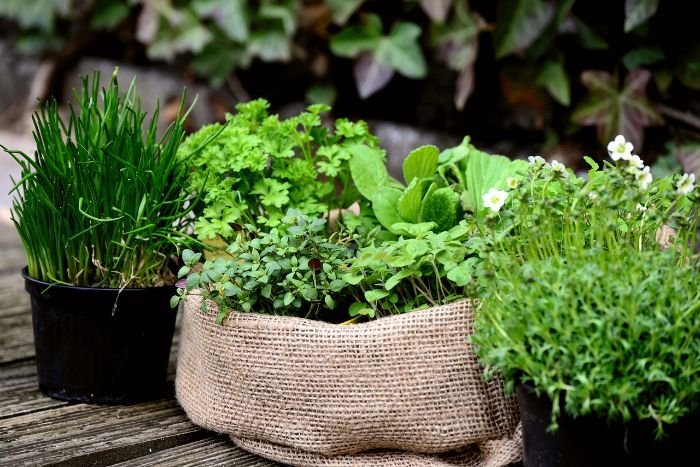
| Taste | Strawberries (Fragaria spp.), blueberries (Vaccinium spp.), chives (Allium schoenoprasum), basil (Ocimum basilicum), mint (Mentha spp.), lemon balm (Melissa officinalis), nasturtium (Tropaeolum majus), pansy (Viola spp.) | Labeled edible beds, containers, kitchen paths, raised planters | Mixing edible plants with toxic or sprayed plants |
| Sound | Switchgrass (Panicum virgatum), little bluestem (Schizachyrium scoparium), bamboo in containers, false indigo (Baptisia australis), rattlesnake master (Eryngium yuccifolium) | Wind paths, seat edges, open corners, pollinator borders | Plants that flop across paths after rain or seed too freely |
Edible plants deserve special care in sensory gardens. Keep tasting plants in an obvious edible zone and clearly identify which plants are edible, especially in gardens for children, visitors, schools, and community spaces.
Match Sensory Plants To Light, Soil, And Space
Sensory plants still need careful site matching: light, soil drainage, moisture, mature size, and spread behavior. A plant that feels perfect on a list can fail beside a path if it flops, spreads, rots in wet soil, or needs more sun than the bed receives.
| Plant Group | Best Light | Soil And Moisture | Space Behavior | Main Caution |
|---|---|---|---|---|
| Lavender, rosemary, thyme, sage | Full sun | Sharp drainage, lower moisture | Compact to woody with age | Wet crowns and heavy soil increase rot risk and weaken aromatic growth |
| Mint, lemon balm, chives | Sun to part shade | More even moisture | Spreading herbs | Use containers or contained beds for mint |
| Lamb’s ear, artemisia, woolly thyme | Sun to light shade | Well-drained soil | Low front-edge plants | Wet foliage and repeated handling can damage leaves |
| Switchgrass, little bluestem, feather reed grass | Full sun | Average to dry once established | Clumping movement plants | Place away from narrow paths where stems flop after rain |
| Strawberries, pansies, nasturtiums, calendula | Sun to part shade | Regular moisture during active growth | Container and edge plants | Use labels and keep away from sprayed ornamentals |
Plants For Sight – Color, Movement, Shape, And Season
Sight plants create the first invitation. They tell a visitor where to look, where to walk, and where to stop. A sensory garden needs visual variety across color, form, height, leaf pattern, bloom time, and movement.
Use flowers for clear seasonal signals. Coneflower, zinnia, calendula, black-eyed Susan, bee balm, cosmos, and salvia add strong color and pollinator movement. For longer visual value, mix them with foliage plants such as coleus, heuchera, hosta, silver artemisia, bronze fennel, purple basil, and Swiss chard.
Shape matters as much as color. Round flowerheads, vertical spires, airy umbels, large leaves, fine grasses, and trailing stems make the eye compare forms. That comparison is part of the sensory experience. A border with coneflower, fennel, lamb’s ear, and switchgrass has flowers, scent, texture, height, and motion in a small area.
Pollinator plants add sight through movement. Bees, butterflies, hoverflies, and birds make the garden feel alive. A planting plan built around pollinator-friendly plants can give a sensory garden color, sound, and seasonal activity with one plant group.
Plants For Smell And Taste – Fragrant Herbs, Edible Flowers, And Safe Picking
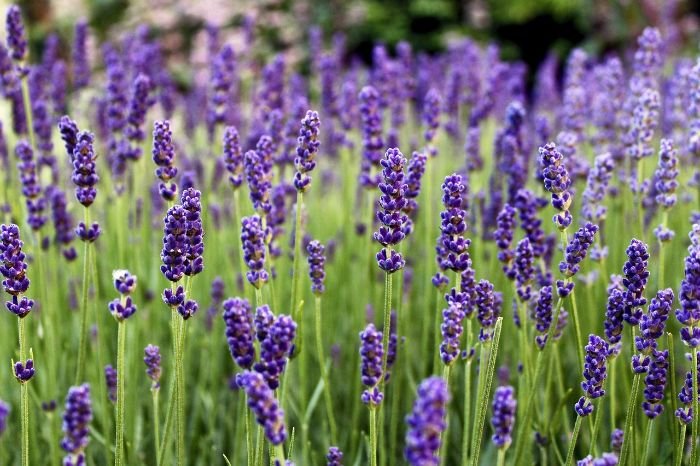
Scent plants work best where people naturally slow down. Place them beside a seat, near a gate, along a narrow path, at the front of a raised bed, or in a container beside the kitchen door. Fragrance hidden behind a wide border becomes background perfume with little interaction.
Use a range of scent types. Lavender is floral and resinous. Rosemary is piney and sharp. Thyme is warm and savory. Mint is cool. Lemon balm is citrusy. Scented geraniums can smell like rose, lemon, apple, or spice. Sweet alyssum gives a honeyed scent near low edges. Roses, honeysuckle, jasmine, and mock orange can carry fragrance farther through the garden.
A dedicated scented border can be beautiful. Strong fragrance still needs spacing. Mix intense scent plants with quieter foliage so the garden has breathing room. Fragrant plants for garden design need matching by bloom season, scent strength, and placement near paths or patios.
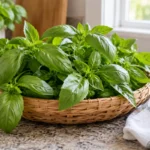
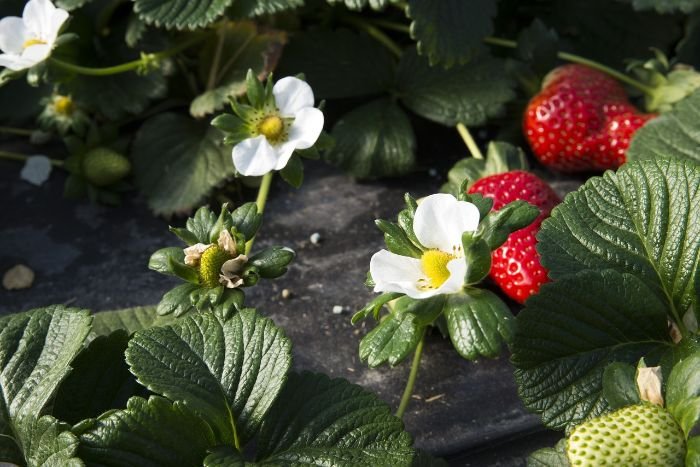
Taste plants need stricter placement and labeling than scent plants. Basil, chives, parsley, mint, lemon balm, strawberries, blueberries, dwarf tomatoes, nasturtium, pansy, and calendula can make the garden edible and interactive. Use labels, keep edibles away from sprayed ornamentals, verify edible flowers by correct plant identification and Latin name, and avoid teaching visitors to taste unfamiliar plants without guidance.
| Plant | Main Sensory Role | Secondary Role | Best Use |
|---|---|---|---|
| Lavender | Smell | Color, pollinators, touch | Sunny path edges and seat areas |
| Rosemary | Smell | Taste, evergreen structure | Containers and dry sunny beds |
| Mint | Smell and taste | Touch | Containers where spreading can be controlled |
| Nasturtium | Taste | Color and trailing form | Edible beds, containers, child-friendly tasting zones |
| Strawberry | Taste | Sight, touch, scent from fruit | Raised bed edges and hanging baskets |
Plants For Touch And Sound – Texture, Rustle, And Seedheads
Touch plants need to be sturdy, clean, and easy to reach. Lamb’s ear is the classic choice because the leaves are soft, silvery, and obvious. Woolly thyme gives a low mat with tiny leaves. Artemisia adds fine, silky foliage. Hosta offers broad, smooth leaves in shade. Moss can work in damp, shaded corners where foot traffic stays controlled.
Place touch plants at the front of beds, on raised edges, or in containers. Avoid putting fragile stems in high-traffic areas. If the garden is used by children, choose plants that tolerate repeated handling and recover quickly from broken leaves.
Sound planting is subtle, so location matters. Grasses need wind and space to move. Switchgrass, little bluestem, fountain grass, feather reed grass, and miscanthus can add rustle and visual movement. Bamboo can make a clear leaf sound in wind, though it should be kept in containers or clumping forms where spread is controlled.
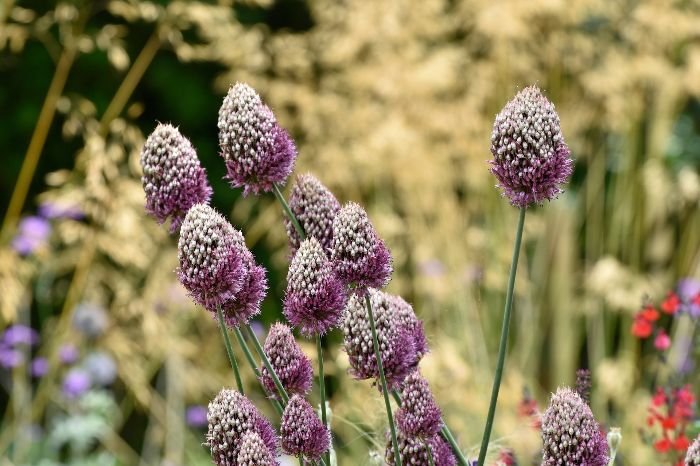
Seedheads add a different sound. False indigo, rattlesnake master, nigella, honesty, poppy, and allium can rattle or click when dry. Leave some stems standing into fall and winter where they will not block paths. A sensory garden with ornamental grasses for texture and movement often feels alive even between bloom peaks.
Plants create the strongest natural sound when they work with wind, insects, birds, and nearby water. A small water bowl, bird-friendly planting, or loose seedheads can support the sound layer without turning the sensory garden into a noisy space.
Placement, Access, And Safety In Sensory Planting
A sensory plant belongs where the sense can be used. Scent plants should sit at nose or hand level near a pause point. Touch plants should be at bed edges, not behind thorny stems. Taste plants should be in a labeled edible area. Sound plants should sit where wind can move them and where someone can pause to listen.

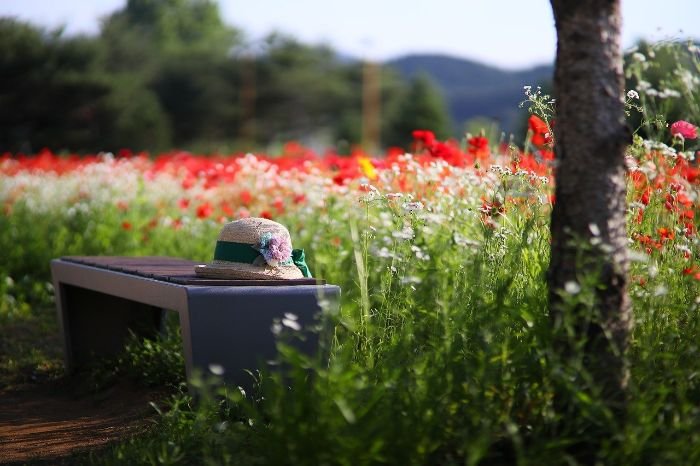
Paths and seats decide the plant list. Narrow paths can hold brushing plants such as thyme, lavender, rosemary, and soft grasses if the foliage does not scratch legs or hide the route. Place benches near fragrance, sound, shade, and a view. Use raised beds for touch and taste plants that seated visitors can reach.
Safety is part of the design, not a final check. Avoid poisonous plants in tasting zones. Keep thorny plants away from touch edges. Be cautious with plants that trigger allergies, skin irritation, or strong scent sensitivity. Label edible plants clearly. Use unsprayed herbs and flowers in any area where tasting is encouraged.
Sensory planting needs enough quiet space to prevent overload. Strong scent, bright color, buzzing insects, brushing foliage, and edible picking can become too much when every element sits in the same narrow space. Use quieter foliage, open gaps, and scent-free seating zones so children, older visitors, and neurodivergent users can choose how much interaction they want.
For family spaces, the plant list should overlap with safe children’s garden plant choices. Sensory gardens for children work best when the rules are simple: touch these, smell these, taste only labeled plants, and ask before picking.
Maintenance Keeps Sensory Plants Usable
Sensory gardens fail when the interactive plants become messy, woody, hidden, or unsafe to reach. Maintenance should protect the moment of use. Trim lavender and thyme so they stay compact near paths. Cut back mint before it swallows a container. Remove slimy leaves from touch plants. Keep edible flowers fresh and clearly identified.
Seasonal planning keeps the garden interesting. Spring can bring pansies, chives, violets, tulips, and scented shrubs. Summer can carry basil, lavender, rosemary, strawberries, coneflower, zinnia, nasturtium, and bee balm. Fall can rely on asters, grasses, seedheads, scented foliage, and late herbs. Winter can still offer evergreen rosemary, textured bark, dried grasses, and seed pods.
Watering and soil care should match the plant group. Mediterranean herbs such as lavender, rosemary, thyme, and sage need sharp drainage and sun. Mint, lemon balm, and many leafy herbs want more moisture. Lamb’s ear dislikes wet crowns. Strawberries and blueberries need regular water during fruiting, with soil needs that differ from many herbs.
If the sensory garden is also a wellness space, maintenance should make repeated use easy. A bed that is fragrant only during one week, edible only when perfectly tended, or touchable only before it flops will not support daily visits. Plants in healing and wellness gardens need to stay reachable, legible, and comfortable through real weather.
Common Sensory Garden Plant Mistakes
Most sensory planting mistakes come from choosing exciting plants without thinking through use. The plant may be beautiful, scented, edible, or unusual, then fail because it is hidden, unsafe, invasive, too fragile, or planted in the wrong growing conditions.
| Mistake | What Happens | Better Choice |
|---|---|---|
| Using one dominant scent | The garden feels heavy and some visitors avoid the area | Mix strong fragrance with quiet foliage and scent-free resting space |
| Hiding touch plants behind taller plants | The tactile experience disappears | Place soft and textured plants at the front edge |
| Mixing edible and unsafe plants | Tasting becomes confusing and risky | Create a labeled edible zone with unsprayed plants |
| Choosing fragile plants for frequent handling | Leaves tear and the bed looks worn | Use lamb’s ear, thyme, artemisia, grasses, and sturdy herbs |
| Ignoring sound plants | The garden has sight and smell with little sound | Add grasses, seedheads, pollinator plants, and water nearby |
| Skipping seasonal structure | The garden works only during peak bloom | Use evergreen herbs, bark, seedheads, grasses, and late flowers |
A smaller sensory plant list usually works better than a crowded flower border because each plant keeps a clear role, position, and maintenance need. Each plant should earn its space through a clear sense, a reachable position, and a care plan that keeps the experience available.
Conclusion
Plants for sensory gardens should be chosen for real interaction. A plant earns its place when someone can see it, smell it, touch it, taste it safely, or hear it from a path, seat, raised bed, or container.
Build the garden as a sequence of small moments. Bright flowers catch attention. Fragrant herbs slow the walk. Soft leaves invite touch. Labeled edible plants make taste safe. Grasses, seedheads, birds, insects, and moving water add sound.
Keep the plant list clear, reachable, and safe. A sensory garden does not need every exciting plant. It needs the right plants in the right places, cared for in a way that keeps the five senses active through the season.
FAQ
Can A Sensory Garden Work In A Small Patio Or Balcony?
Yes. A small patio or balcony can hold a sensory garden in containers. Use compact lavender or rosemary for scent, mint in its own pot for taste, lamb’s ear or woolly thyme for touch, pansies or calendula for color, and a small ornamental grass for movement and sound.
How Do You Keep A Sensory Garden From Feeling Overwhelming?
Keep strong scent, bright color, edible picking, buzzing pollinator plants, and brushing foliage from crowding one narrow space. Add quiet foliage, open gaps, and scent-free seating so visitors can choose how much sensory contact they want.
Which Sensory Garden Plants Are Safe For Children?
Child-friendly choices can include lamb’s ear, woolly thyme, basil, chives, strawberries, calendula, sunflowers, pansies, and nasturtiums when they are grown without sprays and clearly labeled. Avoid toxic plants and thorny plants near touch areas.
What Plants Make Sound In A Sensory Garden?
Plants that add sound include switchgrass, little bluestem, feather reed grass, bamboo in containers, false indigo, rattlesnake master, nigella, allium, and poppy seedheads. Pollinator plants also add the small sound of bees and insects.
How Do You Choose Low-Maintenance Sensory Garden Plants?
Choose plants that keep their sensory value without constant cutting, staking, or replacement. Lavender, rosemary, thyme, lamb’s ear, chives, compact grasses, calendula, and strawberries can work well when matched to the right light, drainage, and container size.
Should Sensory Gardens Include Edible Plants?
Edible plants can make a sensory garden richer when they are clearly labeled and kept separate from unsafe plants. Good choices include strawberries, chives, basil, mint, lemon balm, nasturtium, pansy, calendula, and dwarf fruiting plants.