


Last Updated May 09, 2026
Climate-resilient plants earn their place when they keep growing through the kind of weather that now arrives in swings, not seasons.
A single bed can sit slick and cold in March, crack open by July, and catch drying wind in January. Buying for one stress alone leaves the garden exposed somewhere else. A plant that coasts through drought can still fail in winter-wet clay. A hardy shrub can still scorch beside a reflected-heat wall.
Read the garden as a set of stress patterns, then match plants and layout to each repeated failure point. Plant selection for climate-resilient gardens should account for light, drainage, mature size, climate fit, maintenance, and repeated weather stress.
Key Takeaways:
- Map the beds that bake, flood, and catch wind
- Choose plants by stress pattern, not average weather
- Use deep roots, shade, and cover to buffer soil
- Keep regionally adapted plants in every major layer
- Avoid dry-climate plants in winter-wet slow soil
Table of Contents
Climate-Resilient Planting Starts With Stress Patterns
Average weather hides the real problem. Plants usually fail during the extreme week: the heat spike, flooded period, freeze-thaw run, or drying wind event. That is why climate-resilient planting starts with the parts of the garden that overheat first, stay wet longest, freeze hardest, or dry out fastest.
The 2023 USDA Plant Hardiness Zone Map is still the standard first filter for winter survival, and it only measures average annual extreme minimum winter temperature. It does not tell you how long summer heat sits against a wall, how often roots stay wet after storms, or how exposed a bed is to winter wind. Zone comes first. Site behavior comes next.
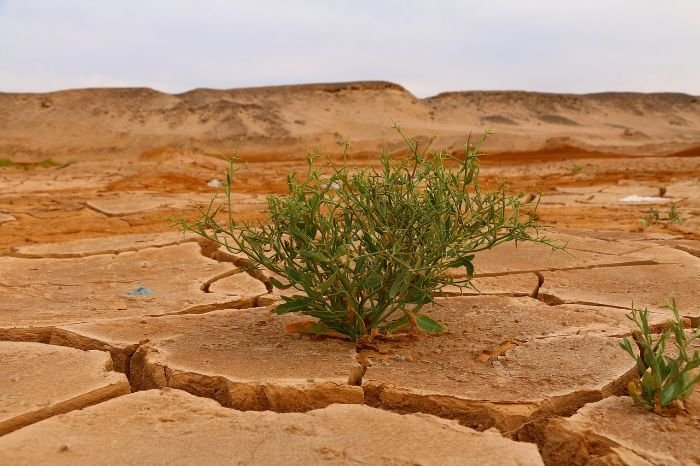
Think about the last punishing week your garden had. Which bed failed first – the hot foundation strip, the low soggy corner, or the windy outer edge?
One property can hold several future climates at once. South walls store heat, fence lines accelerate wind, canopy edges shed rain, and compacted paths push stormwater into the next bed. Long-lived trees and shrubs deserve the hardest screening because they will still be there when the next run of hot summers or erratic winters arrives. Annual color can be corrected quickly. A misplaced shade tree cannot.
Different stress patterns need different plant palettes. A sunny bed that burns through July leans toward the tougher end of drought-tolerant planting. An exposed bed that suffers in late winter needs cold-hardy plants screened for wind, freeze-thaw exposure, and winter moisture. A low border that swings from puddled to cracked needs plants that can handle both root stress and recovery.
Climate-Resilient Plants Need The Right Traits For The Stress
Resilience is not one trait. It is a mix of root behavior, leaf size, stem strength, dormancy pattern, and tolerance for the exact stress that repeats on your site. The most useful clues are often physical. Narrow leaves lose less water in exposed conditions. Clump-forming grasses recover well after weather swings. Plants that accept clay often cope better with wet winters and dry summers than plants that want perfect aeration all year.
| Climate pressure | Useful traits | Plant direction | Examples |
|---|---|---|---|
| Hot reflected beds | Small or gray leaves, aromatic foliage, deep roots | Dry-border perennials and subshrubs | Salvia, lavender in sharp drainage, thyme, yarrow |
| Wet winter and dry summer clay | Clay tolerance, fibrous roots, recovery after moisture swings | Grasses and moisture-flex perennials or shrubs | Switchgrass, little bluestem, ninebark, Siberian iris |
| Stormwater low spots | Flood tolerance, upright recovery, dense rooting | Rain-garden perennials and shrubs | Blue flag iris, soft rush, buttonbush, winterberry |
| Wind-exposed edges | Narrow leaves, flexible stems, dense branching | Grasses and wind-filter shrubs | Prairie dropseed, switchgrass, bayberry, rugosa rose in cold regions |
| Cold open sites | Dependable hardiness, sturdy stems, later spring push | Proven regional shrubs and perennials | Baptisia, coneflower, juniper, serviceberry where suited |
| Dry shade and root competition | Woodland root tolerance, leathery foliage, mulch response | Shade-layer perennials and shrubs | Epimedium, autumn fern, wild ginger, oakleaf hydrangea |
These traits are clues, not promises. A plant sold as climate tough can still fail if the root zone is wrong. A bed that stays wet through winter needs different plant choices than a bed that simply dries out in August. Root behavior often matters more than the label on the nursery tag.
Best Climate-Resilient Plants By Garden Job
Plant choice becomes more useful when each layer has a job. Climate resilience comes from layers that cool, hold, filter, cover, and recover.
| Garden job | Best plant direction | Why it matters | Examples |
|---|---|---|---|
| Summer shade caster | Regionally adapted deciduous tree | Lowers radiant heat on walls, paving, and root zones | Bur oak, honey locust, serviceberry where scale fits |
| Matrix grass | Clump-forming grass with strong roots | Holds the planting together through heat, wind, and lean periods | Switchgrass, little bluestem, prairie dropseed, muhly grass in warm regions |
| Drought border performer | Long-season perennial with clean structure | Keeps the bed presentable when rainfall turns irregular | Baptisia, echinacea, salvia, catmint |
| Moisture-balancing shrub | Shrub suited to soils that swing wet to dry | Adds woody structure where perennials alone struggle | Ninebark, red twig dogwood, inkberry in suitable regions |
| Rain-catching basin plant | Flood-tolerant perennial or shrub | Occupies the places where runoff lands after storms | Blue flag iris, soft rush, winterberry, buttonbush |
| Living soil cover | Low spreaders or dense clumps | Shades soil, cuts splash, and slows evaporation | Native strawberry, creeping thyme, sedum, low carex |
| Insurance layer of natives | Regionally adapted grasses, asters, shrubs, and groundcovers | Spreads risk across seasons, pollinators, and weather shifts | Local goldenrods, asters, grasses, and native shrubs matched by region |
The native and regionally adapted layer carries the most local resilience value because rainfall pattern, pests, soil behavior, and winter stress vary by region. The best insurance plants are usually the ones already adapted to those pressures. Choosing native plants by region reduces the number of pressures the gardener has to fight at once.
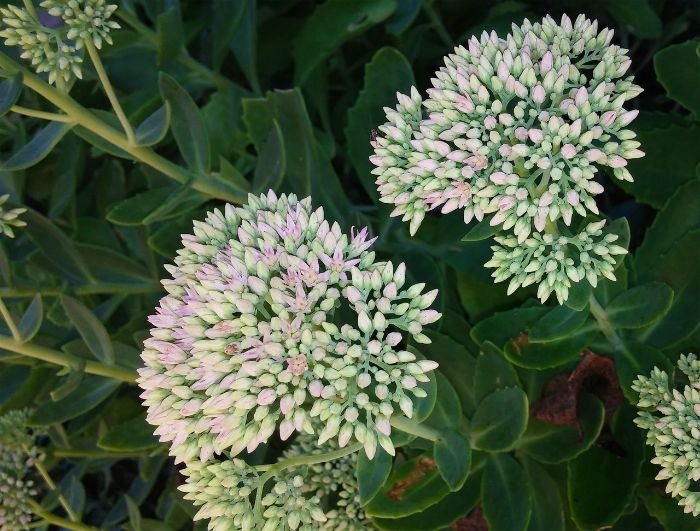
Before buying, screen every candidate for winter hardiness, summer humidity, mature size, aggressive spread, and soil tolerance. Climate resilience is local, not universal.
Garden Design Moves That Help Resilient Plants Stay Resilient
A resilient plant in the wrong root zone is still the wrong plant. Layout matters almost as much as species choice, especially when the same property swings between soaking rain, summer heat, and drying wind.
Start by shaping beds around water movement. Put dry-border plants on shoulders, slopes, or raised zones. Hold flood-tolerant plants in basins and low pockets where runoff naturally gathers, especially if you are building rain garden planting for stormwater runoff. Keep bare soil to a minimum with ground covers or layered planting, then use mulching to conserve moisture to slow evaporation and protect exposed root zones.
I often notice that plants blamed on summer drought were already weakened months earlier by cold wet roots in late winter.
Drainage corrections are equally important. If a bed stays saturated after storms, soil drainage solutions should come before Mediterranean-style plants. A Mediterranean-style plant palette cannot rescue a basin that keeps holding water around the crown.
Vegetation also works as site infrastructure. Shrubs and trees moderate heat, cast shade, slow wind, and soften storm impact at ground level. Shade trees, layered shrubs, and wind-filter planting function as resilience infrastructure because they reduce heat load, slow drying wind, and protect exposed root zones. A living wind filter is often gentler on plants than leaving the whole border to take the full blast.
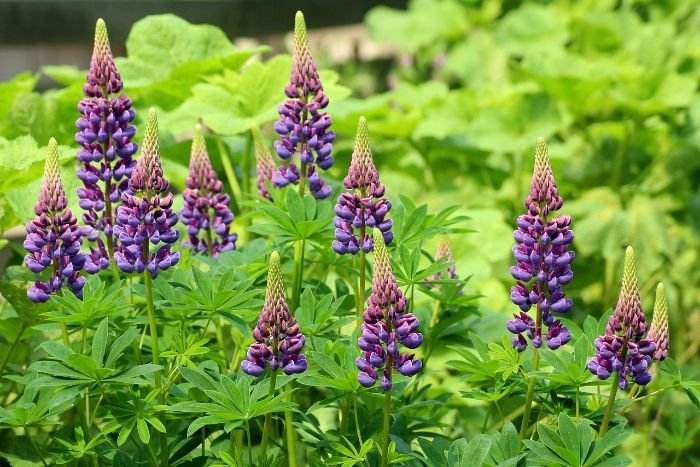
Pro Tip: After a hard rain, mark the line where water still stands the next morning. After the first real heat wave, mark the line where leaves scorch first. Those two marks usually tell you where basins, mounds, and tougher plant layers belong.
Watering strategy still matters during establishment. Even resilient plants need time to root in. Efficient watering strategies based on deeper soaking usually build tougher root behavior than shallow frequent sprinkling.
Choose The Right Climate-Resilient Planting Direction For Your Garden
Start by matching each trouble spot to the planting direction that can reduce its main stress: heat, runoff, wind, dry shade, root competition, or winter wet.
| Garden situation | Best plant direction | Supporting design move | Avoid this |
|---|---|---|---|
| South-facing foundation bed with reflected heat | Dry-border perennials, herbs, and compact grasses | Use gravelly mulch, airflow, and wide enough spacing | Large thirsty perennials packed tight against the wall |
| Clay border wet in winter and hard in summer | Grasses, iris, ninebark, and other moisture-flex plants | Raise crowns slightly and add organic matter gradually | Rock-garden plants in the lowest part of the bed |
| Windy open side yard | Grasses and dense shrubs that filter wind | Build a layered front line instead of a single exposed row | Tall floppy bloomers as the outermost planting |
| Hot patio or courtyard with containers | Compact drought-tolerant shrubs, herbs, and grasses | Use large pots, morning sun, and planned soak intervals | Tiny containers that overheat by midday |
| Shady bed under mature trees | Woodland perennials and shrubs that accept root competition | Use leaf mulch and slower deeper watering during dry spells | Moisture-hungry annual color with shallow feeding roots |
| Low spot that catches runoff after storms | Rain-garden perennials and flood-tolerant shrubs | Preserve the basin and give overflow somewhere to go | Dry-climate shrubs that need fast crown drainage |
Stress-based matching makes the planting look intentional because each bed has a clear job: cooling soil, absorbing runoff, filtering wind, or recovering after dry periods. The palette can still be layered and colorful when each plant layer is matched to the stress it must absorb.
Common Mistakes When Gardening For Climate Change
The biggest mistake is reducing climate resilience to drought tolerance. Heat and drought matter. Winter wet, storm runoff, wind, root competition, and freeze-thaw exposure matter too.
- Shopping for last summer’s stress and forgetting the rest of the year.
- Treating the hardiness zone as the whole climate story.
- Using one plant type everywhere with no backup layers.
- Leaving soil bare around new plantings through the hottest months.
- Planting low-drainage beds with crowns that need sharp winter runoff.
- Reworking the whole garden before watching one full cycle of weather.
Climate resilience improves faster when you correct the repeat failure zones first. One hot strip, one wind edge, or one low soggy pocket is enough to teach you what the rest of the property needs.
Diversity belongs in the structure of the border too. If every plant roots at the same depth, wakes at the same time, and needs the same moisture window, one bad pattern can flatten the whole display. Mixing shrubs, grasses, and perennials with different seasonal behavior spreads risk without making the garden feel messy.
Conclusion
Climate-resilient plants do more than survive a bad spell. They help the garden recover, shade its own soil, hold structure through irregular weather, and stay believable in the place where they are planted.
When trees cast better shade, grasses hold the middle layer, basins catch runoff, and groundcovers keep roots cooler, the result is a garden with fewer repeated failure points, cooler soil, better stormwater handling, and plant layers that recover after irregular weather.
FAQ
What makes a plant climate-resilient?
A climate-resilient plant can stay healthy through the stress pattern your site actually delivers, whether that means drought, winter wet, wind, runoff, dry shade, or cold exposure. The plant still has to match the light, soil, and maintenance level of the bed.
Are native plants always the best choice for climate change gardening?
Often, they are some of the best insurance plants because they are already adapted to local patterns of rainfall, soil, and winter behavior. They are not automatic answers for every site, so regional fit and exact bed conditions still matter.
Which plants can handle both drought and heavy rain?
Plants that tolerate moisture swings often do best, especially grasses and clay-tolerant shrubs or perennials. Switchgrass, little bluestem, ninebark, and some iris types are more useful in wet-dry swing soil than plants that need even moisture all year.
How do I choose plants if my hardiness zone is warming?
Keep using the USDA zone as the winter survival filter, then add summer heat, drainage, humidity, and exposure to the decision. A plant that looks newly possible on paper can still fail if the soil stays too wet, the air is too dry, or spring frost remains a problem.
Can climate-resilient plants still need irrigation?
Yes. New plants need irrigation during establishment, and even mature resilient plants may need support during exceptional heat or long dry spells. The goal is not zero watering. The goal is a garden that needs less rescue.
What is the best plant type for hot windy gardens?
Clump-forming grasses, dense shrubs, and dry-border perennials with smaller leaves usually make the best first layer. They handle drying air better and help protect softer plants placed farther inside the bed.
Should I replace an entire border at once?
Usually no. It is smarter to correct one failure band at a time after you have watched a full cycle of heat, rain, winter wet, and wind. That approach teaches you more and reduces expensive mistakes.
Do climate-resilient gardens have to look sparse or gravel-heavy?
No. They can look lush, layered, and colorful if the plant jobs are matched correctly. Resilience comes from fit, rooting, cover, and layout, not from forcing every garden into the same dry-style aesthetic.