

Last Updated May 03, 2026
Ornamental grasses earn space when they do a job that shrubs and perennials do not. They catch low light, move in a small breeze, and keep their shape after bloom-heavy plantings start to loosen. The best ones are chosen through broader plant selection logic: role, mature size, season, site behavior, and long-term maintenance.
Some stay as neat clumps at the front of a border. Some rise into narrow screens. Some wake early in cool weather, and others wait for heat and peak in late summer. A blue fescue at a path edge solves a different problem from a switchgrass used for height or a hakone grass placed where shade needs a softer line.
Most failures come from the wrong match. A tall arching grass crowds a narrow walkway. A moisture-loving grass sits in gravel and burns out by August. A self-seeding grass lands in a border that never had room for seedlings. Garden structure gets better when size, season, and behavior are read before planting.
Reliable ornamental grasses include feather reed grass, switchgrass, little bluestem, fountain grass where regionally safe, blue fescue, prairie dropseed, hakone grass, tufted hair grass, and a short list of sedges and grass-like plants used for the same design job. Grass selection should match the site, the season, and the amount of room each plant will need by year three.
Key Takeaways:
- Choose ornamental grasses by garden role first, then by season, spread, and mature size
- Warm-season and cool-season grasses peak at different times and change the border in different months
- Clumping grasses are easier to place in most home gardens than running grasses
- Movement looks best when grasses have room around them and are not pinned against rigid shrubs or walls
- Winter interest, invasive risk, and cutback timing matter as much as summer plume color
Table of Contents
What Ornamental Grasses Add: Texture, Movement, And Structure
Good grass planting depends on restraint. One upright form, one arching form, and one low texture often do more than six similar grasses competing for the same strip of light.
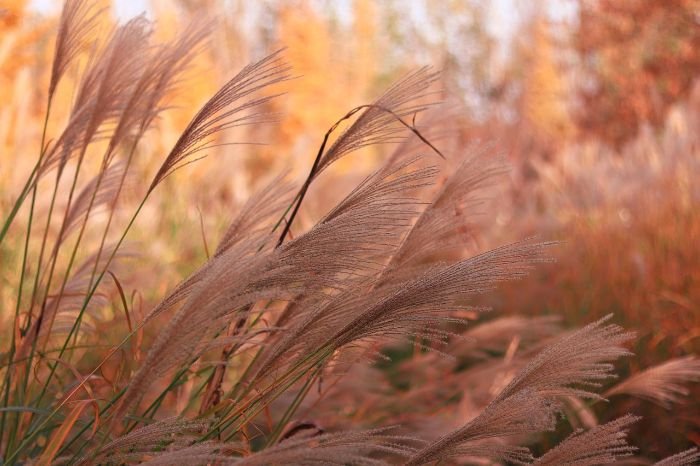
Ornamental grasses bring line, transparency, and motion. A shrub often reads as mass. A flowering perennial often reads as bloom. Grasses read as rhythm. Narrow blades catch light at the edge, plumes lift above neighboring plants, and the whole planting changes expression when wind moves through it.
That movement is not decorative filler. It changes how a border feels from a window, a path, or the street. Fine blades can make a stiff planting look looser. A vertical clump can mark a turn in the border better than another rounded shrub. On a cold morning, dry seed heads hold frost and turn silver before the rest of the bed has fully woken up.
Season matters too. Some grasses are strongest for spring foliage. Some wait until late summer to make their main statement. Some hold straw-colored stems into January and look better left standing than cut in fall. That long arc is one reason ornamental grasses pair so well with cold-hardy plants and late-season perennials.
Best Ornamental Grasses By Garden Role
Garden role is the fastest way to narrow the list. A screen, a path edge, a dry border, and a shaded woodland edge do not need the same plant, even when all of them could technically hold a grass.
| Garden role | Strong plant choices | Season of effect | Best use | Watch for |
|---|---|---|---|---|
| Upright screen and vertical backdrop | Feather reed grass, switchgrass, Miscanthus only where sterile, regionally approved, or known to behave safely locally | Summer through winter | Back borders, narrow screens, repeated vertical accents | Mature width, self-seeding, and winter flop in exposed sites |
| Arching movement in open sun | Fountain grass where regionally safe, pink muhly grass, Mexican feather grass only where non-invasive and permitted | Late summer through fall | Mixed borders, island beds, softening hard paving | Late spring emergence, regional invasiveness, and cold hardiness |
| Low edging and mound texture | Blue fescue, sedges, Japanese forest grass | Spring through fall, sometimes winter | Path edges, front borders, smaller containers | Winter wet, crown decline, and shade tolerance by species |
| Dry-sun and gravel structure | Little bluestem, prairie dropseed, blue oat grass | Summer through winter | Dry borders, gravel gardens, water-wise planting | Rich soil causing flop and crown stress in wet winters |
| Part-shade texture | Hakone grass, tufted hair grass, bottlebrush grass, some sedges | Spring through fall | Woodland edges, bright shade, softer transitions near shrubs | Dry root competition and deep shade reducing fullness |
| Wet soil and rain garden edge | Switchgrass, tufted hair grass, sedges, moor grass | Summer through winter | Swales, pond shoulders, low spots, rain gardens | Crowns buried too deeply and summer drought in sandy soil |
| Containers and entries | Purple fountain grass in seasonal use, blue fescue, sedges, Japanese forest grass | Full season, sometimes as annual color | Patio pots, porch containers, repeated entry accents | Root freeze, pot size, and annual versus perennial behavior |
Ornamental grasses for pots and containers need pot size, mix, drainage, and winter care to match the grass habit. In the main planting decision, containers still need a clear role, enough root room, and realistic seasonal expectations.
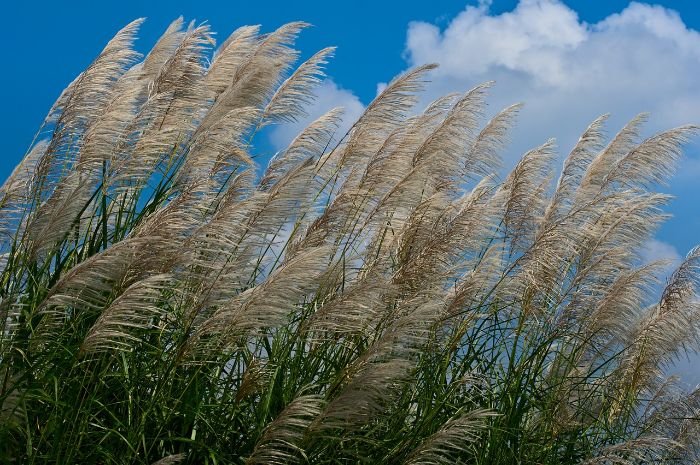
Best Ornamental Grasses By Height And Spread
| Size class | Strong choices | Mature habit and visual effect | Best use | Watch for |
|---|---|---|---|---|
| Low grasses under 18 inches | Blue fescue, many sedges, dwarf mondo grass where suitable | Low mound, tuft, blue or fine texture | Edging, containers, small beds | Winter wet and crown decline |
| Medium grasses 18 to 36 inches | Prairie dropseed, hakone grass, tufted hair grass, dwarf fountain grass where regionally safe | Mound, arch, soft movement | Mixed borders, path edges, repeated drifts | Crowding and late emergence in spring |
| Tall upright grasses 3 to 5 feet | Feather reed grass, switchgrass, moor grass | Vertical clump, strong line, winter stems | Screens, back borders, repeated accents | Wind exposure and mature width |
| Large architectural grasses | Miscanthus only where sterile, regionally approved, or known to behave safely locally, pampas grass only where safe, legal, and non-invasive | Broad clump, plume mass, bold movement | Large borders, property edges, long views | Invasive risk, self-seeding, and space pressure |
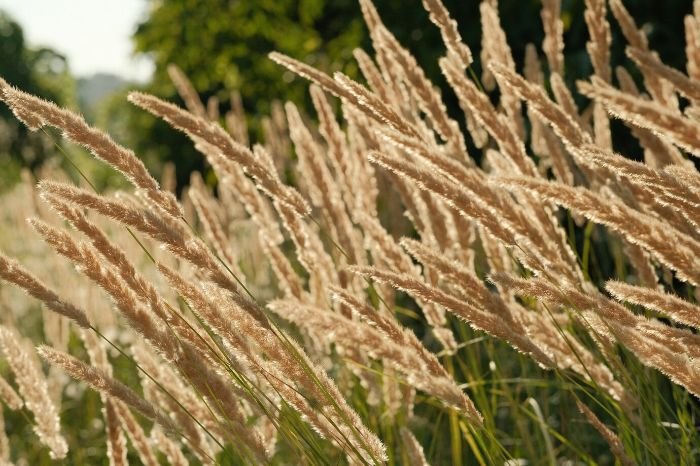
Ornamental Grasses By Texture And Movement
| Visual effect | Strong choices | How it reads in the garden | Best placement |
|---|---|---|---|
| Fine airy texture | Prairie dropseed, Mexican feather grass only where non-invasive and permitted, tufted hair grass | Soft, light, moving | Open borders, naturalistic planting, gravel edges |
| Strong vertical line | Feather reed grass, switchgrass | Upright, architectural, repeated rhythm | Back borders, screening, long linear beds |
| Arching fountain shape | Fountain grass, hakone grass, some sedges | Rounded spill and softer motion | Path corners, containers, terrace edges |
| Blue or silver texture | Blue fescue, blue oat grass | Cool color and sharper contrast | Gravel gardens, front borders, dry-sun beds |
| Winter straw and seedheads | Switchgrass, little bluestem, feather reed grass | Structure after frost and low winter light | Visible winter beds, window views, entry-adjacent borders |
Many grasses are sold for plume color, while the foliage still controls most of the plant’s shape, width, and placement needs. Plumes are only one seasonal layer.
Tall upright grasses read best when they are allowed to stand clear of broader shrubs. Feather reed grass can mark a corner or pull the eye through a long border because the stems stay narrow. Arching grasses need lateral room. A fountain grass shoved against a path loses its fountain shape and brushes every leg that passes.
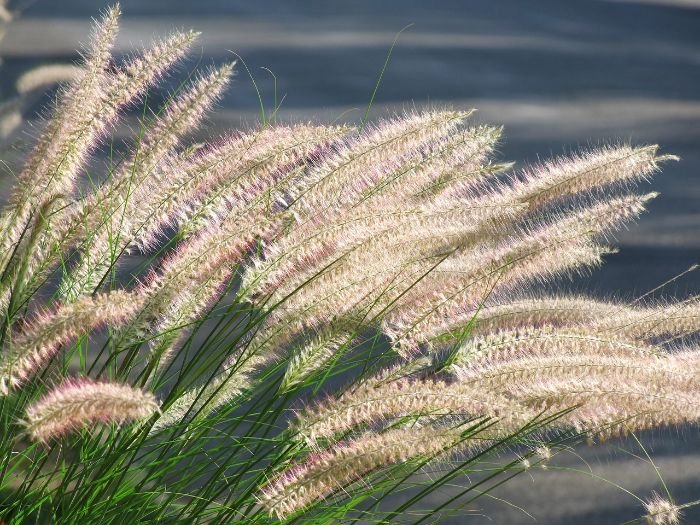
Winter interest is also a placement issue. Seed heads and tawny blades matter most where low sun hits them from the side or where they can be seen from a window. Near a walkway, dry stems rattle softly in wind and catch frost at dawn. In the back of a dark fence line, the same grass can disappear by November.
Many grasses look better left standing until late winter or very early spring, then cut before new growth rises. Seasonal garden care affects cutback timing, and ornamental grasses need one extra judgment: cut too early and you lose the winter frame; cut too late and new blades tangle with the old crown.
Standing stems also do more than hold a silhouette. Seed heads feed birds, crowns shelter small life near the soil line, and the whole planting keeps more character through the off-season. Sustainable gardening practices that support ecosystems also favor useful winter structure when it supports birds, shelter, and soil-level habitat.
Warm-Season, Cool-Season, Clumping, And Running Grasses
Two filters matter before you buy. The first is seasonal timing. The second is how the roots behave.
Warm-Season And Cool-Season Timing
Cool-season grasses start growth earlier and often look freshest in spring and early summer. Feather reed grass, blue fescue, tufted hair grass, and hakone grass belong in that group. They can anchor a planting before late perennials have filled out.
Warm-season grasses stay quiet longer, then push hard when the soil heats up. Switchgrass, little bluestem, muhly grass, regionally safe fountain grass, and sterile, regionally approved, or locally well-behaved Miscanthus cultivars make their strongest show from midsummer into fall. If a gardener wants early April impact, a warm-season grass alone will feel late.
Clumping And Running Behavior
Clumping grasses enlarge from the base slowly and are easier to place in most home gardens. Running grasses spread by rhizomes and can travel farther than the planting plan allowed. That difference matters more than the plume photo on the label.
Not every ornamental grass is perennial in every climate, either. Purple fountain grass often behaves as a seasonal plant in colder regions. Use the USDA Plant Hardiness Zone Map as a first climate filter, then read local winter wet, summer heat, and regional invasive warnings before buying. Dry-border grass selection overlaps with drought-tolerant plants, and grass behavior still needs its own check for spread, cutback, and late-season timing.
Garden centers also blur the category. Sedges and hakone grass are often sold alongside true grasses because they solve the same visual problem: narrow foliage, mounding texture, and cleaner transitions between shrubs and perennials. That is useful in design terms, even when the botany is not identical. Sedges often accept more moisture or more shade than dry-sun prairie grasses do, so narrow leaves alone are not enough for a good match.
Invasive Risk, Self-Seeding, And Regional Fit
Ornamental grasses do not behave the same way in every region. A grass that stays polite in one climate can seed aggressively in another, and a clumping habit does not automatically mean low risk if seed set is heavy. Running grasses spread through rhizomes. Self-seeding grasses spread through seed. Both need a regional check before planting.

Miscanthus, pampas grass, fountain grass, and Mexican feather grass deserve extra caution because regional restrictions and local behavior vary. Check local invasive plant lists and broader invasive plant guidance for terrestrial plants before planting them, especially near wild edges, open ground, or unmanaged land. Where that risk is not worth carrying, switchgrass, little bluestem, prairie dropseed, sedges, and other locally adapted grasses usually give the same design value with less long-term trouble.
Cutback, Division, And First-Year Establishment
Cutback is not identical for every grass-like plant. Warm-season grasses often emerge late and can look dead well into spring before new blades finally push. Evergreen sedges usually need combing, thinning, or light trimming instead of a hard cut to the base. Older clumps that thin in the center often improve after division, especially when the crown has become woody or crowded.
First-year establishment still matters, even with grasses sold as easy. Water deeply through the first growing season, especially in dry borders and containers. Rich soil or heavy feeding can push lush growth that flops later, so it is usually better to establish a firm root system than to chase fast top growth. Low-maintenance ornamental grasses usually come from this exact match: clumping plants, the right moisture, and enough room to hold their mature shape without constant correction.
A Grass Planting Matrix – Match The Grass To The Site
Name the site first. Then choose the grass.
| Garden situation | Best grass role | Strong examples | Why it works | Main caution |
|---|---|---|---|---|
| Narrow front border by a walk | Low mound or narrow upright accent | Blue fescue, sedges, dwarf feather reed grass | Keeps the edge clean without flopping into foot traffic | Broad arching grasses will crowd the path fast |
| Sunny dry border or gravel bed | Dry-sun structure and soft motion | Little bluestem, prairie dropseed, blue oat grass | Handles lean soil and repeats well through a dry planting | Rich irrigation makes many of these too lush and floppy |
| Tall seasonal screen or property edge | Vertical height and late-season mass | Switchgrass, feather reed grass, Miscanthus only where sterile, regionally approved, or known to behave safely locally | Adds privacy and a strong back line without a hedge | Wind exposure and regional seeding risk need checking |
| Large patio pots or entry containers | Container thriller and soft filler | Purple fountain grass in seasonal use, sedges, Japanese forest grass, blue fescue | Gives height and motion in a limited footprint | Root balls freeze faster and dry faster than in the ground |
| Bright part shade or woodland edge | Soft texture and lighter foliage | Hakone grass, bottlebrush grass, tufted hair grass, some sedges | Blends better with ferns and woodland perennials than sun grasses do | Dry shade under roots will thin many choices out |
| Moist swale or rain garden shoulder | Wet-tolerant clumps and seed heads | Switchgrass, sedges, moor grass, tufted hair grass | Turns slow drainage into structure across a wet shoulder or low spot | Planting crowns too low can still rot them out |
In part shade, shade-loving plants and ornamental grasses often share the same planting space. Grasses do more textural work there than floral work.
Common Ornamental Grass Mistakes
Most grass problems are predictable.
- Choosing from a late-summer plume photo without checking mature width and spring appearance.
- Confusing clumping grasses with running grasses and planting them in the same way.
- Using warm-season grasses where early spring presence is needed.
- Stuffing arching grasses into narrow paths, foundation strips, or tight corners.
- Planting moisture-loving grasses in dry gravel or dry-sun grasses in slow winter-wet soil.
- Cutting every grass down in fall and losing the best winter structure in the border.
- Cutting evergreen sedges to the base when they need combing, thinning, or light trimming instead.
- Skipping first-year watering and expecting dry-border grasses to establish without root support.
- Ignoring regional invasive or self-seeding behavior with pampas grass, fountain grass, Miscanthus, or Mexican feather grass.
A well-placed grass can make a border feel lighter without making it feel empty. A badly placed grass can look oversized for ten months of the year, even if the bloom photo once looked perfect.
Conclusion
The best ornamental grasses are chosen for a specific job: height without heaviness, motion without mess, winter structure without a hedge, or low texture where flowers would ask for more care.
A strong grass planting matches season, spread, and size to the space it has to carry. Once that fit is right, the border moves more, catches light longer, and keeps its shape after many other plants have already gone soft.
FAQ
What are the best ornamental grasses for full sun?
Switchgrass, little bluestem, prairie dropseed, blue oat grass, muhly grass, and fountain grass where regionally safe are among the strongest choices for full sun. Match them to soil moisture and winter hardiness first.
Which ornamental grasses stay small?
Blue fescue, many sedges, Japanese forest grass, and dwarf fountain grass cultivars where regionally safe stay smaller than screening types. They fit path edges, front borders, and containers better than tall arching grasses.
Are ornamental grasses perennials or annuals?
Many ornamental grasses are perennial where they are hardy, including switchgrass, feather reed grass, little bluestem, prairie dropseed, and many sedges. Purple fountain grass and some tender types are often grown as seasonal plants in colder climates. Hardiness zone, winter wet, and container exposure decide whether a grass returns reliably.
Which ornamental grasses are best for movement?
Prairie dropseed, fountain grass where regionally safe, pink muhly grass, tufted hair grass, hakone grass, and switchgrass all add movement. Fine grasses move in light wind, arching grasses need lateral room, and tall upright grasses work better as repeated vertical rhythm than as soft spillers.
Which ornamental grasses work in part shade?
Hakone grass, bottlebrush grass, tufted hair grass, and several sedges handle part shade well. They fit filtered light or bright shade better than plume grasses grown for long direct sun.
Can ornamental grasses grow in pots?
Yes, many can. Purple fountain grass, blue fescue, sedges, and Japanese forest grass all work well in containers when the pot is large enough and winter root exposure is taken seriously.
When should ornamental grasses be cut back?
Late winter or very early spring is the usual window. Leave the foliage standing through winter when it still looks good, then cut before new growth rises through the old blades.
Are any ornamental grasses invasive?
Yes, some are, depending on climate and region. Certain Miscanthus, pampas grass, fountain grass, and Mexican feather grass plantings can seed or spread aggressively, so local restrictions and regional behavior need checking before planting.