


Last Updated June 10, 2026
Garden soil is lost in small moments: rain splashes bare beds, irrigation cuts tiny channels, foot traffic seals the surface, and spring digging breaks the structure that held water in place. The bed may still look productive for a season, then crust faster, dry out sooner, and need more fertilizer to deliver the same growth.
Soil conservation in a home garden means keeping the soil covered, slowing water before it runs, feeding the surface with organic matter, and disturbing the soil as little as the crop allows. Mulch, cover crops, permanent paths, compost, reduced tillage, and slope control work together. Each practice protects a different part of the soil system.
Key Takeaways
- Soil conservation starts with coverage: bare soil loses structure, moisture, nutrients, and topsoil faster than covered soil.
- Mulch protects the surface from raindrop impact, evaporation, crusting, weed pressure, and temperature swings.
- Cover crops hold soil in place during fallow periods and return roots, residue, and organic matter to the bed.
- Reduced tillage protects aggregates, fungal networks, pores, and earthworm channels that help water soak in.
- Runoff control matters most on slopes, compacted paths, roof-drip lines, and beds where heavy rain leaves rills or sediment fans.
Table of Contents
Choose The Right Soil Conservation Technique For Your Garden
The right soil conservation technique depends on where the soil is being lost or weakened. A flat vegetable bed with summer crusting needs a different answer than a sloped border that sheds mulch after every storm. Start with the visible symptom, then choose the practice that protects the soil surface, root zone, or water path.
| Garden situation | Main soil risk | Primary conservation technique | Helpful support practice |
|---|---|---|---|
| Bare vegetable beds between crops | Crusting, erosion, nutrient leaching | Cover crops or organic mulch | Keep crop residue on the surface after harvest |
| Annual beds tilled every spring | Aggregate breakdown and faster organic matter loss | Reduced tillage with permanent beds | Broadfork or loosen planting rows by hand |
| Sloped beds or banks | Runoff and topsoil movement | Contour planting, groundcovers, small terraces, or shallow planted water-spreading features | Use coarse mulch that locks together |
| Paths between beds | Compaction and muddy runoff | Permanent paths with wood chips, straw, or living cover | Keep foot traffic out of growing beds |
| Heavy clay that puddles after rain | Low infiltration and surface sealing | Compost topdressing, mulch, drainage repair, and reduced disturbance | Use raised beds where water sits for long periods |
| Hot exposed soil in summer | Moisture loss and stressed roots | Organic mulch plus drip irrigation | Plant closer spacing or living mulch where airflow remains safe |
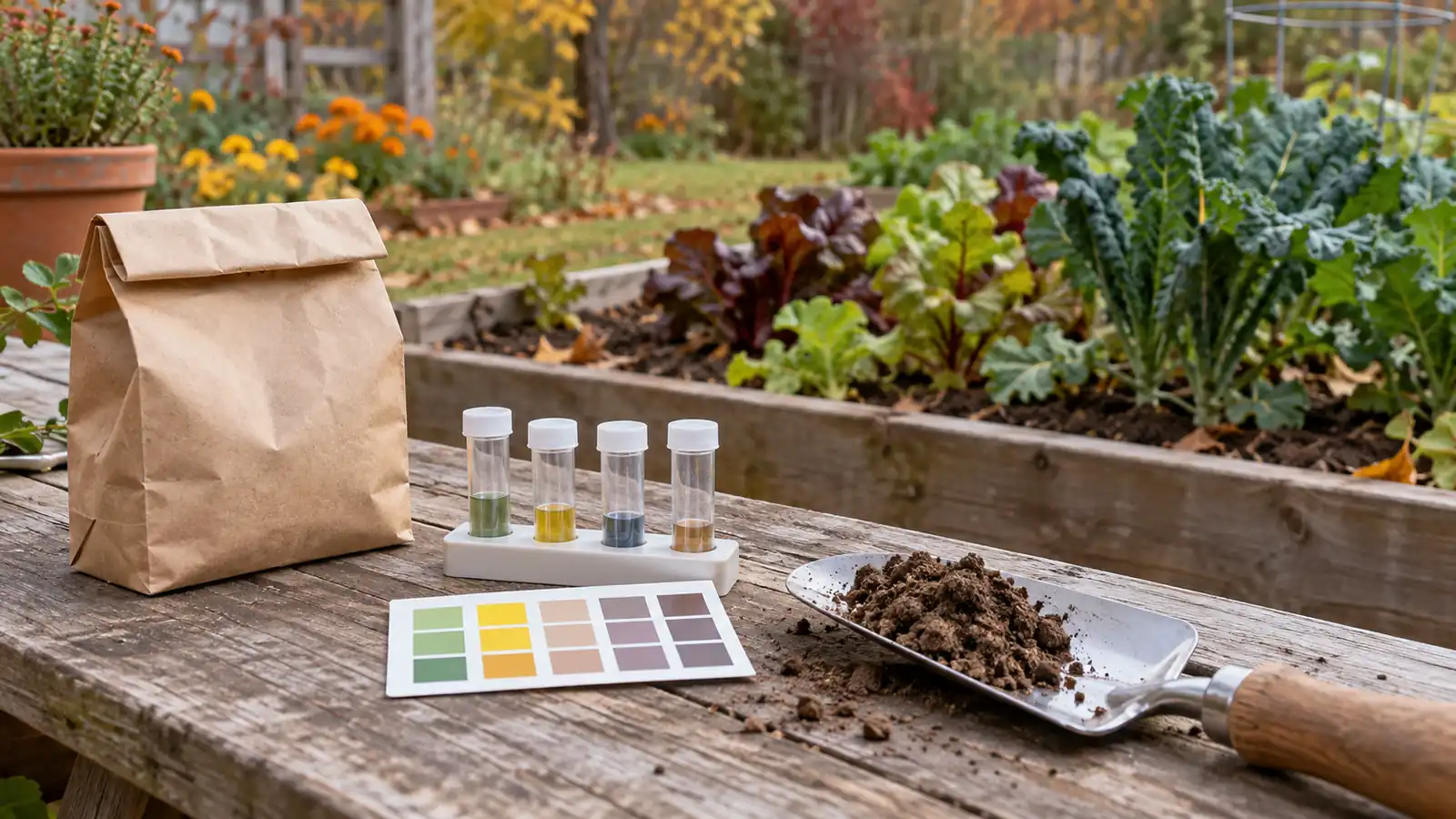
That choice keeps conservation practical. Soil conservation is most useful when each technique solves a visible pressure: impact, runoff, compaction, drying, exposed roots, or nutrient loss. A deeper soil baseline also helps; soil health improvement starts with testing, amendments, structure, organic matter, and maintenance decisions that affect every conservation plan.
Keep Soil Covered With Mulch, Residue, And Living Plants
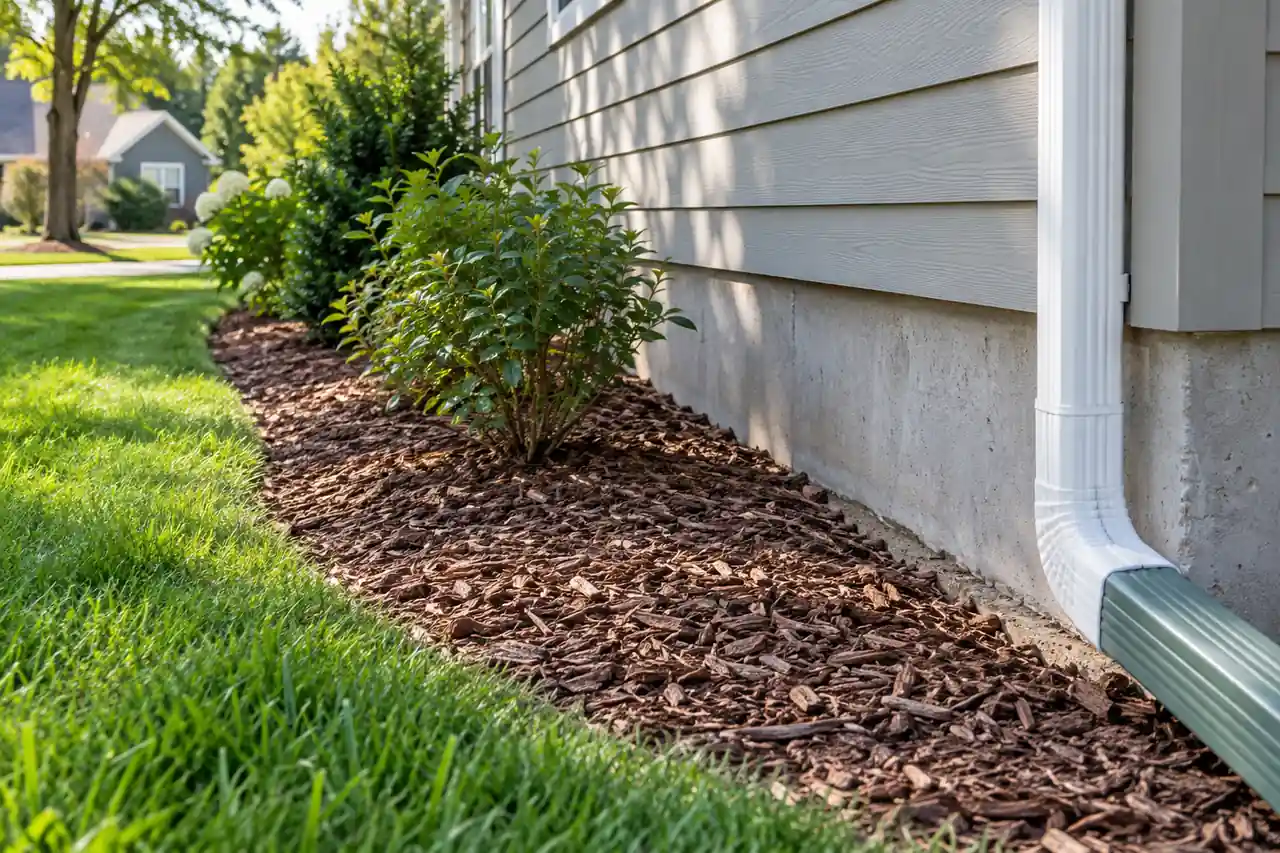
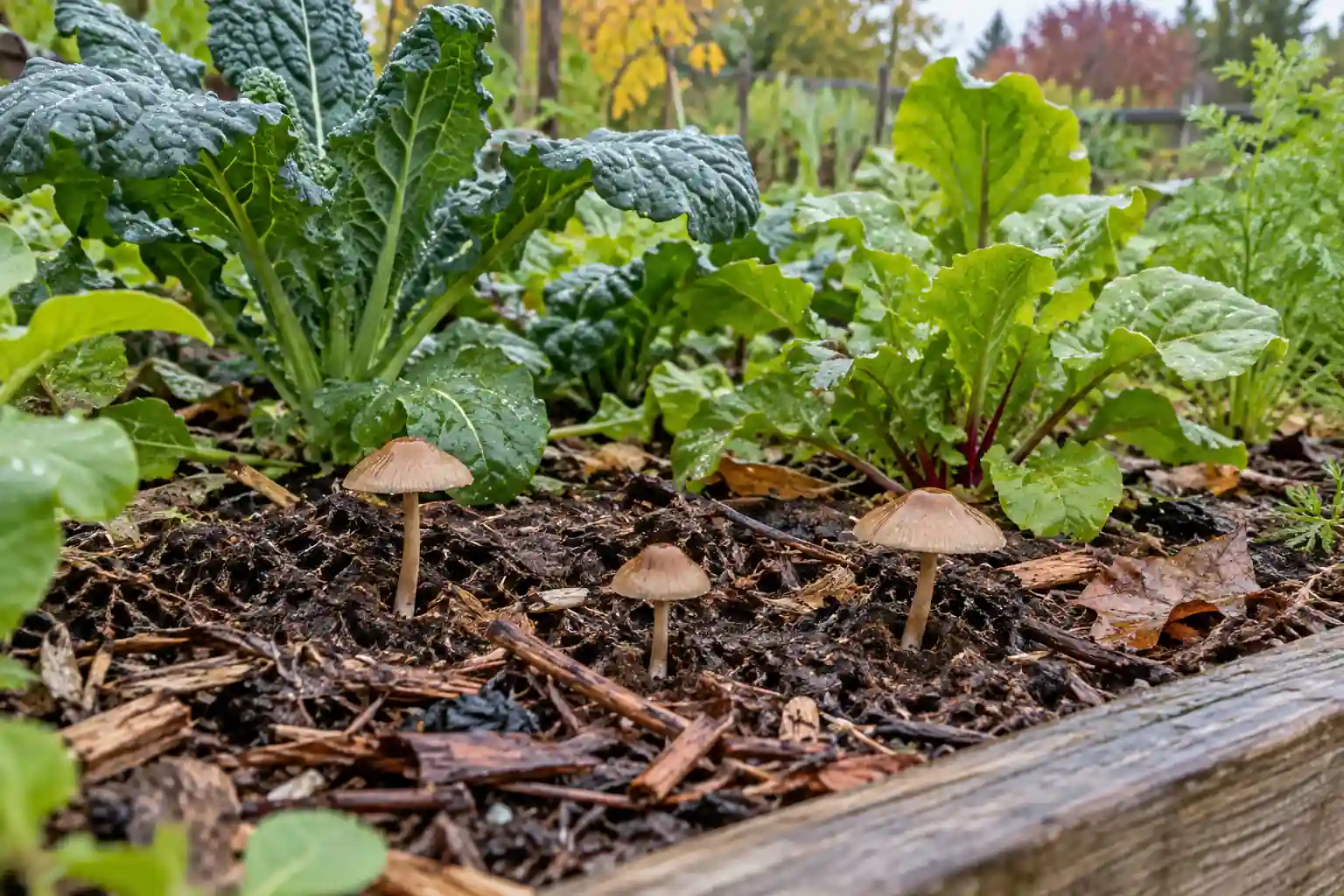
Covered soil is the core soil conservation rule. Raindrops hit mulch, leaves, or crop residue before they hit the soil surface. That reduces splash erosion, keeps fine particles from sealing together, slows evaporation, and gives earthworms and soil organisms a cooler, moister surface habitat.

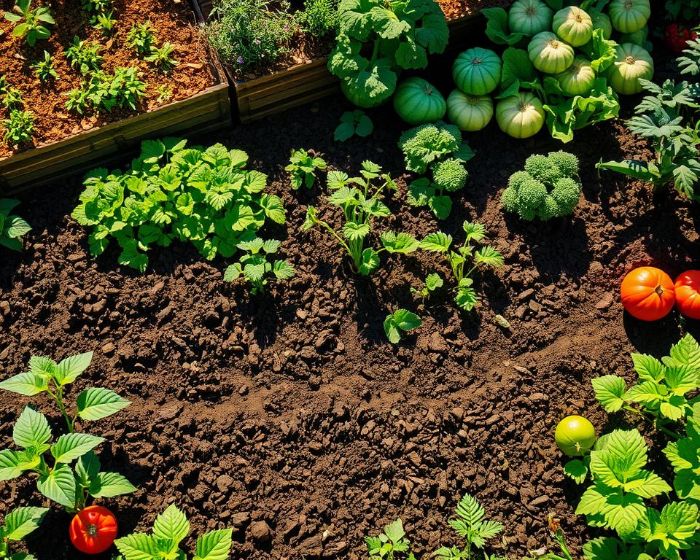
Healthy garden soil stays covered: garden plants, groundcovers, mulches, and cover crops reduce erosion risk, nutrient runoff, soil temperature swings, and evaporation. In a home garden, that can be as practical as leaving chopped leaves between perennials, keeping straw between tomatoes, or sowing a fall cover crop after the last beans are pulled.
| Cover material | Where it works well | Soil conservation value | Use with care when |
|---|---|---|---|
| Shredded leaves | Vegetable beds, perennial beds, under shrubs | Adds organic matter, cushions rain, feeds surface life | Leaves mat into a dense layer; shred first or mix with coarser material |
| Straw | Vegetables, strawberries, newly planted beds | Reduces splash, keeps produce cleaner, slows drying | Seed heads or herbicide residue are possible concerns |
| Wood chips | Paths, shrub beds, tree rings, perennial borders | Resists erosion, protects paths, breaks down slowly | Fresh chips are mixed deeply into vegetable soil |
| Compost mulch | Intensive beds and raised beds | Feeds soil organisms and improves surface structure | Applied too thickly around crowns or stems |
| Living groundcover | Orchards, wide paths, slopes, ornamental beds | Roots hold soil and slow runoff | Water competition with shallow-rooted crops becomes severe |
Mulch depth should match the material and plant. Fine compost needs a thinner layer than straw or leaves. Woody plants need a clear ring around stems and trunks. Vegetable beds need coverage that blocks splash and weeds and still lets water and air move. Mulching for soil health depends on matching depth, timing, and material choice to the plants and the soil surface being protected.
Use Cover Crops To Hold Soil Between Plantings
Cover crops protect beds during the weeks or months when food crops are absent and can maintain organic matter, retain nitrogen, reduce erosion, and suppress weeds. Their leaves intercept rain, their roots hold soil in place, and their residues feed the next crop. In small gardens, cover crops are most valuable after summer harvest, across winter, or in a bed that needs a rest from production.
Choose cover crops by season and job. Quick summer covers can shade the soil and suppress weeds before fall planting. Cool-season covers can hold nutrients and protect soil through winter. Mixed cover crops combine fibrous roots, nitrogen fixation, and aboveground biomass.
| Cover crop group | Typical garden role | Conservation benefit | Management note |
|---|---|---|---|
| Oats | Fall cover that winter-kills in many cold regions | Protects fall soil and leaves residue for spring | Fits gardeners who want less spring termination work |
| Cereal rye | Winter cover for erosion-prone beds | Dense roots hold soil and capture nutrients | Terminate before it becomes too tall or woody |
| Crimson clover or vetch | Legume cover before heavy-feeding crops | Adds nitrogen through root nodules and protects soil | Needs time to grow before the next crop |
| Buckwheat | Fast summer cover for empty beds | Shades soil quickly and suppresses warm-season weeds | Cut before seed set to prevent volunteers |
| Mixed cover crop | Soil-building bed rest | Combines biomass, roots, nitrogen, and weed suppression | Choose mixes that fit the termination tools available |
Termination is the part many home gardeners miss. A cover crop that reaches seed can become a weed problem. A tall rye stand can be hard to manage in a small bed. Cut, crimp, tarp, or incorporate the cover in time for residue to soften before planting. Cover crops for soil improvement depend on species selection, timing, and a termination method that fits the next planting.
Reduce Tillage And Protect Soil Structure
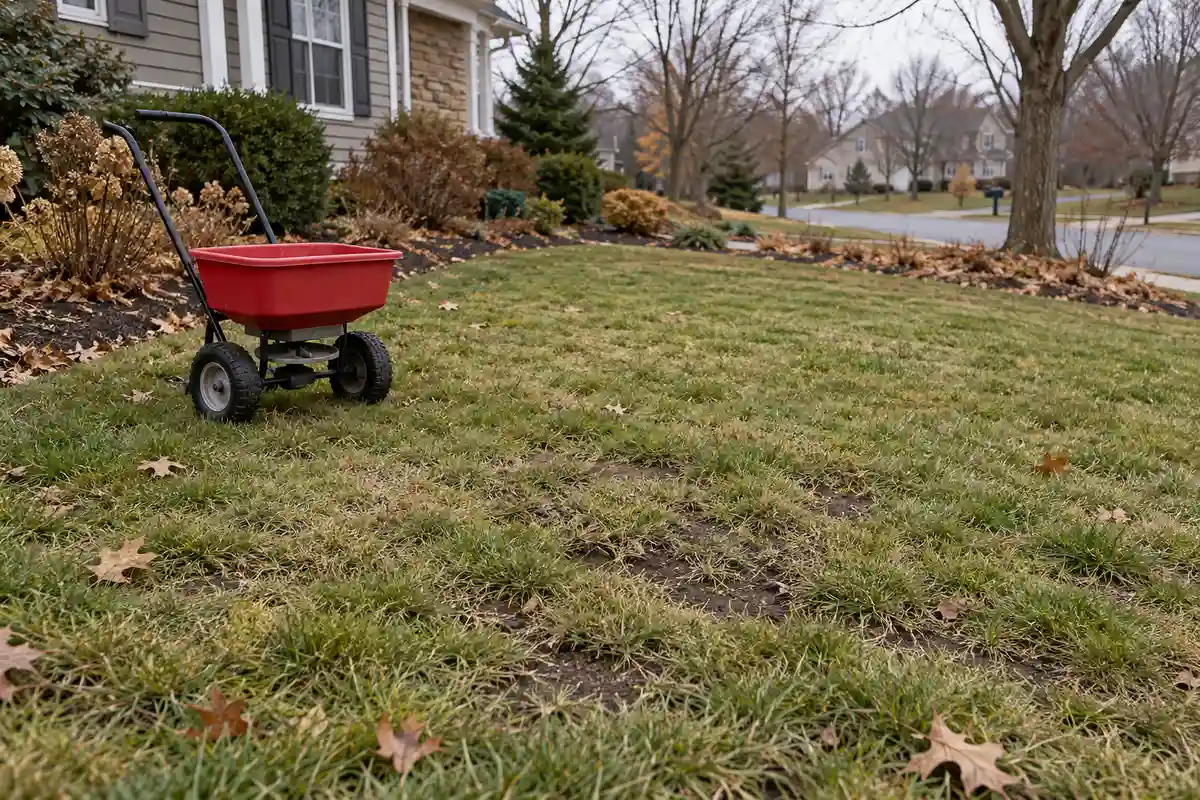
Tillage can prepare a bed quickly, bury residue, and create a smooth seedbed. Repeated deep tillage also breaks aggregates into smaller particles, exposes organic matter to rapid decomposition, damages fungal threads, and leaves soil more prone to crusting. Soil conservation works best when gardeners disturb less soil, less often, and for clearer reasons.
Permanent beds are the easiest reduced-tillage step for home gardens. Keep growing areas separate from paths. Add compost to the surface, loosen compacted zones with a broadfork or garden fork, and rake only the planting strip needed for seeds. Root channels, earthworm burrows, and old cover crop roots become part of the drainage system.
| Garden task | High-disturbance habit | Soil-conserving alternative | Why it helps |
|---|---|---|---|
| Opening a new bed | Repeated rototilling | Sheet mulch with cardboard, compost, and mulch | Smothers grass and keeps soil layers more intact |
| Preparing transplants | Turning the whole bed | Open planting holes and topdress around plants | Disturbs a small root zone |
| Direct seeding | Deep cultivation across the bed | Rake a narrow seed strip through mulch or compost | Creates seed contact and keeps most soil covered |
| Compaction repair | Deep turning with a shovel | Broadfork, permanent paths, mulch, and deep-rooted cover crops | Restores air channels with less aggregate breakdown |
| Adding organic matter | Mixing compost deeply each season | Topdress with compost and let roots, worms, and water move it downward | Builds a stable surface layer over time |
Reduced tillage protects aggregates, pore space, organic matter, and soil biology by lowering the intensity and frequency of disturbance. It also works better after the first layout decision. Permanent paths carry feet, carts, hoses, and harvest bins. Beds carry roots. That separation protects pore space and drainage, especially after rain. Improving soil structure means protecting aggregates, pore space, and organic matter as the working parts of healthy soil.
Slow Runoff On Slopes, Paths, And Bed Edges
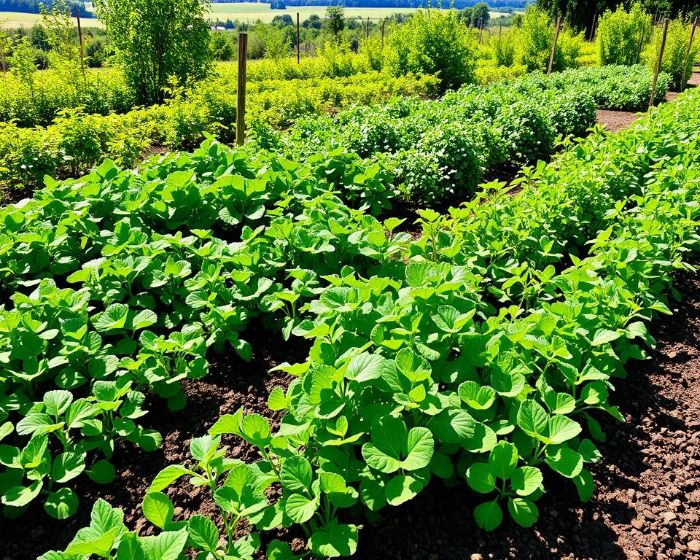
Soil conservation becomes urgent where water gathers speed. Watch the garden during or right after heavy rain. Look for small rills in paths, mulch piled at the bottom of a slope, exposed roots, sediment on paving, or soil washed against bed edges. Those clues show where water needs friction, cover, or a new path.
| Runoff clue | What it means | Conservation response |
|---|---|---|
| Thin channels cut through soil | Water is concentrating in one line | Add mulch, reshape the surface, and interrupt the channel with plants or small contour ridges |
| Mulch slides downhill | The slope needs a material that grips or a slower water path | Use shredded bark, wood chips, groundcovers, terraces, or contour planting |
| Sediment appears on sidewalk or driveway | Topsoil is leaving the bed | Install planted edges, redirect roof runoff, and stabilize bare soil fast |
| Paths stay muddy after rain | Foot traffic is compacting wet soil | Add wood chips or stepping stones and keep paths permanent |
| Water stands along bed edges | Drainage or grading is slowing infiltration | Repair drainage, raise beds, or move water into planted infiltration areas |
Slopes need layered protection. A mulch layer cushions rainfall. Roots bind soil. Contour rows slow flow across the slope. Deep-rooted perennials and shrubs stabilize larger areas. Erosion control gardening focuses on slopes, stormwater, exposed banks, and washed-out bed edges where soil is already moving after storms.

Build Organic Matter And Water Infiltration
Organic matter is the repair layer behind most soil conservation. It helps mineral particles bind into aggregates, and aggregates create pore space for air and water. A soil that accepts water quickly and stores it well loses less topsoil during storms and dries more slowly between irrigation cycles.
Compost is useful, and conservation depends on placement and frequency. A thin compost topdressing feeds the surface and helps new mulch blend into the soil system. Deep yearly mixing can keep disturbing the same structure you are trying to protect. Plant roots, decomposing residues, leaf mold, and cover crop biomass should carry part of the workload.
| Soil condition | Conservation problem | Organic matter move | Water move |
|---|---|---|---|
| Sandy soil | Water and nutrients move through quickly | Use compost, leaf mold, cover crops, and organic mulch | Water deeply and keep the surface covered |
| Clay soil | Surface seals and runoff starts fast | Topdress compost and protect aggregates with mulch | Use slow irrigation and repair drainage paths |
| Compacted path soil | Water runs across the surface | Cover paths with wood chips or living cover | Keep traffic in the same path each season |
| Raised bed soil | Fast drying and settling | Topdress compost and keep mulch between crops | Use drip or soaker lines under mulch |
If water sits, runs, or disappears too fast, the conservation plan needs a drainage check. Mulch can hide a drainage problem for a short time; grading, compacted subsoil, and low spots still need repair. Soil drainage solutions become part of conservation when puddling, sour soil, or root decline appears after rain.
Seasonal Soil Conservation Plan
Soil conservation works best as a yearly rhythm. Spring protects emerging beds from compaction and crusting. Summer keeps moisture in the root zone. Fall captures leftover nutrients and shields soil from winter rain. Winter keeps the garden covered through storms and freeze-thaw cycles.
| Season | Soil conservation priority | Actions that fit home gardens |
|---|---|---|
| Spring | Prepare beds with limited disturbance | Keep paths permanent, rake seed strips, topdress compost, plant into residue where possible |
| Early summer | Cover warming soil before heat and storms peak | Mulch after soil warms, install drip lines, fill open spaces with crops or living cover |
| Late summer | Prevent bare soil after harvest | Sow buckwheat, oats, or fall cover crops; chop crop residue into mulch |
| Fall | Protect soil from winter rain and nutrient loss | Plant cool-season covers, spread leaves, repair washed paths, add compost topdressing |
| Winter | Keep beds covered and avoid wet-soil compaction | Stay off saturated beds, keep mulch in place, check runoff after storms |
A yearly plan also helps prevent overcorrecting. One storm channel may need a contour edge. A full bed with poor infiltration may need structure work. A dry raised bed may need mulch and drip irrigation. Soil conservation is observation followed by the smallest effective repair.
Crop rotation can support soil conservation when different crop families, root depths, residue types, and cover-crop windows are planned across the year. It should support soil cover and nutrient balance as part of the same system as mulch, cover crops, reduced tillage, and runoff control.
Common Soil Conservation Mistakes
Most soil conservation mistakes come from treating one technique as the whole system. Mulch can protect the surface as compacted soil still sheds water underneath. Cover crops can fail when they are planted too late to protect the bed during the riskiest weeks. Reduced tillage still needs permanent paths with coverage and drainage.
| Mistake | What happens | Cleaner correction |
|---|---|---|
| Leaving beds bare after harvest | Rain, wind, and sun work directly on the soil surface | Use mulch, residue, or a cover crop as soon as the bed clears |
| Mulching over weeds and dry soil | Weeds keep growing and dry soil stays dry beneath the layer | Weed first, water if needed, then mulch evenly |
| Annual deep tilling by habit | Soil structure resets each season and crusting returns | Use permanent beds, topdressing, and shallow planting-zone preparation |
| Ignoring paths | Compacted paths become runoff lanes | Cover paths with wood chips, straw, stepping stones, or low-growing cover |
| Choosing cover crops with no termination plan | The cover crop competes with the next planting or sets seed | Select species that match the season, tools, and planting date |
| Using rock mulch around thirsty plants in hot sun | Soil heats and roots face more water stress | Use organic mulch around moisture-sensitive plants and reserve stone for suitable dry areas |
Healthy conservation habits also keep soil management realistic. Gardens can move from yearly rototilling to lower disturbance in stages. Slopes can be stabilized with plants and mulch before larger earthwork is considered. Compacted beds can recover over several seasons as organic matter, roots, and protected pore space return.
Conclusion
Soil conservation is a garden protection system with several working parts. Cover the surface, keep roots in the ground when beds are resting, disturb soil less often, slow runoff, and build organic matter at the surface. Those habits protect the structure that lets water enter, air move, roots grow, and nutrients stay in the bed.
Garden soil keeps more structure when it is disturbed less, covered more, and checked after storms. When mulch, cover crops, reduced tillage, permanent paths, and runoff repair work together, the garden keeps more of its topsoil and needs fewer emergency fixes each season.
FAQ
What are the main soil conservation techniques for gardens?
The main techniques are mulching, cover cropping, reduced tillage, permanent paths, compost topdressing, groundcovers, contour planting, and runoff control. The right mix depends on whether the problem is bare soil, erosion, compaction, fast drying, or poor infiltration.
How does mulch conserve soil?
Mulch cushions raindrop impact, slows evaporation, moderates soil temperature, limits weed germination, and adds organic matter as it decomposes. It also reduces crusting and keeps soil particles from splashing onto leaves and fruit.
Are cover crops useful in small home gardens?
Yes. Even one unused bed can be planted with oats, buckwheat, clover, rye, or a mix. Cover crops protect soil between plantings, hold nutrients, feed soil organisms, and add residue for the next crop.
Does no-till gardening mean never loosening soil?
No-till gardening focuses on reducing disturbance. Gardeners may still use a broadfork, hand tools, planting holes, or narrow seed strips. Most soil layers, roots, pores, and organisms stay more functional when disturbance stays localized.
How can I stop soil erosion in a sloped garden?
Use plants, mulch, contour rows, terracing, groundcovers, and stable paths to slow water. Watch where runoff begins during storms, then add friction and roots at that point before sediment leaves the bed.
What should I do with soil after harvesting vegetables?
Cover it quickly. Use chopped crop residue, leaves, straw, compost mulch, or a cover crop. The goal is to keep rain, wind, and sun from working directly on exposed soil.