



Last Updated May 11, 2026
Mulch saves water by protecting the soil surface where garden beds lose it fastest. Sun, wind, bare crusting, weed competition, and rapid temperature swings all speed up drying. A mulch layer slows those losses, keeps roots in a more even moisture range, and stretches the time between irrigations when the rest of the watering setup is sensible.
The best moisture-saving mulch depends on crop stage, soil temperature, drainage, exposure, and how irrigation reaches the root zone. Straw often fits vegetables. Wood chips usually fit shrubs and perennials. Thin layers of grass clippings can work in annual beds. Gravel can help drought-adapted plantings near hot hardscape. The wrong mulch, wrong depth, or wrong timing can also hold a bed too cool, shed water, mat down, or keep crowns too wet.
Broader soil health improvement still matters for structure, biology, fertility, and long-term care, while mulching for soil health focuses on organic cover as part of soil recovery. Moisture conservation depends on matching mulch material, depth, timing, and irrigation pattern so garden beds lose water more slowly.
Key Takeaways:
- Mulch conserves moisture by slowing evaporation, reducing crusting, and cutting weed competition at the soil surface
- Straw and shredded leaves usually fit vegetable beds; wood chips and bark usually fit perennial and shrub beds better
- Apply mulch over already moist soil and keep irrigation reaching the soil, not just wetting the cover
- Mulched beds still need deep watering, and the interval between irrigations can often stretch longer
- Mulch underperforms on badly drained beds and should be delayed or thinned in cold wet spring conditions
Table of Contents
Match The Mulch To The Way The Bed Loses Water
Mulch is strongest where the real loss starts at the surface. Hot bare soil evaporates quickly. Dry wind strips moisture from the top layer. Bare ground crusts after rain or irrigation, which pushes water sideways before it enters the profile. Weeds steal water before the crop roots can use it. A correctly applied mulch layer interrupts all four patterns at once.
A mulch layer applied at the right depth can sharply reduce soil-water evaporation compared with bare ground. In vegetable gardens, mulching can lower irrigation need substantially when the material and depth fit the bed. The payoff is biggest when repeated drying starts from exposed soil. Standing water, poor drainage, and weak irrigation coverage need correction before mulch can perform well.
| Bed condition | Best mulch direction | Why it saves water | Main caution |
|---|---|---|---|
| Hot bare vegetable bed | Straw or shredded leaves after seedlings establish | Quick surface shading and less evaporation between waterings | Keep coarse mulch out of fresh seed rows until emergence is secure |
| Raised bed drying too fast in wind | Organic mulch over a moist root zone | Buffers heat and slows the fast dry-down common in raised soil | Do not keep the old shallow watering schedule |
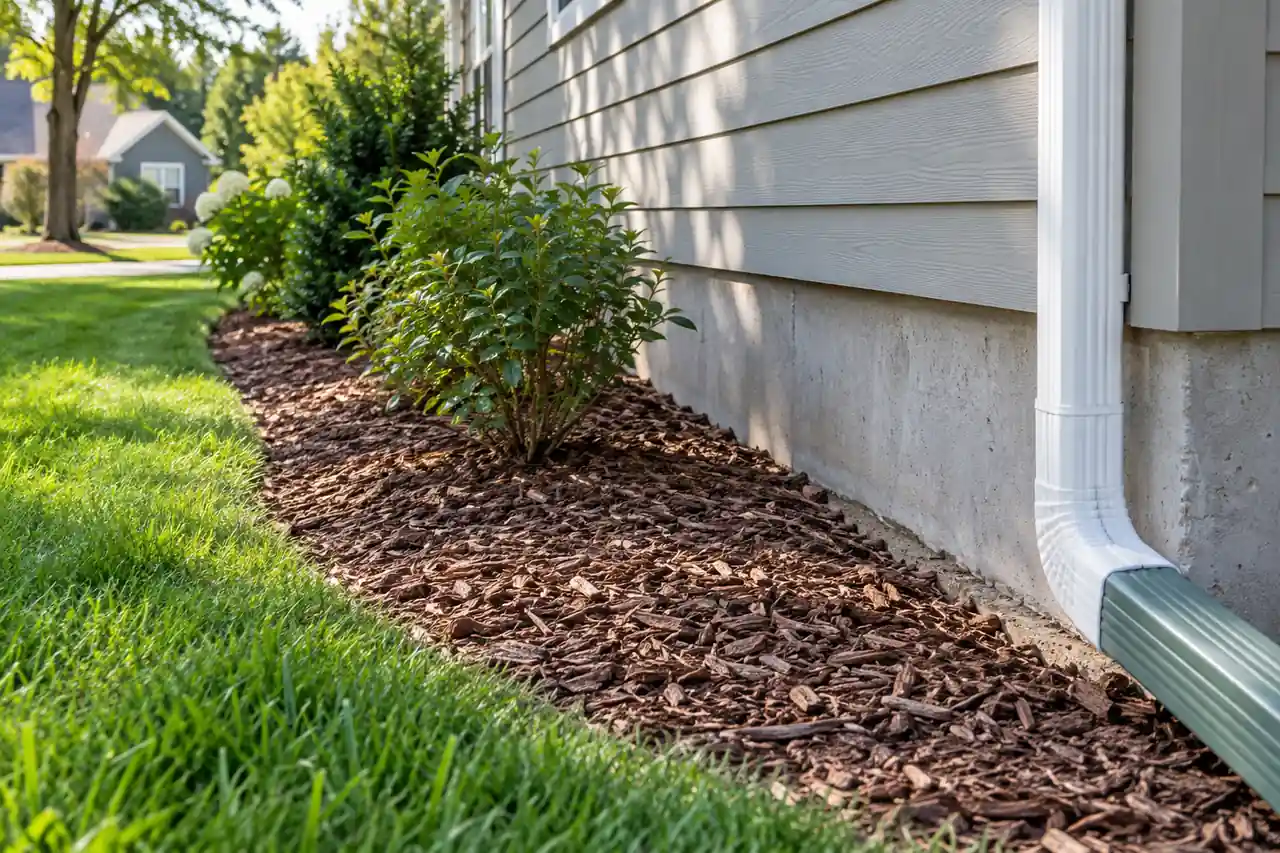
| Perennial or shrub bed with wide exposed soil | Wood chips or shredded bark | Longer-lasting surface protection and cooler root-zone swings | Keep it back from crowns and trunks |
| Sandy bed that dries a day after watering | Repeated moderate organic mulching plus deeper watering | Slows surface loss and supports gradual improvement in holding capacity over time | Mulch alone will not fix tiny frequent sprinkles |
| Cold wet or poorly drained bed | Light temporary cover or delayed mulching | Avoids sealing a bed that already stays cool and slow to dry | Fix drainage first if ponding or sour soil keeps returning |
Best Mulch Types For Moisture Conservation In Different Garden Beds
Material choice decides how long the cover lasts, how fast it wets, how well it stays in place, and whether it also improves the soil over time. Organic mulches usually make the most sense in garden beds because they conserve moisture now and contribute something to soil structure later. Mulch conserves soil moisture by reducing evaporation and moderating the wetting and drying cycle between irrigations, and each material handles that job a little differently.
| Mulch material | Best use | Moisture benefit | Main caution |
|---|---|---|---|
| Straw | Vegetable beds and fruiting annuals | Fast surface shading, light weight, good airflow around stems | Use clean straw, not hay full of seeds |
| Shredded leaves | Vegetable beds, mixed borders, fall topdressing | Excellent surface cover that breaks down faster than chips | Whole wet leaves can mat and shed water |
| Wood chips or shredded bark | Trees, shrubs, perennial beds, wide pathways | Longer-lasting cover and strong temperature buffering | Usually too coarse for fresh direct-seeded rows |
| Compost as a surface mulch | Dense plantings, transplants, beds that need a thin improving cover | Improves wettability and adds some moisture-holding benefit near the surface | Too thin to control heat and evaporation well by itself in harsh summer beds |
| Grass clippings | Annual beds when applied in repeated thin layers | Good quick cover and local nutrient recycling | Thick wet layers mat, smell, and can block water and air |
| Gravel or stone | Drought-tolerant herbs, xeric beds, hot hardscape edges | Reduces surface evaporation and buffers temperature swings | Does not build organic matter and can trap heat in the wrong setting |
Straw is a strong fit for vegetable gardens, and wood chips and shredded bark fit perennial and shrub beds better. Compost and grass clippings can also work, though both need better depth control than gardeners sometimes give them. Compost is usually best as a thin surface layer, not the entire moisture strategy. Fresh clippings work only in thin passes that dry between additions.

Black plastic and landscape fabric can reduce surface evaporation. They create a different irrigation system from a typical home-garden mulch. Water usually needs to run under them, replanting becomes less flexible, and the long-term soil benefit is smaller. For most mixed garden beds, organic surface mulches are easier to manage and easier to correct when the bed changes through the season.
Apply Mulch So Water Still Reaches The Soil
Mulch conserves the most water when it is applied over moist soil, at the right depth, with enough contact to calm the surface without sealing it. A common failure is spreading dry mulch over dry ground and assuming the bed is now protected. Another is building a thick mat that water struggles to penetrate.
| Material type | Useful depth | Why it works | Use carefully |
|---|---|---|---|
| Fine organics such as straw or leaf mold | About 2 to 3 inches | Shades the soil fast without sealing the bed | Too thick can stay cold and damp around stems |
| Coarser bark or wood chips | About 3 to 4 inches | Lasts longer and resists wind and splash better | Too coarse for tiny seedlings and new seed rows |
| Compost topdress used as mulch | About 1 to 2 inches | Improves surface wettability and gives light cover | Usually needs another mulch above it in harsh summer exposure |
| Grass clippings | Thin repeated layers | Reduces evaporation without forming a heavy blanket | Thick wet mats can turn sour and repel water |
| Stone or gravel | About 1 to 2 inches of small material | Covers exposed soil while staying stable in wind | Larger rock behaves more like decoration than mulch |
Weed first, water first, then mulch. Keep the cover back from crowns and stems so the plant base can dry. In seed beds, wait until the crop is established or leave the seed row open with mulch placed between rows. If you use drip or soaker lines, place them on the soil and mulch over them so water enters the root zone protected from sun and wind.
Mulch only saves water when irrigation still penetrates through the cover and reaches the soil. That rule matters most with dry bark, coarse chips, and any material that arrived dusty or hydrophobic. If the first watering beads or runs off, pre-wet the mulch, use shorter pulse cycles, and check beneath the layer before assuming the bed has been watered well.
When To Mulch For Better Moisture Conservation
| Timing situation | Best move | Why it matters | Main caution |
|---|---|---|---|
| Dry summer bed | Water deeply first, then mulch | Locks moisture below the new cover | Covering dry soil delays rewetting |
| Direct-seeded rows | Leave the row open until seedlings emerge | Prevents blocked emergence and cold wet crusting over the seed line | Mulch between rows if the surface is already drying fast |
| Transplants in warm soil | Mulch soon after planting and watering | Reduces transplant dry-down during the first hot days | Keep mulch away from stems and crowns |
| Cold wet spring soil | Delay mulching or use a light temporary cover | Allows better warming and air movement | Thick mulch can hold the bed cold and slow to dry |
| Drip or soaker irrigation | Lay lines on soil, then mulch over them | Protects water delivery from sun and wind | Check that water spreads below the cover |
Mulch Changes Watering Frequency More Than Many Gardeners Expect
Mulch does not replace watering. It changes how quickly the bed loses what you already applied. That means a mulched bed usually needs fewer irrigation events, not necessarily tiny daily top-ups. Soil covered by mulch often needs watering less often than bare soil. Mulched beds work best with deep watering techniques for stronger root growth because water must still reach the active root zone instead of only wetting the cover.
The right adjustment is to water thoroughly, then wait longer before the next run. Beds with straw or leaf cover may hold usable moisture after the surface looks dry. Soil moisture monitoring matters more than surface color alone because mulch can hide usable moisture below a dry-looking cover. Check moisture below the surface because mulched beds can behave differently from bare ones in the top few inches. In many vegetable beds, that means checking under the cover and not judging only by color at the surface.
Mulch also works better when the bed already has decent structure. Organic matter, aggregation, and rooting depth still decide how much water the soil can store after it gets past the mulch. If the deeper profile is weak, amending soil with organic matter can improve holding capacity, while efficient watering strategies help move water into the profile without waste.
Where Mulch Underperforms Or Needs A Delay
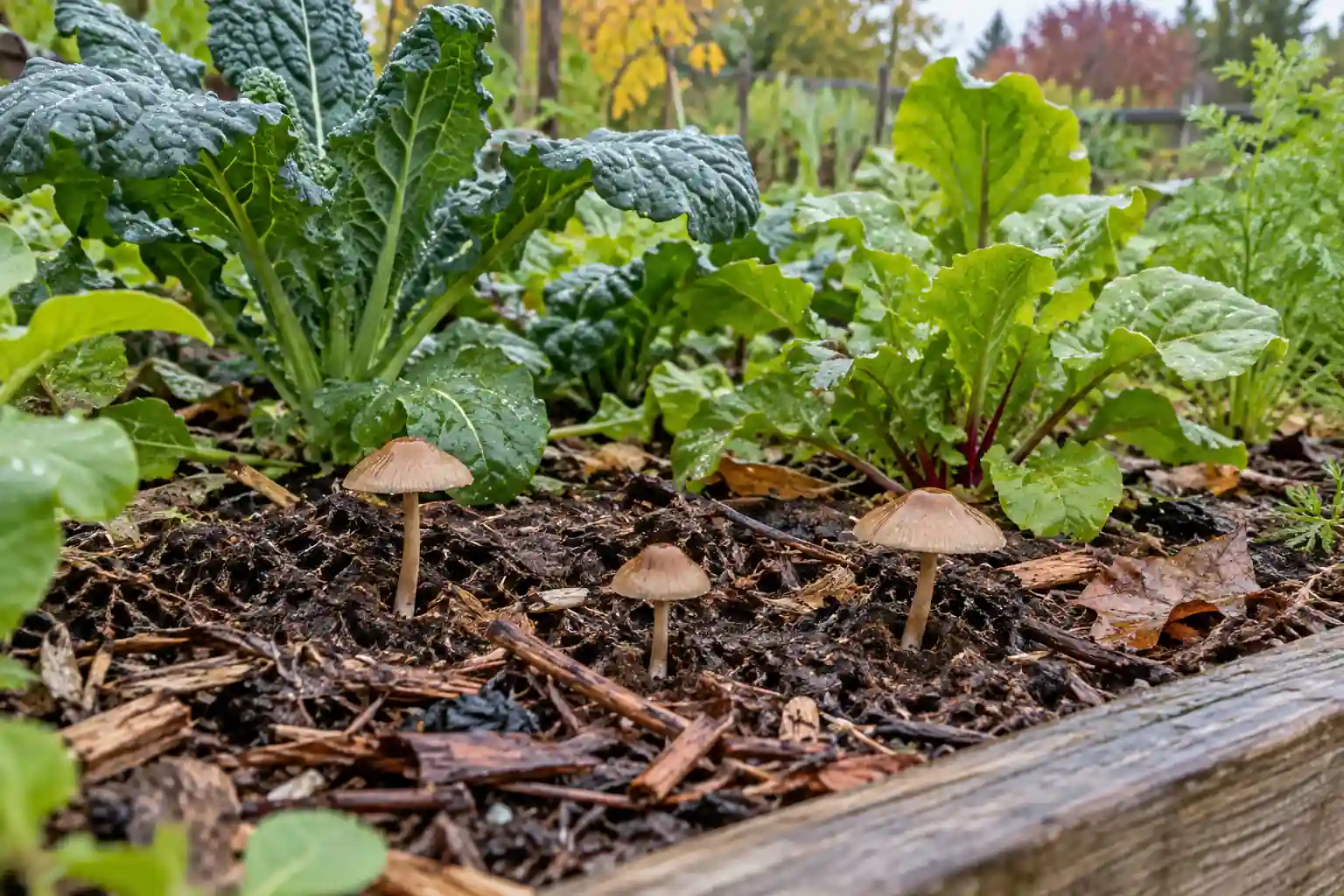
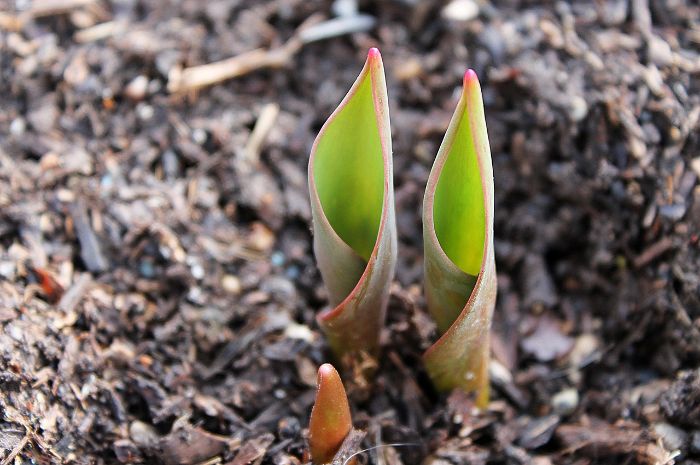
Mulch is not equally useful in every season or every bed. Cold wet spring soils often warm slowly under a thick layer. Beds that are already soggy can stay wetter and airless longer. Direct-seeded carrots, lettuce, beets, and similar small-seed crops are easier to establish when the seed row is left open at first or when mulch is applied only after emergence.
Slugs, pill bugs, and certain stem rots also become more likely where a thick damp mulch stays pressed against crowns. That is not a reason to abandon mulching. It is a reason to match depth and timing to the crop. Tomatoes, peppers, squash, shrubs, and established perennials often benefit from mulch sooner than tiny spring seedlings in cool ground.
Mulch is also a weak answer for drainage problems. If water ponds, smells sour, or stays perched after rain, soil drainage solutions should correct the oxygen and flow problem before a heavy mulch layer is added. Covering a saturated bed can hide the symptom temporarily without fixing the oxygen shortage below the surface.
Common Mulch Mistakes That Cancel Moisture Savings
- Spreading mulch over dry soil and never rewetting the root zone first
- Using a layer so thick that water and air move through it poorly
- Piling mulch against plant crowns, trunks, or stems until rot pressure rises
- Applying thick wet grass clippings that mat into an airless sheet
- Mulching direct-seeded rows too early with coarse material that blocks emergence
- Expecting mulch to fix drainage, severe compaction, or weak irrigation coverage on its own
- Keeping the old shallow watering schedule after the bed is mulched
Start With The Moisture-Loss Pattern, Not The Mulch Bag
Vegetable beds can bake and crust after every watering when bare soil sits exposed to sun and wind. Prepare the bed while the soil is moist and weed-free, then add straw or shredded leaves once the crop is up. A protected surface usually saves more water than extra hose time.

Raised beds often look fine one day and dusty the next because surface moisture leaves quickly through exposed sides, loose mixes, and warm airflow. Pair mulch with fewer, deeper watering cycles. Longer soaking intervals move water into the root zone, while light sprays only dampen the top layer.
Shrub and perennial beds with wide bare gaps need a longer-lasting cover across the open soil. Wood chips or shredded bark work better in permanent planting areas because they shield the surface for months, reduce evaporation, and suppress crusting between established plants.
Sandy soil can absorb water quickly and still dry again within a short time. Organic mulch helps first by protecting the surface, but deeper water retention improves gradually as roots fill the bed and organic matter builds through repeated additions.
Beds that stay wet, cold, or sour after rain need drainage correction before a heavy mulch layer is added. Water conservation has value only when air can still move through the soil profile.
Conclusion
Mulching works best as a moisture-management tool that slows evaporation, reduces weed competition, calms temperature swings, and helps each irrigation last longer in the root zone. The result is a bed that loses water more slowly and needs fewer rescue irrigations, while still receiving real root-zone moisture when the profile dries.
The strongest mulch plan matches the material, depth, and timing to the bed. Straw and leaves suit vegetables. Wood chips suit perennials and shrubs. Thin layers of clippings can help annual beds. Every version works better over moist soil, with irrigation reaching below the cover, and with a clear decision about whether the real problem is dryness, runoff, or drainage.
FAQ
How does mulch reduce watering in garden beds?
Mulch shades the soil surface, slows evaporation, reduces crusting, and cuts weed competition for water. That means the root zone dries more slowly between irrigations, so the bed usually needs watering less often than bare soil.
What is the best mulch for conserving soil moisture in vegetable beds?
Straw and shredded leaves are usually the strongest general choices for vegetable beds because they cover the surface quickly, keep produce cleaner, and are easy to move aside when planting. Compost can help as a thin topdress, and it is usually not enough alone in hot exposed beds.
How thick should mulch be to reduce watering without causing problems?
Fine organic mulches often work best around 2 to 3 inches deep. Coarser chips or bark usually work best around 3 to 4 inches. Grass clippings should go down in thin repeated layers, not one thick wet mat. Keep all mulches pulled back from stems and crowns.
Should I water before or after adding mulch?
Water first if the bed is dry, then mulch over the moist surface. That locks existing moisture in place much better than covering dry soil and hoping the next irrigation will fix it. After mulching, check that water still penetrates through the layer and reaches the soil below.
Should drip lines or soaker hoses go under mulch?
Usually, yes. Place the lines on the soil and lay mulch over them. That keeps water entering the root zone protected from sun and wind and often improves the efficiency of each irrigation cycle.
Does mulch mean I can stop watering as often?
Usually you can water less often, and the bed still needs real root-zone moisture. Mulch stretches the interval between irrigations by slowing losses. It does not replace watering or fix weak irrigation depth.
Can grass clippings or wood chips be used in food gardens?
Yes. They fit different jobs. Thin dry grass clippings work well around annual vegetables. Wood chips are usually better around perennial herbs, berries, shrubs, and path edges than in fresh seed rows. Avoid clippings from lawns treated with herbicides and avoid thick wet clipping mats.
When should I wait before mulching a bed?
Delay thick mulch when soil is still cold and wet in spring, when a direct-seeded crop has not emerged yet, or when the real problem is standing water. In those cases, a heavy layer can slow warming, interfere with emergence, or keep an already wet bed too damp.