



Last Updated June 02, 2026
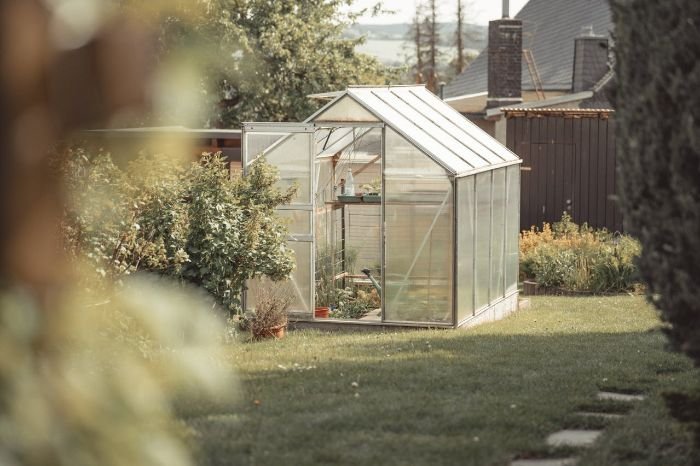
Choosing the right greenhouse starts with the moment you stand in the yard and realize the empty corner is smaller, windier, and farther from water than it looked from the kitchen window. A shiny 6×8 kit can turn into a cramped, overheated box if tomatoes, seed trays, a potting bench, and a watering routine all have to fit through one narrow door. The better purchase begins with the job: early seedlings, summer fruiting crops, frost-free winter greens, tender plant storage, or a small food-production workspace that earns its footprint every week.
The right greenhouse for a home garden matches seven things: available footprint, winter light, wind exposure, drainage, crop goal, glazing, and the climate-control budget. Measure the growing area after paths and benches, then choose a structure rated for local wind or snow before adding shelves, heaters, or automation.
Key Takeaways
- Buy width before length when working space feels tight.
- Match heating plans to crop temperature needs and winter budget.
- Leave 3 feet outside for repairs and snow removal.
- Choose anchoring before choosing shelves in windy yards.
- Test a site at sunrise, noon, and late afternoon.
Table of Contents
Greenhouse Goals – Let The Harvest Decide The Structure
A greenhouse works best when it solves one main growing problem first. Seed starting asks for bright benches, clean trays, and temperature control at the potting-mix level. Summer tomatoes ask for height, airflow, disease control, and a door wide enough to carry in stakes, compost, and a full watering can without knocking foliage loose.
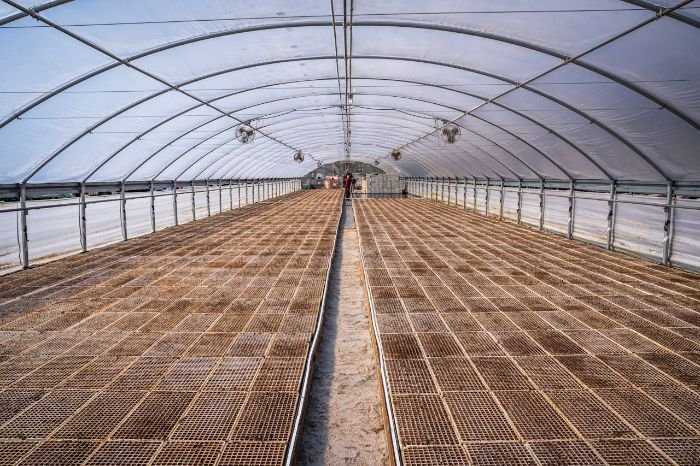
Greenhouse heat builds through trapped radiant energy. Sunlight passes through the glazing, warms benches, soil, pots, and paths, then interior surfaces release heat back into the air. When vents are too small or the house is packed tight, transpiration climbs, leaf surfaces stay damp after watering, and fungal pressure rises in corners where air barely moves. That is why a greenhouse chosen only by square footage often disappoints.
| Primary Goal | Best Greenhouse Direction | Size Starting Point | Feature To Prioritize |
|---|---|---|---|
| Start spring seedlings | Bench-focused house, mini walk-in, or lean-to | 4×6 to 6×8 ft | Benches, lights, bottom heat, easy cleaning |
| Grow tomatoes, peppers, cucumbers | Taller freestanding greenhouse or tunnel | 8×10 ft or larger | Height, ventilation, staking room, irrigation |
| Protect tender plants in winter | Insulated lean-to or polycarbonate house | 6×8 ft and up | Night temperature control and door access |
| Harvest greens through cold months | Well-sited unheated or lightly heated house | 8×10 ft and up | Winter light, thermal mass, frost buffering |
| Maximize food from a small yard | Lean-to, narrow wall greenhouse, or vertical interior | 4×8 to 6×8 ft | Wall use, shelves, airflow between layers |
A cheap pop-up greenhouse can help harden off seedlings for a few weeks and still fail as a tomato house by July. Plastic flaps leak heat at night, shelves shade lower trays, and light frames twist when a storm catches an open door. The result feels like plant care trouble, and the real problem is structure.
Think about the crop you would be most annoyed to lose. If that crop needs support, pollination access, summer airflow, or frost protection, size the greenhouse around that crop before filling leftover space with extras. The stronger decision is usually narrower than the wish list.
Greenhouse Size – Measure The Working Space Inside
Outer dimensions flatter a greenhouse. A 6×8 ft kit sounds like 48 square feet of growing room, then the center path, door swing, benches, watering space, and tomato foliage take their share. The usable growing area can feel half as large once plants begin leaning into the path.
Width matters because a person has to work inside the structure. Movement becomes tight below about 6 ft of width, and 8 ft gives enough room for staging on both sides without turning every watering session into a squeeze through wet foliage. A two-foot side bench is reachable from one side. A three-foot bench starts making you stretch across wet trays with your sleeve brushing seedlings.
Air volume matters too. A taller greenhouse has more air above the crop, so temperature changes less abruptly when a cloud passes or a vent opens. Small houses heat fast because the same sun load is packed into less air. Open a mini greenhouse at noon and the trapped air hits your face warm and damp, with that green smell of wet leaves and potting mix; those signals tell you the house needs venting, shade, or fewer packed trays.
| Greenhouse Size | Realistic Use | What Gets Tight First | Best Buyer |
|---|---|---|---|
| 4×6 ft | Seed trays, herbs, hardening off | Floor crops and tall plants | Balcony, patio, or first test setup |
| 6×8 ft | Seedlings plus a few fruiting plants | Bench depth and door access | Small garden with one main growing goal |
| 8×10 ft | Mixed vegetables, bench work, storage | Summer ventilation and crop spacing | Home gardener growing food most seasons |
| 10×12 ft to 12×20 ft | Serious vegetable production or overwintering collections | Heating cost and system management | Dedicated grower with power, water, and time |
Pro Tip: Mark the greenhouse on the ground with stakes and string, then place two trash cans where benches would sit and walk through with a full watering can. If your hip bumps the string or your elbow clips a can, the path will feel worse once plants are wet and full-sized.
Leave space outside the structure too. Three feet around the sides gives room to wash panels, tighten clips, repair glazing, clear weeds, shovel snow, and work on foundation edges. A greenhouse squeezed against a fence may look efficient on paper, then become impossible to maintain on the side that catches the worst weather.
For small yards, measure what remains after the greenhouse footprint: outdoor beds, compost access, hose movement, and a place to stand with the door open. The greenhouse should improve the garden workflow by keeping daily tasks open, reachable, and easy to repeat.
Greenhouse Site – Read Sun, Wind, Drainage, And Access Together
The best greenhouse site is the spot that works on a cold sunny morning, a hot July afternoon, and a windy night after rain. A place that wins only one of those tests will keep asking for correction. Light is the first filter, and access decides whether you will still use the greenhouse when the weather is annoying.
South or southeast exposure gives many home greenhouses the strongest winter light, with east exposure usually weaker and north-side placement the poorest light choice. That matters most from November through February, when low sun and short days turn small shadows into real growth limits.
Sunlight works with wind, drainage, and access. Wind strips heat from glazing by convection, pushes rain through weak seams, and turns loose panels into noise before it turns them into damage. Drainage controls the floor, foundation, and humidity. If water pools under the door after rain, wet gravel and standing trays will raise humidity before the plants add their own transpiration.
- Check winter sun from midmorning through midafternoon.
- Watch where roof runoff, path runoff, and low spots collect water.
- Stand on the site during wind and note the strongest direction.
- Confirm a hose reaches without crossing steps or tight gates.
- Locate power before buying heaters, fans, lights, or controllers.
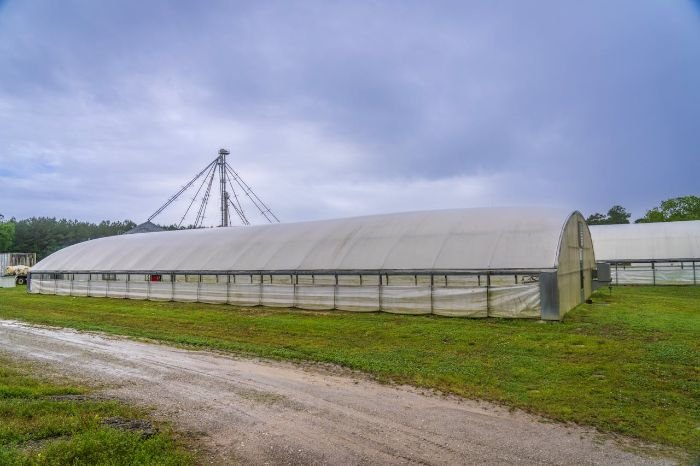
Run a simple drainage test before the kit order. Dig a hole about 12 inches deep where the floor would sit, fill it with water, and check whether the water clears within a few hours. Soil that stays slick and gray in the bottom of the hole will push moisture into the greenhouse floor unless you raise the base, add gravel, or solve the drainage outside the walls. The same physics behind soil drainage solutions in garden beds applies under a greenhouse: water follows grade, pore space, and the easiest escape route.
Before buying a fixed greenhouse, check setbacks, HOA limits, local building rules, foundation requirements, utility trenching, and whether electrical work needs a licensed installer. A kit that fits the garden footprint can still fail the site if it blocks access, crosses a setback, or needs power where safe wiring is expensive.
I often notice that gardeners choose the sunniest spot and forget the walk to it. A greenhouse 80 feet from the hose gets skipped on cold mornings. A greenhouse beside the back door gets checked, vented, and harvested because the handle is already on the daily route.
Greenhouse Types – Match Shape To Space, Weather, And Daily Use
Greenhouse type decides how the structure behaves before any accessory enters the cart. Lean-to models borrow wall warmth and save yard space. Freestanding greenhouses get better placement freedom. Tunnels offer growing volume for less money. Mini greenhouses give quick seasonal protection and very little forgiveness when heat spikes.
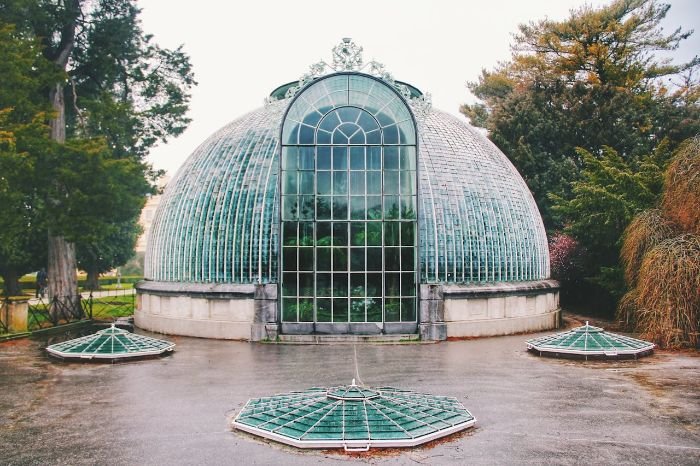
Thermal mass explains part of the difference. Brick, stone, water barrels, and dense flooring absorb heat during sun and release it later as the air cools. A lean-to against masonry gains that buffer. A thin plastic tunnel without mass heats and cools fast, so the grower becomes the temperature buffer by opening, closing, shading, and watering on time.
| Type | Best Fit | Main Strength | Watch Closely |
|---|---|---|---|
| Lean-to greenhouse | Small yards, patios, side walls | Shared wall, short access, easier utilities | Wall shade, roof runoff, limited width |
| Freestanding glass or polycarbonate house | General home food growing | Placement freedom and balanced light | Foundation, wind exposure, purchase cost |
| Hoop house or tunnel | Season extension and row crops | Large covered area per dollar | Anchoring, snow, door sealing, summer heat |
| Mini or portable greenhouse | Seedlings, herbs, short spring use | Low cost and small footprint | Fast overheating and weak wind resistance |
The crop pattern should sit inside the type choice. Trellised cucumbers and indeterminate tomatoes need height near the eaves and ridge. Lettuce, basil, and seed trays benefit from bench access and shade control. Tall citrus or tender figs need door clearance, floor weight capacity, and enough winter light to avoid weak, stretched growth.
A tunnel can produce a lot of food, and it also needs discipline. If sides stay closed on a sunny spring day, the air inside becomes hot enough to curl new growth even when outdoor air feels pleasant. A glass lean-to has the opposite risk in a narrow shaded side yard: the structure looks permanent and beautiful, then spends winter short on light and summer short on airflow.
Structure comes first, then the growing calendar. From there, greenhouse gardening becomes crop timing, rotation, pest pressure, and harvest planning.
Greenhouse Materials – Choose Glazing, Frame, And Base As One System
Materials decide light, heat loss, breakage risk, maintenance, and how the greenhouse sounds in weather. Glass gives clear light and long life. Twin-wall polycarbonate diffuses light, insulates better, and handles impact with less drama. Polyethylene film keeps costs low and asks for replacement, tightening, and more attention to edges.
Glazing changes plant behavior because light quality, light quantity, and heat flow change together. Clear glass throws stronger direct shadows from frames and benches. Twin-wall polycarbonate softens light by diffusion, so leaves lower in the canopy receive more scattered light and less sharp glare. Film houses depend heavily on the frame, inflation or fastening, and how well the edges stay sealed after wind.
| Material Choice | Best Fit | Main Strength | Main Caution |
|---|---|---|---|
| Glass glazing | Permanent garden greenhouse with strong frame and safe site | Clear light, long life, traditional look | Breakage risk, higher heat loss, heavier structure needs |
| Twin-wall polycarbonate | Home food growing, windy gardens, colder climates | Light diffusion, impact resistance, better insulation | Can discolor, scratch, or lose clarity as panels age |
| Polyethylene film | Tunnels, seasonal food production, lower-budget covers | Large covered area for less money | Replacement, tightening, wind wear, and edge sealing |
| Aluminum frame | Low-maintenance kits and wet climates | Lightweight and rot-resistant | Weak kits can flex unless frame and base are strong |
| Galvanized steel frame | Tunnels, exposed sites, larger structures | Better strength for wind and load resistance | Needs good anchoring and corrosion-aware detailing |
| Wood frame | Permanent garden feature with repair access | Solid feel, easy fastening, warmer visual fit | Damp joints and glazing edges need inspection |
The frame has to match the covering. Aluminum resists rot and keeps maintenance low. Galvanized steel brings strength to tunnels and larger houses. Cedar and other rot-resistant woods look warm, feel solid under the hand, and ask for seasonal inspection where damp joints meet glazing. Run your fingers along a sample frame if you can. Thin aluminum flexes with a tinny vibration; heavier framing feels quieter and more planted before a single panel goes in.
Storm loads make bargain kits more complicated than their photos suggest. A 10 by 100 ft polycarbonate wall in 60 mph wind can face force near 10,000 pounds, and wind uplift can lift light hoophouses when anchoring is weak. A home greenhouse is smaller, and the lesson still lands: panels, frame, base, and anchors work as one structural system.
Base choice changes permanence. Concrete slab is clean and durable, with less soil splash and easier sweeping. Gravel floor drains better, feels forgiving underfoot, and allows ground beds if the edges are managed. Treated-wood perimeter can suit small kits when it is level, square, and anchored. Wobble at the base becomes racking at the roof after repeated wind.
Choose the material that fits the climate you actually have. Hail, falling branches, snow, reflected heat, salt air, and summer wind all matter more than catalog photos. In cold regions, glazing and sealing affect heating cost every night. In hot regions, the structure with the prettiest panels still needs vents, shade, and enough air movement to keep leaves dry.
Greenhouse Budget – Price The Climate System Before Decorative Extras
The sticker price is only the first layer of greenhouse cost. A cheap frame becomes expensive when it needs replacement panels, extra anchors, better vents, shade cloth, a heater, and a floor redo after the first winter. A higher-quality kit can also waste money if it is larger than the gardener has time to manage.
Budget in three parts: structure, site work, and operating control. Structure includes the frame, glazing, doors, vents, base, anchors, and delivery. Site work includes leveling, drainage, gravel, concrete, path access, water, and electrical work. Operating control includes shade cloth, fans, heaters, thermostats, irrigation, benches, sensors, cleaning supplies, and replacement parts.
Heating is the quiet budget breaker. Keeping a greenhouse frost-free for winter greens is a different commitment than holding warm nights for peppers, orchids, or citrus. The plant mechanism is simple: respiration continues at night, roots keep needing oxygen, and chilling injury slows recovery even when leaves remain alive. If the structure leaks heat faster than the heater replaces it, plants sit in survival mode and the utility bill climbs.
| Growing Goal | Climate-Control Level | Budget Priority | Risk If Underpriced |
|---|---|---|---|
| Seed starting and hardening off | Short seasonal heat, bottom heat, or lights | Benches, trays, power access, clean workflow | Leggy seedlings, cold nights, poor tray management |
| Unheated winter greens | Frost buffering and strong winter light | Site, glazing, ventilation, thermal mass | Slow growth, repeated freezing, excess humidity |
| Frost-free tender plant storage | Reliable minimum night temperature | Insulation, heater sizing, thermostat, sealing | Cold injury during one hard night |
| Warm fruiting crops out of season | Higher night temperatures and active ventilation | Heating, fans, vents, irrigation, monitoring | High energy cost with weak fruit set |
| Serious year-round production | Managed heat, cooling, irrigation, and monitoring | System design before decorative features | Weak structure masked by automation and poor production |
Cooling deserves the same respect. Even cold-weather greenhouses can overheat on bright sunny days; when mechanical ventilation is used, exhaust fans should be sized to change the air in the greenhouse one to one and one-half times every minute. Manual roof vents work when someone is home. Automatic vent openers and fans matter when a spring morning turns hot before lunch.
Put money into control before ornament. Roof vents, side vents, shade cloth, a reliable thermometer, a sturdy base, and water access do more for plants than decorative finials or extra shelves. Automation has a place too. Small sensors and controllers become more useful after the basic structure already holds air, sheds water, and vents correctly; IoT climate control should refine sound passive decisions after the structure, vents, and site already work.
A practical first-year budget leaves 15 to 25 percent of the kit price unspent for fixes. Most gardeners discover the need for one more vent, better shade, more clips, a cleaner hose route, or a stronger latch only after the greenhouse has lived through its first hot week and first rough storm.
Greenhouse Setup Features – Build Around Air, Water, Benches, And Monitoring
A greenhouse interior should be planned before the walls go up. Every feature changes airflow, wetting pattern, and how easily plants get inspected. A bench that looks tidy in April can block air below tomato foliage in July. A shelf stacked with flats can shade the lower tier until seedlings stretch pale and thin.
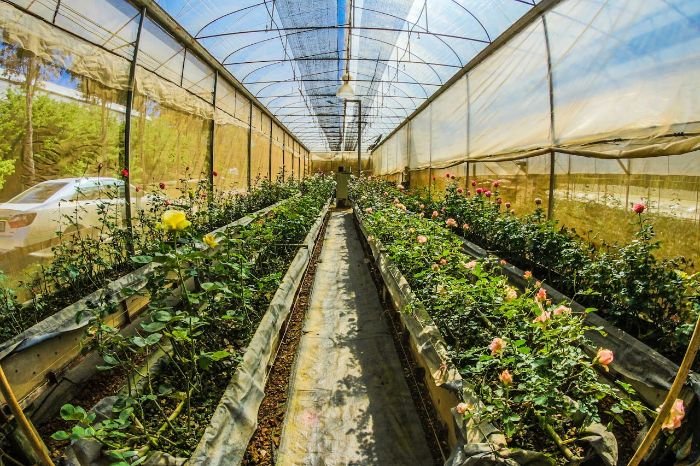
Ventilation should move hot air out of the upper zone as replacement air crosses the crop through lower vents, side vents, louvers, or open doors. Warm air rises by buoyancy, so roof vents release heat more effectively when lower side vents or louvers admit cooler air. Fans help mix temperature layers, dry leaf surfaces after watering, and prevent stagnant pockets behind dense plants.
Water should arrive slowly and predictably. A hose works for a tiny setup. A larger greenhouse benefits from drip irrigation on beds or containers, because leaves stay drier and paths avoid constant splashing. Pair that with soil moisture monitoring if containers, raised benches, or mixed crops dry at different speeds.
Benches should match the work. Seed starting needs a washable surface, room for trays, labels, lights, and a place to spill potting mix without blocking the path. Fruiting crops need fewer shelves and more vertical clearance. The underside of a bench can become a damp cave where old leaves, fungus gnats, and slugs collect unnoticed.
Pollination and pest inspection also belong in the setup. Tomatoes in an enclosed house need vibration from wind, hand tapping, or a pollination tool for better fruit set. Aphids, whiteflies, and spider mites multiply faster under protection because rain, wind, and predators are reduced. Yellow sticky cards, clean entry habits, and open space around crops make early detection easier than rescue spraying later.
Crop pairing can help after the physical layout is workable. Basil beside tomatoes, flowers near entrances, and trap or banker plants have a role, and the details belong with companion planting for greenhouse gardens. Airflow, sanitation, and crop spacing still carry the heavier load in an enclosed space.
Choose The Right Greenhouse In Four Real Garden Situations
A narrow patio can still support serious seed starting. Choose a lean-to or sturdy mini walk-in with shelves, tie it down well, and spend money on light, bottom heat, and clean tray workflow. Start by measuring shelf depth and door swing before comparing brands.
A productive outdoor vegetable garden needs season extension more than display. Choose an 8×10 ft freestanding greenhouse or a small tunnel with strong anchoring, good side ventilation, and enough height for tomatoes or cucumbers. Mark the path and bench layout on the ground, then count how many plants fit after movement space is removed.
For tender plant storage, winter survival matters more than heavy food production. Choose polycarbonate glazing, a tight door, a reliable thermostat, and a floor plan that keeps pots off cold edges. Set the minimum night temperature first, because that number controls glazing, heater size, and plant choice.
Heavy snow, strong wind, or exposed open ground changes the purchase order. Choose rated framing, a real base, diagonal bracing, and anchors before choosing size upgrades. Check local wind and snow expectations, then reject kits without clear structural ratings or anchoring requirements.
Small food-focused yards need the greenhouse to earn its footprint. Choose the shape that keeps outdoor beds useful, preserves access, and still gives the protected crop enough working room. A greenhouse that steals the best in-ground growing spot may reduce total harvest unless it extends the season, protects a high-value crop, or turns dead space beside a wall into production.
Conclusion
The right greenhouse is the one whose structure, site, and climate control match the work it will do for the next five to ten seasons. If your main goal is seedlings, buy bench access and temperature control. If your main goal is food production, buy width, height, ventilation, anchoring, water access, and a layout that still works when plants are full-sized.
Before ordering, mark the footprint, walk the path with a watering can, watch the site at three times of day, and price the base, vents, shade, water, and heat together. A good match feels calm inside: clear paths, dry leaves after airflow, a clean earthy soil scent, and new growth sitting upright in bright filtered light.