




Last Updated June 21, 2026
A gardening workout builds strength when the hard jobs are paced, rotated, and done with clean movement across short rounds. Digging, lifting, carrying, raking, weeding, pruning, and pushing a wheelbarrow train the arms, legs, back, grip, hips, and core because they ask the body to move real weight through awkward garden positions. The payoff shows up in ordinary moments: a full watering can feels less lopsided, mulch bags stop feeling like a fight, and a deep weeding session leaves the bed cleaner without leaving your lower back angry the next morning.
The work still needs structure. A garden gives you resistance, distance, uneven ground, bending, reaching, and repeated tool strokes. Turn all of that loose at once, and the body reads the day as punishment. Rotate the tasks, keep loads close, switch sides before one shoulder takes over, and treat rest breaks as part of the work. Strength grows best when the next session is still possible.
Key Takeaways
- Garden work builds practical strength through loaded carries, squats, hinges, pulls, pushes, grips, and repeated tool strokes.
- Digging and shoveling train legs, hips, back, core, shoulders, and arms when loads stay small enough to control.
- Raking, hoeing, pruning, weeding, and wheelbarrow work add stamina because the muscles repeat moderate effort for longer blocks.
- Back protection comes from hip hinging, switching sides, stepping to turn, keeping weight close, and stopping before form breaks.
- The best progress comes from one change at a time: slightly more load, time, distance, trips, or frequency.
Table of Contents
Why Garden Work Builds Strength Differently From Gym Sets
Garden strength is uneven in the useful way. A barbell moves along a planned path. A half-full wheelbarrow rolls through soft soil, a wet bag of compost sags in the middle, and a spade meets roots, stones, clay seams, or dry crust. The body has to brace, adjust, grip, and reset with every repetition.
That makes garden work a form of functional resistance. Legs drive the shovel into the soil. Hips hinge to lift compost. The trunk braces against rotation when the load sits on one side. Shoulders and arms guide the tool, and the hands keep the handle from slipping. A good session leaves the whole body tired in small places because the legs, hips, trunk, shoulders, arms, and hands share the load.
Digging, hoeing, raking, mowing, shoveling, and loaded wheelbarrow work sit across different effort levels in the Adult Compendium of Physical Activities, which lists lawn and garden work intensity values by task. That range matters because a quiet half hour of deadheading is recovery work, and a morning of moving damp mulch is real training.
Adult activity guidance separates aerobic work from muscle-strengthening work. Garden tasks begin to count toward the strengthening side when they make muscles work harder than usual, such as loaded carries, shoveling, digging, pushing, pulling, squatting, and controlled tool work. A full wheelbarrow trip up a slight slope does that. So does repeated spading in compacted soil.
Observation: Gardeners underestimate the carry jobs. Lifting a pot once feels simple, then the third move from patio to shade house reveals the grip, trunk, and hip strength hiding inside that chore.
Start With The Garden Job Your Body Can Repeat Cleanly
The first useful job is the one you can finish with the same posture you had at the beginning. A clean gardening workout starts with repeatable movement that can be held through the whole work block. If the lower back rounds on the fifth shovel scoop or one shoulder hikes toward the ear during raking, the job has already outgrown the session.
Pick one main strength task, one lighter stamina task, and one finishing task that restores order. That might mean 15 minutes of moving compost, 10 minutes of raking paths, then 10 minutes of watering or tying plants. The heavy work gives the muscles a clear demand. The lighter work keeps blood moving without piling more load onto the same joints.
Two-day soreness usually comes less from the task itself and more from the repetitions completed after posture, grip, or footwork had already changed.
| Garden session level | Good main task | Good follow-up task | Stop point |
|---|---|---|---|
| Easy return after a break | Weeding a small bed section | Watering with a half-full can | Hands tire or knees feel stiff |
| Moderate strength day | Moving compost in small shovel loads | Raking the surface smooth | Back starts rounding during scoops |
| Stamina day | Raking leaves or hoeing paths | Light pruning or cleanup | Tool strokes lose rhythm |
| Heavy project day | Wheelbarrow trips, soil moving, pot shifting | Slow cleanup and stretching | Grip slips or feet drag |
Small sessions also make progress easier to see. A 20-minute bed cleanup repeated twice a week builds more usable strength than one heroic Saturday that steals the next two gardening days.
Match Garden Tasks To The Muscles They Train
Garden jobs feel messy because several muscle groups work at once. That is exactly why they build useful strength. The shovel is a lever, the wheelbarrow is a loaded carry, the rake is repeated pulling, and kneeling work is a long isometric hold for hips, thighs, and trunk.
The best task mix gives the arms, legs, and back different kinds of work across the week. Digging and shoveling create short stronger efforts. Raking and hoeing create repeated moderate strokes. Weeding and transplanting load the legs through kneeling, squatting, and rising. Carrying pots or watering cans trains grip and core because the load pulls the body off center.
| Garden task | Main muscles trained | Strength quality | Make it safer |
|---|---|---|---|
| Digging and spading | Legs, hips, back, core, shoulders, arms | Power, bracing, repeated force | Step onto the spade, keep loads small, switch lead foot |
| Shoveling mulch or compost | Glutes, hamstrings, back, abs, grip | Loaded hinge and lift | Hold the handle close and turn with the feet |
| Wheelbarrow trips | Grip, forearms, core, quads, calves | Loaded carry and balance | Fill below the rim and keep the load centered |
| Raking and hoeing | Upper back, shoulders, arms, trunk | Muscular endurance | Change hand position every few minutes |
| Weeding and transplanting | Quads, hips, glutes, core, hands | Low-position strength | Use a pad, change knees, stand before stiffness sets in |
| Pruning by hand | Grip, forearms, shoulders, upper back | Controlled repetition | Keep cuts within chest-to-shoulder height when possible |
The feel of the job tells you which muscles are doing the work. A shovel handle that rubs hot across the palm points to grip fatigue. A dull pull across the low back during the lift points to a hinge that has collapsed. Thighs burning during weeding tell you the legs are holding the position, even when the hands seem to be doing the visible job.
Use Body Mechanics That Turn Yard Work Into Strength Work
Good garden movement feels boring at first because the load stays close and the body does less twisting. That is the point. Muscles gain a clear job when the hips, legs, trunk, shoulders, and hands share the effort in the same pattern from one repetition to the next.
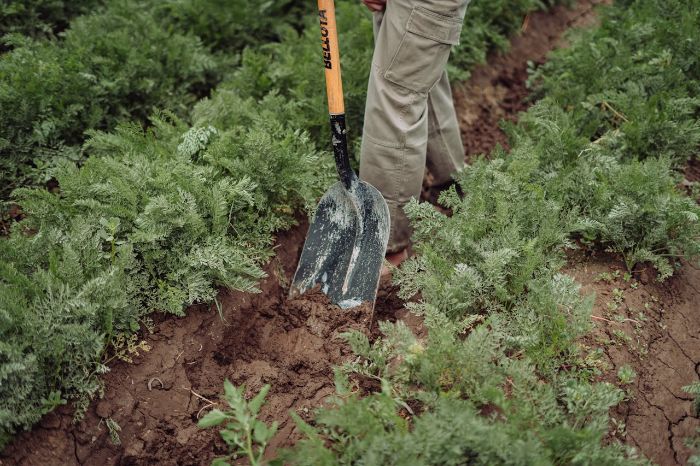
Digging works best when the boot, leg, hips, trunk, shoulders, and arms share the force through the spade. Step down with the sole of the boot, loosen a small slice, then lift only what the tool carries without bending. A wet clay scoop that shines dark and heavy on the blade should be split into smaller bites. The sound changes too: a clean slice makes a dull cut through damp soil; a prying twist makes the handle creak under strain.

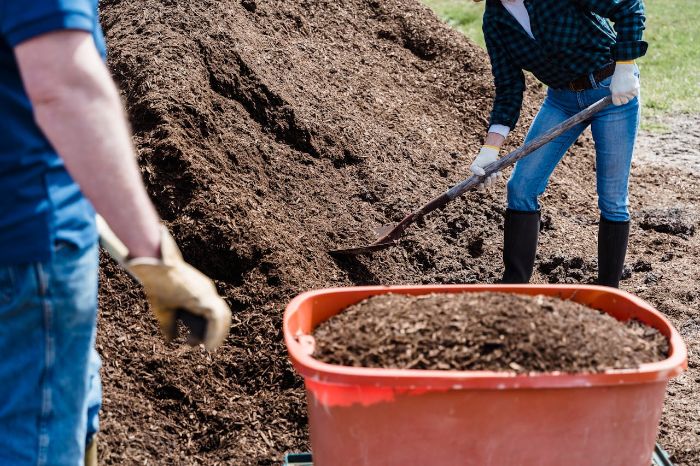
During shoveling, hinge at the hips and bend the knees enough that the load stays near the body. Lift, step, and dump. Step to turn before dumping, so the feet move with the load instead of leaving the spine to handle the rotation. The spine handles compression better than repeated loaded twisting, and fatigue makes that twist sharper as the pile gets lower.
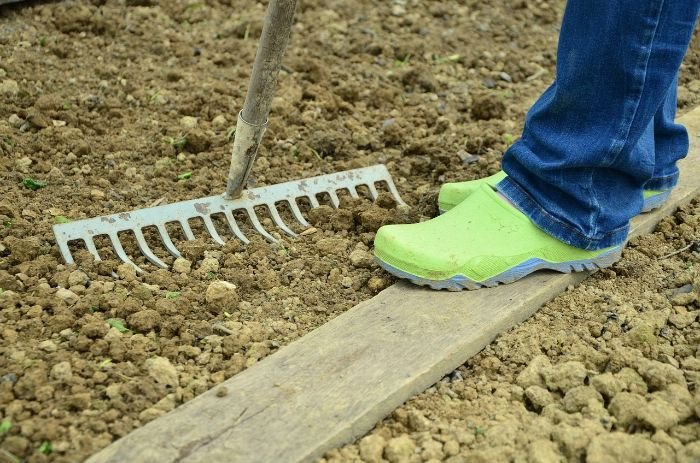
Raking or hoeing needs one foot slightly forward, loose elbows, and a pull from the upper back through the hands. Switch the forward foot and hand position before one side gets tired. On a long leaf pass, the rake teeth should scrape with a dry, even rasp across the surface. Jerky strokes mean the tool is catching, the arms are overworking, or the path needs smaller sections.
Pro Tip: Fill buckets, cans, and barrows to the weight you can carry with a quiet grip. White knuckles, lifted shoulders, or a tilted rib cage are early signs that the load is training compensation more than strength.
Build Stamina With Timed Garden Work Blocks
Stamina in the garden is the ability to keep useful form after the first burst of energy fades. A long bed edge, a row of weeds, or a pile of mulch trains that quality through repeated submaximal effort. The muscles keep cycling between contraction and release, and the heart rate rises because the work keeps moving.
Use timed blocks for yard days. Ten to 15 minutes works for a returning gardener. Twenty to 30 minutes works for a person already used to regular outdoor work. After each block, stand upright, walk to water, shake the hands loose, and look at the next task with fresh posture.
Muscle-strengthening work begins when a task makes muscles work harder than usual, so garden blocks should include resistance: lifting, pushing, pulling, carrying, squatting, or controlled tool work.
A useful rhythm is heavy, medium, light. Move compost for one block, rake or hoe for the second, then prune, water, tie, or clean tools for the third. The body gets enough variety to keep going, and the same joint does not take the whole morning.
Heat changes the plan. In July humidity, the same wheelbarrow route that felt moderate in April turns into harder work because cooling demands rise and grip gets slick. Start earlier, cut load size, and let shade breaks count as training discipline. A soaked shirt, salty skin, and dragging feet are warning signs that load size, timing, shade, water, or rest breaks need adjustment.
Progress The Load Without Chasing Soreness
Soreness is a noisy measure. It tells you tissue received a new demand, and it does not prove the session was productive. Garden progress reads better through cleaner repeats: the same shovel load with less strain, the same wheelbarrow route with fewer stops, or the same weeding block with knees that recover after standing.
Change one variable per week. Add one extra wheelbarrow trip, a few more minutes of raking, a slightly fuller watering can, or one additional bed section. The body adapts to mechanical tension and repeated effort when the jump is small enough to recover from. Big jumps produce form breakdown first.
| Progress variable | Garden example | Good increase | Back off when |
|---|---|---|---|
| Load | Compost, mulch, watering cans, pots | Add a little weight after two easy sessions | Grip slips or shoulders climb |
| Time | Raking, hoeing, pruning, weeding | Add 5 minutes to one block | Strokes shorten or posture folds |
| Distance | Wheelbarrow trips, pot carries, hose dragging | Add one trip or shorten rest slightly | Feet shuffle or the load wobbles |
| Frequency | Strength garden sessions per week | Add one light session before adding a heavy one | Soreness lasts past 48 hours |
Sharp pain, chest pressure, dizziness, unusual shortness of breath, numbness, or pain that changes your gait should stop the session. Garden work is real physical work, and new activity should start slowly when health concerns are present, especially after a known heart condition, recent surgery, major joint pain, or symptoms that do not settle with rest.
A simple log helps. Write the task, time, load, weather, and next-day feel. “Three barrows of mulch, 22 minutes, warm morning, back fine, hands tired” tells you more than a fitness app step count.
Use Garden Tools As Training Variables
Tools change the workout as much as the task does. Long-handled tools increase reach and leverage. Short handles demand more bending. Heavier steel rakes build more upper-body effort across a short job, and lighter rakes let the arms repeat clean strokes for longer.
Wheelbarrows set the tone for loaded work. A single-wheel model turns tightly and asks more from balance. A two-wheel model feels calmer under a bulky load. The body reads that difference immediately on uneven ground. For frequent compost, mulch, and soil trips, choosing a wheelbarrow that matches your paths and load size keeps the work controlled and predictable.
Rakes deserve the same respect. A fan rake, bow rake, shrub rake, and thatching rake all pull differently through the body. The wrong head catches, jars the shoulder, and turns a light stamina job into an irritation session. Matching types of garden rakes to leaves, soil, gravel, or thatch keeps the muscle work where you intended it.
Raised beds, kneeling pads, buckets, hand carts, and smaller tarps help set the load before fatigue forces poor movement. A raised bed shifts weeding from deep knee flexion into a shallower hinge. A kneeling pad extends the time a person can work close to the soil before joint pressure takes over. Smaller tarps reduce the dead drag that strains hands and low back during cleanup.
Tool maintenance matters too. A sharp spade enters soil with less force, a clean pruner reduces hand strain, and a rake with tight tines stops bouncing through debris. The difference is physical. The hand hears it as less vibration and feels it as less sting across the palm.
Common Gardening Workout Mistakes
The most common mistake is saving every heavy job for one free day. Soil moving, edging, planting, pruning, and cleanup stacked into the same afternoon create fatigue before the hardest work is finished. Split heavy jobs across days when the project allows it, then use lighter maintenance tasks between them.
Another mistake is letting one side do all the skilled work. Right-handed gardeners shovel, rake, prune, and carry with the same side leading for years. Switch hands during easy strokes first. The awkward side will feel clumsy, and that clumsiness is exactly why the dominant side has been taking too much load.
Deep weeding creates its own trap. The eyes lock onto the next weed, and the torso stays folded too long. In small beds, manual weeding works best when the soil is moist enough to release roots and the gardener changes position before hips and knees stiffen. Dry soil makes every pull harder. Damp, crumbly soil gives a soft tear around the root and lets the hand do less yanking.
Skipping mobility work also costs strength. A stiff hip hinge sends more motion into the low back. Tight shoulders make overhead pruning feel heavier than it is. Light movement before yard work, plus a few minutes of after-work stretching, helps the flexibility benefits of gardening show up during cleaner lifting, reaching, kneeling, and pruning.
Last, do not confuse cardio fatigue with strength fatigue. Breathlessness during mowing or fast raking belongs closer to gardening as a cardio workout. Local muscle burn during carrying, digging, squatting, and tool work is the strength signal. Both matter, and separating them helps you choose the next job without overloading the same system.
Conclusion
Garden work builds strength when the job has enough resistance, the movement stays clean, and the session ends before fatigue takes over the form. The arms guide tools, the legs drive lifts, the back and core brace the body, and the hands connect every task to the load.
A strong gardening workout comes from smaller shovel loads, smarter wheelbarrow fills, switched hand positions, timed work blocks, and stopping early enough for tomorrow’s body to stay useful. That is how yard work becomes lasting strength across repeated garden sessions.
FAQ
Does Gardening Count As A Workout?
Gardening counts as a workout when the work raises effort beyond ordinary daily movement. Digging, shoveling, carrying, pushing a wheelbarrow, raking, hoeing, weeding, and pruning all train the body through resistance, repeated motion, balance, and stamina.
Which Garden Tasks Build The Most Strength?
Digging, shoveling, wheelbarrow trips, carrying pots, moving mulch, turning compost, hoeing, and long weeding sessions build the most strength. These tasks load the legs, hips, back, core, arms, shoulders, and grip through real resistance.
Can Gardening Strengthen Your Back?
Gardening strengthens the back when the hips and legs share the lift and the spine stays braced. Small shovel loads, close carries, split stance raking, and foot turning help the back work as a stabilizer while the hips and legs share the lift.
How Long Should A Gardening Workout Last?
Ten to 15 minutes is enough for a returning gardener. A regular gardener can use 20- to 30-minute blocks with rest between them. Stop when posture changes, grip slips, or the same load suddenly feels much heavier.
Is Gardening Better For Strength Or Cardio?
Gardening can train both, depending on the task. Carrying, digging, shoveling, and wheelbarrow work lean toward strength. Mowing, fast raking, and continuous cleanup lean toward cardio and stamina.