Last Updated May 02, 2026
Low light outdoor plants succeed when the shade is identified correctly and the plant is matched to the moisture, root competition, and air movement that come with it. A good shade bed depends on foliage, flowers, and structure that fit limited direct sun.
Many shady spots look harder than they are. The north side of a fence glows with bounced light for hours. A high canopy throws shifting shade that still feels bright by noon. Then there is the rougher version: dry soil under maples, exposed roots just under the leaf litter, and a powdery surface that cracks under your trowel before August ends.
Those conditions require separate plant choices. Large thin leaves gather light well in dim exposure because chloroplasts spread across more surface area, and those same leaves scorch or collapse when the root zone stays too dry. Shade gardening gets easier once that mismatch is stopped before planting day.
Reliable low-light outdoor plants include hostas, hellebores, epimediums, ferns, brunnera, sedges, astilbes, heucheras, woodland shrubs, and a smaller group of annuals and containers for fast color. The best combinations depend on whether the site is bright shade, dry shade, moist woodland shade, or a colder north-facing entry.
Key Takeaways:
- Treat bright shade, deep shade, dry shade, and wet shade as different planting conditions
- Match low light plants to moisture and root competition before choosing them by flower color
- Foliage plants carry shade gardens longer than bloom alone
- Under trees, root competition and intercepted rainfall are often bigger problems than low light
- North-facing beds and shady containers need tighter plant selection than open borders
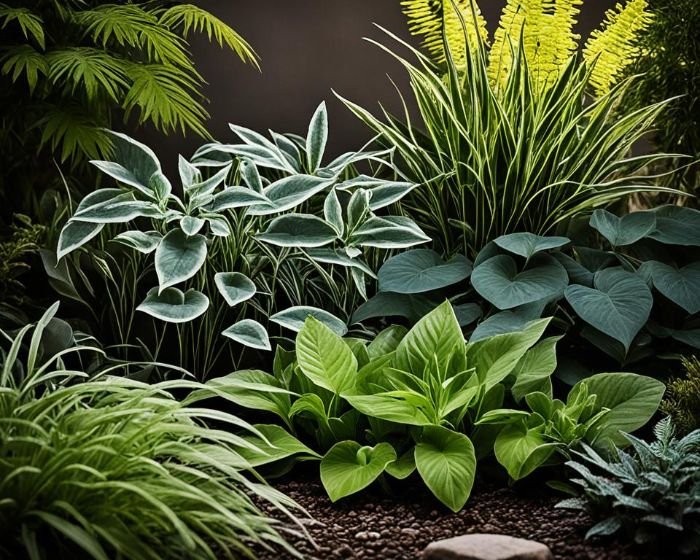
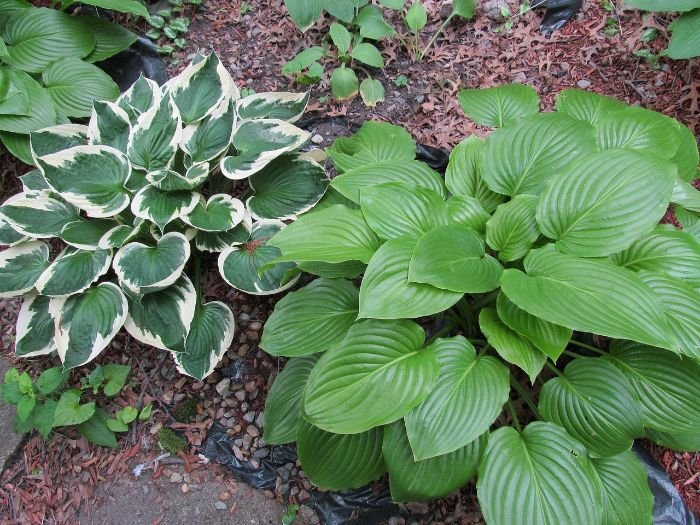
A strong shade garden rarely comes from one plant hero. It reads better when broad leaves, fine fern texture, evergreen clumps, flowering accents, and one or two shrubs share the work. Hostas, Christmas ferns, hakone grass, oakleaf hydrangea, hellebores, fox sedge, and brunnera all solve different low-light jobs without repeating the same one.
Table of Contents
What Low Light Really Means Outdoors
Low light outdoors is not one condition. It ranges from bright morning shade to heavy afternoon shade, from filtered canopy light to the dark edge below evergreen branches. Broader plant selection still matters because shaded sites expose bad plant matching fast when roots and leaves get less room to recover from stress.
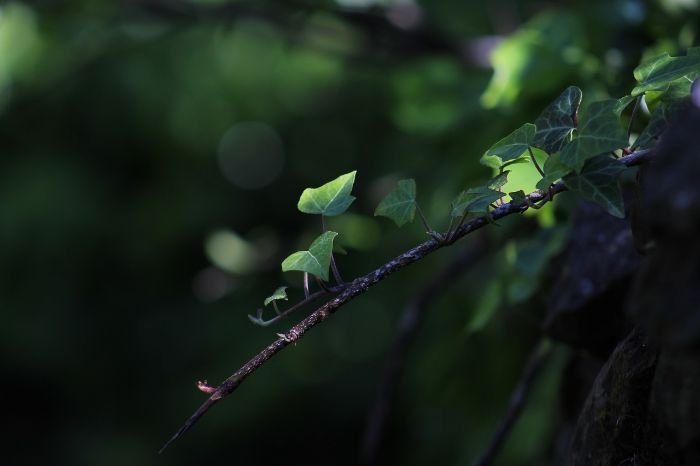
Watch the bed across one clear day before you buy anything. Morning sun until 11 a.m. is different from no direct sun at all. Dappled shade under tall deciduous trees still carries moving shafts of light that brighten foliage plants and support more bloom than gardeners expect. A north wall stays cooler, loses reflected heat, and dries more slowly after rain.
Shade also changes leaf behavior. Plants adapted to lower light frequently carry broader, thinner leaves with a larger chlorophyll-rich surface, which helps them collect diffuse light. That same soft leaf tissue loses turgor fast when tree roots steal moisture. A hosta in bright shade with loose soil can look full and glossy. A hosta planted over dense roots under a Norway maple can droop by midday with the leaf edges feeling limp and cool, not crisp.
Read shade and moisture together. A site can be shady and dry, shady and wet, or shady and compacted. That second read matters just as much as the light level.
Use hours of direct sun only as a starting point. Part shade often means a few hours of morning sun or strong filtered light through the day. Full shade means little direct sun reaches the site, and bright open shade can still grow more plants than a dark wall pocket. Deep shade with poor reflected light is the hardest category.
Shade-loving plants still need accurate placement. A plant that tolerates shade can still fail when dry roots, wet crowns, or reflected heat are ignored. Outdoor plants that need little sunlight still differ sharply by moisture, root pressure, and winter hardiness.
Low Light Outdoor Planting Conditions – Identify The Shade First
| Light condition | What it usually means | Best plant direction | Main risk |
|---|---|---|---|
| Morning sun only | Direct sun before afternoon heat builds | Hosta, brunnera, hydrangea, astilbe, heuchera | Reflected afternoon heat and dry soil later in the day |
| Bright shade | No direct sun, with open sky or reflected light keeping the bed bright | Foliage perennials, shrubs, ferns, sedges | Overestimating how much flower production the bed can hold |
| Dappled shade | Shifting canopy light moves across the planting through the day | Woodland perennials, ferns, spring bloomers | Tree-root competition and uneven summer moisture |
| Deep shade | Little direct or reflected light reaches the planting area | Evergreen texture, ferns, hellebores, sedges | Weak flowering and heavy wet soil staying cold too long |
| Dry shade | Low light plus root competition and reduced rainfall reaching the soil | Epimedium, hellebore, bigroot geranium, Christmas fern | Intercepted rainfall and shallow planting pockets among roots |
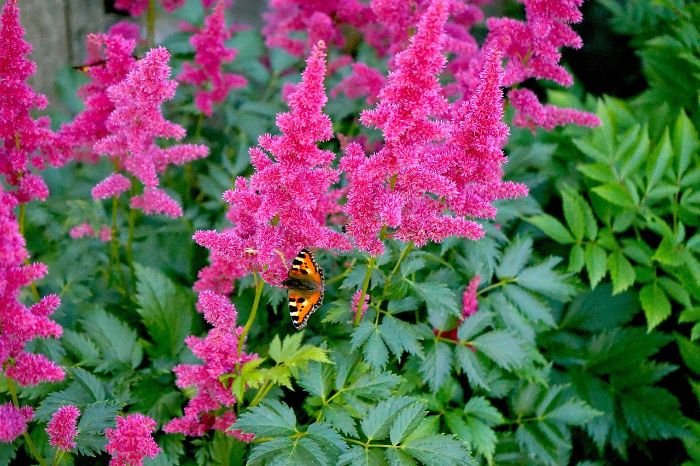
| Moist shade | Low light with consistent soil moisture or slow drainage | Astilbe, lady fern, ligularia, Japanese iris | Crown rot, slug pressure, and poor airflow |
After identifying the light pattern, treat shade type as a quick filter. Bright shade usually supports foliage anchors and better bloom. Dry shade needs root-tolerant ground layers. Deep shade depends more on evergreen texture and fewer flowers. Moist shade can support ferns and moisture-loving perennials when crown placement and air movement are right. Regional fit still matters, so use the USDA Plant Hardiness Zone Map as the climate filter, then adjust for local heat, winter cold, humidity, and winter-wet soil.
Best Low Light Outdoor Plants By Garden Role
Shade type tells you what the site is doing. Garden role tells you what the plant needs to do once it is there. That second filter makes plant choice faster because a porch pot, a dry bed under roots, and a foundation border may all be shady without needing the same kind of plant.
| Garden role | Strong plant choices | Permanent or seasonal | Best use | Watch for |
|---|---|---|---|---|
| Foliage anchors | Hosta, brunnera, heuchera, Japanese forest grass, sedges | Mostly perennial | Bright shade, path edges, foundation beds | Dry roots and slug pressure |
| Dry shade ground layer | Epimedium, bigroot geranium, Christmas fern, Pennsylvania sedge | Perennial | Under trees, rooty side yards, thin woodland edges | Intercepted rainfall and shallow soil pockets |
| Flowering shade accents | Hellebore, astilbe, toad lily, bleeding heart, hydrangea in bright shade | Perennial or shrub | Seasonal bloom in low sun | Deep shade reducing bloom count |
| Shade shrubs | Oakleaf hydrangea, smooth hydrangea, sweet box, aucuba in mild climates, fothergilla | Woody structure | Height, mass, foundation beds | Mature size, acid soil, winter exposure |
| Evergreen shade texture | Christmas fern, hellebore, sedge, sweet box, aucuba where hardy | Perennial or shrub | Winter presence, entries, dark corners | Crown rot and regional hardiness limits |
| Seasonal shade color | Begonia, coleus, impatiens where suitable | Tender annual in many climates | Containers, porches, quick color | Frost, overwatering, and disease pressure |
| Edible low-sun edge | Parsley, chives, sorrel, lettuce, cilantro in cool weather | Seasonal or perennial by crop | Part-shade edible edges | Weak fruiting in low sun |
Hardy Shade Plants Versus Seasonal Shade Color
Hostas, hellebores, ferns, sedges, epimediums, and shrubs act as the longer-term structure where they are hardy. Begonias, coleus, and similar bedding plants usually function as seasonal shade color in colder climates, especially in containers and porch pots. Frost exposure, overwintering conditions, and regional hardiness decide whether a plant is permanent structure or one-season color.
Keep that distinction clear when you plant containers. One or two hardy plants can hold the shape of the pot, and seasonal color can supply the fast visual lift around them during the frost-free months.
Foliage, Flowers, And Shrubs Solve Different Shade Jobs
Shade gardens hold up longer when plant layers are chosen by function. Foliage carries the border through the most days. Flowers provide seasonal lift. Shrubs keep the whole composition from flattening into ground-level texture.
Foliage Holds Shade Borders Together
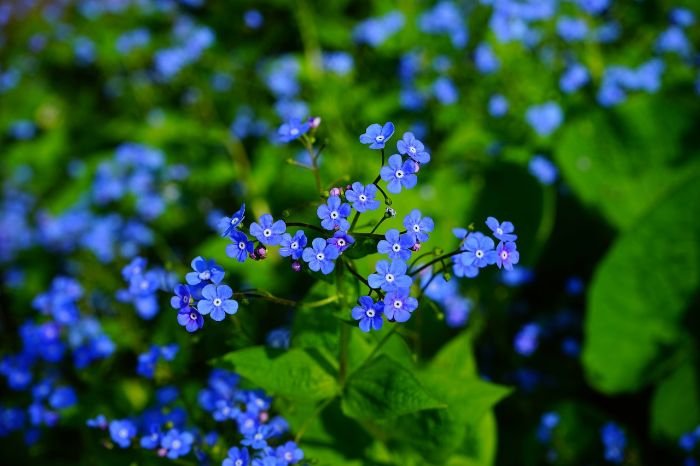
Hostas, ferns, brunnera, heucheras, Japanese forest grass, and sedges do the heavy visual work in shade because leaf shape stays visible long after a bloom spike is finished. Broad leaves bounce light differently from narrow blades, and that contrast is what keeps a shady border readable from indoors and from the path.
Put the largest leaves where they can gather enough moisture and space. Hostas and rodgersia want deeper soil and relief from root pressure. Finer plants such as sedges, painted ferns, and hakone grass work better at edges or between shrubs where the texture can break up bigger mounds. Perennial shade garden plans for colorful spaces depend on repeatable foliage combinations once the main plant palette is chosen.
Flowering Shade Plants Need The Right Light Window
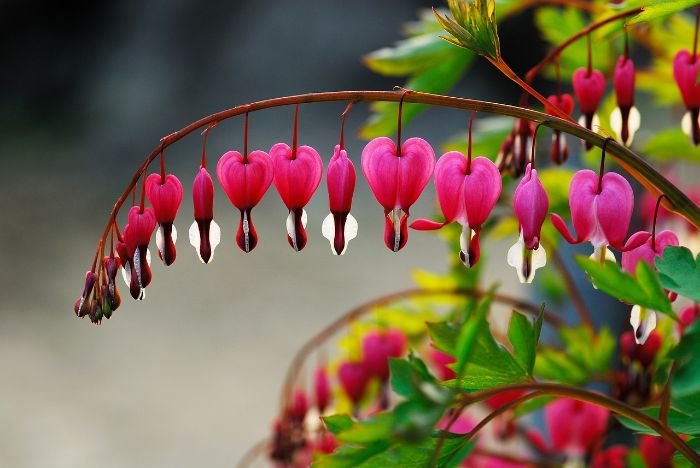
Shade flowers do not all take the same darkness. Astilbe, toad lily, bleeding heart, and hydrangea need brighter shade or at least a morning light window to bloom well. Hellebores and some woodland natives flower with less direct sun because their cycle starts before the canopy fully closes or as the air stays cool enough to slow stress.
Bloom performance depends on carbohydrates stored the previous season. If the plant spent summer in too little light or too much root competition, the flower count drops before the gardener realizes what went wrong. That is why a hydrangea in heavy full shade can stay green and still bloom poorly, and the same shrub in bright shade with moisture puts on a full set of flower buds.
Shrubs Give Shade Gardens Weight
Woodland and low-sun borders read stronger when one or two shrubs set the height and mass. Oakleaf hydrangea, smooth hydrangea in bright shade, sweet box, aucuba in mild climates, and fothergilla in suitable soils can carry that role. Shrubs also slow the visual jump from groundcovers to the house wall or fence.
Not every shade shrub belongs in every climate. Some keep foliage through winter, some drop leaves early, and some demand acid soil. Pick the shrub for structure first, then layer perennials around it.
Build Shade Interest Across The Season
| Season | Best shade plant roles | Strong examples | Main caution |
|---|---|---|---|
| Spring | Early flowers and fresh foliage | Hellebore, brunnera, bleeding heart, woodland bulbs where suitable | Wet crowns and short bloom windows |
| Summer | Foliage mass and bright texture | Hosta, fern, heuchera, sedge, hydrangea in bright shade | Dry roots and slug pressure |
| Fall | Leaf contrast and shrub color | Oakleaf hydrangea, fothergilla, evergreen sedges | Weak fall color in deep shade |
| Winter | Evergreen texture and close-view structure | Christmas fern, hellebore, sweet box, aucuba where hardy | Regional hardiness limits and wet soil |
Evergreen shade structure matters most near paths, entries, and windows, where winter gaps show faster than they do in deeper background beds.
Dry Shade, Wet Shade, And Tree Roots Change Everything
The hardest shade beds are not the darkest ones. They are the ones where roots and moisture work against the planting. Under mature trees, the canopy blocks rainfall before it hits the soil and feeder roots skim moisture from the top layers first. Under eaves or beside walls, shade and dry soil combine in the same footprint.
Dry shade asks for plants that can thread between roots and still function with less available water. Epimedium, bigroot geranium, Christmas fern, hellebore, and sedges handle that better than astilbe or hydrangea because their root systems and leaf habits are less dependent on constant moisture. Push a trowel into true dry shade in late summer and the first inches feel warm, fibrous, and full of roots that tug back against the blade.
Wet shade is the opposite problem. Water sits longer because evaporation slows, soil oxygen drops, and crowns rot faster when mulch is piled too tightly. Astilbe, ligularia, Japanese iris, and moisture-loving ferns accept that better, and they still need air around the crown. Shade gardening tips for low-light areas and soil health improvement help when the problem is less about the plant list and more about root-zone condition.
Tree-root competition also changes planting technique. Dig smaller pockets between roots, not trenches through the whole bed, add leaf mold or compost to those pockets, and mulch lightly with shredded leaves. Piling thick soil over surface roots only creates a perched wet layer as the tree keeps pulling moisture from below.
Low Light Outdoor Plants For North-Facing Beds, Entries, And Containers
North-facing beds and shady entries look easier than they are because the space is visible every day. Small plant errors show immediately there. The best choices keep clean foliage, hold shape near paths, and tolerate the cooler, slower-drying air that clings to walls and steps.
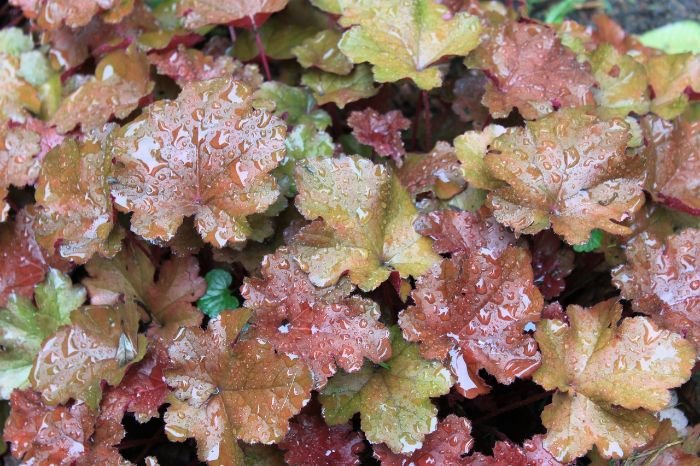
Hellebores, heucheras, sedges, Japanese painted fern, and compact hostas provide the longer-term structure there. Begonias and coleus add fast seasonal color where the frost-free window is long enough, especially in pots that can be refreshed. Pale or silver-marked foliage helps here because it reflects more available light and reads brighter against darker backgrounds. Brunnera leaves and painted fern fronds can seem almost luminous on a gray afternoon when darker greens disappear into the wall behind them.
Containers behave differently from ground beds in shade. The surface looks damp for longer, and the center can stay heavier and cooler than the gardener expects. Roots respire more slowly in that mix, so overwatering becomes a bigger risk than sun scorch. That is one reason shaded pots fail from sour soil and blackened roots before drought ever arrives. Container gardening for balconies and small patio spaces depends on drainage, pot size, root volume, and moisture control.
Entry beds also face mechanical stress. Shoes cut corners through soft soil. Downspouts dump cold water. Snow piles linger longer on the north side. Keep the most delicate crowns away from the tightest traffic edge and use stronger clumps near pavement.
A Shade Garden Matrix – Match Plants To The Site
Name the situation first, then narrow the list. That one step usually improves plant choice faster than adding more varieties.
| Garden situation | Best plant roles | Strong examples | Why it works | Main caution |
|---|---|---|---|---|
| Under a mature deciduous tree | Dry-shade foliage, root-tolerant ground layer | Epimedium, hellebore, Christmas fern, Pennsylvania sedge, bigroot geranium | Handles root pressure and filtered light without demanding wet soil | Do not treat it like a moist woodland bed |
| Bright shade along a foundation | Large foliage, one flowering layer, one shrub anchor | Hosta, brunnera, astilbe, heuchera, oakleaf hydrangea | Gives leaf contrast and enough bloom where morning light reaches | Watch reflected afternoon heat near pale walls |
| Moist shady low spot or swale | Moisture-loving perennials and ferns | Astilbe, ligularia, Japanese iris, lady fern, rodgersia | Turns a drainage problem into a shaded feature bed | Crowns rot if planted too low in dense soil |
| Shady path edge | Clean low clumps and bright foliage near the walk | Heuchera, sedges, brunnera, painted fern, compact hosta | Keeps the edge readable from close range | Slug damage shows fast where leaves overlap tightly |
| North-facing porch or patio pots | Container foliage and seasonal color | Begonia, coleus, heuchera, hellebore, Japanese painted fern | Delivers color where sun-driven annuals fade out | Shade containers stay wet longer than expected |
| Part-shade edible edge | Leafy crops and herbs that accept fewer sun hours | Parsley, chives, sorrel, lettuce, kale, cilantro in cool weather | Uses brighter low-sun spots that are too dim for heavy fruiting crops | Fruit vegetables still need more direct light |
Shade-tolerant vegetables for low-light gardens need a different plant filter because leafy crops, herbs, and fruiting crops respond differently to reduced sun. Shaded gardens improve when the site problem is named before the plant is bought.
Common Low-Light Planting Mistakes
Shade gardens go wrong for predictable reasons.
- Treating dry shade under trees like rich moist woodland soil.
- Buying flowering plants for deep shade and expecting the same bloom count as bright shade.
- Ignoring root competition when the bed sits under mature trees.
- Planting hostas and hydrangeas where reflected afternoon heat hits harder than the light reading suggests.
- Mulching over crowns in slow-drying shade until rot starts at the base.
- Overwatering containers because the surface looks dry and the center stays cold and wet.
- Using too many unrelated leaf shapes with no repetition, which makes the bed look restless.
- Forgetting that shade beds still need seasonal cutting back, division, and edge cleanup.
A good low-light border is calmer than a sun border. Fewer plant types, cleaner repetition, and more attention to leaf texture carry it further than chasing bloom from every square foot.
Conclusion
Low light outdoor plants work best when shade is read as a real site condition instead of one catchall label. Bright shade, deep shade, dry shade, and moist woodland shade each need a different plant list and a different expectation for foliage, bloom, and maintenance.
A strong shaded garden relies on broader leaves, calmer layers, better soil pockets, and plants that stay convincing where sunlight is limited. Once that match is right, the dim side of the yard stops looking difficult and starts looking deliberate.
FAQ
What outdoor plants grow best in low light?
Hostas, hellebores, ferns, brunnera, epimediums, sedges, heucheras, astilbes, and a short list of shade shrubs are among the most reliable low light outdoor plants. The best choice depends less on the word shade and more on whether the site is dry, moist, bright, or deeply shaded.
What are the best outdoor plants for full shade?
Christmas fern, hellebore, sedges, epimedium in dry shade, and sweet box or aucuba where climate allows are among the strongest choices for full shade. Heuchera usually wants a brighter pocket. True full shade favors foliage and structure first, with fewer dependable flowering plants than bright shade or morning shade.
What is the difference between part shade and full shade?
Part shade usually means a few hours of direct morning sun or strong filtered light through the day. Full shade means little direct sun reaches the site at all. That difference changes both flower count and soil drying speed.
What grows in dry shade under trees?
Epimedium, hellebore, bigroot geranium, Christmas fern, and Pennsylvania sedge handle dry shade well once rooted in. They cope with root competition and lower moisture better than thirstier woodland bloomers.
Are hostas good plants for shaded gardens?
Yes, especially in bright shade or morning shade with decent moisture. Their large leaves gather diffuse light well, but they are a poor choice for the driest root-packed shade under aggressive trees unless the soil is improved and watered.
What low light outdoor plants give year-round structure?
Hellebores, Christmas fern, evergreen sedges, sweet box, aucuba where hardy, and compact shade shrubs give the strongest year-round structure. Hostas and brunnera add strong foliage through the growing season, then retreat in winter in most climates.
Can you grow plants in a north-facing bed or entry?
North-facing beds are excellent for low light outdoor plants as long as drainage is right and the palette stays disciplined. Hellebores, heucheras, sedges, painted ferns, compact hostas, and shady containers all work well there. Keep the most delicate crowns away from the tightest path edge and the wettest downspout line.
Do shade plants need less water than sun plants?
Not automatically. Evaporation slows in shade, and tree roots can strip moisture faster than many sunny beds do. Judge the site by the soil and the roots, not by the light level alone.