




Last Updated July 11, 2026
Gardening in raised beds works best when the bed solves a real soil, reach, drainage, or access problem. A wooden box filled with random bags of soil can dry at the corners, slump after rain, and make healthy seedlings stall before their roots ever reach open pore space. The stronger bed starts with a simple test: can you reach the center, can water leave the root zone, and can the crop root deeply enough for the season ahead? Raised beds can warm earlier in spring, protect soil from foot traffic, and turn poor native ground into a more workable planting space. They also expose mistakes faster than an in-ground bed. A bad fill, a plastic bottom, or a bed that is too wide will show up as crusted soil, thirsty edges, yellow seedlings, or wasted planting space.
Raised Bed Setup Check
A raised bed is ready to plant when reach, root depth, drainage, and soil mix all match the crop. Fix these four points before adding seedlings.
| Setup point | Good target | Common mistake | Fast correction |
|---|---|---|---|
| Width | Up to 4 feet wide with access from both sides, or about 2.5 feet from one side | Making the bed wide enough that you step into it | Narrow the bed or add a permanent path before planting |
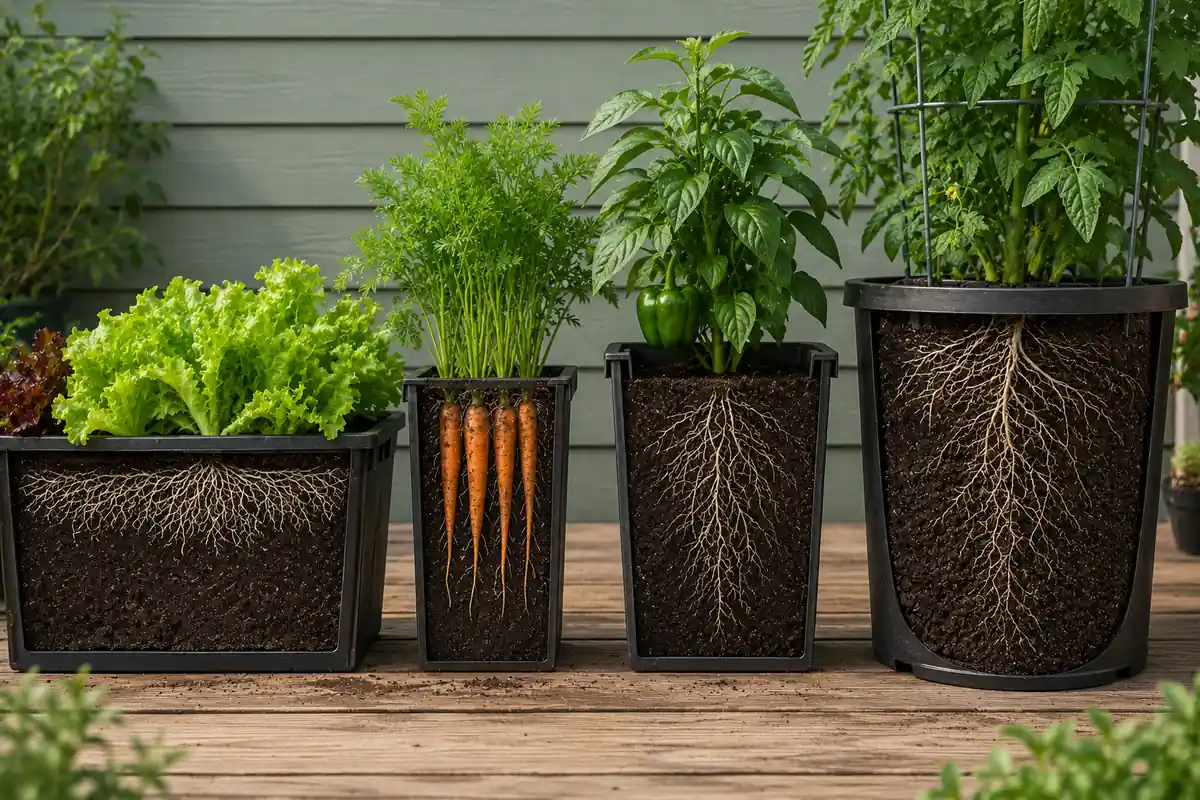
| Depth | 12 inches or more for most vegetables, deeper for long roots or paved sites | Using a shallow box for carrots, tomatoes, peppers, or mixed crops | Reserve shallow beds for greens and herbs, or loosen soil below the frame |
| Bottom | Open soil contact, hardware cloth for burrowing pests, breathable fabric on pavement | Sealing the bottom with plastic | Use water-permeable material only where soil containment or pest exclusion is needed |
| Fill | Mineral topsoil plus mature plant-based compost, adjusted by soil test | Filling with potting mix, pure compost, or heavy garden clay | Blend a loamy raised bed mix and top off with compost each season |
Key Takeaways
- Match bed depth to root size before planting.
- Keep beds narrow enough to avoid soil compaction.
- Use breathable bottoms so water can leave.
- Refresh compost lightly after each growing season.
- Grow sprawling crops only with space and support.
Table of Contents
Gardening In Raised Beds Starts With Reach And Root Depth
A raised bed should be sized around the gardener’s reach before it is sized around the yard. Soil stays loose because feet stay out of the planting area. Once a bed becomes too wide to work from the path, the center gets stepped on, leaned into, or ignored, and the original reason for raising the bed starts to fail.
For a bed you can reach from both sides, 4 feet is the usual working limit. A bed against a fence or wall needs to be closer to 2.5 feet wide because only one arm can reach into it. The University of Minnesota Extension uses reach as the practical measure for bed width because walking into the bed causes compaction, especially when soil is damp. Shorter sections are easier to rotate, water evenly, and repair when boards bow.
Depth depends on what grows in the bed and what sits underneath it. Leaf lettuce, scallions, microgreens, radishes, and many herbs can grow in shallower soil when moisture stays even. Tomatoes, peppers, eggplants, beans, carrots, beets, and mixed vegetable plantings need more root room. A 12-inch bed handles many home vegetable crops when it sits over open soil that roots can enter. A bed over pavement behaves more like a large container, so the built depth has to supply nearly all of the root zone.
Root depth also changes watering. Shallow beds heat and dry faster along the edges, and a plant with a crowded root system wilts sooner in July wind. A deeper bed holds a larger moisture buffer, costs more to fill, and presses harder against the sides. Tall frames need corners and long boards strong enough to hold wet soil without bowing. The construction details belong in a separate raised garden bed build; the planting decision starts with root room.

Raised Bed Gardening Works Because Soil Air, Heat, And Traffic Change
Raised beds improve a garden when they change the growing conditions that were holding plants back. The lift helps wet soil drain sooner, gives roots a looser profile, and keeps foot traffic in the paths. In spring, the raised soil mass can warm earlier than flat ground, which gives cool-season greens and early transplants a faster start when the native soil still feels cold and sticky.
The strongest benefit appears in compacted urban soil, heavy clay, rocky ground, contaminated soil, or a yard where the only sunny space is a patio edge. Raised beds also help gardeners who need a higher working surface. A bed that brings the planting area closer to hand level reduces bending, and the defined edge makes drip lines, hoops, netting, and row cover easier to manage.
The tradeoff is water. Raised beds act partly like containers, and the soil dries faster than surrounding ground. Tall metal beds in full sun, shallow wooden boxes near pavement, and beds filled with light bagged mix can lose moisture at the edges long before the center looks dry. Push a finger or trowel into the soil before watering. The surface can look pale with moisture below, or it can look fine with the outer three inches already powdery.
That is why a raised bed works better as a permanent planting system than as a pretty box. Paths, irrigation, crop rotation, mulch, and seasonal compost all matter because the bed becomes a small managed soil profile. The frame starts the change. The maintenance keeps it useful.

Soil Mix Decides Whether Water Moves Or Sits
Raised bed soil has to hold water and release extra water at the same time. Pure compost dries into a light, water-shedding layer when neglected. Heavy clay garden soil can seal into a dense block. Potting mix works in containers and often dries too quickly in a large raised bed, then shrinks away from the sides.
A reliable fill starts with mineral soil plus mature compost. The University of Minnesota Extension gives a practical raised bed range of about one-half to two-thirds topsoil and one-third to one-half plant-based compost. The University of Maryland Extension treats organic matter as a measured soil component and recommends soil testing when edible crops are involved. Too much compost can raise phosphorus and salts, especially when composted manure is used every season.
Texture matters as much as fertility. A loamy mix forms a soft clump in your hand, breaks apart with light pressure, and lets water move down without pooling. Greasy, sticky soil may hold too much clay. Dry cake-crumb texture that refuses to rewet can mean the mix contains too much light organic material. A dedicated raised bed soil mix ratio can carry the exact fill plan later; this bed should stay focused on whether the mix supports roots, water, and seasonal replenishment.
New beds settle. Organic material breaks down, fine particles move into gaps, and rain tightens the profile. Leave a few inches between the soil surface and the top of the frame so mulch and irrigation do not wash out. Each year, add a modest layer of finished compost based on crop demand and soil test results. A bed that needs several inches of new material every season usually started with too much decomposable fill or too little mineral soil.

Bottom Layers Need A Drainage Job, Not A Recipe
The bottom of a raised bed should answer one question: what problem exists under this bed? Open soil underneath usually needs less intervention than gardeners expect. Roots can move down, earthworms can move up, and water can drain through unsealed native soil. A solid plastic liner blocks that exchange and can turn the lower bed into a wet basin after heavy rain.
Grass and weeds need control before the frame goes down. Cardboard can smother vegetation and slow water movement until it softens and breaks apart. On open soil, a cleaner sequence is to remove or weaken aggressive vegetation, loosen the top layer with a fork, set the frame, then add the fill. Where voles, mice, or chipmunks tunnel upward, hardware cloth across the bottom gives pest protection and leaves drainage open.
On pavement, the bed has a containment problem. Soil must stay inside the frame, and water needs a path out. Breathable landscape fabric can contain the fill better than an open bottom. Nonpermeable plastic creates a drainage failure. A patio bed also needs enough depth because roots cannot borrow loosened native soil below the frame.
Large logs, branches, leaves, and other decomposable bottom fills can reduce soil cost in very tall beds. They also change the bed over time. Wood settles as it breaks down, fresh material can temporarily tie up nitrogen near the lower zone, and air pockets can collapse. With a hugelkultur-style lower layer, keep the best loamy growing mix in the top 8 to 12 inches where young roots start, and expect the bed surface to sink as the lower material decays.
Plants That Do Poorly In Raised Beds Need Space Or Deep Soil
Most vegetables and many flowers can grow well in raised beds. The poor fits are usually plants that demand more root depth, more horizontal space, or more soil volume than the bed can give. Corn is the classic mismatch in a small bed because it needs a block for pollination, heavy feeding, and wind stability. A few stalks in a narrow box often produce weak ears and shade better crops.
Sprawling melons, pumpkins, full-size winter squash, and giant indeterminate tomatoes can work only when the bed has outside room, strong support, and a watering plan. Without that space, vines run over paths, shade nearby seedlings, and pull moisture from a limited root zone. Rhubarb, artichokes, asparagus, and large perennial herbs also deserve caution because they hold the bed for years and can crowd out seasonal rotation.
Root crops need a depth caution. Carrots, parsnips, daikon radishes, and long beets need loose, stone-free soil deep enough to let roots lengthen without forking. A shallow bed can produce baby carrots, round radishes, salad turnips, and small beets when the crop choice matches the depth. The seed packet may list spacing; the bed decides whether the root can actually use it.
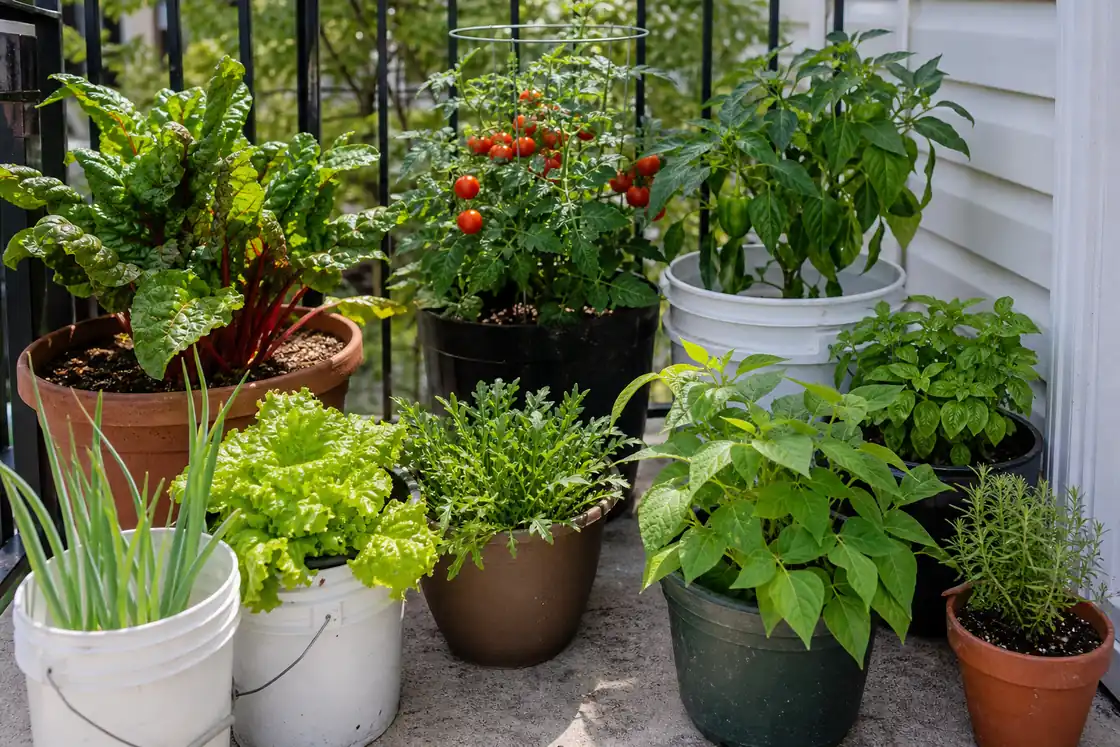
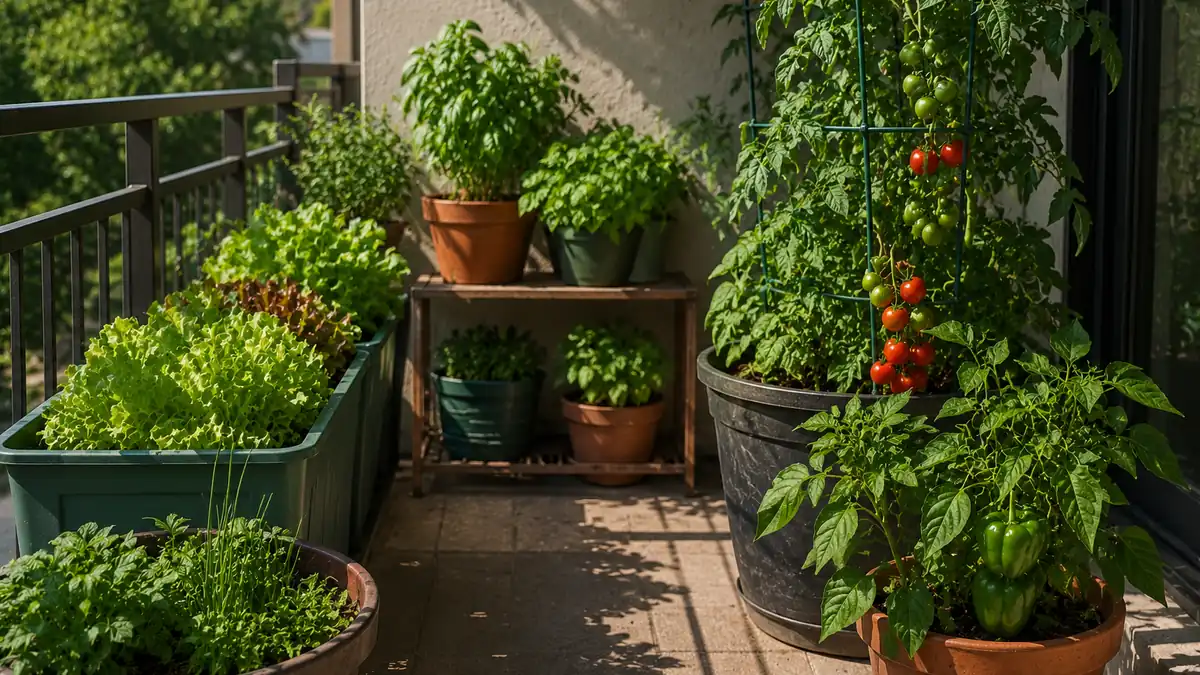
Raised beds reward crops that benefit from loose soil, easy picking, and close management. Lettuce, spinach, kale, chard, bush beans, peppers, eggplants, onions, herbs, compact tomatoes, strawberries, and many cut flowers fit well when light and spacing are right. Trellised cucumbers and pole beans can also work with support placed away from the bed’s sun path. Before planting, ask one hard question: will this crop stay inside the bed’s root, light, and path limits by midsummer?
Raised Bed Gardening Mistakes Show Up As Dry Edges, Sinking Soil, And Weak Growth
Raised bed gardening mistakes usually show in patterns. The center grows well as the edges wilt. The soil level drops several inches after a month. Seedlings stay pale after the bed was filled with “rich” compost. Those signs point to design and fill problems.
| Mistake | What you see | Why it happens | Better correction |
|---|---|---|---|
| Bed too wide | Hard center soil, missed weeds, awkward harvest | Feet or knees enter the growing area | Keep the bed within reach and make paths permanent |
| Too much compost | Fast drying, crusting, lush leaves with weak roots | Organic matter dominates the mineral soil fraction | Blend with loamy topsoil and test before adding more nutrients |
| Plastic bottom | Sour smell, soggy lower soil, yellow seedlings | Water cannot leave the bed after rain or irrigation | Use hardware cloth or breathable fabric only when needed |
| No mulch in summer | Hot dry edges and frequent wilting | Raised soil loses moisture faster to sun and wind | Add clean straw, shredded leaves, or fine wood mulch after seedlings establish |
| Same crop family every year | Weak plants, disease pressure, pest carryover | Soilborne problems and nutrient demand repeat in one bed | Rotate tomatoes, peppers, eggplants, and potatoes out for 3 to 4 years when space allows |
Watering deserves its own check because raised beds dry in layers. The top inch can lie. Dig a small finger hole near the root zone and near an edge. If the edge is dry and the middle is damp, drip line spacing or hand-watering pattern needs adjustment. A soil moisture check helps more than a fixed calendar when wind, bed height, mulch, and crop size change every week.
Drip irrigation fits raised beds because water can land at soil level without wetting leaves. Soaker hoses and drip tape also reduce path runoff and keep the bed surface calmer than overhead watering. Tall beds need a water-pressure test before planting because some raised-bed drip kits struggle to push water up and across long runs. The best drip irrigation layout follows the bed shape and crop spacing.
A Seasonal Raised Bed Workflow Keeps The Soil Useful
A raised bed improves after the first season when the soil is treated as a living profile. In early spring, wait until the bed is crumbly under a hand tool. Rake the surface level, repair any slumped edges, and add compost only where the crop plan and soil test justify it. Move tomatoes, peppers, eggplants, and potatoes to another bed after a season in the same soil.
Spring also brings the warm-soil advantage. Raised beds can be planted earlier with spinach, lettuce, peas, radishes, scallions, and other cool-season crops when the bed drains well and row cover is ready for cold nights. Warm-season crops need stable night temperatures. A tomato seedling pauses in cold wind even when the raised soil warms sooner.
Summer management is mostly moisture and canopy. Add mulch after seedlings are established, keep paths covered so mud stays out of the bed, and water deeply enough to wet the active root zone. The best watering time is early enough for plants to recover before heat and for sprayed leaves to dry quickly. In crowded beds, trim lower yellowing leaves and remove spent crops before they become pest shelter.
Fall is the quiet repair season. Pull diseased plant debris, leave healthy roots where they can decay, top off settled soil, and sow a cover crop or cover the surface with leaves where the season allows. Raised beds need a soil test every 2 to 3 years so compost, lime, sulfur, and fertilizer decisions follow measured conditions. Crop rotation can reduce disease pressure when related crops stay out of the same bed for 3 to 4 years, especially the tomato family. A small garden may rotate imperfectly; moving tomatoes one bed over and planting beans, greens, or onions in the old spot lowers repetition.
Observation: The best raised beds often look less dramatic in their second year. The boards weather, the paths settle, and the soil surface looks calmer because the gardener has stopped rebuilding and started managing.
Conclusion
A raised bed earns its place when it fixes a real garden limit: wet soil, compacted ground, shallow topsoil, awkward access, or a small sunny space. Keep the bed narrow enough to reach, deep enough for the crop, open enough to drain, and filled with soil that holds together without sealing shut.
Start with one bed on a new site. Watch where the edges dry, where the soil settles, and which crop family needs a new spot next season. The best sign is simple: roots pull from loose, evenly moist soil, paths stay firm underfoot, and harvest happens without stepping into the bed.
Frequently Asked Questions
What Should You Not Grow In A Raised Garden Bed?
Avoid crops that overwhelm the bed’s root space, width, or moisture buffer. Corn, large melons, pumpkins, full-size winter squash, rhubarb, artichokes, and permanent crops can be poor fits in small raised beds. Give them deep, wide beds planned around that one crop.
What Is The 70 30 Rule In Gardening?
For raised beds, gardeners often use 70 30 as a rough fill idea, with more mineral soil than compost. Treat it as a starting point rather than a lab formula. A loamy mix around two-thirds topsoil and one-third mature compost often behaves better than a bed dominated by compost.
What Are Three Mistakes To Avoid When Gardening With Raised Beds?
The three biggest mistakes are building the bed too wide to reach, filling it with the wrong soil, and sealing the bottom with plastic. Those errors cause compaction, uneven watering, poor drainage, and weak root growth before crop care even begins.
What Do I Put On The Bottom Of An Elevated Raised Garden Bed?
An elevated bed needs a strong base that holds soil while letting water drain. Use a supported bottom with drainage openings and a breathable liner. If burrowing pests are the problem, hardware cloth helps. Avoid solid plastic because trapped water can sour the lower soil.