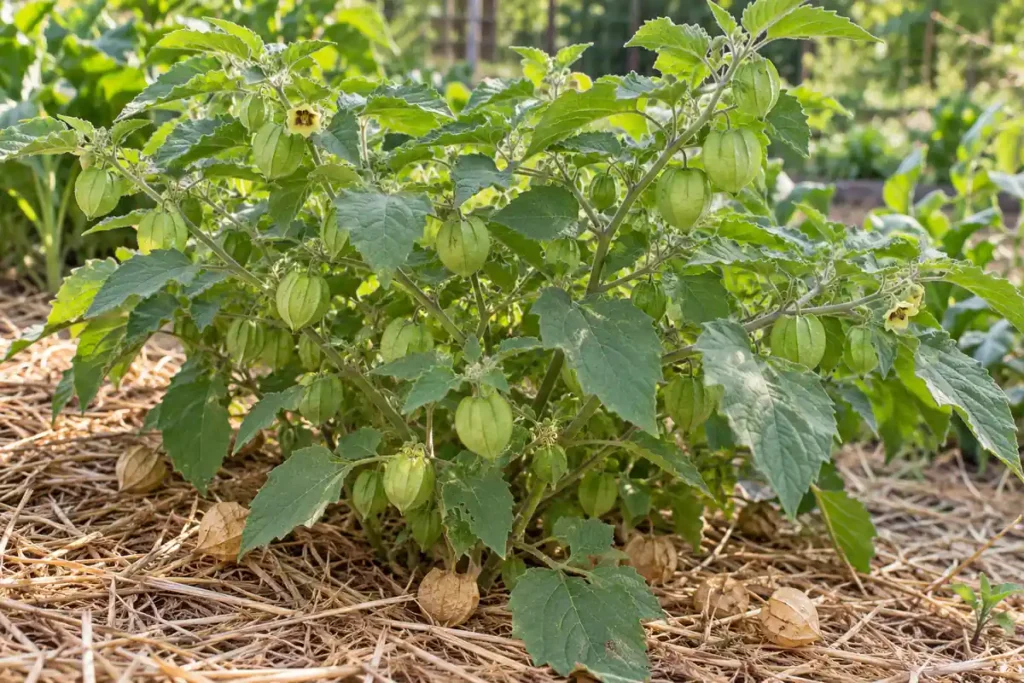
Ground Cherry Plant: Growing and Harvesting Physalis
A ground cherry plant produces small berries inside papery husks on low, spreading branches. Choose…


A ground cherry plant produces small berries inside papery husks on low, spreading branches. Choose…
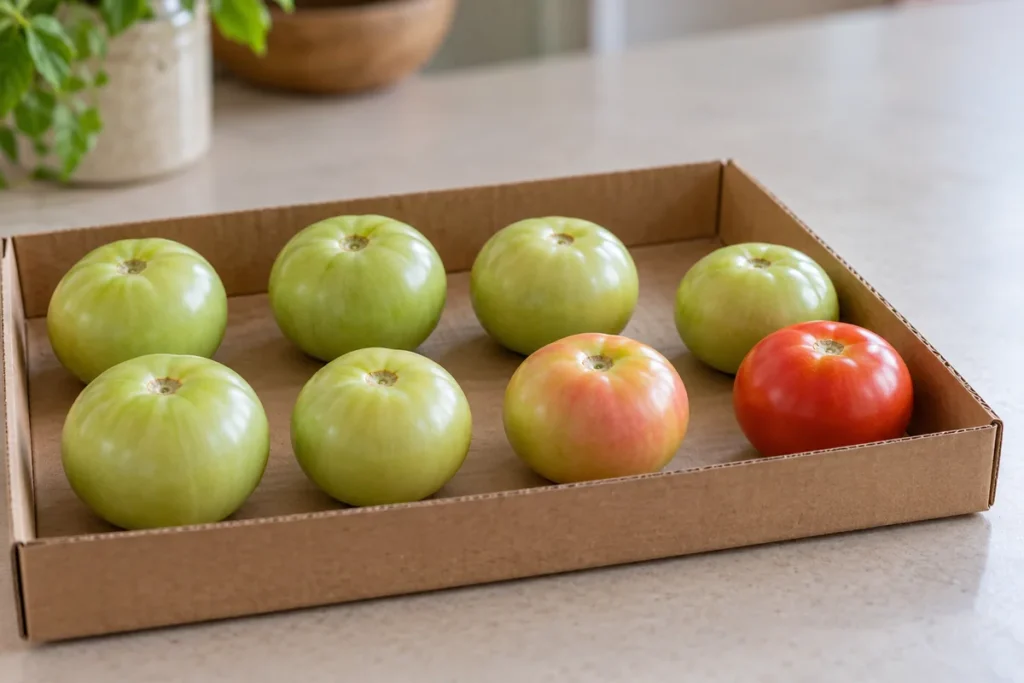
How to ripen green tomatoes starts with choosing fruit that has finished growing: full-size, firm…
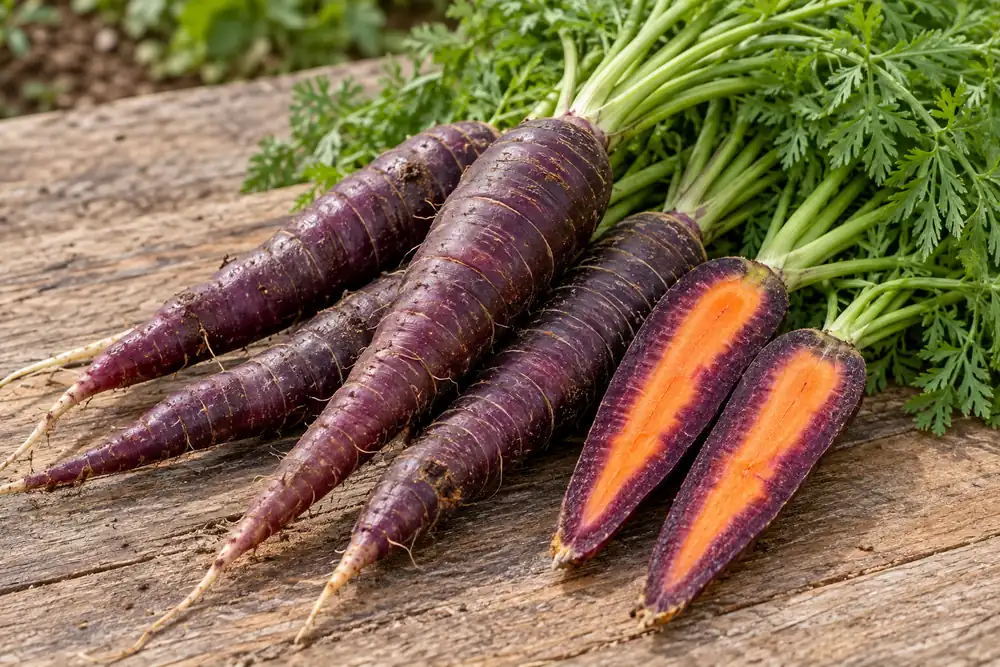
Purple vegetables include roots, tubers, leaves, swollen stems, flower heads, shoots, and fruits. Their color…
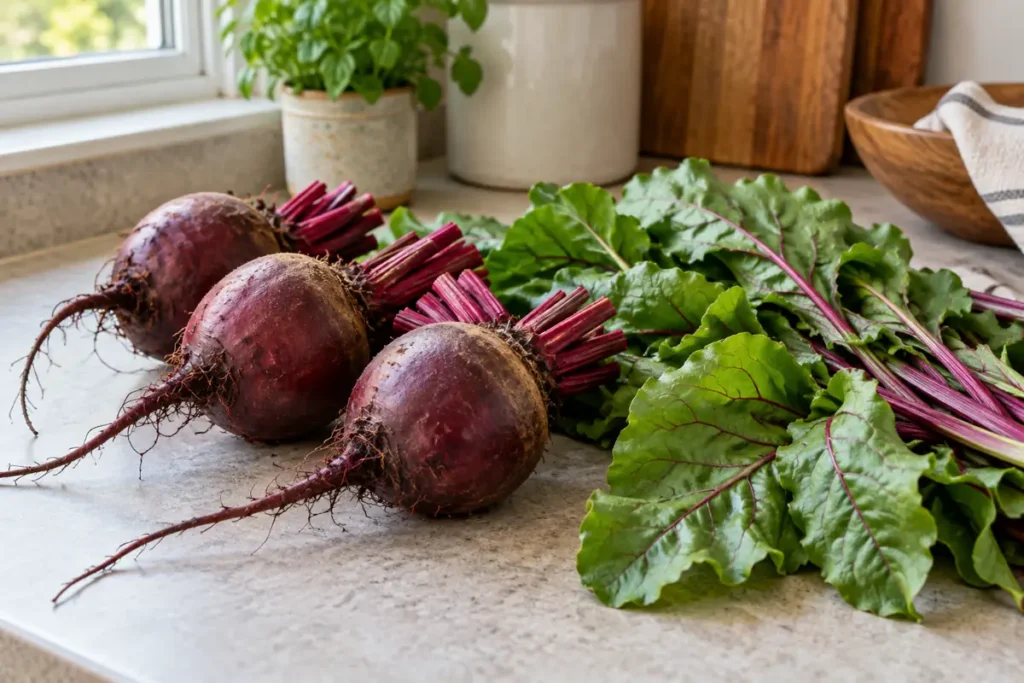
How to store beets depends on whether you have whole roots, leafy tops, or cut…
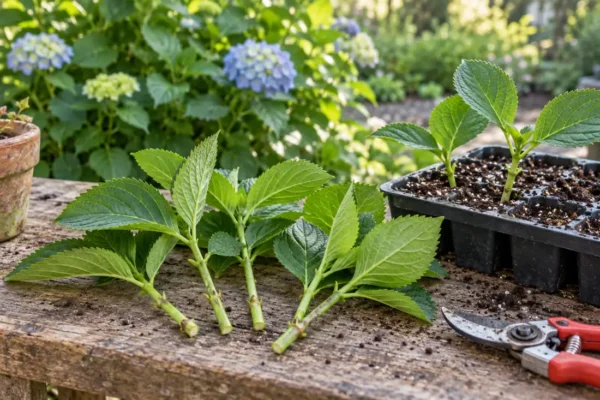
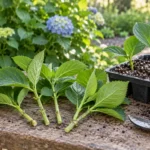
Learning how to propagate hydrangeas starts with a healthy, nonflowering stem and a place where its leaves can stay hydrated before roots form. Choose flexible growth from the current season, trim below a leaf node, remove the lower leaves, and insert the bare base into moist, freely draining propagation mix. A clear cover helps hold…
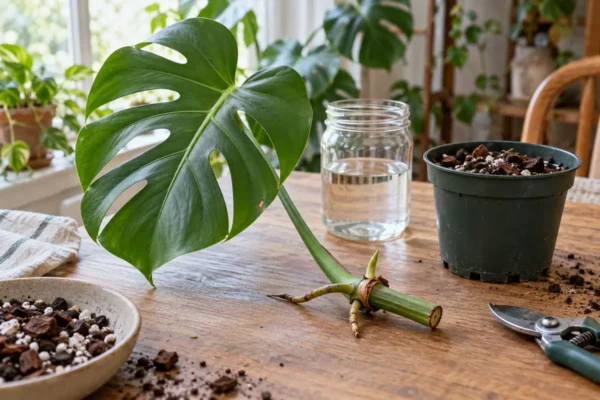
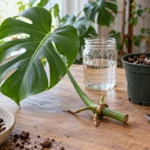
Before choosing how to propagate Monstera, find a healthy node with an intact growth bud on the main vine. That junction determines whether the cutting can develop a new leafy plant. A glossy leaf in a jar looks promising, especially when a long brown aerial root hangs beside it. Neither appearance proves that the piece…
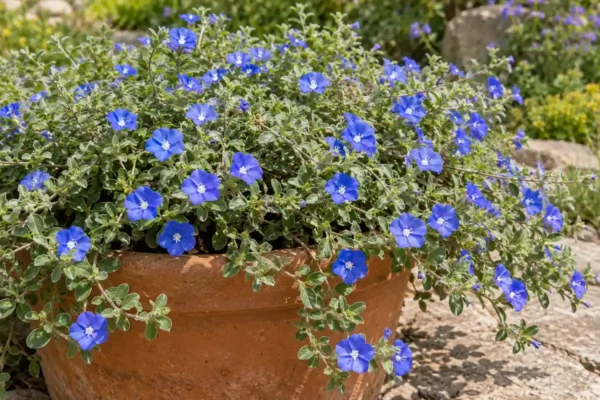
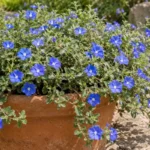
Types of blue flowers range from low spring bulbs and woodland perennials to trailing summer plants and flowering shrubs. Blue daze and baby blue eyes offer clearly blue blooms; grape hyacinth and balloon flower often lean toward violet. Choose by the plant’s identity, season and growing conditions as well as its color. A close-up can…
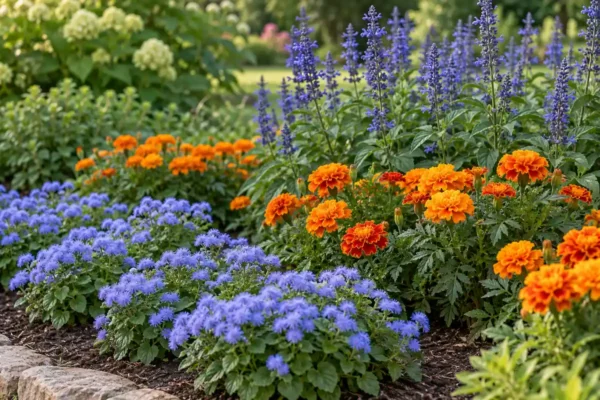
Deer resistant annuals can reduce browsing losses when the plants also suit the garden’s light, soil and summer temperatures. Consider ageratum, French marigold, mealycup sage, cleome or annual vinca for brighter beds, and wax begonia for shaded color. Edging lobelia suits cooler, moist conditions; polka-dot plant contributes patterned foliage in partial shade. Resistance means a…
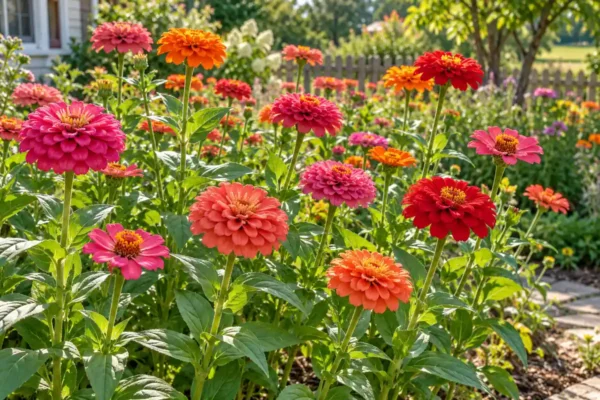
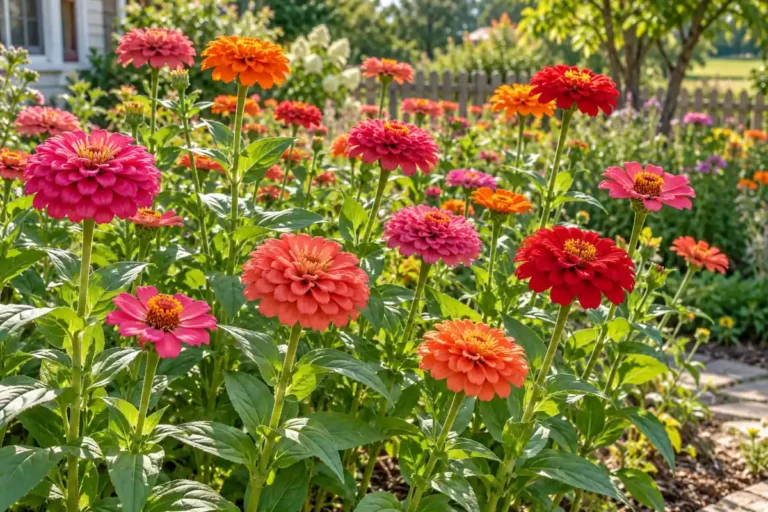
How to grow zinnias starts with choosing a variety that fits the space, planting after frost in warm soil and leaving room for its mature branches. Tall cutting types and compact bedding hybrids need different handling. Give both sun, drainage and attentive watering during establishment, then adjust pruning to the plant you chose. A seed…
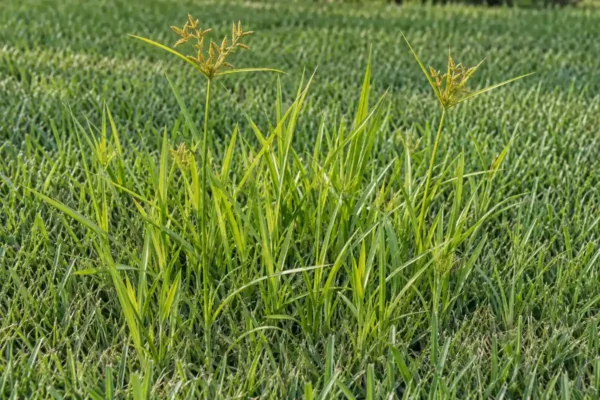
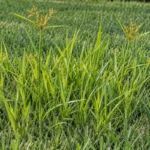
How to get rid of nutsedge depends on stopping new underground tubers, removing young shoots repeatedly and choosing controls that fit the planted area. Hand removal suits a few plants. A recurring lawn infestation may need a selective sedge treatment labeled for the exact turfgrass. A vegetable bed needs a different approach. The lime-green leaves…
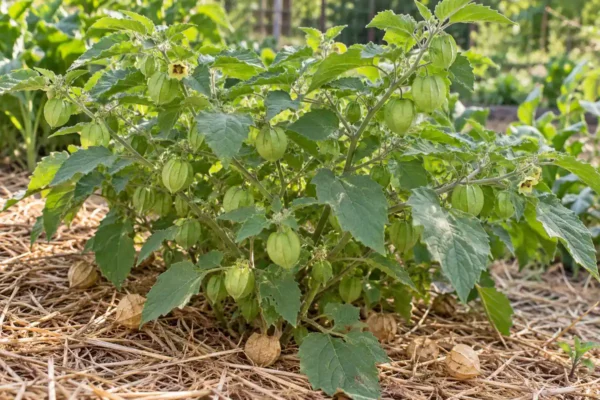
A ground cherry plant produces small berries inside papery husks on low, spreading branches. Choose an identified edible garden variety, give it warm growing conditions and leave access beneath the canopy for harvesting. Harvest only fully ripe fruit from a known edible variety. Green fruit, leaves, stems and husks are not for eating. The common…
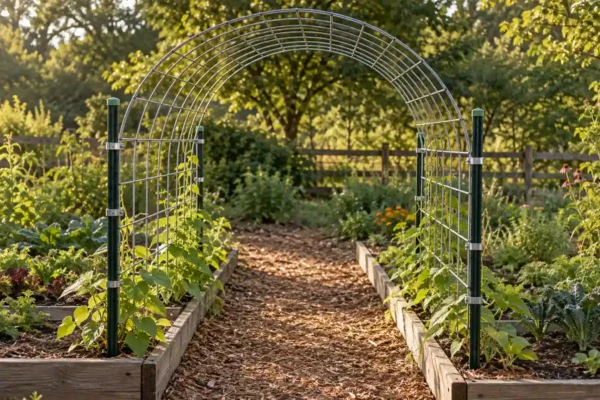
A cattle panel trellis can form a walk-through garden arch or a straight support along a bed. Start with a rigid welded livestock panel, then choose the shape before marking posts. On a common 16-foot by 50-inch panel, the long dimension bends over the path for an arch. The short dimension becomes the depth of…
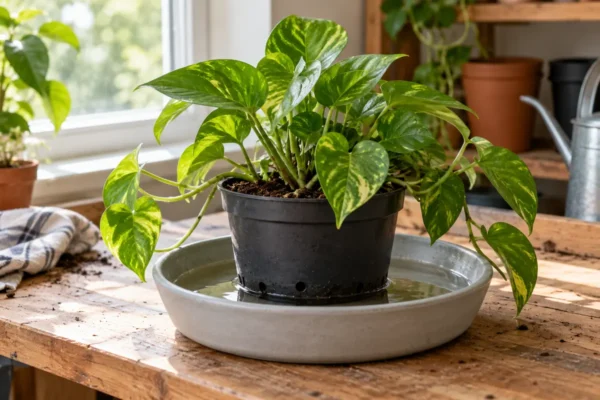
Bottom watering plants means setting a pot with drainage holes in shallow water so the growing medium draws moisture upward. Check that the root zone needs water first. Remove the pot once the mix has moistened adequately, let excess drain and empty the saucer. Leaving an ordinary pot standing in water afterward can keep roots…
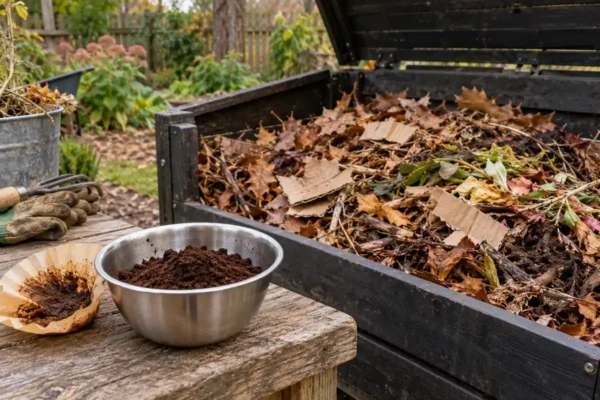
Coffee grounds for plants are best handled as an ingredient in mixed compost, rather than a daily fertilizer scattered around roots. Used grounds contain organic matter and nutrients, but they can also inhibit growth when added directly to soil. Composting changes the material before it reaches a growing bed. Keep grounds to no more than…
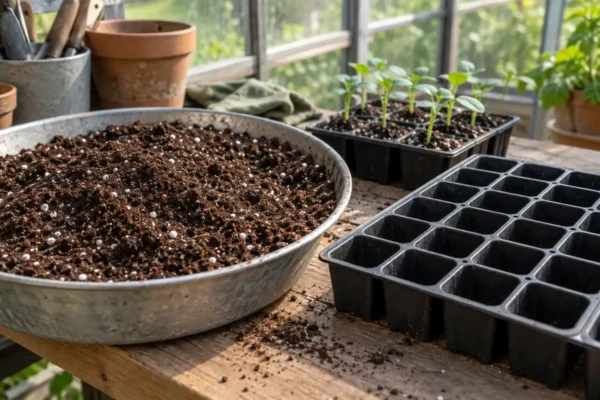
Seed starting mix needs to keep a germinating seed in contact with moisture without leaving its roots in waterlogged material. A fine, loose blend helps, especially with tiny seeds. Many larger garden seeds can also start in a suitable all-purpose soilless potting mix. The useful choice depends on the texture in the bag, the size…
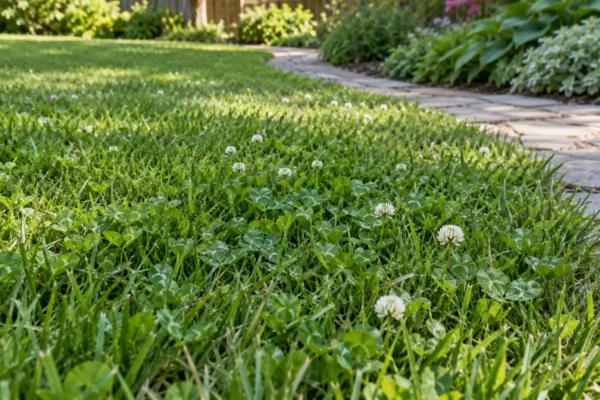
A clover lawn can add flowers and reduce some lawn inputs. The result depends on what grows alongside the clover and how the yard is used. Adding white clover to suitable grass is a different project from replacing every blade with clover. A sunny, lightly used front yard and a dog’s worn route to the…
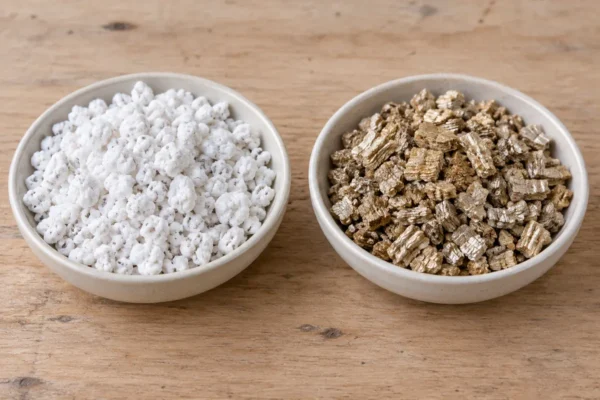
Perlite vs vermiculite comes down to the change your growing medium needs. Porous perlite generally improves air space and drainage; vermiculite holds more moisture and retains nutrient ions. Both can belong in a well-formulated mix. Neither creates a drainage outlet in a sealed pot, and neither supplies a complete feeding program. Start with the plant,…
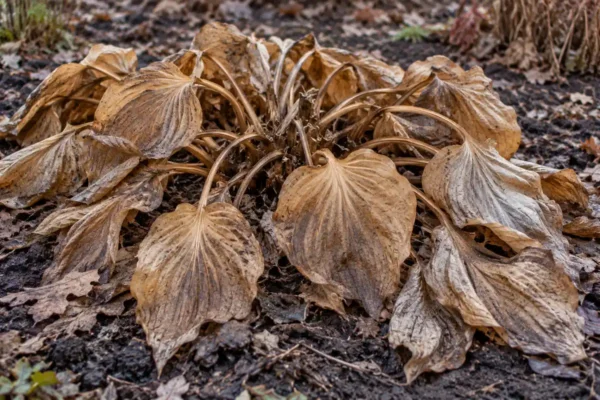
When to cut back hostas depends on the leaves: leave healthy green foliage in place, then remove the dying leaves and leaf stalks after autumn color fades or frost damages them. Clear the fallen material without cutting into the crown at soil level. A faded flower stalk can be removed earlier; it does not mean…
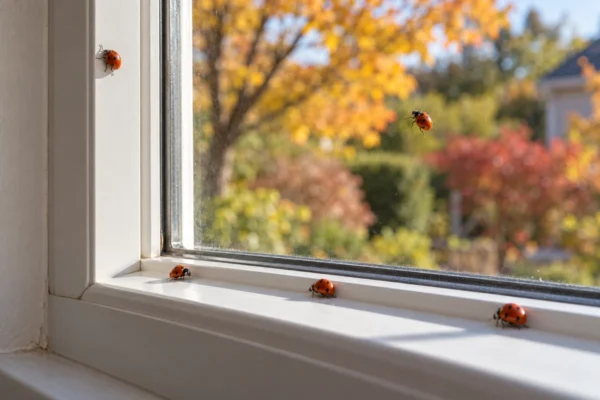
How to get rid of ladybugs indoors starts with collecting the beetles you can see, then closing the gaps that let them enter. Vacuum them gently without crushing them against walls or fabric, and remove the captured insects promptly. For a few individuals, a jar and card can work. Repeated fall clusters often involve multicolored…
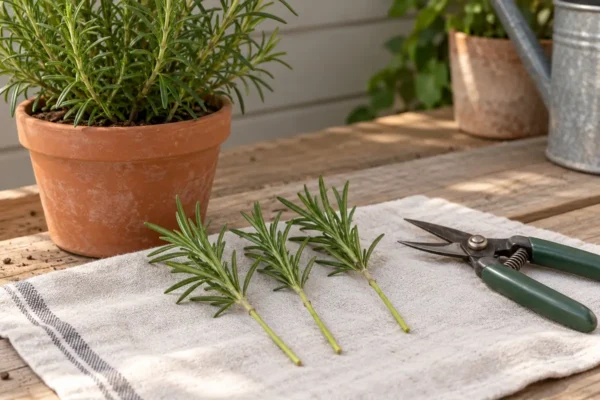
How to propagate rosemary begins with a healthy, nonflowering stem tip and a choice between water and a moist rooting mix. Take flexible new growth, remove the lower leaves, and make a fresh cut just below a leaf attachment point. Keep the remaining foliage above the water or mix. Protect the cutting from drying, and…