Last Updated June 07, 2026
Chrysanthemums can look out of place in a permaculture garden when they are treated as porch color moved into a bed at the end of the season. A tight nursery mum in full bloom may bring instant orange, bronze, pink, or white flowers, then leave behind a rootbound plant, a bare patch, and no clear job in the system.
Chrysanthemums work better when they are placed as functional late-season perennials, edge plants, insectary flowers, chop-and-drop biomass, or seasonal markers in a larger planting. A permaculture mum needs a job after the first flush of color: late bloom, edge marking, insect access, clean biomass, or a seasonal maintenance cue.
In permaculture design, beauty still counts. A plant that draws people into the garden, marks harvest season, and makes a border feel cared for has value. Durable chrysanthemum plantings also fit the site, leave room for guild partners, support accessible flowers, avoid exaggerated pest-control claims, and return clean biomass to the soil.
Key Takeaways:
- Use chrysanthemums for a defined permaculture job: late bloom, edge color, insect access, biomass, seasonal marking, or guild structure.
- Single and semi-double flowers offer easier pollinator access than dense decorative forms.
- Garden mums need sun, drainage, air movement, and spring establishment to behave like returning perennials.
- Living chrysanthemums are habitat and design plants; extracted pyrethrum is a separate pest-control product.
- Place mums where deadheading, pinching, division, and winter mulch fit existing garden routes.
- Avoid planting mums as isolated fall decorations if the goal is long-term permaculture function.
Table of Contents
Start With The Chrysanthemum Job Your Garden Is Missing
Chrysanthemums are easiest to use when each planting has a job. Fall color is one role, and it can be a good one. The role becomes stronger when paired with a second function, such as late nectar access, edge definition, biomass return, or a cue for seasonal maintenance.
Start with the bed’s missing layer. In a vegetable garden, flowers may be needed after summer annuals fade. Along a path edge, low plants can tell feet where to move. Around a young fruit guild, temporary color can hold attention as shrubs and perennials fill in. Near a compost route, cut stems can be chopped and returned to the soil surface after frost.
| Permaculture Job | Best Chrysanthemum Type | Where To Place It | Design Check |
|---|---|---|---|
| Late-season bloom | Hardy garden mums or rubellum-type mums | Sunny mixed border, food-garden edge, path corner | Bloom bridges the gap between summer flowers and frost |
| Pollinator access | Single or semi-double daisy-form mums | Near asters, herbs, goldenrod, or late salvia | Flower centers stay visible and reachable |
| Guild edge marker | Compact, mound-form hardy mums | Outer ring of fruit, herb, or vegetable guilds | Plants define the edge and crops keep full light |
| Cut-and-return biomass | Vigorous perennial mums | Near compost paths or leaf-mulched beds | Clean stems can be chopped after frost |
| Seasonal observation cue | Reliable locally hardy cultivars | Near a daily path or garden entrance | Bud set, bloom, and frost damage mark seasonal timing |
| Container-to-bed transition | Healthy early-season plants | Nursery bed, holding bed, or sunny edge | Roots establish before cold soil slows growth |
Broader permaculture garden design starts with function stacking, access, water, soil, and plant relationships. Chrysanthemums fit that logic when their bloom is connected to maintenance, habitat, or edge work.
Choose Mums By Flower Form, Hardiness, And Function
Permaculture plant choice goes beyond buying the largest fall pot. Choose a plant that can return, share space, and support the system. Flower form matters because pollinators need access to pollen and nectar. Dense decorative blooms may carry color; their centers can be hard for insects to use.
Hardiness matters too. Many fall mums are sold for seasonal display. Some can survive winter in the ground. Others arrive rootbound, late-planted, or poorly suited to the local climate. Spring-planted hardy mums have a better chance of becoming part of a low-input perennial system.
| Chrysanthemum Choice | Permaculture Strength | Limit | Use It This Way |
|---|---|---|---|
| Single daisy-form mums | Accessible centers for bees, flies, beetles, and small wasps | Less formal flower density | Use in pollinator strips and vegetable edges |
| Semi-double mums | Good color with some insect access | Access varies by cultivar | Mix with asters and flowering herbs |
| Dense cushion mums | Strong fall color and edge mass | Often weaker for pollinator feeding | Use as visual anchors, paired with open flowers |
| Rubellum or Korean-type mums | Often better perennial habit in mixed borders | Cultivar availability varies | Use in long-term herbaceous layers |
| Pyrethrum daisies | Useful plant to explain botanical insecticide history | Separate from common fall garden mums | Keep claims precise and avoid treating plants as sprays |
| Florist mums | Large decorative blooms for temporary display | Often poor perennial reliability outdoors | Use seasonally, then compost clean residues |
For establishment details, planting chrysanthemums depends on timing, full sun, drainage, crown placement, and root-zone care. Those basics decide whether a mum becomes a returning garden plant or a one-season display.

Place Chrysanthemums In Guilds, Edges, And Seasonal Gaps
Chrysanthemums are easiest to integrate at the edges of systems. Put them where people pass, where flowers can be seen, and where maintenance is natural. A mum buried behind tall summer crops becomes hard to pinch, deadhead, divide, or cut back. A mum on a sunny edge can mark the bed, attract attention to late-season bloom, and stay easy to manage.
Use chrysanthemums with plants that fill different jobs. Deep-rooted perennials hold soil. Aromatic herbs flower earlier and feed small beneficial insects. Native asters or goldenrod extend late-season wildlife value. Low groundcovers protect the soil surface. Mums then add fall color and managed biomass as one layer in the system.
| Garden Area | Chrysanthemum Role | Good Partners | Placement Rule |
|---|---|---|---|
| Vegetable bed edge | Fall color, insect access, path definition | Chives, dill, calendula, alyssum, late lettuce, kale | Keep mums outside the main crop root zone |
| Fruit tree guild | Outer herbaceous ring and seasonal color | Comfrey, yarrow, clover, daffodils, native asters | Keep the trunk zone open and avoid crowding young roots |
| Pollinator border | Late bloom and visual mass | Asters, goldenrod, salvia, mountain mint, fennel flowers | Mix open mums with higher-value late nectar plants |
| Compost route | Cut stems and clean leaf biomass after frost | Leaf mulch, chopped herbs, grass clippings, finished compost | Use clean material only; discard diseased foliage |
| Front entry bed | Beauty, seasonal cue, harvest-time color | Ornamental grasses, sedum, asters, thyme, sage | Leave access for pinching and division |
Chrysanthemums work best in the same planting-pattern logic used for companion planting flowers in vegetable gardens: one flower supports one role inside a larger bed plan.

Separate Living Mums From Extracted Pyrethrum Products
Chrysanthemums have a famous pest-control association because pyrethrum and pyrethrins are connected to certain chrysanthemum relatives. That history often gets simplified into the idea that planting garden mums will protect nearby crops. Living mums belong in habitat and diversity roles; pyrethrum products belong in a separate pest-treatment category.
Living chrysanthemums can add habitat, diversity, scent, flowers, and seasonal cover. They can be part of a pest-resilient planting. Treat them as one support layer alongside monitoring, crop rotation, resistant varieties, sanitation, airflow, hand removal, and targeted treatment.
Pyrethrum is extracted from dried pyrethrum daisy flowers, with active components bound until the flowers are dried and extracted. A living mum in a guild functions as a plant; extracted pyrethrum functions as a botanical insecticide product.
| Common Assumption | Safer Permaculture Role | Practical Action |
|---|---|---|
| Mums repel pests automatically | Mums add diversity and may support a more complex insect habitat | Pair them with monitoring and pest-specific planting |
| Pyrethrum equals planted garden mums | Extracted pyrethrum products are separate from living mums | Use labels and IPM rules for any spray product |
| More flowers always help pollinators | Flower form, bloom timing, and pesticide history matter | Choose open flowers and avoid recently treated nursery plants |
| Chrysanthemums fix pest pressure | Healthy systems reduce vulnerability through diversity and care | Improve airflow, soil, spacing, sanitation, and habitat |
When pest issues appear on the mums themselves, use a diagnostic approach. Protecting chrysanthemums from pests and diseases starts with identifying aphids, mites, leaf spots, mildew, and root problems before choosing a response.
Manage Soil, Water, Pruning, And Overwintering As A Low-Input System
A chrysanthemum earns a permanent place only if its care fits the garden’s existing loops. The plant wants sun, fertile well-drained soil, consistent root moisture during establishment and bloom, and enough air movement to reduce disease pressure. Mums become easier to manage when they sit near paths where watering, pinching, and cleanup already happen.
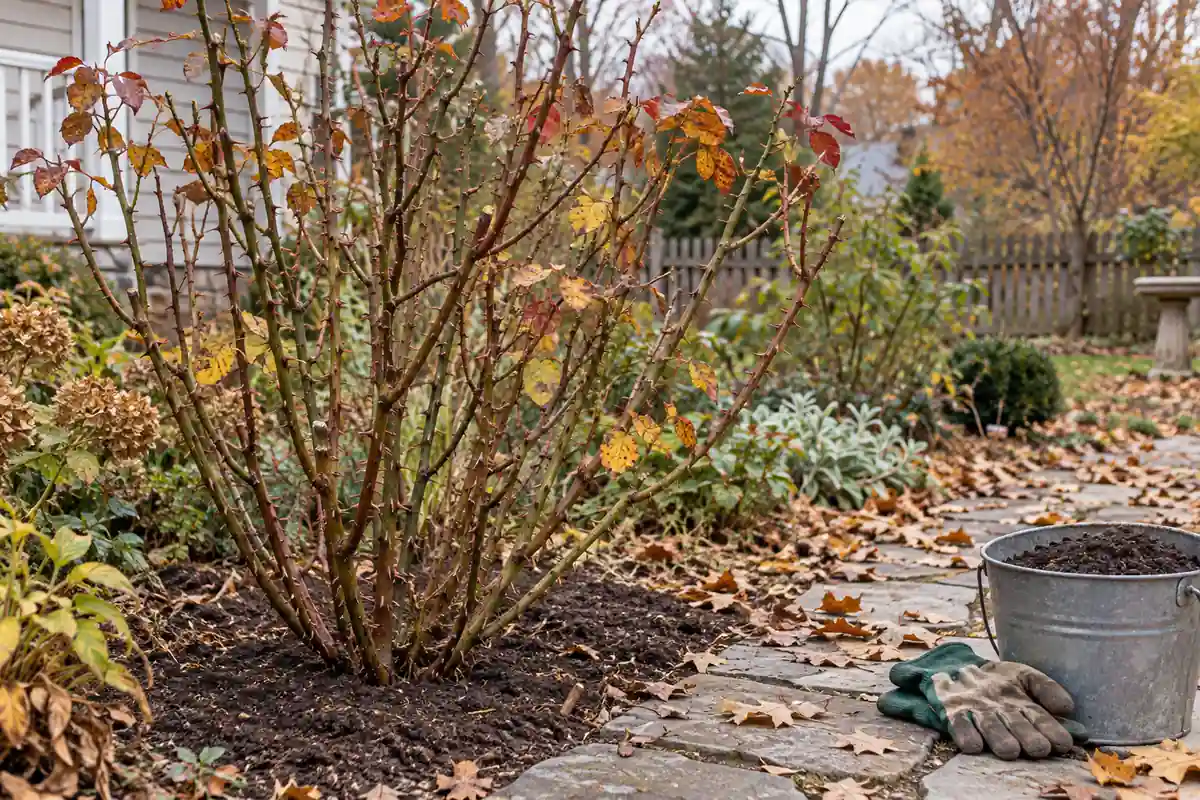
Spring pinching creates bushier plants and more flowering stems. Deadheading keeps the plant tidy and may extend bloom. Cutting back after frost returns biomass to the system if the foliage is clean. Division keeps older clumps vigorous and prevents crowding. Winter mulch helps crowns through freeze-thaw stress in cold climates, especially when plants were established early enough to root well.
| Care Loop | Permaculture Reason | Timing | Watch For |
|---|---|---|---|
| Compost and mulch | Feeds soil from the surface and protects shallow roots | Spring and after cutback | Mulch piled against crowns |
| Deep root-zone watering | Reduces stress during bud set and bloom | Dry spells and container transition | Wet leaves and soggy soil |
| Pinching | Creates branching and stronger shape | Spring through early summer | Pinching too late and delaying bloom |
| Deadheading | Extends tidy bloom and keeps paths clear | During flowering | Letting spent flowers mold in dense plants |
| Cutback | Returns clean biomass or removes diseased material | After frost or early spring | Composting infected leaves in a cold pile |
| Division | Renews clumps and shares plants across guild edges | Spring when growth resumes | Letting centers thin and stems weaken |
Soil care can stay aligned with permaculture soil management: keep the surface covered, recycle clean residues, reduce disturbance around established crowns, and correct drainage before adding more plants.
For shape and bloom timing, pruning and deadheading chrysanthemums is the maintenance layer that keeps the plant from becoming a floppy fall mound with poor airflow.
Avoid Chrysanthemum Permaculture Mistakes
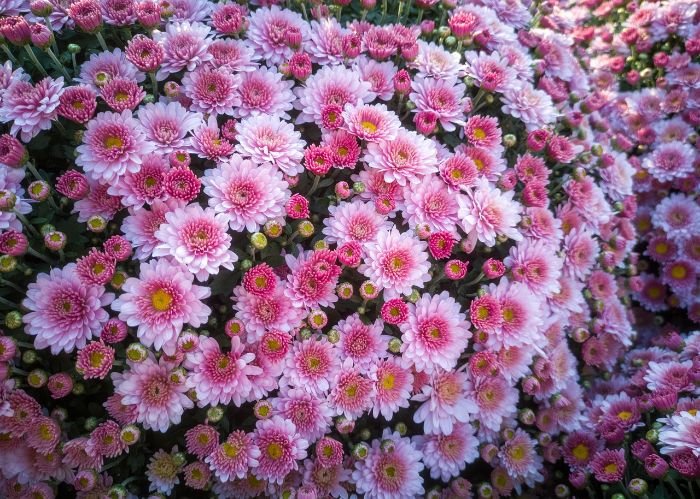
Most chrysanthemum mistakes come from treating a living system like a seasonal display. The plant arrives late, already blooming, and is placed wherever a color gap appears. That can work for a porch pot. It rarely creates a useful guild plant.
| Mistake | Why It Hurts The System | Better Move |
|---|---|---|
| Planting tight fall pots as permanent perennials | Roots have little time to expand before winter | Plant hardy mums in spring or treat late pots as seasonal color |
| Choosing only dense decorative flower forms | Pollinator access may be limited | Mix single and semi-double forms into the planting |
| Putting mums inside crop rows | They compete with vegetables and block access | Use edges, corners, and guild outer rings |
| Assuming pest control from the plant alone | Plant diversity is only one part of pest resilience | Use monitoring, airflow, sanitation, and habitat layers |
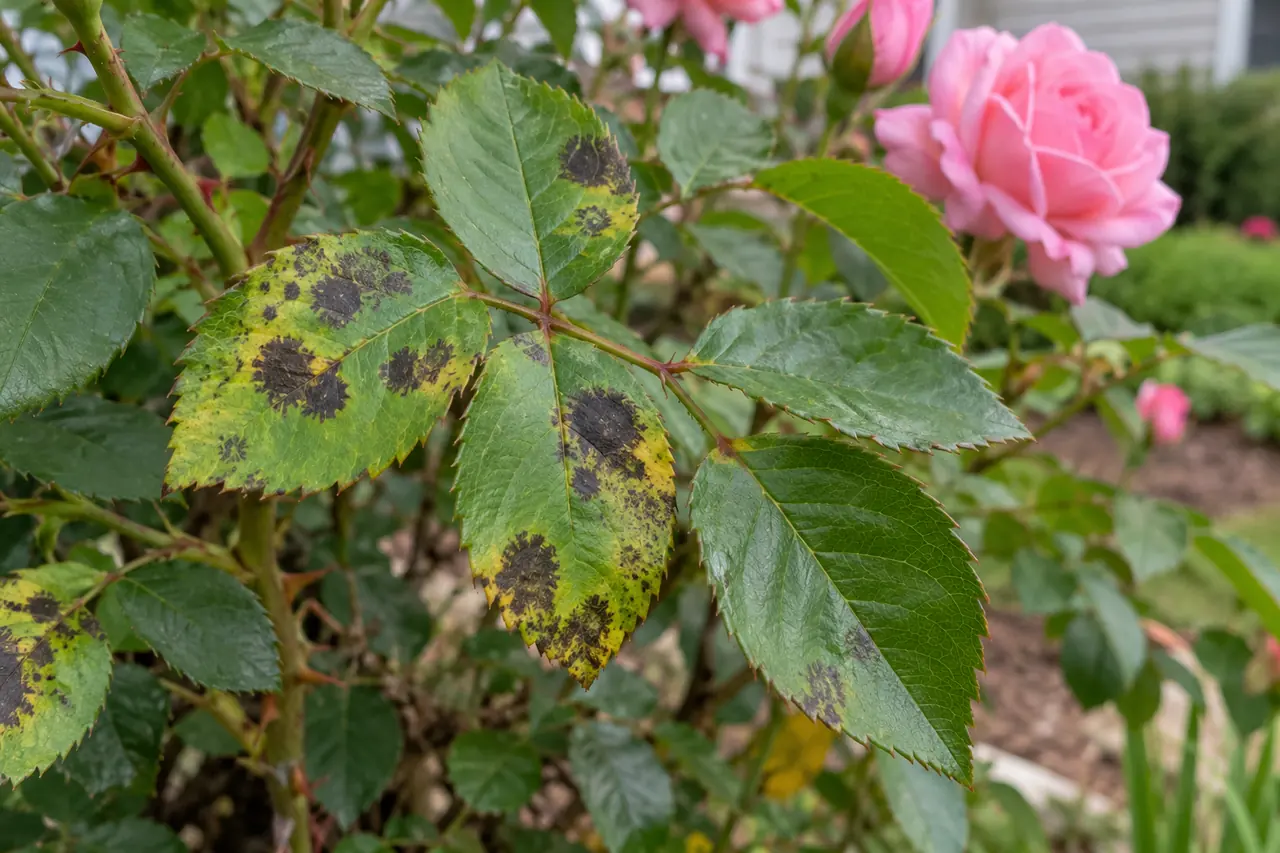
| Leaving diseased foliage as mulch | Leaf spots and mildew can cycle back into the bed | Remove infected material from the garden loop |
| Keeping reliable bloomers near bright night lamps | Night light can disrupt short-day bloom response in chrysanthemums | Place bloom-dependent mums away from strong porch, street, or security lights |
The most useful permaculture mum earns its place after purchase day. It fits the edge, returns in season, blooms when the garden needs late color, and supports the system with manageable care.
Conclusion
Chrysanthemums can be more than fall color in a permaculture garden. Their value comes from how they are used: late bloom, edge definition, pollinator-access flowers, seasonal cues, clean biomass, and long-term placement in a mixed system.
Durable design keeps each chrysanthemum role separate and practical. A living chrysanthemum, extracted pyrethrum, a dense decorative mum, and an open insectary flower all serve different roles. Choose the right form, place it on a functional edge, support the soil, prune on schedule, and pair mums with plants that carry other jobs through the season.
FAQ
Are chrysanthemums good for permaculture gardens?
Yes, when they have a clear job. Chrysanthemums can add late-season bloom, edge structure, visual signals, insect access, and clean biomass. They need thoughtful placement, suitable flower form, and realistic pest-control expectations.
Do chrysanthemums repel pests in a vegetable garden?
Living mums can add diversity and may support a more balanced insect habitat. Use them as one layer with crop rotation, airflow, sanitation, beneficial insect habitat, and pest monitoring.
Which chrysanthemums are better for pollinators?
Single and semi-double forms are usually better because insects can reach the flower center more easily. Dense decorative mums still add color and should be paired with open late flowers such as asters, goldenrod, herbs, or salvia.
Can chrysanthemums be used in edible permaculture gardens?
Some chrysanthemum relatives and edible chrysanthemum greens are used as food plants. Treat ornamental garden mums as decorative unless the species is correctly identified as edible and grown with food-safe care.
Where should chrysanthemums go in a permaculture guild?
Place them on sunny outer edges, path corners, vegetable-bed borders, or the herbaceous ring of a young fruit guild. Keep them reachable for pinching, deadheading, division, and winter cleanup.
Do chrysanthemums improve soil?
They help soil most through surface cover, root activity, and clean plant residues returned after frost. They fit into soil-building loops that also include compost, mulch, cover crops, and drainage correction.